![Older asian man journaling alarm clock[1]](https://www.grayingwithgrace.com/wp-content/uploads/2025/10/older_asian_man_journaling_alarm_clock1-e1761042239318.jpg)
On November 3rd at 2 AM, we “fall back” and gain an hour of sleep—but for older adults, this seemingly simple time change can trigger serious health consequences that most families never see coming.
Here’s what might surprise you: studies show that fall-related ER visits spike by nearly 20% in the weeks following the end of Daylight Saving Time. Medication errors increase. Depression rates climb. And seniors face the highest risk.
But here’s the good news: with the right preparation starting today, you can protect yourself or your loved one from these dangers. Let me show you exactly what to do in the next two weeks.

Why This Time Change Hits Seniors Harder Than You Think
This isn’t just about losing an hour of sleep in spring or gaining one in fall. For older adults, the end of Daylight Saving Time creates a perfect storm of health risks.
Your body’s internal clock—your circadian rhythm—becomes more fragile with age.
What takes a younger person two days to adjust to can take a senior an entire week or longer.
Here’s what really happens: Suddenly, darkness arrives during your most active evening hours. That walk you took at 6 PM last week? Now it’s pitch black outside.
Your carefully timed medications? They’re thrown off schedule, creating potential for dangerous interactions or missed doses.
And that’s just the beginning.
The Hidden Dangers Most People Miss
Fall risk skyrockets. When darkness comes earlier, you’re navigating your home in poor lighting during the exact hours you’re most active—preparing dinner, getting ready for bed, making evening trips to the bathroom.
Medication timing becomes confusing. If you take blood pressure medication at 7 AM and 7 PM, should you adjust immediately or gradually? Most people guess wrong.
Mental health takes a hit. Seasonal Affective Disorder often begins right after the time change, triggered by reduced daylight exposure and disrupted sleep patterns.
Driving becomes more dangerous. Rush hour now happens in darkness, and statistics show accident rates increase in the weeks following the time change.
The real challenge? Most families don’t prepare until it’s too late.

Your Two-Week Action Plan: Starting Today
Let me walk you through exactly what to do, week by week, to make this transition safe and smooth.
Two Weeks Before (Starting Now Through October 26)
Schedule a medication review immediately. This is your most important step, and it needs to happen now, not the night before.
Call your doctor or pharmacist today. Ask specifically about time-sensitive medications like blood pressure drugs, diabetes medications, thyroid hormones, and blood thinners.
Get written instructions for how to adjust your schedule. Should you shift gradually by 15 minutes every few days? Make the full hour change at once? Keep the same clock time but understand it’s a different “body time”?
Take a photo of these instructions and keep it visible on your refrigerator or bathroom mirror.
If you’re managing multiple medications, consider using an automatic pill dispenser with alarms to help you stay on track during the transition.
Start adjusting your sleep schedule now. Don’t wait for November 3rd to shift your entire routine by an hour.
Beginning today, go to bed just 10-15 minutes earlier than usual. Every two to three days, shift another 10-15 minutes earlier.
Move your dinner time slightly earlier too. Your body responds better to gradual changes than sudden shifts.
Set bedtime alarms on your phone as gentle reminders. This helps create the new routine before the official time change forces it on you.
Walk through your home at dusk—right now. Between 5 PM and 6 PM this week, walk your normal evening route through your house.
Notice where shadows fall. Identify dark corners. Pay special attention to stairs, hallways, and bathrooms.
This time next month, these areas will be completely dark during your active hours. Write down every spot that needs better lighting.
Ready to discover more innovative strategies for healthy, comfortable aging? Subscribe to our newsletter for expert-tested tips and product recommendations designed specifically for older adults.

One Week Before: Install Your Safety Solutions (October 27-November 2)
Now it’s time to put your preparation into action.
Transform Your Home Lighting
Motion-activated night lights should go in every hallway, bathroom, and near stairs. Look for battery-operated versions—no electrician needed.
Place them low on the wall so they illuminate the floor where you’re walking, not up high where they just create glare.
Smart bulbs with automatic timers work perfectly for living areas. Set them to turn on at 4:30 PM so you’re never walking into a dark room.
Outdoor motion sensor lights are critical for any path you use—mailbox, garbage bins, car. Install these near entrances and along walkways.
Test everything for a few days before November 3rd. You want to discover any issues while you still have time to fix them.
For comprehensive guidance on creating safer lighting throughout your home, check out our complete lighting guide for seniors.
Update Every Clock in Your Home
Make a complete list today: wall clocks, watches, microwave, oven, car dashboard, thermostat, coffee maker, bedside alarm.
Many devices change automatically, but verify this. Your phone and computer likely will, but your car probably won’t.
Consider removing clocks that cause confusion. Do you really need that old VCR clock that’s been blinking for years?
Put fresh batteries in any battery-operated clocks now, not when they’re already dying.
Plan to change your clocks Saturday night, November 2nd, so Sunday morning feels normal from the start.
Rethink Your Daily Schedule
Look at your typical routine and identify what needs to change.
That evening walk you love? Move it to 3 PM or 4 PM, before darkness falls.
Grocery shopping at 5 PM? Shift it to morning or early afternoon.
Plan indoor activities for after 5 PM—reading, puzzles, phone calls with family, watching favorite shows.
If you drive regularly, consider avoiding the road during the 5 PM to 7 PM window for the first week after the change. This is when accidents spike as everyone adjusts to darkness during rush hour.
Don’t Skip the Basics
Replace smoke detector batteries, even if they seem fine. You’re entering heating season, and functional detectors become even more critical.
Test each detector after changing batteries. Replace any detector older than 10 years—they lose effectiveness over time.
This is also the perfect time to review your emergency contacts and make sure they’re current.

Protecting Your Mental Health Through the Transition
Let’s talk about something many people don’t prepare for: the emotional impact of earlier darkness.
Seasonal Affective Disorder often begins right after the time change. The sudden loss of evening daylight can trigger mood changes, fatigue, and social withdrawal.
Set up a light therapy lamp before symptoms appear. Look for 10,000 lux, UV-free models with at least a 12-inch surface.



Use it every morning while having coffee or breakfast. Just 20-30 minutes of exposure can make a significant difference.
Schedule social activities during daylight hours. The temptation is to hibernate when darkness comes early, but isolation makes everything worse.
Plan lunch dates, morning coffee meetups, or afternoon walks with friends. Put these on your calendar now for November and December.
Get outside during the brightest part of the day—typically between 10 AM and 2 PM.
Even on cloudy days, outdoor light is significantly brighter than indoor lighting.
If you’ve experienced seasonal depression before, talk to your doctor now about prevention strategies. Don’t wait for symptoms to appear.
While preparing for the darker months, you might find it helpful to explore outdoor winter activities for seniors that can help you stay active and combat seasonal blues.
The First Week After: What to Watch For
November 4th through 10th is your monitoring period.
Pay attention to how you’re feeling. Unusual fatigue? More irritable than normal? Having trouble sleeping even though you “gained” an hour?
Watch for balance issues or near-falls. Fatigue affects coordination more than most people realize.
Notice if medications seem less effective or if you’re experiencing new side effects. Timing matters more for some drugs than others.
Call your doctor if: Sleep problems persist beyond five days, mood changes significantly, medications don’t seem to be working as well, or you experience multiple near-falls.
These aren’t “just adjustment issues”—they’re signs you need professional guidance.
Ready to discover more innovative strategies for healthy, comfortable aging? Subscribe to our newsletter for expert-tested tips and product recommendations designed specifically for older adults.

Special Considerations for Different Situations
If you live alone: Set daily phone reminders for the first week after the change. Ask family or friends to check in with you each day.
Leave extra lights on for the first few weeks. Yes, the electric bill will be slightly higher, but safety comes first.
If you care for someone with dementia or cognitive impairment: Keep their routine as consistent as possible. Don’t change everything at once.
Consider maintaining their “old” schedule for a few days, then shifting gradually over the following week. Their brain may not process the time change the same way.
Use visual schedules in addition to verbal reminders. Point to clocks frequently and orient them to the new time.
Increase supervision during the transition week. Confusion often peaks three to five days after the change.
If you take multiple medications: This is when automatic pill dispensers with alarms become invaluable.
Set up multiple reminders—phone alarms, medication apps, written schedules posted visibly.
Have someone verify you’re taking medications correctly during the first week if possible. If you still drive regularly: Clean your headlights and check that all exterior lights work properly.
- Avoid driving during dusk (5-7 PM) for the first week if you can.
- Keep an emergency flashlight in your car.
- Consider limiting night driving temporarily while you adjust.
Helping an Aging Parent Prepare
If you’re reading this as an adult child preparing a parent’s home, here’s your action plan.
Schedule a visit the weekend before November 3rd—specifically October 26th or 27th if possible.
Bring motion-sensor lights, smart bulbs, and fresh batteries with you. Install them together rather than just dropping them off.
Program any smart home devices they have. Set up medication reminders on their phone.
Walk through the house together at 5 PM to identify dark spots they might not notice themselves.
Check that outdoor walkways are clear and well-lit. Remove any tripping hazards.
Leave written instructions for changing clocks. Make it simple and specific.
Most importantly: Plan to check in daily during that first week. A quick phone call can catch problems before they become serious.
For more strategies on staying connected while caring for parents from a distance, explore our guide on monitoring elderly parents remotely.
Your Safety Toolkit: What to Have Ready
You don’t need expensive solutions—just the right ones.
Motion-activated night lights ($15-30): Battery-operated, adjustable sensitivity, place them low on walls.


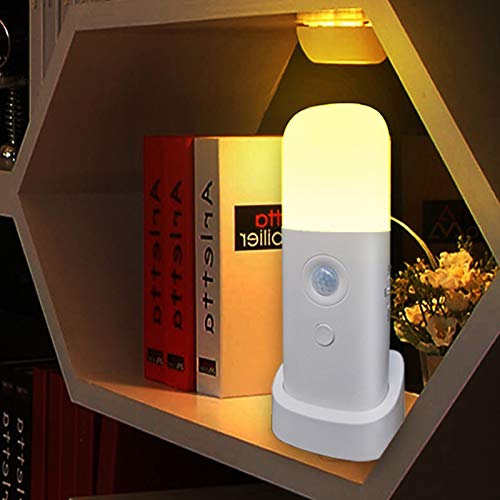
Smart plugs with timers ($10-25): Turn any lamp into an automatic light that greets you when you arrive home.


Dawn simulator alarm clock ($30-100): Gradually increasing light helps you wake naturally even when it’s dark outside.


Light therapy lamp ($30-150): 10,000 lux, UV-free, use for 20-30 minutes each morning.


Automatic night lights with photocells ($8-20): Turn on at dusk, off at dawn, no programming needed.


Pill organizer with alarms ($15-50): Essential for keeping medication timing on track during transitions.


The investment is small. The protection is invaluable.
If you’re looking for more comprehensive home safety solutions, our smart home devices guide for seniors offers additional technology that can enhance safety and independence.
Fall Back Safely—Starting Today
November 3rd will arrive whether you’re ready or not. But with these preparations, you’ll navigate the time change smoothly and safely.
Start your medication review today. Begin adjusting your sleep schedule tonight. This weekend, assess your lighting needs and order what you need.
The two-week timeline gives you plenty of time to prepare without rushing. Each small step builds toward a safe, comfortable transition.
Remember: “Fall back” doesn’t have to mean falling behind on safety. You’re taking control of your health and wellbeing during a vulnerable time.
Save this article now so you can reference it as November approaches. And if you’re caring for an aging parent, share it with siblings or other family members. Preparation works best when everyone’s on the same page.
What’s your biggest challenge with the time change? Have you noticed the effects before? Share your experience in the comments below—your insight might help someone else prepare better.