![Senior woman video call weekly checkin[1]](https://www.grayingwithgrace.com/wp-content/uploads/2025/12/senior_woman_video_call_weekly_checkin1-e1767120242595.jpg)
You’re watching MLK Day programming, and a startling fact hits you: Dr. King was only 39 when he died.
Younger than your own children. Yet his impact reverberates across generations decades later.
And suddenly, you’re asking yourself a question that won’t let go: What am I building with these years I’ve been given?
If you’ve ever wondered about your relevance in retirement—about whether your contributions still matter—you’re not alone. But here’s what might surprise you: Dr. King’s teachings offer unexpected insights for this exact stage of life.
This isn’t about grand gestures or being heroic. It’s about recognizing that your experiences, your wisdom, and your presence are valuable resources right now.

The Question That Started Everything
Dr. King didn’t just fight for civil rights. He envisioned something he called the “Beloved Community”—a world where every person contributes to collective dignity and wellbeing.
Here’s the revelation: This vision applies powerfully to how you view aging and ongoing contribution.
Dr. King taught that dignity isn’t given—it’s claimed through purposeful action. Your life experiences matter. You’ve witnessed social change, navigated challenges, and built community. These aren’t just memories—they’re valuable teaching resources.
The question isn’t “What did I accomplish?” It’s “What am I still building?”
This shift in perspective changes everything. Instead of viewing retirement as an ending, you start seeing it as a new chapter of contribution.
Think of it as a “Legacy Audit”—not cataloging what you’ve done, but identifying what you’re actively contributing now.

The Three Questions That Reveal Your Ongoing Contribution
Dr. King’s teachings about service, dignity, and community point to three powerful reflection questions.
Grab a notebook. Spend 15 minutes with these questions. Your honest answers will surprise you.
What Change Have You Witnessed That Needs to Be Shared?
You’ve lived through transformative social, technological, and cultural shifts.
Your firsthand accounts carry weight that history books cannot capture. When you describe what daily life was actually like during significant moments, you provide context younger generations desperately need.
This is living education. Not abstract history—real human experience that shapes understanding.
Where Do You See Dignity Being Dismissed—and What Small Action Can You Take?
Dr. King fought for human dignity in all forms. You can continue that work in your own sphere.
Where do you notice ageism? Dismissiveness? Lack of respect in your community?
Small advocacy actions matter. Speaking up when your doctor talks around you instead of to you. Addressing stereotypes when you hear them. Supporting elder-friendly policies.
These aren’t grand gestures. They’re consistent choices that create cultural change.
Who in Your Circle Needs What You Have to Offer?
Consider your skills, time, perspective, mentorship, and companionship.
This isn’t about generic volunteering. It’s about specific contribution matching your unique experience.
Could be family members navigating challenges you’ve faced. Neighbors who are isolated. Community groups that need your expertise. Organizations working on causes you care about.
The key is specificity. What do you uniquely have to offer? Who specifically needs it?
Want more ideas for meaningful connection and contribution? Subscribe to our newsletter for weekly guidance on staying purposeful and engaged in your golden years.

Living History Conversations: Your Most Important Legacy Work
Here’s something Dr. King understood deeply: Movements live through stories being passed down.
Your memories aren’t just personal nostalgia. They’re primary sources documenting how the world has changed.
Young people are hungry for authentic connection and context. But they don’t always know how to ask. You can bridge that gap.
How to Start Living History Conversations
The Starting Question: “What was daily life like when you were my age?”
This simple prompt opens natural conversation. No formal interview needed—just genuine sharing.
The Witness Perspective: Share what you saw, felt, and learned during significant historical moments.
Not just the facts, but the human experience. How did it feel when technology changed communication? What was it like navigating social change? How did you handle challenges without today’s resources?
The Values Connection: Explain how your experiences shaped your values.
When you describe why you believe what you believe—and how your experiences formed those beliefs—you’re giving younger generations tools for their own value formation.
The Recording Strategy: Use your smartphone to record these conversations.
With permission, create permanent family archives. These recordings become treasured resources that outlive us all. Preserving family recipes and stories uses similar recording techniques to capture not just the what, but the how and why behind cherished traditions.
Consider this: When your granddaughter asks about workplace dynamics when you started your career, you’re not just sharing history. You’re giving her context for understanding progress, setbacks, and ongoing challenges.
That’s invaluable.
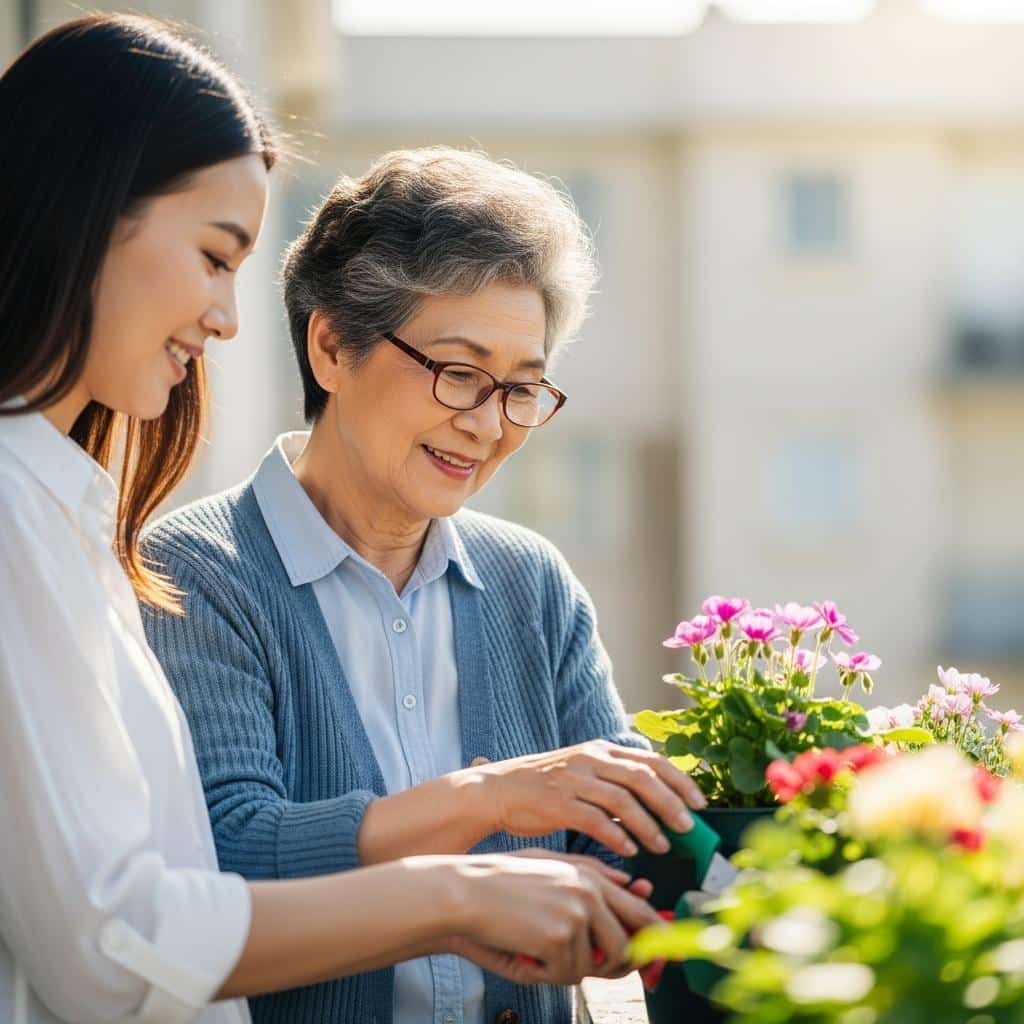
The Dignity in Aging Framework
Dr. King’s civil rights work was fundamentally about claiming dignity and demanding respect.
Here’s the connection you might not have considered: Ageism is a civil rights issue.
Seniors deserve the same dignity and autonomy as any group. Your advocacy for yourself and other older adults continues the work of dignity for all.
Small actions create cultural change.
How to Practice Personal Advocacy
In Healthcare Settings: Speak up when medical professionals talk around you rather than to you.
You’re the patient. Decisions about your care should involve you directly. Learning how to protect your independence when well-meaning family members become overbearing applies equally to medical settings—your voice matters in all decisions affecting your life.
In Daily Interactions: Address ageist language or assumptions when you encounter them.
Gentle corrections create awareness. “Actually, many older adults are quite tech-savvy” challenges stereotypes without being confrontational.
In Your Community: Learn your elder rights.
Healthcare decision-making protections. Housing rights. Access to services. Knowing your rights empowers you to claim them.
Through Your Example: Live in ways that demonstrate aging with purpose and grace.
How you navigate this stage influences how others perceive aging—including younger people watching their own future.
Your dignity isn’t just personal. It’s political. It’s cultural. It matters.
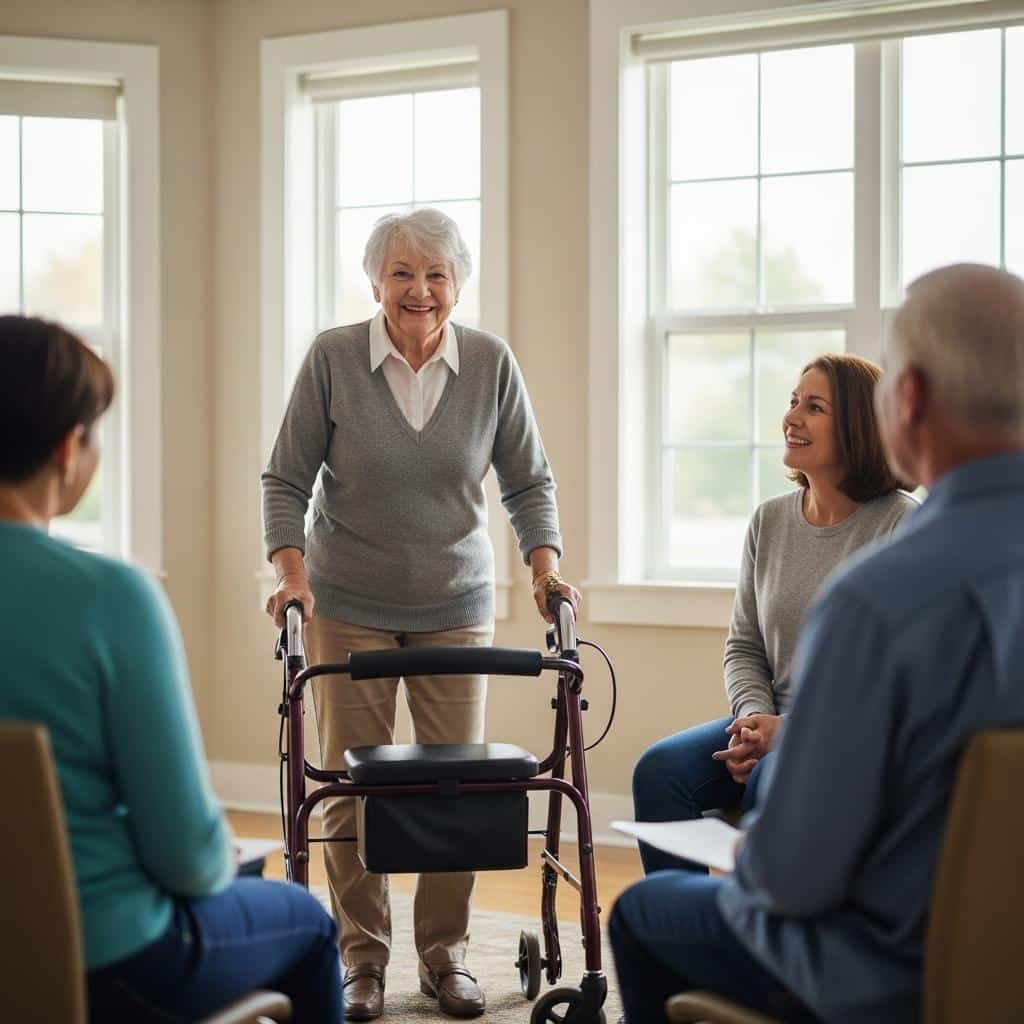
Five Small Actions to Build Your Beloved Community
Dr. King’s vision of the “Beloved Community” wasn’t abstract. It was built through concrete actions by ordinary people.
You can start building yours this week. Choose one action to begin with.
The Weekly Check-In
Identify one person in your life who might be isolated—a neighbor, friend, or family member.
Commit to one weekly connection. A phone call. A visit. A text message.
This simple consistency builds meaningful community bonds. It combats isolation for both of you. If you’re wondering how to expand your social circle beyond existing connections, exploring ways to overcome loneliness and build new friendships can open up additional opportunities for meaningful connection.
The Skills-Sharing Session
Offer to teach one skill you have to someone who wants to learn.
Cooking. Gardening. Crafting. Technology. Financial management. Whatever expertise you’ve built over decades. Discovering which hobbies truly suit you can also reveal unexpected ways to contribute your knowledge to others.
Local libraries, community centers, and churches often welcome volunteer instructors. Or start informally with family and friends.
The Story Project
Document one significant life experience for family archives.
Write it down. Record it on your phone. Interview with a family member who asks questions.
Focus on lessons learned and values formed—not just the events themselves.
The Local Advocacy Step
Attend one local meeting. City council. Library board. Community planning sessions.
Your perspective as a longtime community member matters. Senior voices often carry significant weight in local decision-making.
Show up. Speak up. Your presence makes a difference.
The Bridge-Building Initiative
Connect with one person from a different generation intentionally.
Could be mentoring through a formal program. Volunteering with youth organizations. Simply building deeper relationships with neighbors of different ages. If you’re looking for natural ways to start these conversations, these conversation starters that make visits feel genuine can help bridge generational gaps without awkwardness.
Intergenerational community is the heart of Dr. King’s vision. You can create it one connection at a time.
Remember: Start with one action. Build from there. Small, consistent contribution matters more than grand gestures.
Looking for more practical ways to stay engaged and purposeful? Join our newsletter for expert guidance on contributing meaningfully to your community at every age.
Your Contribution Matters—Starting Now
Dr. King’s legacy lives because people continue the work of building community, claiming dignity, and passing wisdom forward.
Your ongoing contribution—however small it seems—matters.
Aging isn’t an ending. It’s a chapter with unique contribution opportunities that wouldn’t have been possible earlier in life.
Your experiences are valuable resources. Your wisdom matters. Your presence makes a difference.
The time to start isn’t “someday when you have more time.” It’s now.
Choose one of the five actions above. Commit to starting this week.
Or schedule a Living History Conversation with a family member. Complete your personal Legacy Audit reflection.
You have something important to offer. The question isn’t whether you matter—it’s how you’ll express that value.
What will you start building today?