![Senior woman bedroom window breakfast journaling[1]](https://www.grayingwithgrace.com/wp-content/uploads/2025/12/senior_woman_bedroom_window_breakfast_journaling1-e1767122246503.jpg)
Do you wake up tired even after sleeping through the night? Does 2 PM hit you like a wall of exhaustion?
You might think this winter fatigue is just part of getting older. Here’s the surprising truth: it’s not.
Your body has an internal clock that runs on light—and winter is throwing it completely off schedule. But what if I told you there’s a 20-minute fix you can do right in your own home, without stepping foot in the cold?
The secret isn’t a supplement or a new medication. It’s understanding how to reset your body’s natural energy system each morning—and you don’t even need sunshine to make it work.

Why Winter Steals Your Energy (And It’s Not What You Think)
Your body runs on a 24-hour internal clock called your circadian rhythm.
This clock controls when you feel alert, when you get sleepy, when you’re hungry, and even your mood throughout the day. But here’s the catch: this clock needs to be reset every single morning—and it uses light as its reset button.
Winter disrupts this system in three ways:
You wake up when it’s still dark outside. You stay inside more to avoid the cold. Even when you’re indoors during daylight, typical room lighting is only about 100-500 lux—nowhere near the 2,500-10,000 lux your body needs to properly reset its clock.
When your circadian clock doesn’t get its morning light signal, everything shifts. You feel groggy in the morning even after adequate sleep. Afternoon energy crashes hit harder. Sleep quality drops because your body doesn’t know when it should naturally wind down.
Here’s what’s actually happening: Your body releases cortisol in the morning to wake you up. But this hormonal response needs a trigger—bright light. Without it, your natural wake-up system never fully activates.
This isn’t aging. This is biology responding exactly as it should to insufficient light exposure.
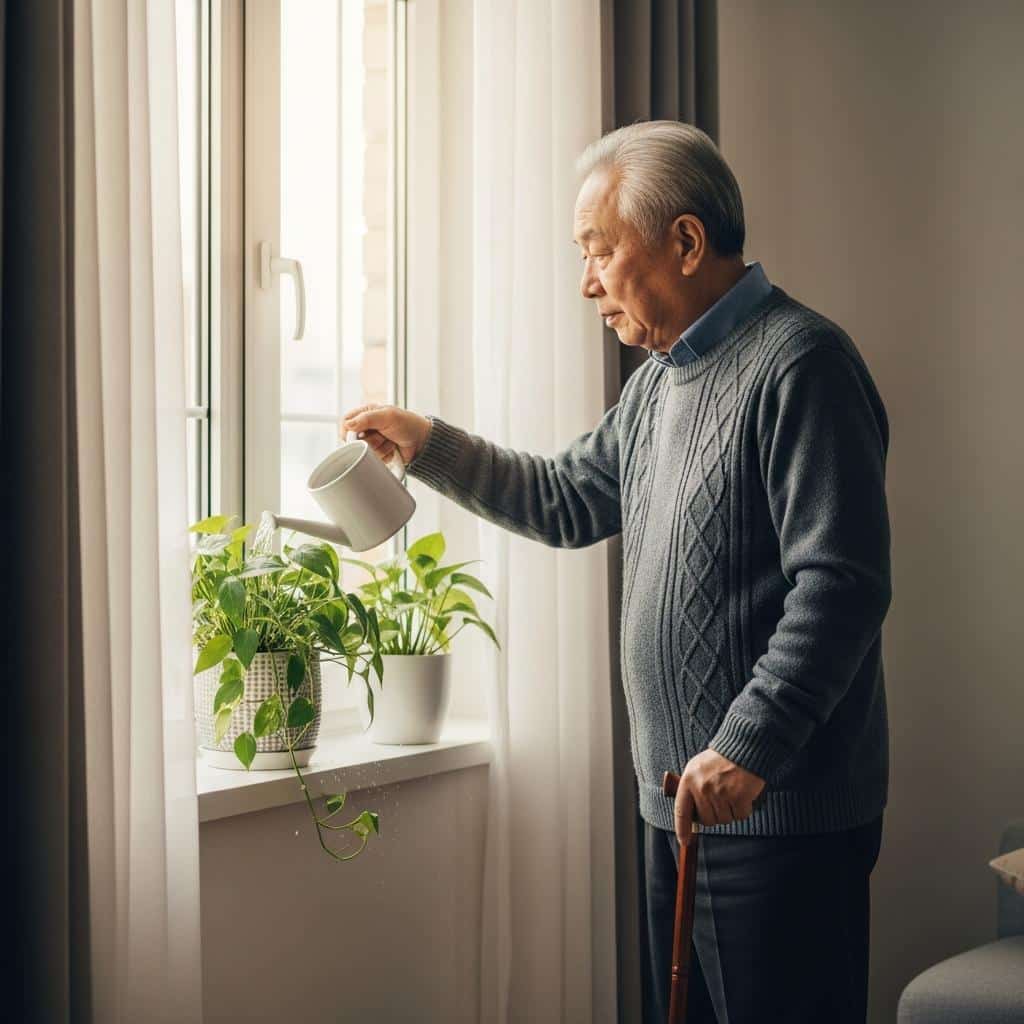
The Critical 20-Minute Window (Your Body’s Reset Button)
The first 90 minutes after you wake up are uniquely powerful.
During this window, your brain is incredibly receptive to light signals. Morning light exposure during these first 90 minutes has up to 50 times more impact on your circadian clock than the same light exposure later in the day.
Here’s your protocol: Get 20 consecutive minutes of bright light exposure within the first 90 minutes of waking.
That’s it.
You don’t need to sit still. You don’t need to meditate. You don’t need to do anything special—just position yourself in bright light while you do your normal morning routine.
Have your coffee. Read the paper. Check your phone. Eat breakfast. The only requirement is being in 2,500+ lux of light.
What is lux? Think of it this way: typical indoor lighting is about 100-500 lux. A bright office might be 500-1,000 lux. What you need is 2,500-10,000 lux—roughly 25 to 100 times brighter than normal indoor lighting.
The good news? Even on cloudy winter days, natural light near a window provides 2,000-10,000 lux. You don’t need sunshine—you just need to position yourself strategically.
Ready to discover more innovative strategies for healthy, comfortable aging? Subscribe to our newsletter for expert-tested tips and product recommendations designed specifically for older adults.
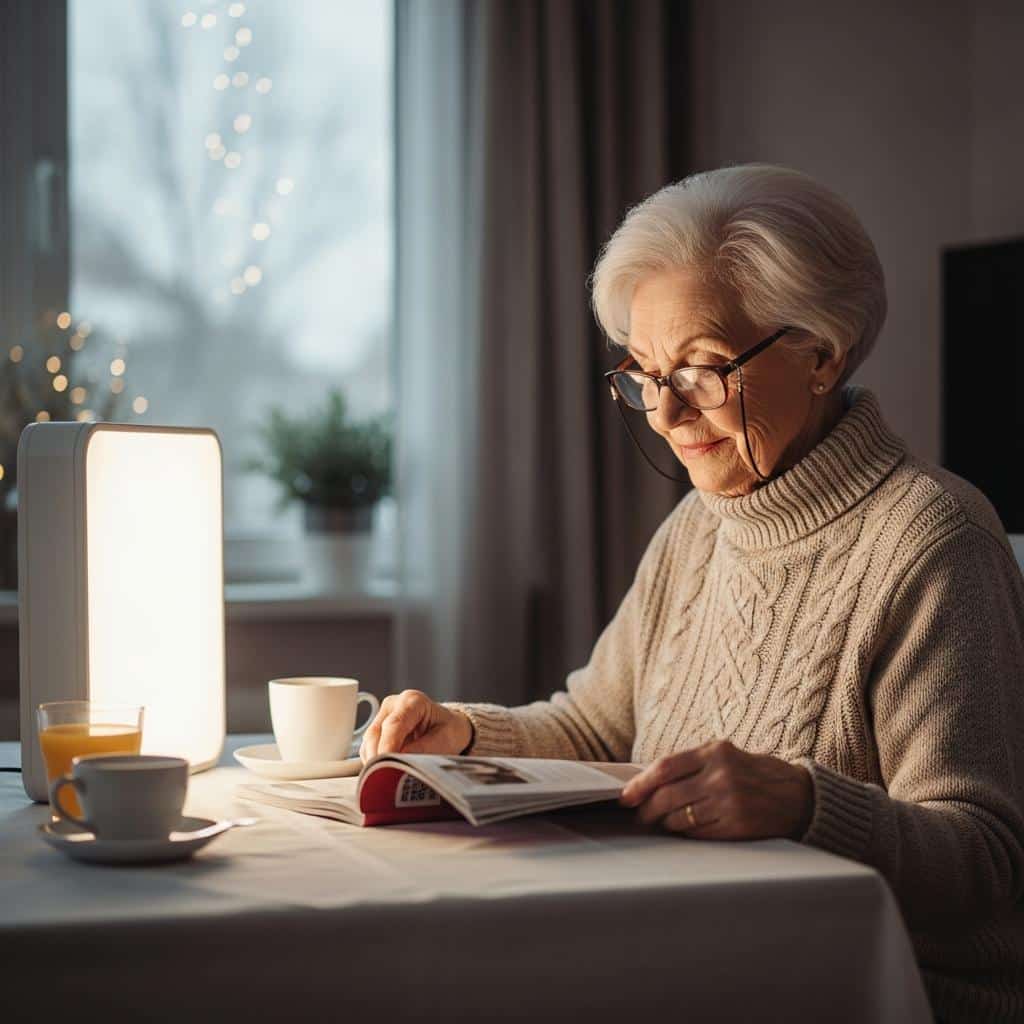
How to Get Your 20 Minutes (The Window Strategy)
The simplest solution is already in your home: windows.
Position yourself within 3 feet of a window that faces east or south. Distance matters dramatically—light intensity drops off quickly as you move away from the window.
Remove any barriers between you and the outdoor light. No sunglasses. Face toward the window so light reaches your eyes directly—you don’t need to stare at the sky, but the light needs to be in your field of vision.
The breakfast relocation strategy works best: Instead of eating at your usual spot, move your morning meal to a chair or small table positioned by your brightest window.
Perhaps you’ve always had coffee at the kitchen table, but your living room has a large east-facing window. Try relocating your morning routine to that window for one week and notice the difference.
For those with limited mobility: A TV tray or small side table can create a perfect morning spot near a window. You can have everything you need within arm’s reach—coffee, breakfast, reading material—while capturing the light your body needs.
Which rooms work best? Kitchens often have good east or south windows. Living rooms with large windows are ideal. Even a bedroom window works if you can comfortably sit nearby for 20 minutes.
How do you know if you’re getting enough light? When you position yourself by a window, the light should feel noticeably brighter than your normal indoor lighting. On overcast days, it might not feel dramatic—but it’s still providing far more lux than any indoor lamp.
Some people use free smartphone apps that measure lux levels, but this isn’t necessary. If you’re within 3 feet of a sizable window during daylight hours, you’re likely getting 2,500+ lux.

Your Backup Plan When Natural Light Isn’t Enough
Sometimes window light isn’t sufficient—December mornings when it’s dark until 7:30 AM, north-facing apartments, or stretches of heavy clouds.
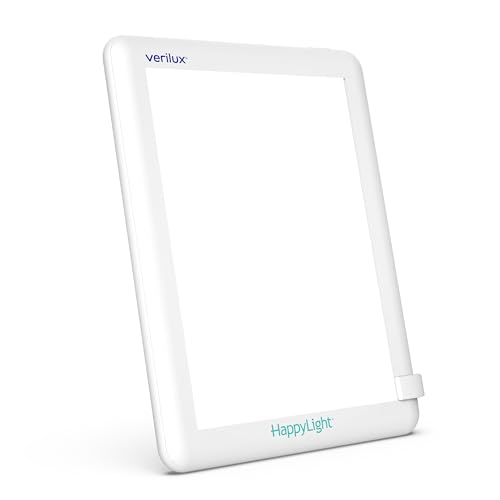


This is where light therapy boxes become valuable tools.
These devices produce 10,000 lux of bright white light—the same intensity as being outdoors on a cloudy day. They’re designed specifically to provide the light exposure your circadian system needs.
How to use a light therapy box:
Position it 16-24 inches from your face at a downward angle, mimicking where the sun would be in the sky. Use it for 20 minutes between 5-7 AM for best results—later morning exposure still helps, but avoid using it after 10 AM as it can interfere with evening sleepiness.
Do your normal morning activities during these 20 minutes. Read. Have breakfast. Answer emails. The light just needs to be in your peripheral vision—you don’t stare directly at it.
Budget considerations: Effective light therapy boxes are available under $50. You don’t need expensive features—just verified 10,000 lux output at the recommended distance.
Larger surface area boxes let you sit farther away while still getting adequate light. Smaller boxes require closer positioning but take up less space.
What doesn’t work:
Regular bright lamps typically provide only 400-800 lux—not nearly enough. Blue light from phones and tablets lacks the intensity your circadian system needs. Dawn simulation alarm clocks are pleasant but don’t replace the bright light exposure protocol.
The strategic approach: February through March, natural window light is usually sufficient for most people. December through January, when days are shortest, consider supplementing with a light therapy box. During extended cloudy periods, use the box to guarantee consistent light exposure—just as you might use other light-focused habits to support your winter wellbeing.
Think of the light therapy box as winter insurance—you might not need it every day, but having one available removes uncertainty about whether you’re getting adequate light.
Ready to discover more innovative strategies for healthy, comfortable aging? Subscribe to our newsletter for expert-tested tips and product recommendations designed specifically for older adults.
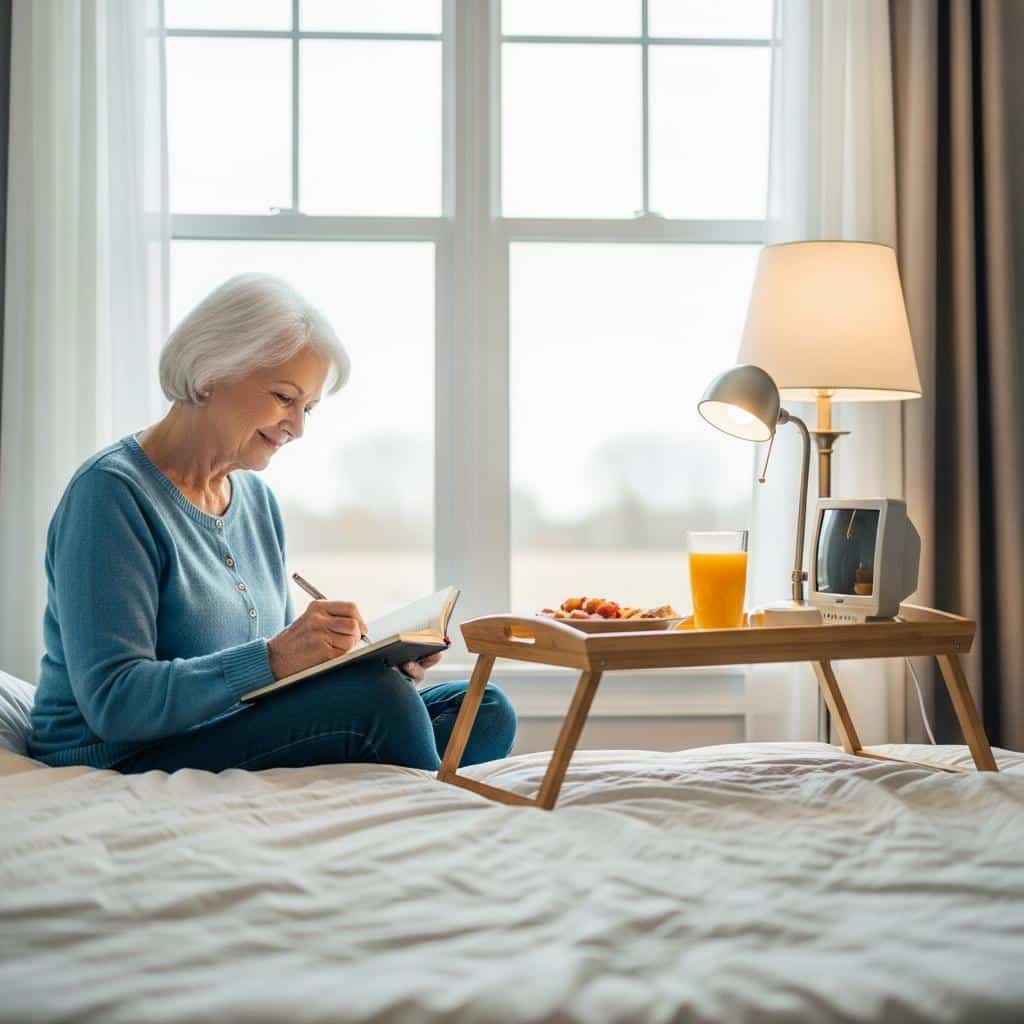
Your 7-Day Energy Experiment
Track your experience to see how your body responds.
Keep a simple daily log with three numbers:
Morning light exposure—Yes or no, and how many minutes. Afternoon energy level—Rate it 1 to 5, with 5 being your best. Sleep quality that night—Rate it 1 to 5.
Note where you got your light exposure: by window, which room, or with a light therapy box.
What to expect over seven days:
Days 1-2 might not feel dramatically different. Your body is beginning to respond, but the changes are subtle. Days 3-5 typically bring noticeable improvement in afternoon energy. That 2 PM slump becomes less severe or disappears entirely.
Days 5-7 often show improved sleep quality and easier waking in the morning. Your body has established a consistent circadian pattern—and you might notice you have more energy for activities you enjoy throughout the day.
Consistency matters more than perfection. Getting your morning light 5 days out of 7 maintains the benefits. Missing a day or two won’t undo your progress.
If you’re not seeing improvements after 7 days:
Check your positioning—you might need to move closer to the window or add a light therapy box for reliable intensity. Verify you’re getting exposure within 90 minutes of waking, not mid-morning.
If you feel sleepy during your light exposure: That’s perfectly fine. The benefit comes from light reaching your eyes, not from feeling alert during the session.
If you start feeling sleepy earlier in the evening: That’s actually a positive sign. It means your circadian rhythm is realigning—you’re naturally tired when you should be, which leads to better sleep.
Think of this as a personal experiment with your own biology. You’re not following rigid rules—you’re discovering what timing and positioning work best for your lifestyle and home.
Your Morning Light Advantage
What you thought was inevitable winter tiredness is actually a solvable light exposure problem.
You don’t need a prescription. You don’t need expensive equipment. You don’t need special ability or complicated protocols.
Just 20 minutes of strategic positioning in your own home—usually as simple as moving your breakfast spot three feet closer to a window.
The payoff extends beyond afternoon energy. Better sleep quality. Improved mood. Easier mornings. The mental clarity to enjoy activities you love. These benefits accumulate when you work with your body’s natural systems instead of against them.
Start tomorrow morning with one small change: Have your coffee or breakfast in a different location, positioned near your brightest window. Track how you feel that afternoon and evening.
Give it seven days of consistency and notice what shifts. Your body has been asking for this reset—you’re just finally providing it.
What’s your biggest challenge with winter energy? Have you noticed where the bright spots in your home are in the morning? Share your thoughts in the comments below—your experience might help someone else discover their own morning light advantage.