![Three older adults porch gathering[1]](https://www.grayingwithgrace.com/wp-content/uploads/2026/02/three_older_adults_porch_gathering1-e1770640423975.jpg)
Every morning at 8:47 AM, Margaret’s phone rings. It’s her daughter checking in.
At lunch, her son texts. By evening, another call comes from her other daughter.
Margaret loves her family, but she’s starting to feel like she’s under surveillance instead of being cared for. Her children, meanwhile, can’t stop worrying—what if something happens and no one knows?
There’s a simple solution that’s been quietly working in neighborhoods for generations, and it has nothing to do with expensive technology or intrusive monitoring. It’s right next door.
Create a Simple Neighbor Check-In System That Reduces Daily Worry Calls
Instead of managing multiple daily phone calls to confirm you’re okay, learn how a simple visual signal—like opening your curtains or raising a porch flag each morning—lets nearby neighbors know you’re fine without requiring conversation.
This video shows you how to set up a mutual, reciprocal system with a trusted neighbor that honors your independence while ensuring someone nearby would notice if something went wrong.

The Complete Neighbor Check-In System Setup Checklist
Download this complete setup checklist and implement a simple, dignity-preserving neighbor check-in system in one weekend—so you and your loved ones can stop worrying about what happens on the days nobody hears from you.

The Simple Signal System That Says ‘I’m Okay’ Without a Phone Call
Instead of fielding three daily phone calls, imagine your neighbor simply noticing that your kitchen curtain opened at 9 AM like it does every morning.
That’s the essence of visual wellness signals—simple, dignity-preserving indicators that tell nearby neighbors you’re up and moving without requiring conversation or check-ins.
Here are proven signal systems that work:
• The coffee pot in the window – Place it there by 9 AM each morning; its presence says you’re fine
• Porch flag protocol – Raise a decorative flag each morning; if it’s not up by 10 AM, something may be wrong
• Curtain or blind routine – Open specific blinds at your usual time; closed past that time triggers a check
• Porch light pattern – Turn on your porch light each evening and off each morning; an all-night light signals a problem
• Window decal or wreath – Rotate seasonal decorations on a schedule your neighbor knows





These aren’t surveillance systems. They’re the modern version of what neighbors did naturally before everyone retreated indoors—noticing each other’s rhythms and patterns.
The genius is in their simplicity. Your neighbor isn’t watching you; they’re simply aware of your normal routine as they go about their own day. When that routine changes, they notice—just like you’d notice if their newspaper sat on the driveway for three days.
For distant family members, this system provides genuine peace of mind. Instead of wondering if Mom answered her phone because she’s fine or because she fell and can’t reach it, they know a trusted neighbor confirms she’s up and active each day.
Some people use programmable light timers or decorative seasonal flags that make the daily signal feel natural rather than medical. The key is choosing something that fits your existing routine and home layout.

Starting the conversation that changes everything
How to Start the Conversation Without Feeling Needy
The worst way to propose this arrangement: “I’m getting older and I need you to check on me.”
The best way: “I was thinking we could look out for each other. Would you be interested in a simple system where we both know the other is okay each day?”
Framing it as mutual from the start changes everything. You’re not asking for help—you’re proposing a partnership that benefits both of you.
Here’s how to identify the right neighbor:
• Someone whose schedule overlaps with yours (they’re home when you’re typically active)
• A person who’s already naturally friendly, not someone you barely know
• Ideally someone who’d also benefit from the arrangement (another older adult, a single person, someone who travels for work)
• A neighbor whose home has visual sight lines to your signal spot
If you’re the adult child approaching your parent’s neighbor, try this script:
“My mom really values her independence, and I respect that completely. I was wondering if you and she might be interested in a simple check-in system—maybe something like a curtain in the window each morning—just so you’re looking out for each other. I think it would give her peace of mind knowing someone nearby notices if anything seems off, and I’d be happy to be your backup contact too if you ever need anything.”
Notice how this positions your parent as an active participant in community care, not someone who needs watching. It emphasizes mutual benefit and frames you as support, not as someone trying to impose monitoring.
Keep it informal initially. You’re not signing contracts or making formal arrangements. You’re simply agreeing to notice each other in the way neighbors once naturally did.
Ready to discover more innovative strategies for healthy, comfortable aging? Subscribe to our newsletter for expert-tested tips and product recommendations designed specifically for older adults.

The Reciprocal System That Keeps It From Feeling One-Sided
True neighbor check-ins work both ways. When you create genuine reciprocity, what could feel like charity transforms into authentic community.
Margaret’s neighbor notices her morning curtain signal. In return, Margaret watches for packages on her neighbor’s porch when she travels for work and texts her when they arrive. Neither feels like they’re receiving charity—both feel like they’re participating in mutual support.
What you can offer in return:
• Newspaper or package retrieval when they’re away
• Plant watering or pet checking during their vacations
• Monitoring their home when they travel
• Sharing your excellent baking or garden produce
• Being their emergency contact for service appointments
• Snow shoveling or lawn care coordination
The specific exchange matters less than the principle: this is a two-way street. You’re not creating a one-sided obligation where your neighbor feels responsible for you.
Over time, these practical arrangements typically evolve into genuine friendship. Coffee together once a week. Carpooling to the grocery store. Chatting in the driveway when you both check the mail.
That’s the real magic of neighbor check-ins—they combat the isolation that so many older adults experience by creating regular, organic points of connection.
The difference between a helpful neighbor and an informal caregiver is reciprocity. When both people benefit and contribute, resentment doesn’t build and dignity stays intact.
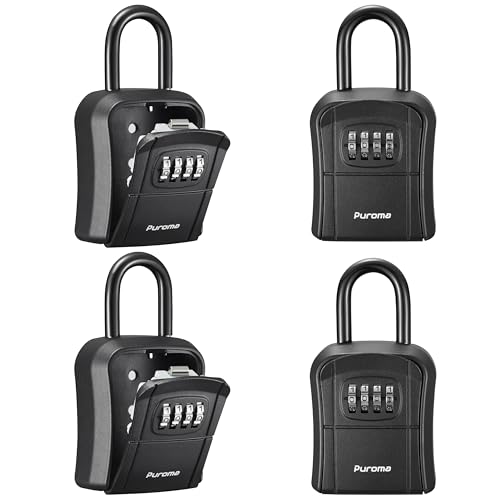
Some neighbors use shared key lockboxes (each has access to the other’s spare key), simple walkie-talkies for adjacent homes, or neighborhood communication apps to coordinate their mutual support. The tools don’t matter—the reciprocity does.



The Emergency Protocol That Activates When Signals Are Missed
The system only works if there’s a clear plan for when the signal doesn’t appear.
Here’s a graduated response protocol that respects privacy while ensuring safety:
Step 1 (Signal missed by agreed time): Neighbor watches for 30 more minutes in case you’re just running late.
Step 2 (Still no signal): Neighbor knocks on your door or rings the doorbell. Most ’emergencies’ resolve here—you overslept, you’re fine, signal goes up, everyone moves on.
Step 3 (No answer at door): Neighbor calls your cell phone. This often resolves issues where you’re simply in the shower or your signal item broke.
Step 4 (No phone answer): Neighbor calls your emergency contact (your adult child, sibling, or other designated person). They typically have additional ways to reach you.
Step 5 (Emergency contact also can’t reach you): Depending on prior agreement, neighbor either uses a shared key to check inside or calls emergency services.
Exchange emergency contact information at the start. Keep it simple—write down one or two names and phone numbers, plus any critical medical information (“I’m diabetic” or “I take blood thinners”). You can jot this on an index card; it doesn’t need to be formal.


Weather emergency protocols matter too:
• During severe storms, signals might be suspended with advance agreement (you’ll text instead)
• After power outages, establish how to signal without electricity (a specific object in a window)
• In extreme heat or cold, some neighbors increase their check-in frequency
Some neighborhoods create text chains for weather emergencies. When a storm is coming, everyone texts “I’m prepared” to the chain. After it passes, everyone checks in. This extends the buddy system beyond just pairs.
The beauty of this safety net is that it exists quietly in the background. Most days, it’s simply a curtain opening and someone noticing. But when it matters, the system activates smoothly because everyone knew the protocol from the start.
The Extended Benefits: Doctor Appointments, Grocery Runs, and Real Connection
What begins as daily wellness checks naturally expands into richer mutual support.
Margaret’s neighbor relationship started with a morning curtain signal. Six months later, they carpool to the grocery store every Thursday and take turns treating each other to lunch afterward. When Margaret had a medical procedure, her neighbor drove her there and back—not because she was obligated to, but because that’s what friends do.
These relationships commonly grow to include:
• Medical appointment buddies – Someone to drive you and take notes during doctor visits
• Shared shopping trips – Why make two trips when you’re going to the same store?
• Package and mail collection – Essential when either of you travels
• Emergency home access – If you lock yourself out or need someone to let in a repair person
• Medication pickup coordination – “I’m going to the pharmacy anyway; need anything?”
• Regular social contact – Coffee twice a week, shared meals, holiday celebrations together
This is what staying connected looks like in practice—not scheduled phone calls to prove you’re alive, but genuine relationships that naturally include mutual care.
For adult children, this transformation is profound. Instead of calling three times daily to check on Mom, they call once or twice a week for actual conversations. They know she has coffee with her neighbor every Tuesday and Thursday, carpools to the store, and has someone who’d notice immediately if something was wrong.
Their anxiety doesn’t disappear entirely, but it becomes manageable. And their parent stops feeling monitored and starts feeling connected.
Some neighbors share emergency medical information sheets, medication lists, or use shared calendar apps to coordinate support—though most keep it simple with just phone calls and in-person conversation.
The goal isn’t to turn your neighbor into an unpaid caregiver. It’s to rebuild the connected communities that naturally supported people at every age before everyone retreated into isolated households.
The Complete Neighbor Check-In System Setup Checklist
Download this complete setup checklist and implement a simple, dignity-preserving neighbor check-in system in one weekend—so you and your loved ones can stop worrying about what happens on the days nobody hears from you.
Your Next Step
The solution to modern isolation and anxiety isn’t more technology or expensive services. It’s the timeless practice of neighbors genuinely caring for each other.
This system serves everyone. Seniors maintain independence and dignity. Adult children gain peace of mind. Communities become stronger. And what starts as a simple daily signal often transforms into the kind of friendship that enriches both lives.
Think about your situation right now. Who’s the neighbor you could approach this week? Someone whose schedule overlaps with yours, who you already have a friendly relationship with, who might also benefit from mutual support?
Use the conversation scripts in this article. Start simple with just a daily signal. See where it naturally grows from there.
Most importantly, remember this: You’re not asking for help. You’re offering to rebuild the kind of community connection that benefits everyone involved.
What neighbor check-in systems have worked in your area? Share your experience in the comments—your insight might help someone else take that first step toward both independence and connection.