
![Older couple filling small leaf bags[1]](https://www.grayingwithgrace.com/wp-content/uploads/2025/10/older_couple_filling_small_leaf_bags1-e1761590475742.jpg)
Every fall, emergency rooms see a troubling spike in seniors injured during yard work. The most surprising part? It’s not the tasks you’d expect.
Many older adults take pride in maintaining their property—and rightfully so. But here’s what most people don’t realize: some of the most common fall yard work tasks carry hidden risks that can turn a productive afternoon into a dangerous situation.
What if I told you that working smarter, not harder, could help you enjoy your yard safely while preserving your energy for the activities you truly love?
Let’s talk about the tasks that deserve a second thought—and the practical alternatives that let you stay in control.

The Hidden Danger That Changes Everything
The real issue isn’t about getting older—it’s about the seasonal changes that make fall uniquely risky.
Shorter days mean reduced visibility. Wet leaves create slippery surfaces that hide uneven ground. The rush to prepare for winter can lead to pushing too hard for too long.
Add in heavier equipment, repetitive motions, and the reality that recovery from injuries takes longer as we age, and you’ve got a recipe for trouble. But don’t worry—recognizing these risks is the first step toward making smarter choices.
Think of it this way: you’ve spent years building the wisdom to work efficiently. Why not apply that same wisdom to yard work?

Eight Fall Tasks That Deserve a Different Approach
Let’s walk through the specific tasks that carry the highest risk—and the practical alternatives that keep you safe and in control.
Gutter Cleaning from Ladders
Standing on a ladder while reaching overhead to clear wet leaves is one of the riskiest fall activities for anyone, let alone older adults.
The specific dangers: Falls from heights, ladder instability on leaf-covered or uneven ground, overreaching that shifts your center of gravity, and the fatigue that builds during repetitive reaching.
The smart alternative: Consider gutter guards that prevent debris buildup in the first place. For existing clutter, extendable gutter cleaning tools let you work safely from the ground. Many communities also offer affordable gutter cleaning services—typically $100-200 for a standard home. Just as you’d implement safety measures inside your bathroom, preventive modifications for outdoor maintenance pay long-term dividends.
Pro tip: If you must use a ladder, never do it alone. Have someone stabilize the base and hand you tools so you don’t have to climb up and down repeatedly.
Extended Leaf Raking Sessions
That satisfying feeling of clearing your yard can quickly turn into back pain, exhaustion, or worse.
The specific dangers: Repetitive strain on your back and shoulders, dehydration during extended work sessions, and the cumulative fatigue that affects balance and judgment.
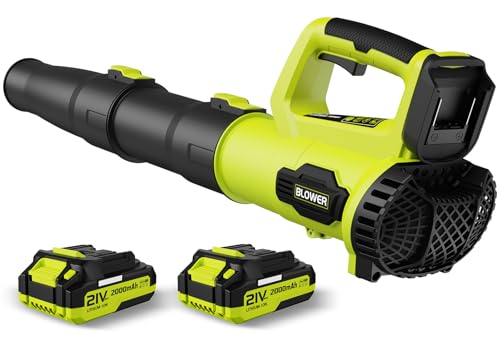
The smart alternative: Switch to an ergonomic rake with a padded handle and work in 20-minute sessions with breaks. Even better, invest in a lightweight electric leaf blower—many models weigh under 8 pounds and eliminate the repetitive motion entirely.
Pro tip: Consider leaving some leaves as natural mulch in garden beds. It’s better for your soil and reduces your workload—a true win-win.
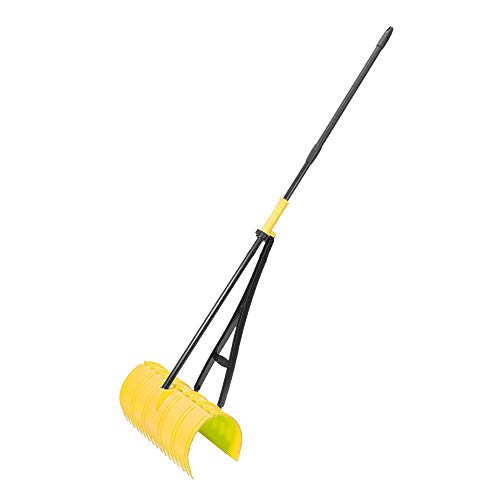

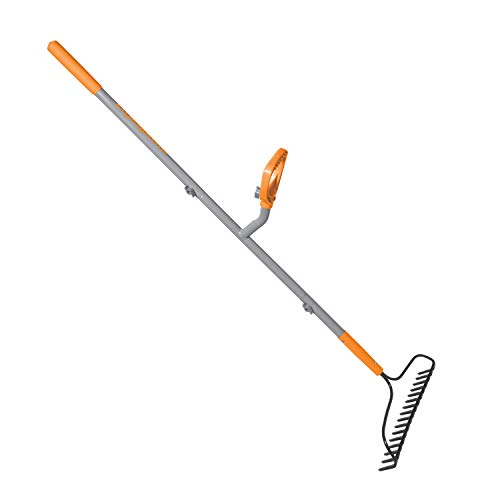




Climbing on Your Roof
Perhaps you’ve always cleared your roof yourself, but the stakes get higher every year—literally.
The specific dangers: Falls from significant heights, loss of balance on angled surfaces, difficulty safely descending, and the challenge of navigating wet or leaf-covered roofing materials.
The smart alternative: This is one task worth delegating entirely. Professional roof maintenance services have proper safety equipment and insurance. Between professional visits, use extendable poles with attachments to remove visible debris from the ground.
Pro tip: Invest in preventive measures like gutter guards and strategic tree trimming to minimize roof debris in the first place.
Ready to discover more innovative strategies for healthy, comfortable aging? Subscribe to our newsletter for expert-tested tips and product recommendations designed specifically for older adults.
Using Heavy Gas-Powered Equipment
That gas-powered leaf blower might get the job done, but it comes with hidden costs.
The specific dangers: Significant weight that strains your arms and back, vibration that affects your hands and wrists, the physical effort required for pull-starts, and carbon monoxide exposure from extended use.
The smart alternative: Modern battery-powered leaf blowers are remarkably powerful while weighing 40-50% less than gas models. Look for models with shoulder straps that distribute weight evenly. Some even offer push-button starts—no more yanking cords.
Pro tip: If you already own gas equipment, ask a neighbor’s teenage son or daughter to handle the starting for a small fee. You can still do the actual work once it’s running.
Moving Heavy Leaf Bags


Hauling 40-pound bags of wet leaves across your yard is harder than it looks—and more dangerous than most people realize.
The specific dangers: Severe back strain from lifting and carrying, the risk of falling while your view is blocked, and the potential for hernia or other injuries from improper lifting.
The smart alternative: Use large tarps to drag leaves to your collection area instead of bagging. If you must use bags, fill them only halfway. Better yet, invest in a wheelbarrow and make multiple light trips instead of fewer heavy ones.
Pro tip: Mulch leaves in place with a mulching mower when possible. It’s easier on you and better for your lawn.

The Tasks That Need Extra Caution
Some yard work isn’t off-limits, but it requires thoughtful modifications and perhaps a helping hand.
Tree Pruning Above Shoulder Height


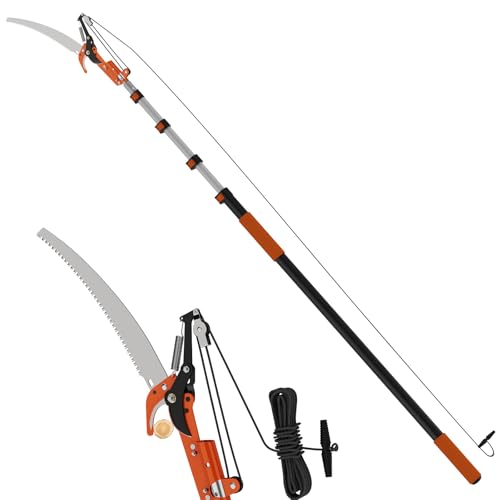
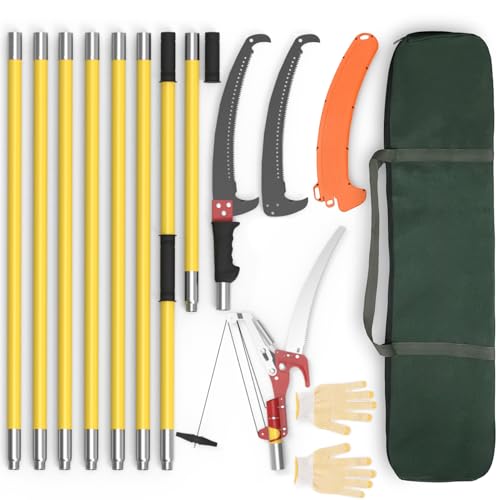
Removing dead branches keeps your property safe, but working overhead creates unique risks.
The specific dangers: Falls from ladders, injuries from falling branches, chainsaw accidents, and the fatigue that comes from working with arms extended overhead.
The smart alternative: Invest in extendable pole pruners for branches you can reach from the ground. For anything higher or requiring a chainsaw, hire a professional tree service. This isn’t about capability—it’s about having the right equipment and insurance.
Pro tip: Professional tree services are often more affordable than you think, especially if you bundle multiple tasks. Get quotes in late summer before the fall rush.
Power Washing Walkways and Decks



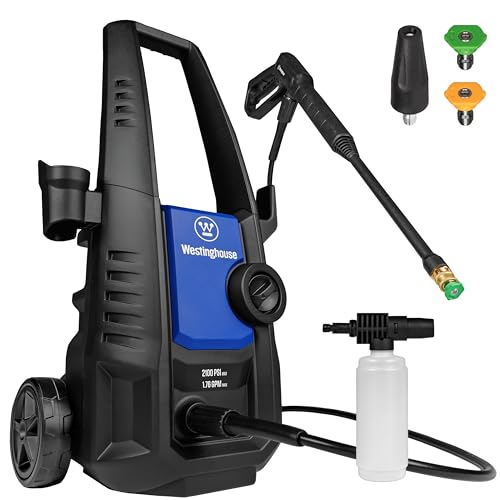

A clean deck looks great, but the process carries surprising risks.
The specific dangers: Powerful kickback that can throw you off balance, slipping on wet surfaces, overreaching that leads to falls, and the physical demand of controlling high-pressure equipment.
The smart alternative: Consider professional power washing services, which typically cost $150-300 for a standard deck. If you prefer to do it yourself, use a lower-pressure electric model and wear non-slip shoes. Most importantly, never work alone.
Pro tip: Apply a non-slip coating after cleaning to reduce future fall risks. It’s an investment in year-round safety.
Working Near Slopes or Hills
Raking or blowing leaves on sloped areas presents challenges even young people find difficult.
The specific dangers: Loss of balance on inclines, hidden hazards under leaf cover like roots or holes, and the difficulty of maintaining stable footing while using equipment.
The smart alternative: Use a leaf blower to work from the top of slopes, letting gravity do the work. Focus your hands-on efforts on flat areas only. For steep slopes, this is another great task to delegate. If you’re noticing more balance challenges during yard work, it might be time to consider mobility aids that provide additional stability for everyday activities.
Pro tip: Mark any known hazards in sloped areas with bright stakes before leaves fall, so you know where to avoid stepping.

The Smart Senior Approach to Fall Yard Work
Let’s reframe how we think about yard work alternatives.
Choosing smarter methods isn’t about limitations—it’s about strategy. You’ve spent decades learning to work efficiently in every other area of your life. Yard work deserves that same wisdom.
The True Cost Comparison
Yes, hiring help for some tasks costs money. But consider the alternative: an emergency room visit averages $1,500 to $3,000, plus the cost of recovery time, potential long-term complications, and the impact on your independence during healing.
A professional gutter cleaning at $150 or a tree service visit at $300 suddenly looks like an excellent investment in your wellbeing. If budget is a concern, explore home repair assistance programs available to seniors—many offer low-cost or free services for home maintenance and safety modifications.
The Buddy System for Tasks You Want to Keep
Some yard work is genuinely enjoyable and good exercise. The key is having backup.
Working with a family member, neighbor, or friend provides:
- Someone to hold the ladder or hand you tools
- An extra set of eyes to spot hazards
- Help moving heavy items
- Immediate assistance if something goes wrong
- Company that makes the work more pleasant
Make it a social activity with coffee or lunch afterward. You might be surprised how many people are happy to help—especially if you reciprocate with something you do well, like baking or computer help.
Prevention: The Ultimate Alternative
The smartest approach? Reduce the need for risky tasks in the first place.
Install gutter guards before fall. Trim overhanging branches in summer when professionals are less busy and prices are lower. Apply long-lasting deck sealant that requires less frequent maintenance. Plant low-maintenance ground cover instead of grass in hard-to-maintain areas.
These one-time investments pay dividends in safety and reduced workload for years to come. And while we focus on prevention, it’s also worth learning safe falling techniques that can reduce injury risk should a fall occur despite your best precautions.

Your Fall Yard Work Safety Action Plan
Ready to put these ideas into practice? Here’s your step-by-step approach.
Step 1: Make Your List
Walk your property and list every fall yard work task you typically do. Be honest about which ones involve heights, heavy lifting, repetitive motion, or working on slopes.
Step 2: Sort by Risk Level
Divide your list into three categories: High risk (definitely delegate), Medium risk (use alternatives or buddy system), Low risk (safe to continue with proper precautions).
Step 3: Research Your Options
Price out professional services, new tools, or preventive modifications. You might be pleasantly surprised at the affordability of many alternatives.
Step 4: Schedule Services Now
Don’t wait until leaves are falling. Book professional services in early fall before the rush. You’ll often get better prices and easier scheduling.
Step 5: Recruit Your Crew
Line up family members, neighbors, or friends who can be your yard work buddies for medium-risk tasks. Consider creating a reciprocal arrangement where you help each other with different projects.
Step 6: Set Your Boundaries
Decide firmly which tasks you’ll do yourself, which you’ll do with help, and which you’ll delegate entirely. Share these decisions with family so they can support your plan rather than worry.
Ready to discover more innovative strategies for healthy, comfortable aging? Subscribe to our newsletter for expert-tested tips and product recommendations designed specifically for older adults.
Working Smarter Is Working Stronger
Here’s the truth that many older adults already know: wisdom means recognizing when to adjust your approach.
You’ve earned the right to work strategically. That might mean investing in better tools, hiring help for the riskiest tasks, or organizing your work differently. None of these choices diminish your capability—they demonstrate your good judgment. Understanding and adapting to the natural challenges that come with aging is part of living well and maintaining independence.
This fall, give yourself permission to enjoy your property safely. Save your energy for the activities that bring you genuine joy—whether that’s playing with grandchildren, pursuing hobbies, or traveling to places you’ve always wanted to see.
Your independence doesn’t depend on doing every yard task yourself. It depends on making smart choices that keep you healthy, active, and able to enjoy life on your terms.
What’s your approach to fall yard work? Have you found alternatives that work well for you? Share your wisdom in the comments below—your experience might be exactly what another reader needs to hear.
![Senior couple sorting childhood items couch[1]](https://www.grayingwithgrace.com/wp-content/uploads/2025/12/senior_couple_sorting_childhood_items_couch1-e1767121287450-450x300.jpg)
![Senior couple cane declutter boxes living room[1]](https://www.grayingwithgrace.com/wp-content/uploads/2025/12/senior_couple_cane_declutter_boxes_living_room1-e1767121195712-450x300.jpg)


