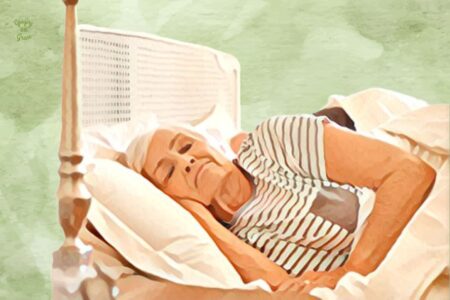
If you’re caring for an aging parent or loved one, you’ve likely spent considerable time making their home safer—installing grab bars in the bathroom, removing trip hazards, maybe even adding smart home features.
But there’s one critical area that most caregivers overlook: the nightstand.

Did you know the most dangerous time for falls is between 3 AM and 5 AM?
This small piece of furniture becomes a command center during the most vulnerable hours of the day. Yet surprisingly, most seniors’ nightstands are missing five essential elements that could prevent emergency calls, dangerous falls, and provide genuine peace of mind.
What makes nighttime so particularly dangerous for older adults? For one, darkness naturally increases confusion and disorientation. Add in the urgency of needing to use the bathroom (often the primary reason for those nighttime trips), and you have a perfect storm for accidents.
The 3 AM phone call no caregiver wants to receive…
Many of us have experienced that heart-stopping middle-of-the-night call. Your mom needed to use the bathroom, couldn’t find her glasses, knocked over her water trying to turn on a light, and ended up falling.
This scenario is alarmingly common—but also preventable.
The truth is, what happens in those critical few moments between waking up and getting out of bed can determine whether your loved one stays safe or ends up in the emergency room.
Keep scrolling to discover the 5 essential elements every senior’s nightstand needs… ?

The Essential Nightstand Setup Most Seniors Don’t Have
After working with hundreds of seniors and their families, I’ve identified five critical elements that transform a standard nightstand into a nighttime safety command center:
1. Proper Lighting Solutions
The most immediate need upon waking is visibility.
Standard lamps with tiny switches are a disaster waiting to happen.
What works instead:
- Touch-activated lamps that respond to a tap anywhere on the base ($15-45)
- Motion-activated path lighting that illuminates the way to the bathroom ($15-25)
- Light switches with illuminated surrounds so they can be found easily in the dark ($8-15)
One caregiver shared: “After three nighttime falls, I installed a touch lamp and motion-activated path lights to the bathroom. Mom hasn’t had a single fall since.”
2. Communication Access
When help is needed, it must be accessible immediately—not after searching through blankets for a phone.
Essential components:
- Medical alert device with lanyard or wristband option (various subscription services)
- Phone in a dedicated charging cradle positioned within easy reach
- Smart speaker for voice-activated calling if appropriate for your loved one
3. Medication Management
Many seniors take evening or early morning medications, yet proper nightstand setups for this critical need are rare.
The optimal setup:
- Divided pill organizer with sections that open easily but won’t spill
- No-spill water bottle with easy-grip design
- Small notepad and pen to record when medications are taken
Want more caregiving tips delivered straight to your inbox? Sign up for our weekly newsletter for practical advice that makes caring for your loved one easier.
4. Mobility Support
The transition from lying down to standing is one of the most dangerous moments for falls.
Safety essentials:
- Bed rail or bed assist handle that attaches securely ($40-120)
- Properly positioned grab bar if the bed is against a wall
- Non-slip floor mat with cushioning in case of falls ($20-40)

5. Comfort and Convenience Items
Discomfort can force unnecessary nighttime movement, increasing fall risk.
Smart additions:
- Extra pillow for elevation to address nighttime reflux or breathing issues
- Small fleece blanket for temperature regulation without heavy bedding
- Eyeglasses in a bright, protective case that can’t be missed
Implementation Guide: Setting Up The Perfect Nightstand
Creating this safety command center doesn’t require a complete bedroom renovation. Here’s how to implement it effectively:
- Prioritize reach and accessibility
- Place the most critical items (light, phone, alert device) within the shortest reach
- Position items based on dominant hand and physical capabilities
- Consider visibility challenges
- Use contrasting colors for important items against the nightstand surface
- Apply bright-colored tape to essential controls if needed
- Avoid common mistakes
- Don’t overcrowd the surface with non-essential items
- Secure cords and cables to prevent tangling or tripping
- Test the setup yourself from a lying down position to ensure usability
You might just find yourself saying, “I never realized how much stress this simple change would eliminate! Now I don’t worry every time my phone rings at night.”

Peace of Mind is Just a Nightstand Away
The beauty of this nightstand safety center is its simplicity. For a modest investment—typically under $200 total—you can dramatically reduce fall risk, enhance independence, and provide genuine peace of mind for both you and your loved one.
Remember that the perfect nightstand setup isn’t just about preventing emergencies; it’s about preserving dignity and independence. When seniors can confidently navigate their nighttime needs, they maintain a crucial sense of self-sufficiency that benefits their mental and emotional health.
Have you created a safety-focused nightstand setup for yourself or a loved one? What essential items would you add to this list? Share your experiences in the comments below!
Want more practical caregiving tips that make a real difference? Join our newsletter for weekly advice, product recommendations, and supportive guidance from our community of experienced caregivers.
![Older woman glow holder nighttime[1]](https://www.grayingwithgrace.com/wp-content/uploads/2026/02/older_woman_glow_holder_nighttime1-e1770642193342-450x300.jpg)

![Older couple evaluate bedroom safety[1]](https://www.grayingwithgrace.com/wp-content/uploads/2025/07/older_couple_evaluate_bedroom_safety1-e1751919444202-450x300.jpg)