
![Multi gen family cooking kneading dough[1]](https://www.grayingwithgrace.com/wp-content/uploads/2025/12/multi_gen_family_cooking_kneading_dough1-e1765213705990.jpg)
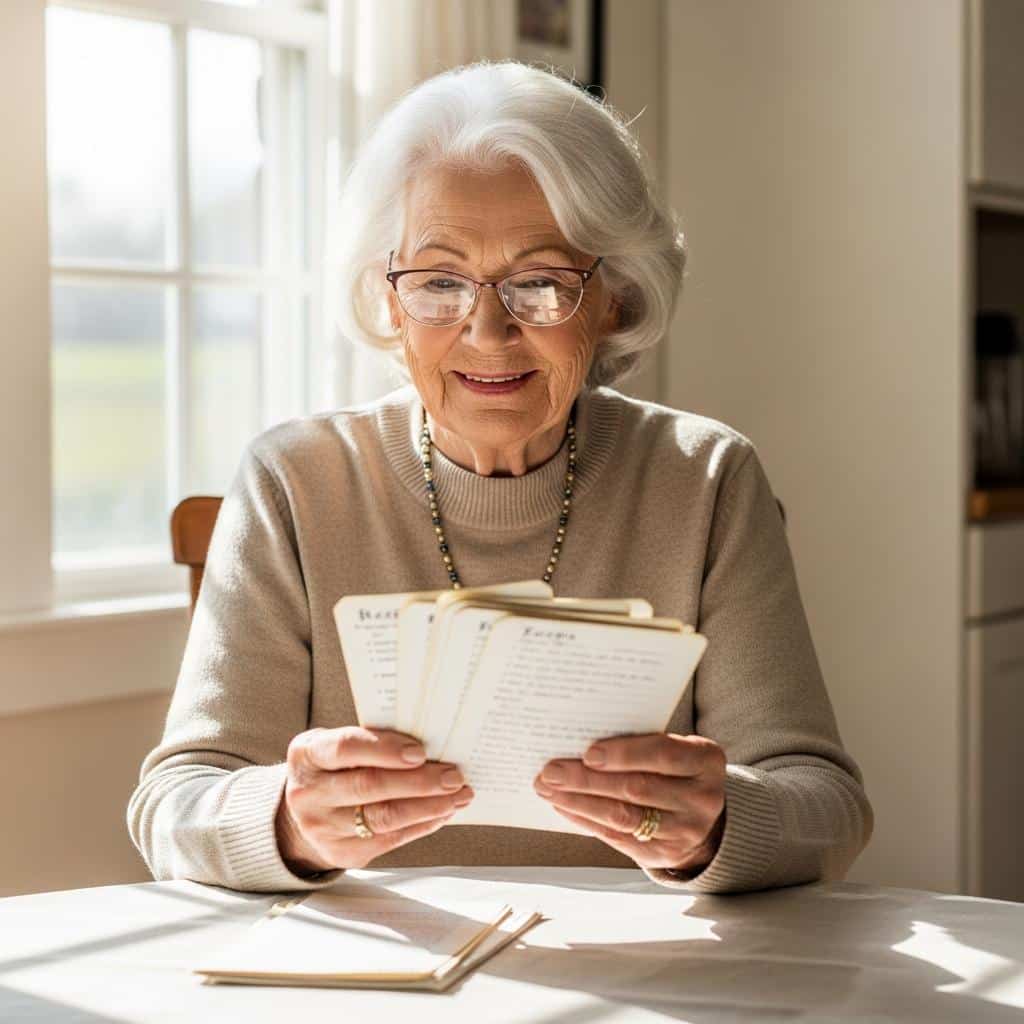
My grandmother’s recipe box is one of my most prized possessions. Inside are her legendary Pecan Pie recipe and her Blackberry Cake recipe—dishes that family members still talk about years later.
But here’s the heartbreaking part: many of those cards simply say “bake until brown” or “combine and make into a crust.” When I try to recreate them, something’s always missing. The texture isn’t quite right. The flavor is close, but not exact.
If only I had asked more questions. If only I had watched more closely when she was still here.
The truth is, the “secret” isn’t about missing ingredients. It’s about something far more precious and far more fragile: the decades of unwritten knowledge, techniques, and intuition that experienced cooks carry in their hands and hearts.
And here’s what might surprise you: this irreplaceable wisdom is disappearing faster than you think.
What if I told you there’s a simple way to capture this culinary magic before it’s lost forever?
Not just the recipes themselves, but the stories, the techniques, and the love baked into every dish? I learned this lesson too late for my grandmother’s cooking—but you don’t have to.
Why Grandma’s Recipes Defy Documentation
The mystery isn’t a mystery at all once you understand how experienced cooks actually work.
After decades in the kitchen, skilled cooks develop an intuitive knowledge that operates below conscious awareness. They don’t measure—they feel. They don’t time—they watch, listen, and smell.
The Invisible Expertise
Consider what happens when an experienced baker makes pie crust. She doesn’t think “add cold butter and handle minimally.” Her hands simply know the exact pressure, the precise moment when the dough needs to rest, the visual cue that signals perfect consistency.
This isn’t poor recipe-writing. This is mastery.
Many traditional cooking methods were never designed to be written down. A “handful” of flour, cooking “until it looks right,” testing temperature by touch—these aren’t vague instructions. They’re precise techniques developed over years of practice.
The Constant Adjustment Factor
Here’s what makes replication even more challenging: experienced cooks constantly adjust on the fly.
Different ovens run hot or cool. Flour absorbs moisture differently based on humidity. Ingredients vary by season and source. Altitude changes everything.
An experienced cook compensates for all these variables automatically, making micro-adjustments without conscious thought. When you follow their written recipe, you’re missing hundreds of tiny decisions that make the dish work.
This isn’t a flaw in the cook or the recipe. It’s expertise that deserves both respect and preservation.
The Recipe Interview Method: Capturing What’s Never Been Written
You can preserve this precious knowledge, but it requires a different approach than simply copying recipe cards.
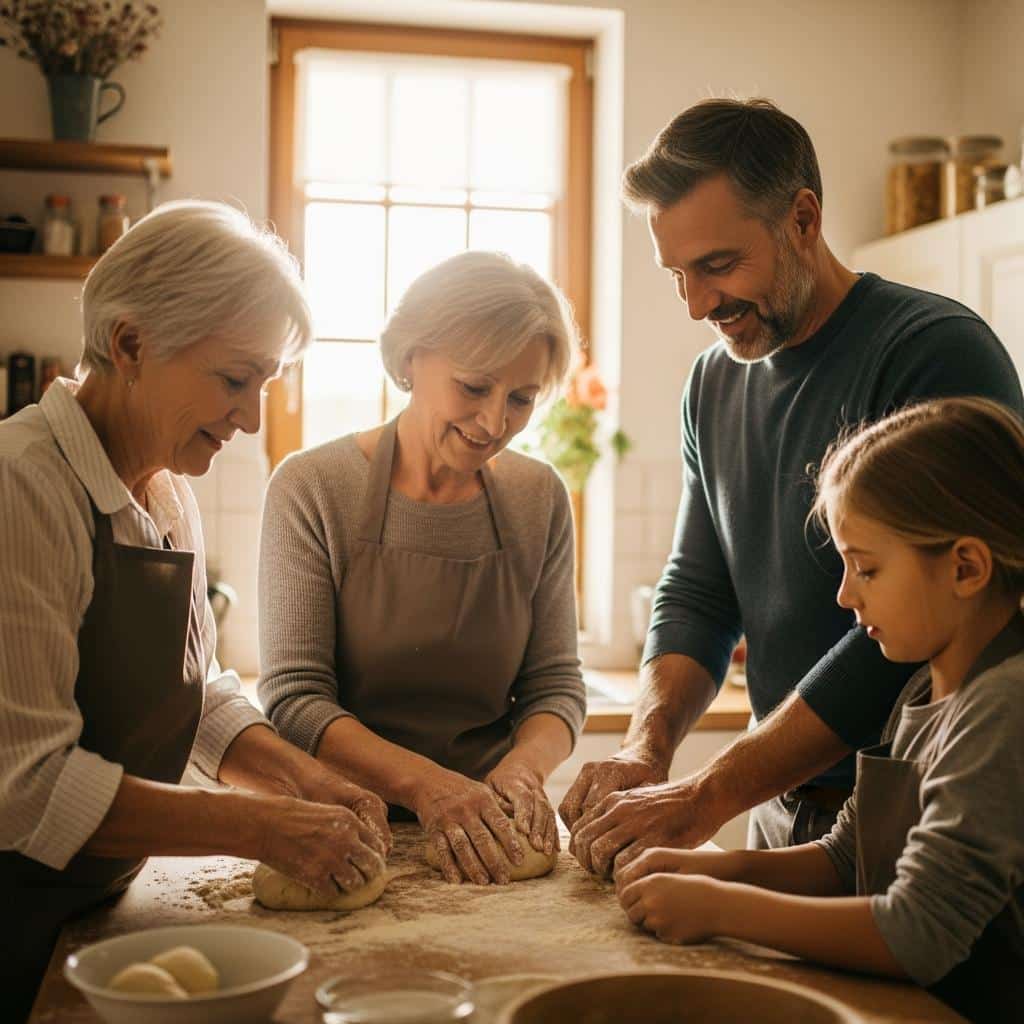
The Recipe Interview Method captures not just ingredients and steps, but the sensory cues, the adjustments, and the stories that make each dish unique.
Step 1: The Pre-Interview Prep
Schedule a relaxed time to talk. Not during a rushed weeknight dinner, but when you both have time to savor the process.
Gather your tools. You’ll need a notebook or recording device, the written recipe if one exists, and ideally, the actual ingredients and tools your loved one uses.
Set the right tone. Frame this as honoring their expertise and creating a family treasure, not as correcting their recipe-writing.
Step 2: The Walk-Through Interview
Have them handle the ingredients. Physical interaction triggers muscle memory and reveals techniques that words alone can’t capture.
Ask specific, open-ended questions:
- “How do you know when it’s ready at this stage?”
- “What does it look and feel like when it’s right?”
- “What sounds or smells tell you to move to the next step?”
- “What adjustments do you make when [specific condition]?”
Document measurements in their terms first, then translate. A “handful” might be approximately 1/3 cup, but knowing it’s their handful is valuable context.
Note the environmental factors. Does this recipe work differently in summer versus winter? Does their oven run hot? Do they always use a specific brand of flour?
Ask about substitutions. What have they successfully swapped when they ran out of something? These adaptations often reveal deep understanding of how ingredients interact.
Step 3: The Story Layer
This is where recipes become legacy.
Ask where the recipe originated. Was it passed down? Adapted from a neighbor? Created through experimentation?
Capture memories associated with the dish. Who specifically loved this? What occasions was it made for? Are there funny stories or family traditions connected to it? These natural conversation starters can transform recipe documentation into meaningful storytelling sessions.
Record variations they’ve developed. How has the recipe evolved over the years? What changes did they make and why?
Note any special meaning. Sometimes a recipe represents connection to a specific place, time, or loved one. These stories matter.
Ready to discover more innovative strategies for healthy, comfortable aging? Subscribe to our newsletter for expert-tested tips and product recommendations designed specifically for older adults.
Cook Together, Document Together: Turning Preservation Into Connection
The most effective recipe preservation happens in real time, side by side in the kitchen.
Cooking together creates natural conversation and quality time while capturing techniques that words simply can’t fully describe.
The Power of Video Documentation
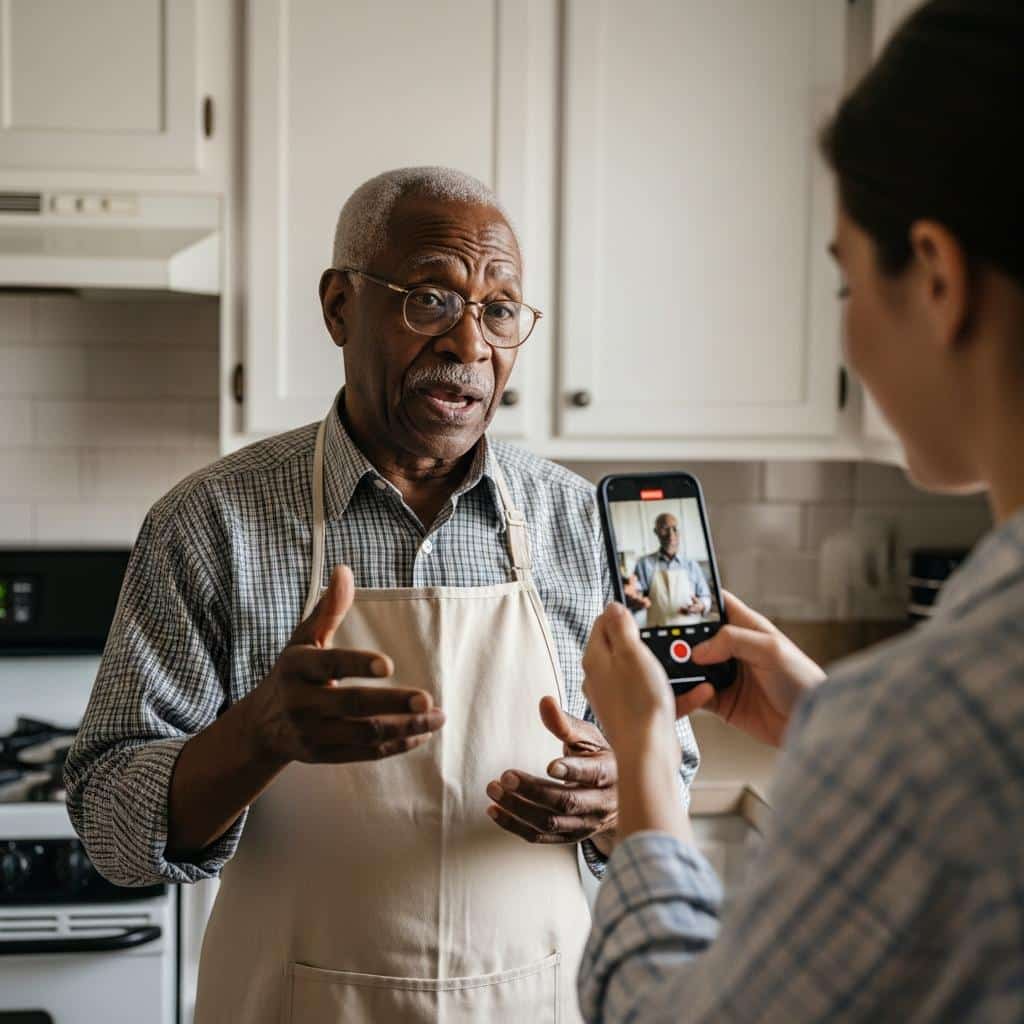
Use your smartphone to record from start to finish. You don’t need fancy equipment—just steady hands and good lighting. If technology feels overwhelming, remember that many seniors are more tech-capable than they realize with the right approach and simple tools.
Have the cook narrate what they’re doing and why. The running commentary captures decision-making processes that would otherwise remain invisible.
Film the hands. Close-up shots of kneading, folding, testing consistency—these visual records preserve techniques that generations struggled to describe in words.
Making It Work for Your Situation
Start with one beloved recipe rather than attempting to document everything at once. Choose the dish that would be most devastating to lose.
Plan multiple sessions if needed. Complex recipes benefit from being made several times, catching details that were missed the first round.
For long-distance families, video calls during cooking can work too. The cook can position their phone or tablet to show their workspace while you take notes or record on your end. This approach to staying connected with aging parents from a distance ensures that geographical separation doesn’t mean losing precious family knowledge.
The Gift You’re Really Giving
This activity respects the senior’s expertise while creating shared memories that extend far beyond the kitchen. Much like other low-stress bonding activities between grandparents and grandchildren, cooking together focuses on connection over perfection.
You’re not just collecting recipes. You’re saying “Your knowledge matters. Your skills are valuable. Your presence in our family’s story deserves to be preserved.”
That message is sometimes even more important than the recipes themselves.
Preserving the Physical and Digital Legacy
Once you’ve documented recipes, protect them properly so they can be shared across generations.
For Handwritten Recipe Cards
Use smartphone scanning apps for free digital preservation. Adobe Scan and CamScanner both work well and are free to download.
Photograph cards in good natural lighting. Take multiple shots from different angles to ensure readability.
Store digital copies in cloud storage. Google Drive, Dropbox, or iCloud—choose what works for your family and make sure multiple people have access.
Consider laminating fragile originals. This protects them from continued handling while preserving the emotional connection to the handwriting.
For Video Documentation
Upload to private YouTube channels or cloud storage. This keeps them safe while making sharing simple.
Label everything clearly. Include the recipe name, who’s cooking, and the date. Your future self will thank you.
Create backups in multiple locations. Hard drives fail. Cloud services change. Redundancy protects your work.
Share with family members through shared folders. Make sure the knowledge spreads beyond just one person.
Creating a Family Cookbook
Online services like Shutterfly, Blurb, and Mixbook make creating professional-looking cookbooks surprisingly affordable and simple. For those who enjoy preserving history and making meaningful contributions, creating a family cookbook becomes more than just recipe preservation—it’s documenting your family’s culinary heritage for future generations.
Include photos, stories, and personal notes alongside recipes. The context is as valuable as the instructions.
Create multiple copies for family members. These make meaningful gifts and ensure the recipes live in many homes.
Update and reprint as you document more recipes. This is a living project that can grow over time.
Simple Organization Systems
Create a digital filing system organized by category or family member. Consistency makes recipes easy to find later.
Keep a master list of what’s been documented and what remains. This helps you prioritize and track progress.
Use recipe management apps if tech-comfortable. Apps like Paprika or Cookbook Manager can organize everything in one place, but simple folders work fine too.
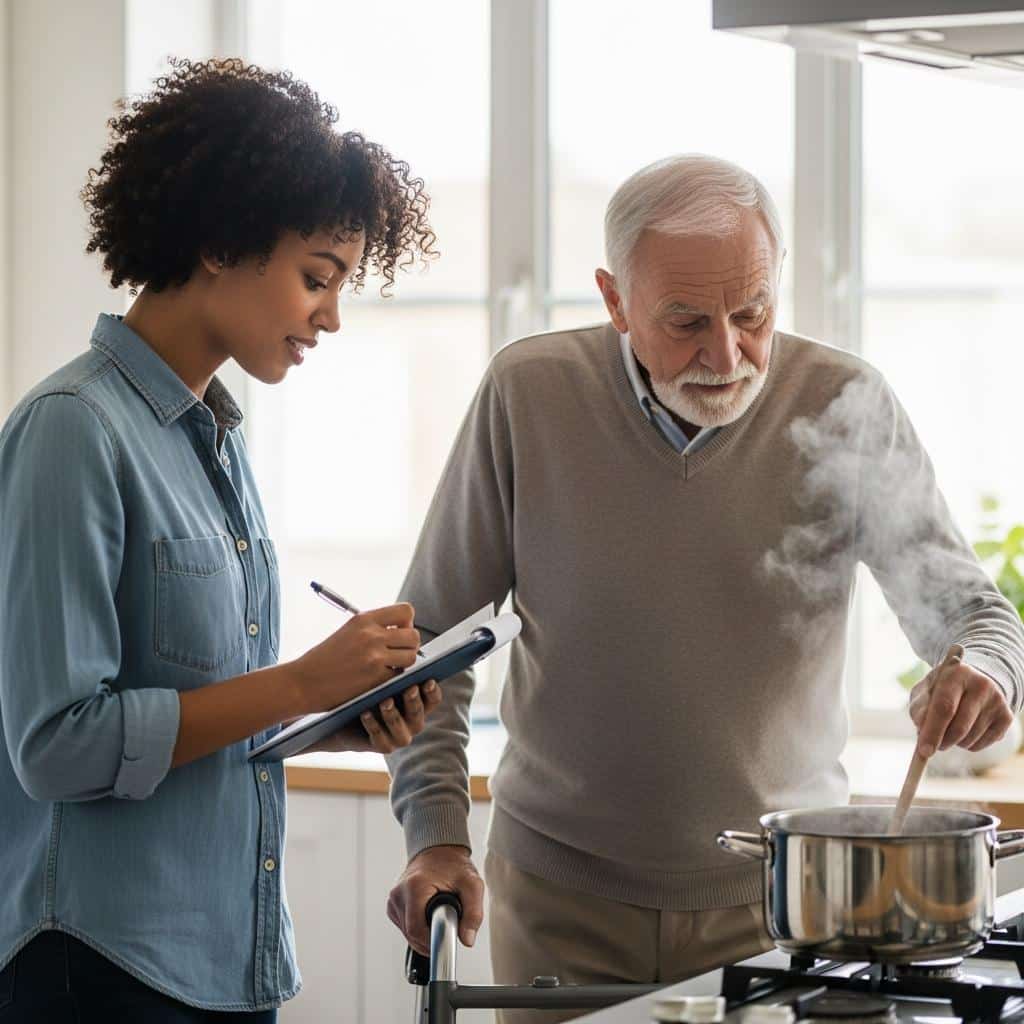
The 7 Kitchen Secrets Your Grandmother Never Wrote Down
These are the specific unspoken techniques that make recipes work—the knowledge to intentionally seek out and preserve during your documentation sessions.
1. Visual and Tactile Temperature Judgment
Experienced cooks know when oil is ready for frying by how it shimmers and moves. They test meat doneness by touch, feeling the resistance that indicates rare, medium, or well-done. They judge candy-making temperatures by how the syrup behaves when dropped in cold water.
What to ask: “How do you know when the oil/oven/water is the right temperature?” “Show me what you look for.”
2. The “Handful” Measurement System
Why do experienced cooks measure with their hands? Because their hands have calibrated these measurements through repetition, and the slightly variable amounts actually improve texture in many recipes.
What to document: Have them measure their handful into a measuring cup so you can translate it, but note that this is their measurement—yours might differ.
3. Sensory Timing
“Cook until it smells toasted.” “Listen for the sizzle to change.” “You’ll see the edges start to pull away from the pan.”
Experienced cooks use all their senses, not just timers. The timer is a suggestion; the food tells them when it’s actually ready.
What to ask: “What do you see/hear/smell that tells you it’s time for the next step?”
4. The Secret to Flaky Pie Crust
Cold ingredients. Minimal handling. Visible pieces of butter in the dough that will create steam pockets during baking.
Some people’s hands run naturally cooler, making them “better” at pastry. It’s not magic—it’s temperature.
What to document: The specific feel and appearance of properly mixed dough, which words struggle to capture but video shows clearly.
5. Perfect Gravy Consistency Judgment
The spoon-coating test: dip a spoon in the gravy, run your finger across it—if the line stays clear, it’s ready.
Understanding that gravy thickens as it cools means making it slightly thinner than the final desired consistency.
What to ask: “How do you know when the gravy is the right thickness?” “What do you do if it’s too thick or thin?”
6. Bread Dough Readiness
The poke test for proper rising: gently press the dough with a finger—if the indentation springs back slowly, it’s ready.
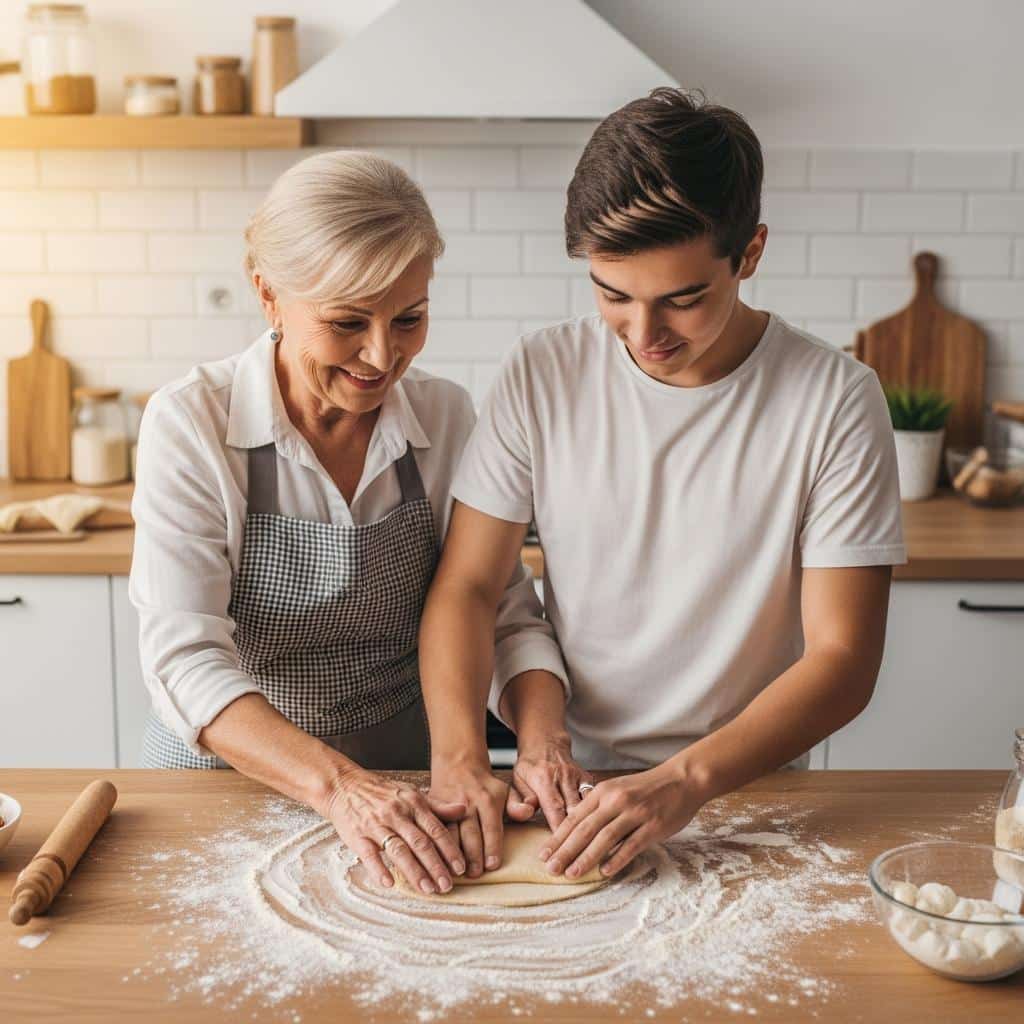
Kneading by feel rather than time, recognizing when the dough transforms from sticky to smooth and elastic.
How humidity and temperature affect rising times and final texture.
What to capture: Video of the actual texture and elasticity at each stage, which photos and words can’t fully convey.
7. The Science Behind “Healing” Chicken Soup
Long-simmering actually does extract nutrients, minerals, and collagen from bones, creating genuine nutritional benefits beyond comfort.
Homemade stock tastes different than store-bought because slow cooking develops complex flavors that can’t be rushed or manufactured.
What to preserve: The specific timing, temperature, and visual cues that indicate the stock is truly done.
Ready to discover more innovative strategies for healthy, comfortable aging? Subscribe to our newsletter for expert-tested tips and product recommendations designed specifically for older adults.
Creating a Legacy, One Recipe at a Time
This isn’t just about food—it’s about preserving family history, love, and connection.
Every recipe you document is a gift to future generations. Imagine your grandchildren and great-grandchildren being able to taste these exact flavors, prepared with the same techniques that have been perfected over decades.
The process itself creates precious memories. The conversations that happen while cooking together, the stories that emerge while discussing where a recipe came from, the laughter over kitchen mishaps—these moments matter just as much as the recipes themselves.
Time is precious. The knowledge exists now but won’t last forever.
You don’t need to document everything at once. Start with just one recipe—the most beloved or the most at-risk of being lost. Next weekend, choose another.
The conversations and time spent together are as valuable as the recipes themselves. Every session preserves not just food, but love, tradition, and the unique expertise that makes your family’s kitchen special.
What’s Your First Recipe?
What’s the one dish you wish you had learned to make? The flavor you’d be heartbroken to lose? That’s where you start.
Share your recipe preservation journey in the comments below. What surprised you about the process? What hidden techniques did you discover? Your experience might inspire someone else to begin their own culinary legacy project before it’s too late.
![Older couple lunch soup salad table[1]](https://www.grayingwithgrace.com/wp-content/uploads/2025/12/older_couple_lunch_soup_salad_table1-e1767121886403-450x280.jpg)
![Older couple cane portioning meals kitchen[1]](https://www.grayingwithgrace.com/wp-content/uploads/2025/12/older_couple_cane_portioning_meals_kitchen1-e1767120111377-450x300.jpg)
![Older man cane eating quick microwave meal[1]](https://www.grayingwithgrace.com/wp-content/uploads/2025/12/older_man_cane_eating_quick_microwave_meal1-e1767119019397-450x300.jpg)
![Older woman with walker organizing freezer[1]](https://www.grayingwithgrace.com/wp-content/uploads/2025/12/older_woman_with_walker_organizing_freezer1-e1767118888370-450x300.jpg)
![Elderly man walker junk drawer rubber band 1[1]](https://www.grayingwithgrace.com/wp-content/uploads/2025/12/elderly_man_walker_junk_drawer_rubber_band-11-e1765808720869-450x300.jpg)
![Senior couple testing microwave doors[1]](https://www.grayingwithgrace.com/wp-content/uploads/2025/12/senior_couple_testing_microwave_doors1-e1765215776583-450x300.jpg)
![Elderly black woman angled splatter guard[1]](https://www.grayingwithgrace.com/wp-content/uploads/2025/12/elderly_black_woman_angled_splatter_guard1-e1765214805474-450x300.jpg)


