Did you know that some of the most commonly purchased caregiving products are actually avoided by professionals?
If you’ve been caring for an aging parent or loved one, you might be surprised to learn that items marketed as “helpful” could actually be creating unnecessary risks.
As someone who’s worked with thousands of caregivers over the years, I’ve noticed a significant knowledge gap between what family caregivers typically use and what professionals recommend.
This isn’t your fault — the caregiving product market is flooded with options, and without specialized training, how would you know which ones to avoid?

The “Professional Caregiver Secret” Most Families Don’t Know About
Professional caregivers develop specialized knowledge through years of hands-on experience, continuing education, and learning from mistakes they’ve seen others make. Meanwhile, family caregivers often rely on online reviews or well-meaning advice from friends.
But what if you could access that professional knowledge right now?
In this article, I’ll reveal the common products that professional caregivers actually avoid and, more importantly, what they use instead. These insights could make caregiving easier for you while keeping your loved one safer and more comfortable.
? Join our newsletter for more professional caregiving tips delivered straight to your inbox. Sign up here to receive our exclusive “Professional Caregiver Toolkit” guide.
So, what are the products professionals avoid??
1. Traditional Bed Rails: A Surprising Entrapment Risk

Many family caregivers install standard bed rails thinking they’ll prevent falls. However, professional caregivers are often wary of traditional bed rails because they can create dangerous entrapment zones where a person can get caught between the rail and mattress.
According to the FDA, there were about 155 deaths related to adult portable bed rail entrapment between January 2003 and September 2012. The majority of these victims were frail, elderly, or confused individuals with underlying health conditions.
What professionals use instead:
- Transfer-assist bed rails that are designed with minimal gaps and serve primarily as aids for getting in and out of bed (typically $80-150)
- Bed wedges or bolsters that gently prevent rolling without creating entrapment risks ($30-60)
- Low-profile beds that reduce the risk of injury from falls ($400-800, though medical insurance may cover part of the cost)
Pro Tip: When using any bed rail alternative, professionals always ensure there are no gaps larger than 4 inches between any parts of the product and the mattress.
2. Certain Incontinence Products: Skin Integrity Concerns

Many family caregivers stock up on the most absorbent adult briefs they can find, assuming more absorbent equals better care. However, professional caregivers know that some highly absorbent products can actually increase the risk of skin breakdown because they’re changed less frequently.
What professionals use instead:
- Breathable, high-quality briefs with wetness indicators that signal when a change is needed ($25-40 per package)
- Incontinence pads paired with breathable underwear for those with light incontinence, which allows better airflow ($15-25)
- Regular, scheduled toileting routines that reduce reliance on incontinence products altogether (free, but requires time commitment)
Pro Tip: Professionals often prefer products with quick-draw tabs for easier changes and better dignity during care.
3. Traditional Baby Monitors: Inadequate for Elder Care

It’s tempting to repurpose a baby monitor for keeping an eye on an older adult, but professional caregivers rarely rely on these devices. Standard baby monitors lack the specific features needed for elder monitoring and often create a false sense of security.
What professionals use instead:
- Motion detection monitoring systems that alert when someone gets up or enters certain areas ($100-200)
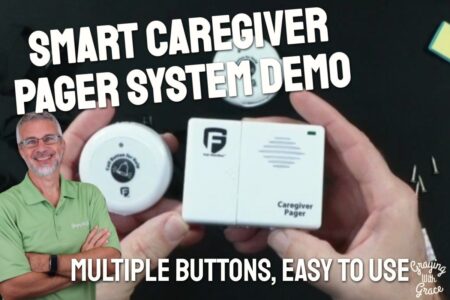
- Two-way communication devices specifically designed for seniors with large buttons and emergency features ($60-120)
- Smart monitoring systems that can detect falls or unusual periods of inactivity ($200-350)
4. Improperly Installed Bathroom Safety Products: Hidden Fall Hazards

The bathroom is one of the most dangerous rooms for older adults, but surprisingly, improperly installed safety products can actually increase fall risks. Professional caregivers are especially cautious about suction-cup grab bars that can pull loose exactly when someone needs support.
What professionals use instead:
- Properly anchored grab bars installed into wall studs or with appropriate anchors ($25-40 per bar plus installation)
- Toilet frames with armrests that provide sturdy support without wall mounting ($40-80)
- Transfer benches that extend outside the tub/shower for safer entry and exit ($60-150)
Pro Tip: Professionals test all installations by firmly pulling on them with their full body weight before allowing client use.
5. Certain Medication Organizers: Recipe for Errors

While medication organizers seem helpful, professionals avoid certain types because they can actually increase medication errors. Small pill compartments, similar-looking sections for different times of day, and hard-to-open designs can all lead to mistakes.
What professionals use instead:
- High-contrast, large-compartment organizers with clearly marked times ($15-30)
- Automated medication dispensers that provide alerts and dispense only the correct pills at the correct time ($70-300)
- Medication management apps paired with simple organizers for tracking and reminders (Free to $10 monthly subscription)
6. Inappropriate Mobility Devices: One Size Doesn’t Fit All

One of the biggest mistakes family caregivers make is using improperly sized or inappropriate mobility devices. Professional caregivers know that using the wrong walker height or a wheelchair without proper support can lead to falls, poor posture, and long-term pain.
What professionals use instead:
- Professionally fitted mobility devices specifically sized for the individual ($50-300, often covered by insurance)
- Mobility aids with the right features for specific conditions, not just generic options
- Regular reassessment of mobility needs as conditions change (priceless)
Pro Tip: Professionals measure from the wrist to the floor while the person is wearing shoes to determine correct walker height.
? Want more insider tips from professional caregivers? Subscribe to our newsletter for weekly updates and exclusive guides on providing professional-level care at home.
7. Over-marketed Nutrition Supplements: Limited Evidence

The nutrition supplement market targets caregivers with promises of improved health, better cognition, and enhanced energy. However, professional caregivers are often skeptical of heavily marketed supplements with limited scientific backing.
What professionals use instead:
- Dietitian-recommended nutritional drinks or supplements when necessary ($20-45)
- Food-first approaches with nutrient-dense, easy-to-eat meals and snacks (variable cost)
- Specialized utensils and adaptive dishes that make eating easier and more dignified ($15-40)
Why This Matters: Beyond Safety to Dignity
The products you choose aren’t just about physical safety—they’re about dignity too. Professional caregivers select products that:
- Maintain independence whenever possible
- Preserve dignity during care tasks
- Provide comfort without creating new problems
- Adapt to changing needs rather than forcing adaptation to the product
Time for a Caregiving Supply Audit?
Take a moment to examine the caregiving products you’re currently using. Are any of them on this professional “avoid” list? More importantly, could you make simple changes that would improve safety and comfort for your loved one?
I’d love to know: What caregiving product have you found most helpful or most disappointing? Share your experiences in the comments below!
Remember: Caregiving is a journey, and learning from professionals can make that journey smoother for both you and your loved one. You don’t have to figure everything out on your own—that’s why the Graying With Grace community exists.
Looking for more professional caregiving insights? Check out our complete guide to Setting Up a Safe and Comfortable Bedroom for Aging Adults.