
![Older man son updating medication schedule[1]](https://www.grayingwithgrace.com/wp-content/uploads/2025/07/older_man_son_updating_medication_schedule1-e1753725244338.jpg)
Do you ever lie awake at 2 AM wondering if you remembered to give your mom her evening medications?
You’re not alone.
In fact, managing medication schedules is the number one source of stress for family caregivers.
But here’s what might surprise you: the solution isn’t another app, pill organizer, or written chart.
It’s something that’s probably already sitting in millions of homes, quietly waiting to transform how families manage senior care.
What if I told you that one simple device could eliminate those 3 AM worry spirals about forgotten medications?
The families who’ve discovered this solution say it’s completely changed their caregiving experience.
Let me show you what they’re talking about.

The Hidden Mental Load That’s Exhausting Caregivers
Here’s the reality that no one talks about: being a family caregiver means your brain never gets to rest.
You’re constantly tracking multiple medication schedules, remembering which pills need food, monitoring refill dates, and worrying about dangerous mistakes. The average senior takes seven different medications daily, each with specific timing and requirements.
The traditional methods are failing us. Written lists get lost or forgotten at home. Phone alarms just beep without context. Pill organizers still require you to mentally track what’s been taken and what’s been missed.
Meanwhile, you’re trying to balance your own job, your own family, and your own health. Something has to give, and usually it’s your peace of mind.
Here’s the breaking point: Many caregivers report that medication management creates more stress than any other aspect of senior care.
You become the human backup system for someone else’s memory, and that’s an exhausting way to live.

The $40 Game-Changer That’s Revolutionizing Medication Management
The solution that’s transforming caregiving? Voice-activated smart speakers.

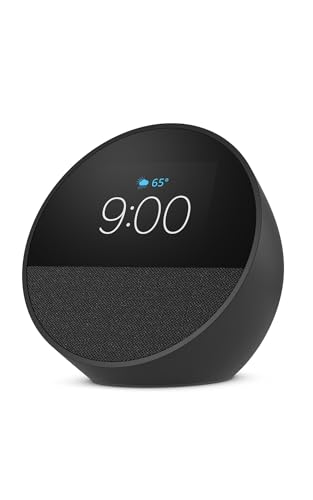



These aren’t just for playing music or checking the weather. When set up properly, devices like the Amazon Echo Dot ($40-50) or Google Nest Mini ($30-40) become sophisticated medication management systems that actually reduce your mental load.
Here’s what makes them revolutionary: They handle the remembering, the reminding, and even the tracking—all through simple voice commands that work from anywhere in the room.
Your mom doesn’t need to learn complex technology. She just needs to respond to a friendly voice saying, “Good morning! Time for your heart medication and vitamins.”
The magic happens when you stop being the sole backup system. Instead of your brain constantly tracking medication schedules, the device handles the mental load while you handle the care.
Ready to discover more innovative strategies for healthy, comfortable aging? Subscribe to our newsletter for expert-tested tips and product recommendations designed specifically for older adults.

Smart Speaker Options: Which Device Works Best for Families
Amazon Echo Dot ($40-50) – Best for Beginners
The Echo Dot excels at medication management because of its specialized “skills” designed for senior care. The “My Pill Reminder” skill can handle multiple people, complex schedules, and even track when medications were taken.
Setup is straightforward: “Alexa, remind Dad to take his blood pressure medication at 8 AM daily.” The device will provide clear, conversational reminders that feel natural, not robotic.
Google Nest Mini ($30-40) – Best for Integration
If your family already uses Google services, the Nest Mini seamlessly integrates with Google Calendar and Gmail. You can set up medication schedules remotely and receive updates on your phone when medications are taken or missed.
The natural conversation feature is particularly helpful: “Hey Google, did mom take her morning pills?” provides instant status updates.
Apple HomePod Mini ($99) – Premium Choice
For families already using iPhones and iPads, the HomePod Mini offers the smoothest integration with Apple’s Health app. This creates a comprehensive health monitoring system that can be shared with other family members and healthcare providers.
The key advantage of all these devices: They work through voice commands, which means seniors don’t need to learn new technology or remember to check their phones.

Professional-Level Setup: Making It Work for Complex Medication Schedules
Multi-Person Household Configuration
Managing medications for multiple family members requires strategic setup. Create separate voice profiles for each person so the device recognizes who’s speaking and provides personalized reminders.
For Amazon Alexa, set up household profiles through the Alexa app. Each family member gets their own medication schedule, reminder tone, and tracking system. This prevents confusion and ensures everyone gets the right reminders at the right time. Understanding safe medication practices for multiple prescriptions becomes even more important when managing medications for multiple family members.
Smart Integration for Enhanced Safety
Consider connecting smart lighting to create visual medication reminders. Philips Hue bulbs can flash specific colors when it’s time for medications—perfect for family members with hearing challenges.
Smart locks like August or Yale models can provide emergency access for family members when medications are missed. This is especially valuable for caregivers managing care from miles away where you need to coordinate care from another city.
Programming Complex Schedules
Modern medication schedules often involve multiple daily doses, PRN (as-needed) medications, and specific timing requirements. Voice assistants handle this complexity naturally:
“Alexa, remind Mom to take Metformin with breakfast daily at 8 AM.”
“Hey Google, remind Dad about his insulin before dinner.”
“Set weekly reminder for Mom’s medication refill pickup.”
Emergency Protocols and Family Coordination
Set up escalating alerts for missed medications. If your mom doesn’t confirm taking her morning pills, the system can text multiple family members and even call designated emergency contacts.
This creates a safety net that doesn’t rely solely on one person’s availability or memory.

Troubleshooting and Optimization for Real-World Success
Overcoming Senior Resistance to Technology
Start simple with just one daily medication reminder. Once your loved one experiences the value—no more forgotten pills or family worry—they’re usually open to expanding the system.
Use familiar language and natural speech patterns they’re comfortable with. Instead of “activate medication protocol,” try “time for your morning pills.”
Position the device where your senior spends the most time, usually the kitchen or main living area. Make sure the Wi-Fi signal is strong and consider a power backup system for reliability.
Family Coordination Strategies
Share access across multiple family members so siblings can modify settings or check compliance remotely. This distributes the caregiving responsibilities and reduces the burden on any single caregiver.
Set up weekly family check-ins to verify the system is working properly and make adjustments as medication schedules change. Most devices allow remote monitoring through smartphone apps, giving everyone peace of mind.
When Technology Meets Real Life
The most successful implementations combine technology with human touch. The device handles the routine reminding and tracking, while family members provide the emotional support and complex decision-making that seniors need.
For families dealing with dementia caregiving challenges, voice assistants can provide consistent, patient reminders without the emotional stress that sometimes accompanies family medication discussions.
Ready to discover more innovative strategies for healthy, comfortable aging? Subscribe to our newsletter for expert-tested tips and product recommendations designed specifically for older adults.
Real-World Impact: How Families Are Using Voice Technology
Multi-Generation Household Success
Families managing both elderly parents and spouses find voice assistants particularly valuable because different reminder voices can be set for different people. This reduces confusion and ensures everyone gets personalized medication support.
Professional Caregiver Applications
Home health aides and professional caregivers use these systems to coordinate with families across shift changes. The device provides continuity of care and documentation that helps everyone stay informed about medication compliance.
Long-Distance Caregiving Solutions
Adult children living in different cities report that voice-activated medication systems provide the peace of mind they need to function in their own lives. Instead of daily check-in calls filled with anxiety, they receive automated updates and only need to intervene when there’s an actual issue.
For families exploring what to do when aging parents refuse help, these systems can demonstrate how technology can maintain independence while ensuring safety.
Your Next Step: From Constant Worry to Automated Support
The transformation from constantly tracking medications in your head to having reliable, automated support can happen in less than an hour of setup time.
Start with one device and one daily medication reminder. Experience how it feels to not carry that mental load for just one day. Notice how your anxiety decreases when you know the reminding and tracking are handled automatically.
This isn’t about replacing human caregiving—it’s about using technology to handle the routine tasks so you can focus on what matters most: spending quality time with your loved ones instead of constantly worrying about their medication schedules.
Your caregiving journey should enhance your relationship with your family, not exhaust you with constant worry. Finally, here’s technology that actually makes caregiving easier, not harder.
Have you tried voice-activated reminders for medication management? What other caregiving tasks create the most mental load for your family? Share your experience in the comments—your insights might help another caregiver find the support they need.






![Woman attic opening family photo albums[1]](https://www.grayingwithgrace.com/wp-content/uploads/2025/12/woman_attic_opening_family_photo_albums1-e1765216154520-450x300.jpg)
![Senior man simple tv remote recliner[1]](https://www.grayingwithgrace.com/wp-content/uploads/2025/10/senior_man_simple_tv_remote_recliner1-e1761588172672-450x300.jpg)


