![Elderly woman cane museum docent[1]](https://www.grayingwithgrace.com/wp-content/uploads/2025/12/elderly_woman_cane_museum_docent1-e1767119473448.jpg)
You show up at the retirement community’s volunteer fair, excited to give back. But as you walk through, every opportunity seems designed for someone half your age.
“Must be able to lift 50 pounds.” “Requires standing for four-hour shifts.” “Physical stamina essential.”
You have four decades of professional expertise, a lifetime of problem-solving experience, and wisdom that only comes from truly living. Yet somehow, you’re being measured by whether you can stack boxes.
Here’s what might surprise you: The volunteer sector desperately needs what you have—and it’s not your muscles.
The most impactful volunteer roles today require judgment, perspective, emotional intelligence, and accumulated knowledge. Things that actually improve with age.
What if your greatest volunteer qualification isn’t what you can lift, but what you’ve learned?

Why Organizations Are Seeking Your Wisdom, Not Your Stamina
The volunteer landscape has fundamentally shifted over the past decade.
Nonprofits aren’t just looking for hands to do tasks anymore. They’re seeking strategic thinkers, experienced mentors, and people who can navigate complex situations with the calm that only comes from experience.
Consider this reality: A 25-year-old business school graduate can explain marketing theory. But you—with your 40-year career watching industries evolve, navigating economic downturns, and building professional relationships—you can explain why that theory works in the real world and when it doesn’t.
That’s irreplaceable wisdom.
Your life experience has given you unique qualifications that younger volunteers simply can’t match: nuanced judgment from decades of decision-making, emotional regulation from weathering life’s storms, perspective from seeing patterns across time, and credibility from having actually done what you’re now teaching.
Whether you’re managing arthritis, conserving energy for what matters most, or simply prefer seated activities, there are meaningful volunteer opportunities specifically designed around intellectual and emotional contribution rather than physical capacity.

Knowledge-Sharing Opportunities: Your Career Expertise Lives On
SCORE Mentoring: Business Wisdom That Changes Lives
SCORE connects retired executives and business owners with entrepreneurs who need exactly what you know.
Why your wisdom matters: You’ve lived through economic cycles, made hiring decisions, managed cash flow during tough times, and built professional networks. That real-world experience beats textbook knowledge every time.
How it works: Visit SCORE.org and complete a volunteer application. After a 3-4 hour online training, you’ll typically commit 4-6 hours monthly to client meetings—either virtual or in-person at local SCORE chapters. You choose your meeting format and schedule.
The impact: Forty percent of SCORE clients report revenue growth directly attributed to their mentor’s guidance. You’re not just giving advice; you’re literally helping businesses survive and thrive.
Financial Literacy Teaching: Share a Lifetime of Money Wisdom
Libraries, community centers, and senior centers constantly seek volunteers to teach basic money management classes.
Why your wisdom matters: You’ve made a lifetime of financial decisions—some brilliant, some you learned from. You’ve budgeted through inflation, saved for retirement, and navigated insurance mazes. That practical knowledge helps people avoid the mistakes you’ve seen (or made).
How it works: Contact your local library system, United Way agency, or credit unions seeking financial literacy volunteers. Most provide curriculum frameworks, so you’re not creating lessons from scratch. Classes typically run one hour, and you choose how frequently you teach.
The impact: Students consistently report measurable improvements—increased savings rates, reduced credit card debt, and greater financial confidence. Your one-hour class might change someone’s entire financial trajectory.
Grant Writing for Nonprofits: Turn Writing Skills Into Funding
If you have professional writing experience or strong research skills, nonprofits desperately need your help securing funding.
Why your wisdom matters: Grant writing requires persuasive communication, project understanding, research capability, and attention to detail—skills you’ve honed through decades of professional writing, reporting, or correspondence.
How it works: Search VolunteerMatch.org for “grant writing” or contact local nonprofits directly. This work is fully remote, operates on your schedule, and often centers around specific grant deadlines rather than ongoing commitments.
The impact: The grants you write directly fund programs. When you secure a $50,000 grant for a food bank, you’ve just funded thousands of meals. That’s concrete, measurable difference.
Board Member Service: Strategic Leadership That Shapes Organizations
Nonprofit boards need experienced professionals who can provide governance, strategic thinking, and network connections.
Why your wisdom matters: You understand organizational dynamics, can think strategically about long-term sustainability, bring decades of leadership experience, and often have professional networks that open doors for the organization.
How it works: Visit BoardSource.org or contact your local volunteer center about board matching services. Board service typically involves quarterly meetings (often hybrid or virtual) and email participation between meetings. Expect about 5-10 hours monthly.
The impact: As a board member, your decisions directly shape program direction, organizational sustainability, and community impact. You’re not just volunteering; you’re leading.
Ready to discover more innovative strategies for healthy, comfortable aging? Subscribe to our newsletter for expert-tested tips and product recommendations designed specifically for older adults.

Compassion-Based Opportunities: Your Life Experience Creates Healing Connection
CASA: Advocate for Foster Children Who Need Your Steady Judgment
Court Appointed Special Advocates represent foster children’s best interests in court proceedings and placement decisions.
Why your wisdom matters: CASA work requires mature judgment, emotional stability, life perspective on what children truly need, and the gravitas to advocate effectively with judges and caseworkers. Your age and experience make you more credible, not less.
How it works: Visit CASAforChildren.org to find your local program. You’ll complete 30 hours of training (often online or hybrid), then typically handle one case at a time with 10-15 hours monthly commitment. Most work involves meetings, phone calls, and report writing—all seated activities.
The impact: Eighty-nine percent of children with CASA advocates find permanent, safe homes. Your involvement literally changes the trajectory of a child’s entire life.
Hospice Companionship: Bring Comfort Through Presence and Perspective
Hospice volunteers provide emotional support and companionship to patients approaching end of life.
Why your wisdom matters: Younger volunteers often struggle with mortality conversations. You bring comfort with life’s natural cycle, perspective on what truly matters, and the emotional presence that only comes from your own life experience. Patients often find profound comfort in conversations with volunteers who have truly lived.
How it works: Contact local hospice organizations, which provide comprehensive training. Typical commitment is 2-4 hours weekly for bedside visits—seated conversations, reading aloud, or simply being present. Choose times that work with your energy levels.
The impact: Family members consistently report that hospice volunteers reduce patient anxiety, loneliness, and fear. Your presence brings measurable comfort during life’s most vulnerable moment.
Crisis Hotline Counseling: Your Calm Voice During Someone’s Storm
Crisis hotlines need emotionally mature volunteers who can provide calm, nonjudgmental support during mental health crises.
Why your wisdom matters: You’ve weathered life’s storms—job losses, health scares, relationship struggles, grief. That experience gives you emotional regulation, perspective-giving ability, and the calm presence that helps someone step back from crisis.
How it works: Organizations like Crisis Text Line and local crisis centers provide extensive training. Work from home, choose your own shifts (even 2-hour blocks), and provide phone or text support from your computer or phone. Fully seated work on your schedule.
The impact: You may literally save lives or prevent crisis escalation. Crisis counselors report that simply being heard and validated often helps callers move from crisis to coping.
Reading Tutoring: Patience and Encouragement That Unlocks Literacy
One-on-one reading tutors help children or adults gain literacy skills that change their lives.
Why your wisdom matters: Effective tutoring requires patience, individualized attention, genuine encouragement, and the ability to teach without judgment—skills that deepen with life experience. You’re not competing with professional teachers; you’re providing the individual attention that transforms struggling readers.
How it works: Contact local libraries, literacy councils, or ProLiteracy.org. Training is provided. Typical commitment is one hour weekly in quiet spaces—libraries, schools, community centers. Always seated, always one-on-one.
The impact: Students with consistent tutors advance multiple reading levels and gain confidence that transforms academic performance. Your hour each week might be the difference between a child falling behind or catching up.
Specialized Knowledge Opportunities: Your Unique Expertise Matters
Museum or Historical Society Docent: Share Deep Knowledge Through Storytelling
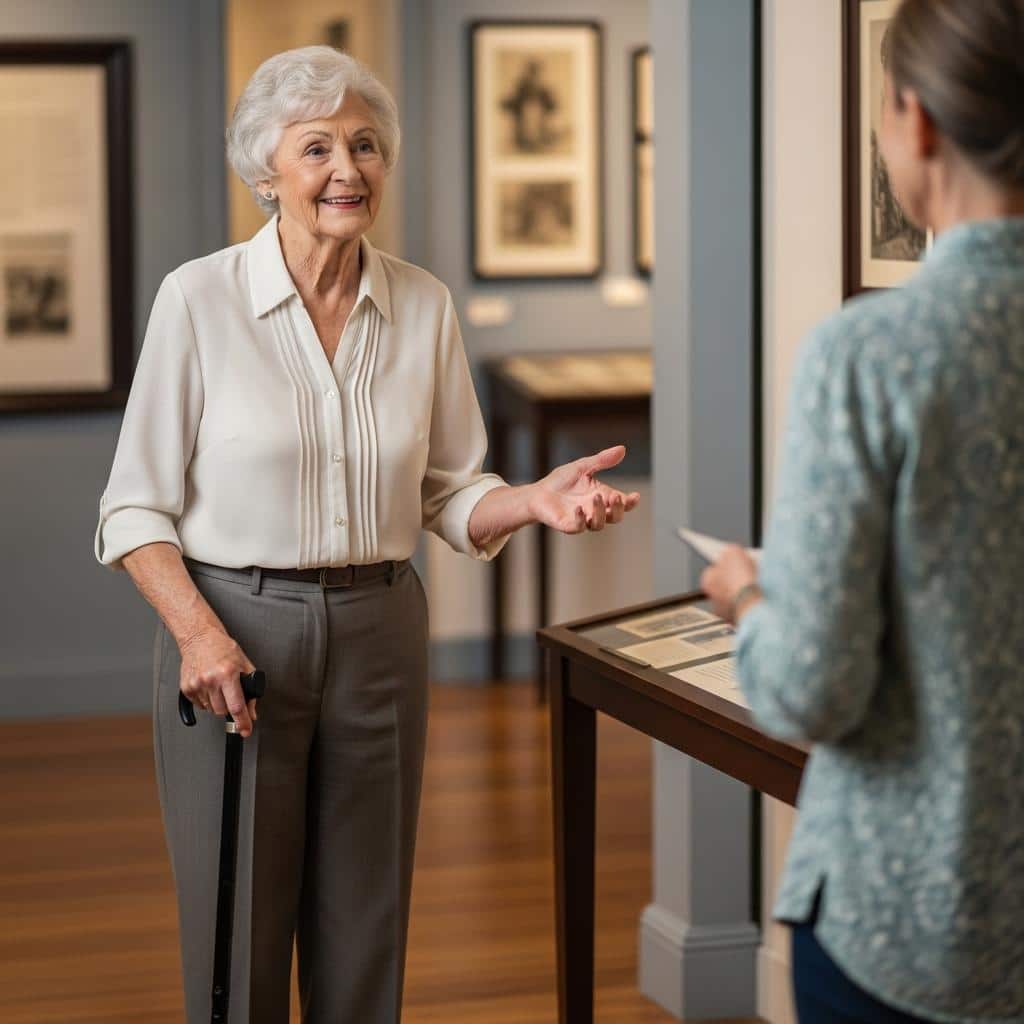
Museums and historical societies need volunteers who can bring exhibits to life through knowledgeable, engaging presentations.
Why your wisdom matters: Deep subject knowledge, historical perspective you’ve lived through, natural storytelling ability, and genuine enthusiasm for learning make you an ideal guide. Visitors remember docents who clearly love their subject.
How it works: Contact local museums, historical societies, or cultural institutions about docent programs. Comprehensive training provided. Choose between seated presentations, shorter tours, or research roles that are entirely behind-the-scenes. Flexible scheduling.
The impact: You make history accessible and engaging, particularly for younger visitors who benefit from hearing living memory rather than just reading plaques.
Genealogy Research: Connect Families to Lost Heritage
Help families trace ancestry, organize historical records, and digitize archives for genealogical societies.
Why your wisdom matters: Strong research skills, attention to detail, patience with archives, and often personal experience with genealogy research make you qualified. Plus, you may remember historical context that provides crucial research clues.
How it works: FamilySearch.org offers fully remote volunteer opportunities indexing historical records. Local genealogical societies need in-person help organizing archives (seated work). Work at your own pace on your own schedule.
The impact: Your work reunites people with lost family connections, helps adoptees find birth families, and preserves historical records for future generations. Each document you index might solve someone’s decades-long family mystery.
Oral History Interviewing: Preserve Community Stories Before They’re Lost
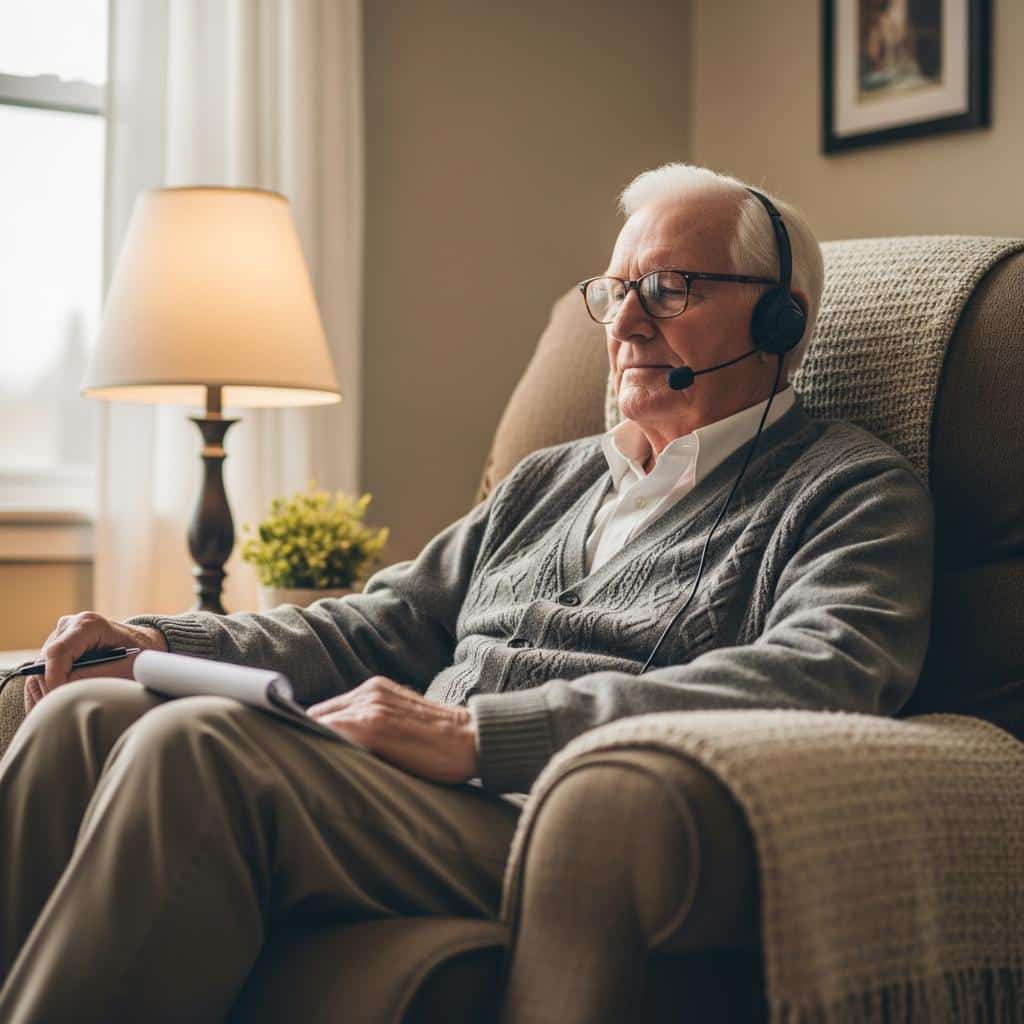
Document community stories, cultural traditions, and historical experiences through recorded conversations.
Why your wisdom matters: Effective oral history requires interview skills, cultural sensitivity, ability to make people comfortable sharing personal stories, and understanding of historical context. Your peer perspective often elicits richer stories than younger interviewers. Plus, engaging in meaningful conversations provides cognitive benefits that keep your mind sharp.
How it works: StoryCorps, local historical societies, and university oral history projects train volunteers in interview techniques and recording technology. Sessions are seated conversations, typically 1-2 hours, scheduled at mutual convenience.
The impact: Stories you record become permanent historical records, preserving voices and experiences that would otherwise be lost. Your interviews might be used by researchers, documentarians, and future generations discovering their heritage.
Tax Preparation Through VITA or TCE: Free Tax Help That Returns Thousands
Volunteer Income Tax Assistance (VITA) and Tax Counseling for the Elderly (TCE) programs provide free tax preparation for low-income families and seniors.
Why your wisdom matters: Tax preparation requires attention to detail, patience, financial understanding, and trustworthiness—all strengths that deepen with experience. You don’t need to be an accountant; training is comprehensive.
How it works: Visit IRS.gov/VITA or AARP Foundation Tax-Aide to find local programs. Complete free IRS training and certification (often online). Work is seasonal (January-April), typically 4-6 hour shifts at community sites. Entirely seated computer work. Choose your schedule.
The impact: Average tax refund for VITA clients exceeds $2,000—money that families desperately need but couldn’t afford professional preparation to access. You’re directly putting thousands of dollars into struggling families’ hands.
Ready to discover more innovative strategies for healthy, comfortable aging? Subscribe to our newsletter for expert-tested tips and product recommendations designed specifically for older adults.
Making Your Choice and Taking the First Step
With 12 distinct opportunities, how do you choose where to start?
Match to your professional background. Former teachers naturally gravitate toward tutoring. Business professionals thrive in SCORE mentoring or board service. Healthcare backgrounds translate beautifully to hospice companionship.
Consider your energy patterns. Are you sharpest in the morning? Do you prefer evening commitments? Does seasonal work (like tax preparation) appeal more than year-round commitment?
Assess your physical comfort level. Want fully remote work? Prefer short seated sessions in person? Need flexible scheduling around medical appointments? Each opportunity offers different accommodation.
Honor what genuinely interests you. The best volunteer work doesn’t feel like obligation. What topics do you naturally enjoy discussing? What stories do you find yourself sharing?
Your First Step Doesn’t Require Commitment
Start with one opportunity that genuinely excites you. Visit the organization’s website. Read about their training process. Many programs offer information sessions before you commit.
Expect comprehensive training—nearly every opportunity provides it. You’re not expected to know everything before you start. Organizations want your life wisdom; they’ll teach you their specific processes. If learning new technology feels overwhelming, remember that most organizations provide extensive tech support and training.
Try before fully committing. Many programs welcome short-term projects or trial periods. Board service often starts with committee participation. CASA programs let you observe court proceedings before applying.
Consider bringing a friend. Several opportunities—reading tutoring, museum docents, tax preparation—welcome volunteer pairs. Having a familiar companion makes starting less intimidating and can help you build new social connections while contributing meaningfully.
Addressing Your Concerns Head-On
“I’m not tech-savvy enough for remote work.” Most organizations provide technology training and ongoing support. Crisis Text Line, SCORE, and FamilySearch all offer comprehensive tech tutorials. Plus, many opportunities offer in-person alternatives.
“What if I can’t commit long-term?” Tax preparation is inherently seasonal. Grant writing works project-by-project. Oral history interviews happen one at a time. Many opportunities accommodate flexible or short-term commitment.
“I don’t have formal credentials in these areas.” Your life experience combined with provided training qualifies you. CASA doesn’t require legal degrees. Hospice doesn’t require medical background. SCORE doesn’t require MBA credentials. They want your wisdom, which no degree can provide.
“I worry about being taken seriously.” This concern is completely understandable, but here’s the truth: Organizations specifically seek older volunteers precisely because of the credibility, judgment, and gravitas that come with age. Your confidence in your own pace and capabilities actually makes you more effective in these roles.
Building Sustainable Volunteer Engagement
Once you’ve chosen your volunteer path, finding community around your new activity can transform it from a task into a fulfilling part of your social life.
Many organizations host volunteer appreciation events, training workshops, and informal gatherings where you’ll meet others contributing their wisdom. These connections often become friendships that extend beyond volunteering.
Consider documenting your volunteer journey. Whether it’s through photos, journal entries, or stories shared with family, capturing these experiences helps you recognize your ongoing impact and creates meaningful legacy.
Your Wisdom Is What Your Community Needs Most
Your decades of accumulated experience—professional expertise, emotional intelligence, life perspective, nuanced judgment, calm presence—represent exactly what the volunteer sector needs most.
These 12 opportunities don’t accommodate your physical limitations. They celebrate your intellectual and emotional strengths.
The volunteer work that values your mind over your muscles isn’t “volunteering despite your age.” It’s volunteering because of your age—because the wisdom you’ve accumulated makes you uniquely qualified to change lives, shape organizations, and preserve legacies.
Choose one opportunity that genuinely resonates with your experience and interests. Visit the website. Fill out the application. Your community needs exactly what you have to offer, and you’ll discover that contributing your wisdom brings profound fulfillment in ways physical volunteering never could.
Your next chapter of meaningful contribution starts with a single click.
Which opportunity resonates most with your experience and interests? Share in the comments what skills you’re excited to contribute—your perspective might inspire another reader to take that first step toward meaningful volunteer work that values what you know, not what you can lift.