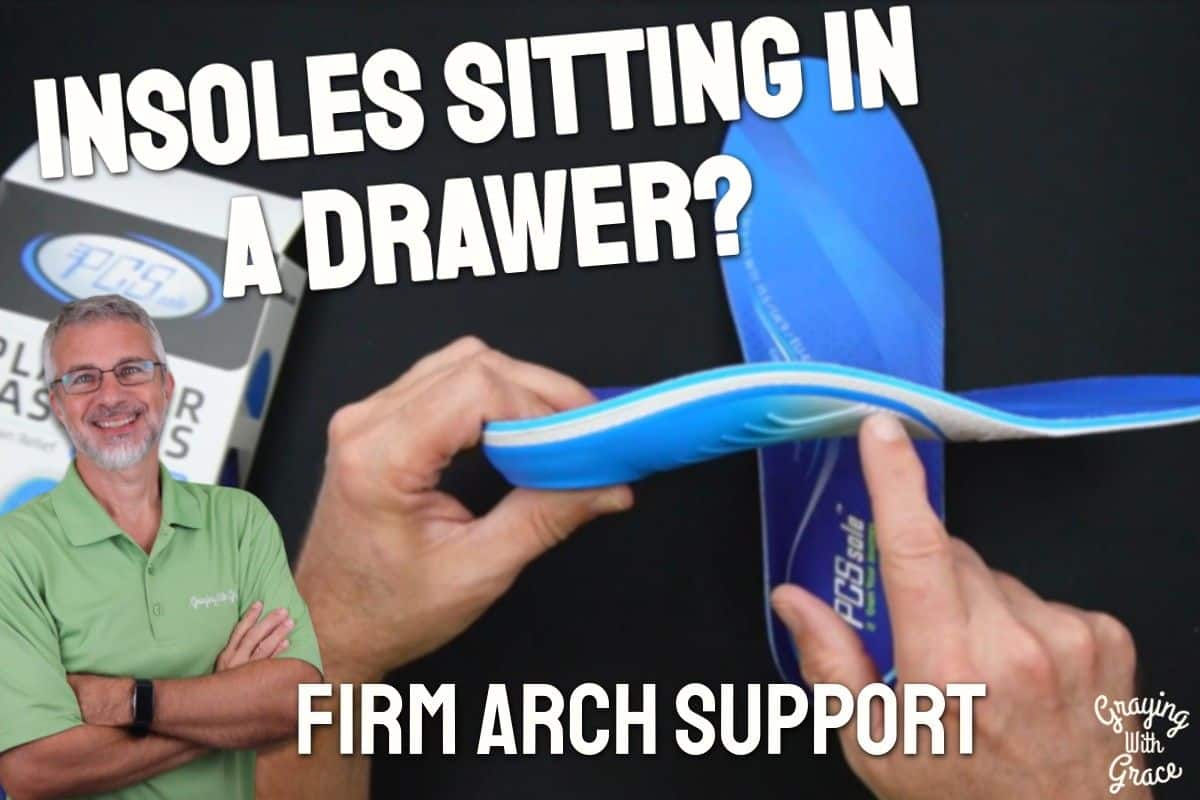
You know that moment when you swing your feet off the bed in the morning and the first step sends a sharp jolt through your heel? That is not just soreness. That is plantar fasciitis saying good morning — and it can quietly start shrinking the life you want to live.
Foot pain changes everything. It makes you think twice before taking a walk, hesitate before standing up, and skip activities you used to enjoy without a second thought. The frustrating part is that most over-the-counter insoles promise relief and deliver almost nothing.
I am Scott Grant, a Certified Senior Advisor (CSA) and Senior Home Safety Specialist (SHSS) at Graying With Grace. I personally evaluated the PCSsole Pro Plantar Fasciitis Insoles to find out whether they offer genuine mechanical support or just another cushioned disappointment. Here is what I found.

Quick Takeaways
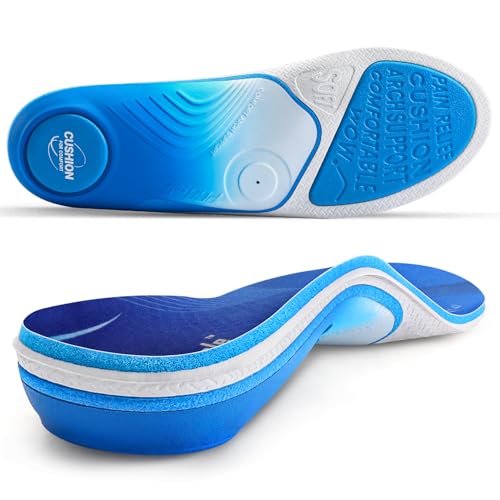
- Problems solved: Plantar fasciitis, heel pain, flat feet, overpronation, and discomfort from standing all day
- Who benefits most: Older adults — especially those over 240 lbs — who need real structural support, not just padding
- Worth the investment? Yes, as a cost-effective step before pursuing expensive custom orthotics
- Best feature for seniors: The deep heel cup that cradles and stabilizes the heel with every step
- Biggest limitation: The firm arch takes getting used to — plan for a gradual break-in period
How This Could Help You
Think about what your day looks like when foot pain is running the show. Maybe you are cutting grocery trips short, skipping the grandkids’ ball game, or avoiding that morning walk your doctor keeps encouraging you to take.
The PCSsole Pro Plantar Fasciitis Insoles are designed to interrupt that cycle. By providing firm arch support and a deep heel cup, they address the mechanical root of the problem — not just the symptom.
Overpronation, which is when your foot rolls inward with each step, is a major driver of plantar fasciitis and heel pain. Most budget insoles ignore this entirely. These do not.
If you spend long stretches on your feet — whether cooking, gardening, or doing light errands — the shock-absorbing cushioning at the heel and ball of the foot can make a measurable difference by the end of the day.
Important Details You Should Know
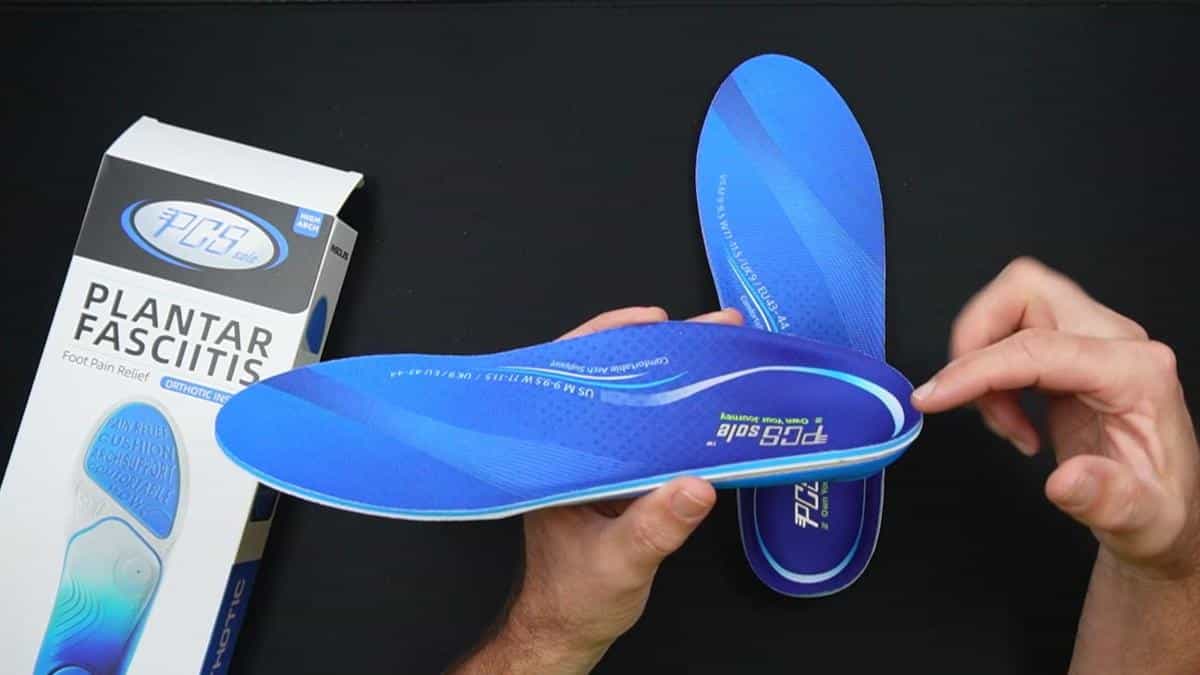
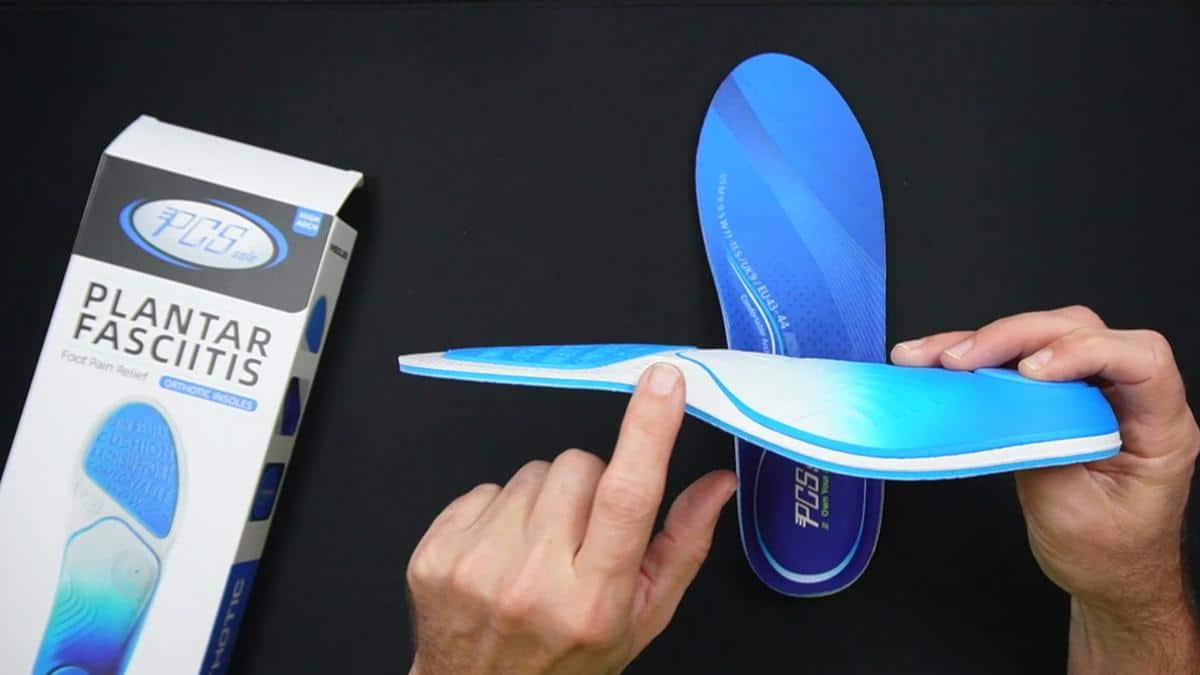
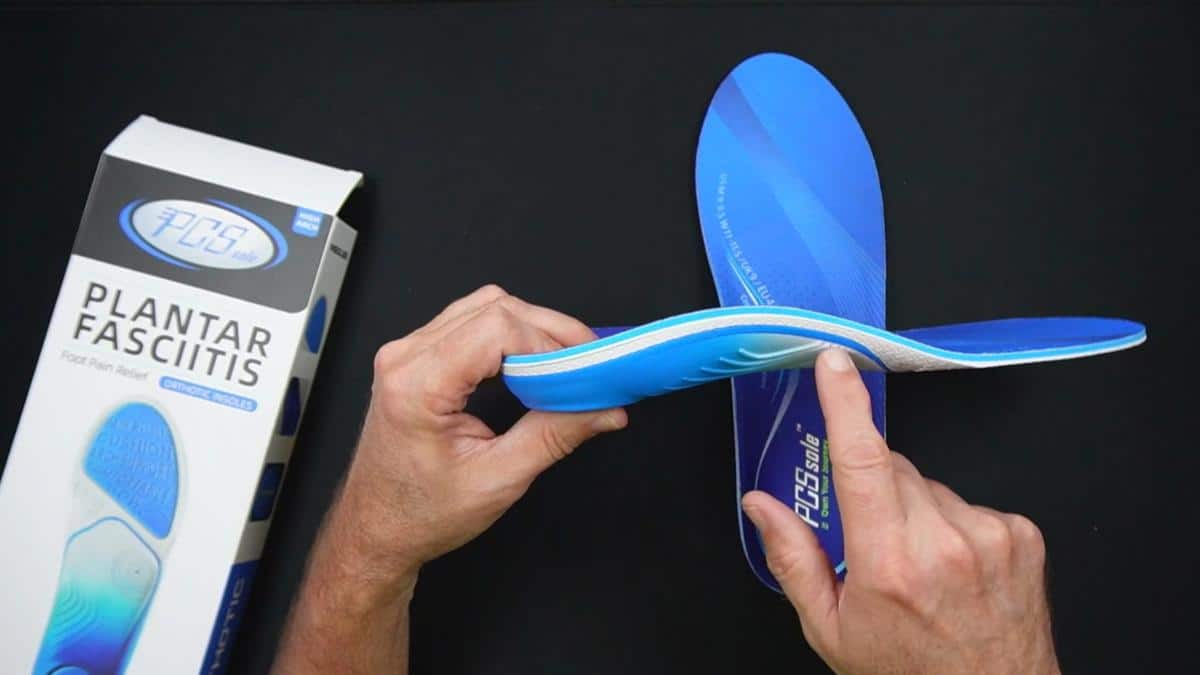
These insoles have a pronounced, visible arch. When I evaluated this product, I noticed that you can clearly see the arch height from the side — and that is entirely intentional. This is a high arch support insert, not a flat comfort pad.
The top layer is a soft fabric material. It will not feel scratchy or rough against your foot, and it is designed to grip the inside of your shoe rather than slide around.
Cushioning is strategically distributed — thicker at the heel and ball of the foot where impact is highest, while the arch zone stays firm to do its structural job. As I demonstrated in the video, you can feel the difference in give when you press those areas directly.
These insoles come in a range of sizes. If you are between sizes, always size up — you can trim the toe end to fine-tune the fit. Never trim the heel or arch area, as those are the functional zones.
Getting Started
Getting these insoles into your shoes is straightforward. Remove the original factory insoles from your shoes first — do not layer these on top of them.
Drop the PCSsole Pro Plantar Fasciitis Insoles in as a direct replacement. In the video, you can see that they fit snugly into a standard dress shoe with minimal adjustment needed.
For shoes with very narrow toe boxes, a light trim along the front edge is all you need. Just use a pair of sturdy scissors and follow the natural contour of the insole.
No tools, no adhesives, no complicated setup. From package to shoe in under two minutes.
Ready to discover more innovative strategies for healthy, comfortable aging? Subscribe to our newsletter for expert-tested tips and product recommendations designed specifically for older adults.
Features That Matter to You
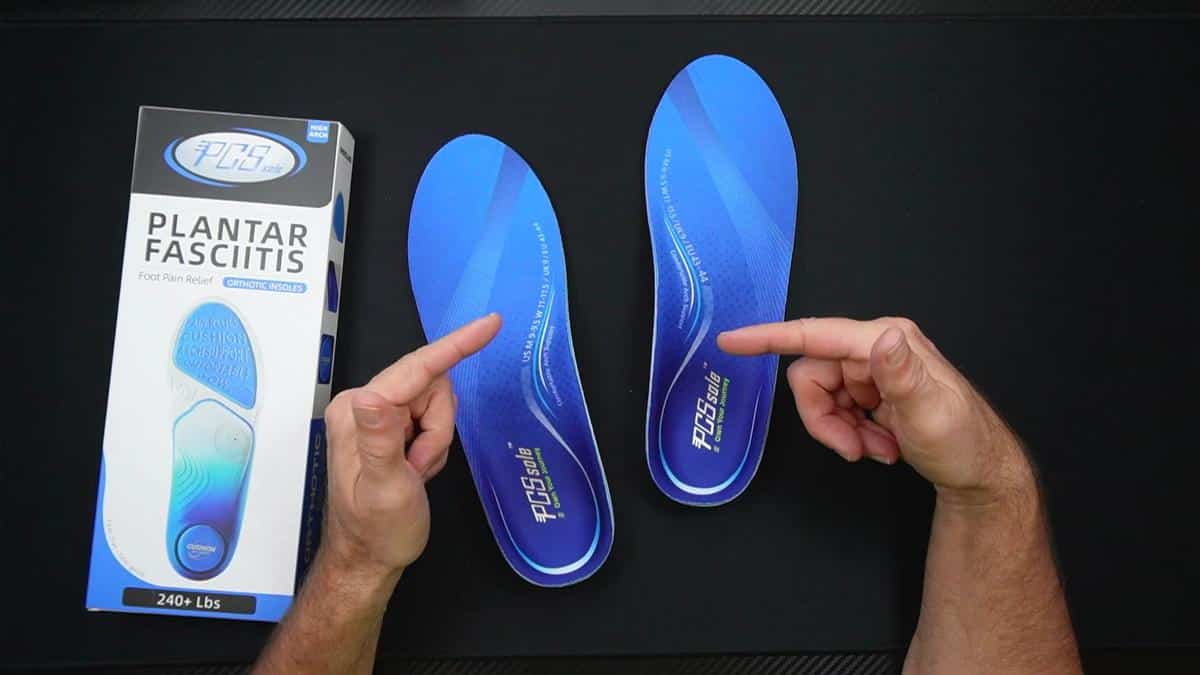
The deep heel cup is the feature I keep coming back to. When I evaluated this product, I noticed how it cradles the heel rather than just sitting passively underneath it. That cradling action is what stops the foot from rolling inward — which is the mechanical chain reaction that leads to plantar fasciitis pain.
The firm arch is not just a shape — it actively holds your foot in proper alignment through each step. As I demonstrated in the video, this is a fundamentally different experience than flat gel insoles, which compress and lose their shape almost immediately.
The soft fabric top layer matters more than people realize. Rough or slippery surfaces inside a shoe increase discomfort and shift your focus from walking confidently to managing irritation. This surface stays put and feels comfortable throughout the day.
The PCSsole Pro Plantar Fasciitis Insoles are also versatile enough to move between shoe types. Athletic shoes, casual sneakers, boots, and dress shoes — you are not buying a specialized insert that only works with one pair.
For individuals weighing 240 pounds or more, the heavy-duty design means the arch structure and cushioning are built to hold up under greater load. Standard insoles often flatten out quickly for heavier users. These are reinforced specifically for that.
Real Life Experience
Let me be honest with you about what the first day feels like. When I evaluated this product, I noticed immediately that the arch is assertive. If you have been living with flat gel insoles, this will feel like a significant change the moment you put weight on your foot.
That is not a warning — it is a heads-up. As I demonstrated in the video, the firmness is intentional and is exactly what provides the structural support. But most people need several days to adjust, and that is completely normal.
Start by wearing them for a couple of hours at a time during the first few days. Work your way up gradually rather than committing to a full day right out of the gate. Your feet will thank you for the patience.
In the video, you can see that the cushioning at the heel and the ball of the foot gives noticeably more than the arch zone. That targeted absorption is what reduces the pounding feeling you get after standing or walking on hard floors for extended periods.
The fabric top layer holds up well to daily use and does not bunch or shift inside the shoe. Maintenance is simple — wipe down with a damp cloth as needed and allow them to air dry fully before wearing again.
Will You Be Able to Use It?
Inserting and removing these insoles is a low-effort task. If you can lift a shoe and slide an insole in and out, you can use these independently without any assistance.
Trimming the toe end, if needed, requires a steady hand and a pair of scissors. If dexterity is a concern, a caregiver or family member can handle the trim in about thirty seconds.
There are no batteries, no apps, no charging, and no technology to navigate. These are entirely passive — they simply go in your shoes and do their job.
Important Considerations
These insoles are not the right choice for everyone. If you have been told by a podiatrist that you need a custom orthotic for a specific structural condition, this product is not a substitute for that prescription-level intervention.
People with very sensitive feet or neuropathy should introduce these gradually and pay close attention to how their feet respond. The firm arch can feel uncomfortable if there is already significant nerve sensitivity in the area.
If your arches are extremely high, the arch height of the insole needs to align with your foot — not press painfully into it. As I mentioned in the video, give it a few days of wear before deciding whether it is the right fit for your specific arch shape.
These are also not designed for open-back footwear like slippers or sandals. They need an enclosed shoe to stay properly positioned and do their job effectively.
Always consult with your doctor, podiatrist, or occupational therapist before making health-related product decisions, especially if you have diabetes, neuropathy, or a diagnosed foot condition.
Help When You Need It
PCSsole sells through Amazon, which means you have access to Amazon’s standard return window if the insoles are not the right fit for you. Check the product listing for the most current return and warranty terms.
Customer questions can be submitted through the Amazon product page, where the brand has been responsive to sizing and fit inquiries. If you are unsure about sizing before purchasing, their guidance is consistent: match your shoe size and size up if you are between sizes.
Understanding the Cost
Custom orthotics from a podiatrist can cost several hundred dollars — sometimes more — and often require multiple appointments. The PCSsole Pro Plantar Fasciitis Insoles sit at a fraction of that investment while delivering the kind of structural arch support that most budget insoles simply do not provide.
Think of these as a smart first step. If you have not yet tried a firm orthotic-style insert and you are considering the custom orthotic route, these give you an opportunity to experience structured support at a much lower commitment.
If these insoles make a meaningful difference in your day-to-day comfort, that is useful information in itself — both for your own quality of life and for any future conversations with your podiatrist.
Making It Work for You
Start slow. Seriously. Wear these for two to three hours on the first day, then add an hour or two each subsequent day. Rushing the break-in period is the most common mistake people make with firm orthotic insoles.
When trimming the toe end, follow the original insole shape as a template. Place the new insole on top of the factory insole and trace the toe contour before cutting. Always trim conservatively — you can always take a little more off, but you cannot add it back.
Pair these insoles with supportive, well-fitted footwear for best results. A great insole inside a worn-out or floppy shoe will only do so much. If your current shoes have seen better days, that is worth addressing alongside the insole upgrade.
If you have been managing heel pain or plantar fasciitis, consider doing a few minutes of gentle calf stretches each morning before your first steps. That combination of stretching and structural insole support tends to produce better outcomes than either approach alone.
Our Recommendation
If foot pain has started quietly editing your daily life — fewer walks, shorter outings, more time sitting — the PCSsole Pro Plantar Fasciitis Insoles are worth a serious look. They deliver real structural support in a way that most over-the-counter insoles simply do not.
They are particularly well-suited for older adults dealing with plantar fasciitis, heel pain, flat feet, or overpronation — and especially for those over 240 pounds who need reinforced support that holds up over time.
If you have already been through the custom orthotic process and have a prescription device, these are not a replacement for that. And if your foot condition is complex or medically managed, start the conversation with your podiatrist before making any changes.
But if you are at the stage where foot pain is a growing concern and you have not yet found something that actually works? This is a practical, honest option to try before spending significantly more.
Where to Get It
You can check current availability and pricing for the PCSsole Pro Plantar Fasciitis Insoles through the link below — it will take you directly to the Amazon listing. I use an affiliate link, which means I may earn a small commission at no extra cost to you.
Conclusion
Foot pain is one of those things that sneaks up on you and then suddenly seems to be in charge of your schedule. The good news is that real structural support — the kind that actually addresses the mechanics of the problem — does not have to come with a custom orthotic price tag.
The PCSsole Pro Plantar Fasciitis Insoles give you a firm, honest arch and a deep heel cup that does what it is supposed to do. Give them a proper break-in period, start gradually, and see what a difference real support makes.
Have you ever had a podiatrist recommend a specific type of insole, or have you been trying to figure it out on your own? Drop a comment below — your experience might be exactly what another reader needs to hear.