

You’ve been eating carefully for years.
Watching the fat. Cutting back on fish because someone mentioned cholesterol. Choosing low-fat everything because that’s what the guidelines said. By every measure, you’ve been doing the right things.
But here’s what a growing body of research is quietly revealing: some of the foods you stopped eating years ago may be exactly what your brain needs most right now.
This isn’t about blame or regret. It’s about knowledge — and three specific, science-backed foods that researchers studying cognitive longevity keep coming back to again and again. One of them is almost certainly something you gave up long ago, thinking you were being smart about your health.
Brain health is one of the deepest concerns I hear from the older adults I’ve worked with over the past two decades. Staying sharp, staying independent, staying yourself — that matters more than almost anything else. The good news is that protecting your cognitive health isn’t complicated or expensive. It starts at the grocery store.
Let me introduce you to the research framework behind these findings, and then walk you through each of the three foods — including why the most important one is probably the one you eliminated first.

What the MIND Diet Actually Is — And Why It’s Different From “Eating Healthy”
It Was Designed Specifically for the Aging Brain
The MIND diet — short for Mediterranean-DASH Intervention for Neurodegenerative Delay — isn’t just another healthy eating plan. It was developed by researchers at Rush University Medical Center specifically to target the nutritional needs of the aging brain.
That distinction matters more than it might seem.
Most general dietary advice is built around heart health or weight management. The MIND diet was built around a different question entirely: what does the brain need to stay healthy as it ages past 65?
The Brain Ages Differently — And Needs Different Fuel
After 65, the brain uses energy and processes nutrients differently than it did in your 40s or 50s. Neuroinflammation becomes a larger factor. The clearance of cellular waste slows. The structural integrity of nerve fibers requires more intentional nutritional support.
General “healthy eating” advice doesn’t always account for this. The MIND diet does.
The Three Foods It Keeps Coming Back To
Across multiple studies — including the landmark trial published in Alzheimer’s & Dementia that showed slower rates of cognitive decline in MIND diet followers — three foods consistently emerge as the most protective for brain aging after 65:
- Fatty fish (for omega-3 fatty acids, particularly DHA)
- Blueberries and dark berries (for polyphenols, particularly anthocyanins)
- Extra virgin olive oil (for oleocanthal and brain-protective monounsaturated fats)
This isn’t a restrictive diet. Think of it as a set of food priorities you can layer onto whatever you’re already eating — no overhaul required.

Brain Food #1 — The Healthy Fat Most Seniors Cut Out First
Why Omega-3s Matter More Than You Were Told
If you stopped eating fish in the 1980s or 90s because of low-fat dietary advice, you weren’t doing anything wrong. You were following the guidance that was available at the time.
But what the research is starting to clarify is that those decades of fat reduction may have come with an unintended cost — particularly for the brain.
Omega-3 fatty acids, specifically DHA (docosahexaenoic acid), are not optional extras for brain function. They are structural components of brain cell membranes. Your brain is roughly 60% fat, and DHA makes up a significant portion of that.
What DHA Actually Does in Your Brain
Here’s what DHA is working on every day:
- Maintaining myelin integrity — the protective coating around nerve fibers that allows signals to travel quickly and clearly
- Reducing neuroinflammation — the chronic, low-grade inflammation that researchers increasingly associate with accelerated cognitive decline
- Supporting memory consolidation — the process by which short-term experiences become long-term memories
When DHA is chronically low, the brain doesn’t just miss a nutrient. Over time, research suggests it can contribute to slower processing speed, increased brain fog, and accelerated memory decline.
Why Fish Matters More Than Flaxseed
You may have heard that you can get omega-3s from plant sources like flaxseed. That’s technically true — but there’s an important catch.
Flaxseed contains ALA, a plant-based omega-3 that the body must convert into DHA before the brain can use it. In younger adults, that conversion is already inefficient. In older adults, it becomes even less reliable.
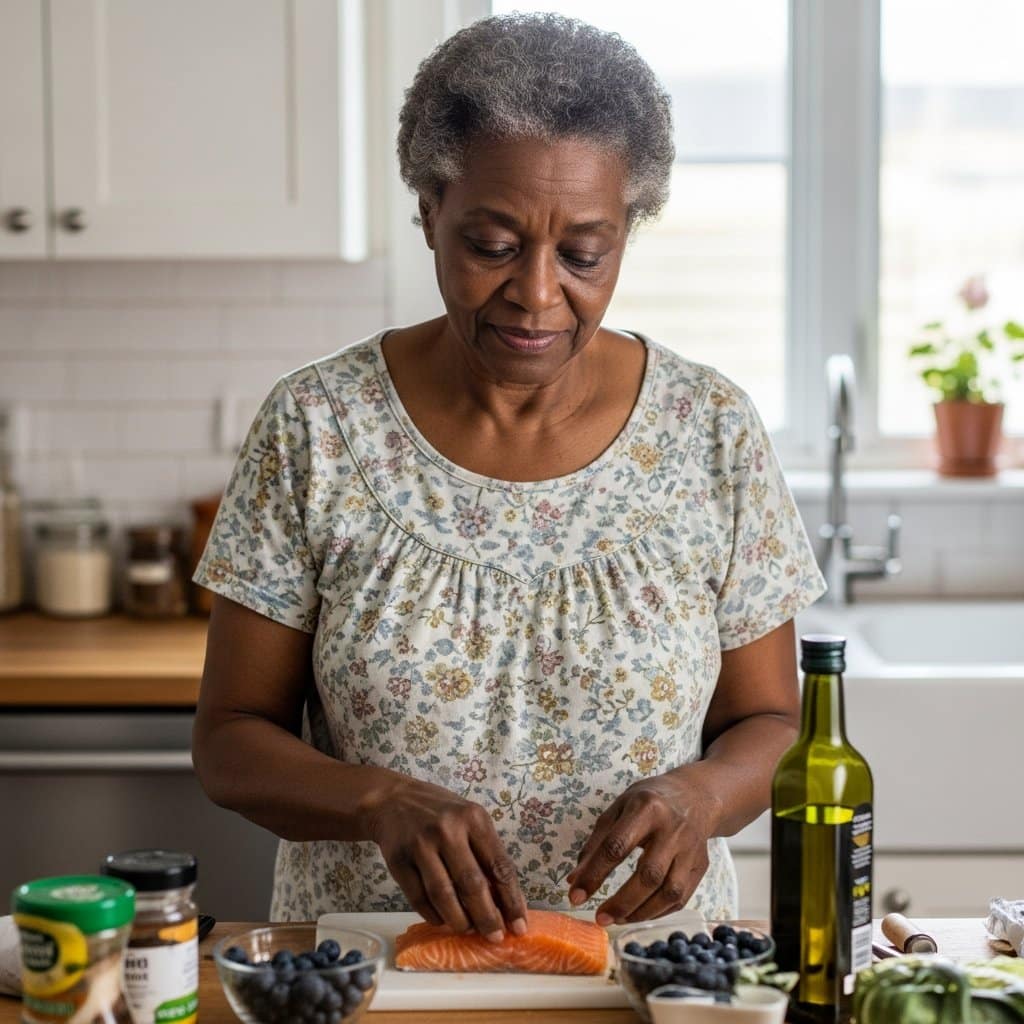
Fatty fish — salmon, sardines, mackerel, herring — deliver DHA directly, with no conversion required. That’s why the MIND diet specifically emphasizes fish, not flaxseed oil.
What “Twice a Week” Actually Looks Like
The research standard that appears most consistently in cognitive studies is two servings of fatty fish per week. That doesn’t have to mean an elaborate dinner:
- A salmon fillet with roasted vegetables
- Sardines on whole-grain crackers with a squeeze of lemon
- Canned mackerel stirred into a simple pasta
- Smoked herring on a salad
These are affordable, accessible meals. And for your brain, that second serving of salmon each week may be one of the most targeted investments you can make.
A Note on Supplements
For readers who don’t enjoy fish or have dietary restrictions that make regular fish intake difficult, omega-3 fish oil supplements or algae-based DHA supplements (the latter being appropriate for those avoiding fish entirely) are widely used options for closing the nutritional gap.
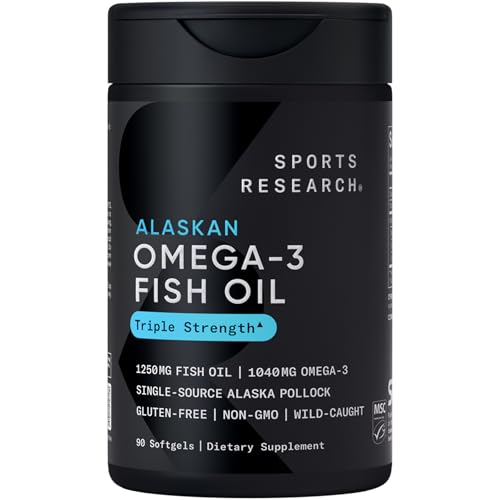
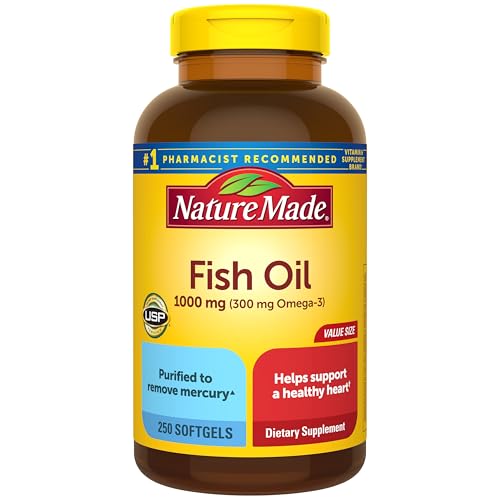

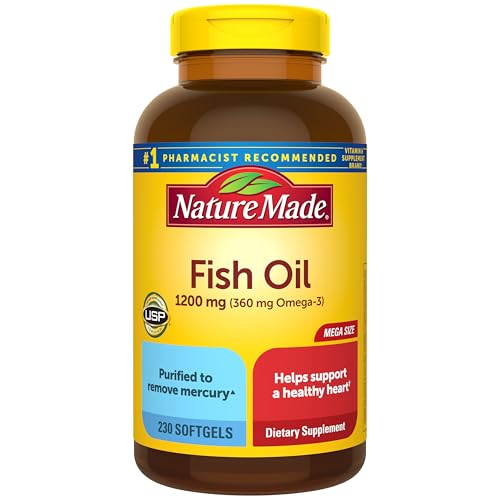

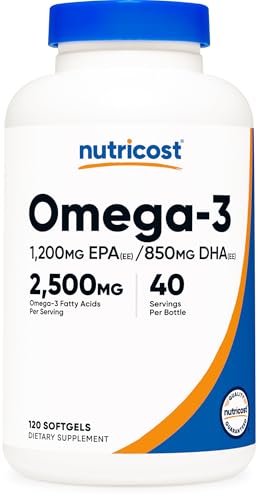

Quality does vary — look for products with third-party testing and a clear DHA content listed on the label.
But food first, whenever possible. The research behind fish is specifically about the food, not isolated capsules.

Brain Food #2 — The Tiny Fruit With Outsized Impact on Memory
What Polyphenols Are (In Plain Language)
Blueberries contain compounds called polyphenols — specifically a class called anthocyanins, which give them their deep blue-purple color. These aren’t just antioxidants in the general sense.
Anthocyanins can cross the blood-brain barrier, which most compounds can’t. Once inside, they appear to directly influence the brain’s ability to form new connections, reduce oxidative stress, and support memory function.
The aging brain responds to polyphenols differently — and more significantly — than a younger one. Researchers at Tufts University have published multiple studies showing measurable improvements in memory and processing speed in older adults who consumed blueberries regularly, with effects becoming more pronounced after 65.
What the Research Actually Shows
Across MIND diet trials and independent blueberry studies, the consistent finding is this: older adults who consume dark berries several times a week show slower rates of memory decline compared to those who don’t.
The serving size used in most studies isn’t dramatic — roughly half a cup, three to four times per week.
Not pounds of berries. Half a cup, a few times a week.
Want more practical, science-backed strategies for aging well and staying sharp? Subscribe to the Graying With Grace newsletter for trusted guidance on brain health, home safety, and living independently — delivered straight to your inbox.
Fresh, Frozen, or Freeze-Dried — It Doesn’t Matter
One of the most common objections I hear is cost. Fresh blueberries can be expensive, especially out of season. Here’s the reassuring truth: frozen blueberries are just as nutrient-dense as fresh, and often more affordable year-round.
Freeze-dried options work equally well. The polyphenol content survives the freezing and drying process effectively.
Keep a bag of frozen blueberries in your freezer as a permanent staple. Add a handful to morning oatmeal, yogurt, or a smoothie. It takes less than 30 seconds and delivers meaningful brain-protective nutrition with almost no friction.
Other polyphenol-rich options that offer similar benefits include blackberries, strawberries, and purple grapes — variety is genuinely fine.
A Note on Supplements
For readers who travel frequently or find consistent berry intake difficult to maintain, blueberry extract supplements and broad-spectrum polyphenol supplements have become popular in the brain health category.


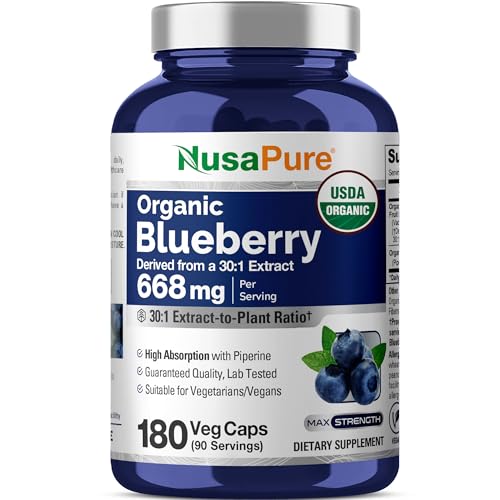


As with omega-3s, third-party testing matters — look for standardized anthocyanin content on the label.

Brain Food #3 — The Kitchen Staple Linked to Lower Alzheimer’s Risk
What Makes Extra Virgin Olive Oil Different
Not all cooking oils are created equal, and the difference matters significantly for brain health.
Extra virgin olive oil (EVOO) contains a compound called oleocanthal that you won’t find in vegetable oil, canola oil, or margarine. Researchers studying it have found something remarkable: oleocanthal appears to support the clearance of amyloid plaques — the protein buildups in the brain that are strongly associated with Alzheimer’s disease.
This isn’t a niche finding. It’s been replicated across multiple research groups and is one of the reasons Mediterranean diet patterns consistently show up in cognitive health data.
What the Research Tells Us
Both the Mediterranean diet and the MIND diet data connect regular olive oil consumption to lower rates of cognitive decline in older adults. The practical amount that appears most consistently in research is one to two tablespoons daily — an amount that fits naturally into normal cooking without any special effort.
How to Use It Without Overthinking It
You don’t need new recipes. EVOO works as a direct swap for the oils and fats you’re probably already using:
- Replace vegetable oil in sautéing and roasting
- Use it as a salad dressing base — a drizzle of EVOO with lemon and a pinch of salt
- Swap margarine or butter on bread with a small pour of quality olive oil
- Finish cooked vegetables with a drizzle before serving
This is an upgrade to what you’re already doing, not an addition.
Quality Matters More Than You Might Think
Not every bottle labeled “olive oil” delivers the same polyphenol content. For brain-protective benefits, look for:
- “Extra virgin” specifically (not “pure” or “light” olive oil)
- Cold-pressed on the label
- A harvest date within the past 12 to 18 months (fresher means higher polyphenol content)
- Certified origin when possible — California Olive Ranch, for example, uses transparent sourcing
One of the most well-studied brain-protective compounds in nutritional science is sitting in a $12 bottle at your grocery store. It’s one of the most accessible upgrades available.
A Note on Supplements
For older adults who find daily cooking quantities inconsistent or who want additional support, high-quality certified extra virgin olive oil sourced from verified producers has become a popular recommendation in the longevity space.


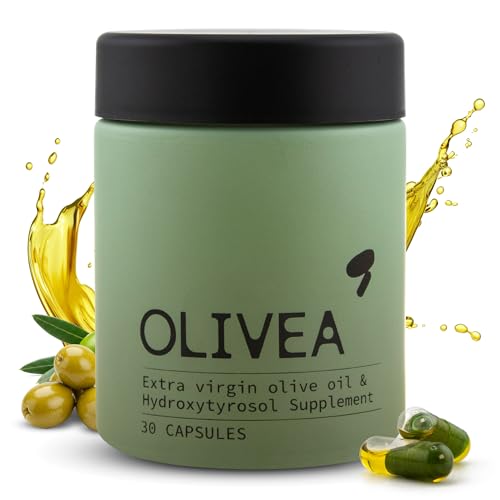

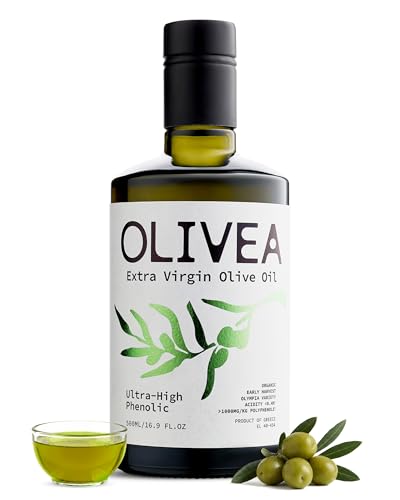

Some also incorporate olive leaf extract supplements, which concentrate certain polyphenols found in EVOO for those whose dietary intake is variable.
How to Build These Three Foods Into Your Week Without Overhauling Your Kitchen
The Brain Trio — A Simple Weekly Rhythm
The biggest obstacle to better brain nutrition isn’t information. It’s implementation.
Here’s the practical rhythm that research supports — and that I’ve seen work for older adults I’ve worked with over the years:
- Fatty fish: Once or twice a week (two servings is the research target; one is a meaningful start)
- Blueberries or dark berries: Three to four times per week (half a cup, any form)
- Extra virgin olive oil: Daily, as your default cooking and finishing fat
That’s it. No new meal plan. No special shopping trip beyond picking up a bag of frozen blueberries and a bottle of good olive oil.
Layer Onto What You’re Already Doing
These three foods don’t require a new relationship with food. They layer onto whatever you’re already eating:
- Add blueberries to the oatmeal you already make
- Swap the oil you already cook with for EVOO
- Add one fish dinner to the weekly rotation you already have
Think of it as a “brain trio” you scan for at each grocery trip. If all three are covered this week, your brain is getting what the research says it needs.
Start With One, Not Three
If adding all three at once feels like too much, don’t. Pick the one that feels most accessible and start there this week.
For most people, that’s blueberries — frozen, affordable, and effortlessly added to breakfast. For others, it’s swapping cooking oils. For some, it’s putting salmon back on the menu for the first time in years.
One meaningful change, repeated consistently, matters more than a perfect plan that never gets started.
For readers who want to consolidate their brain health supplement routine, brain health supplement bundles combining omega-3s, polyphenol extracts, and other cognitive support compounds have grown in popularity among older adults looking for an all-in-one approach.
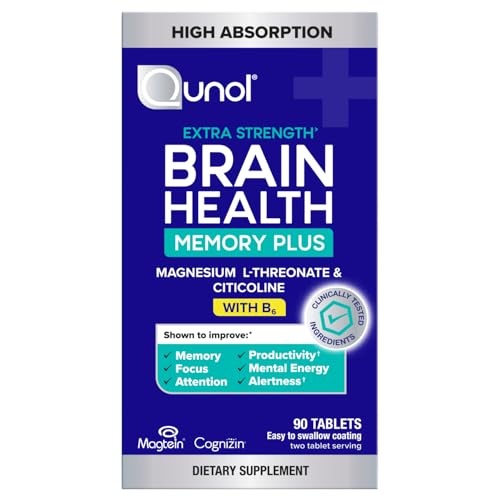


When evaluating these products, prioritize third-party testing, transparent sourcing, and clear labeling of active compound amounts.
Ready to discover more science-backed strategies for living well as you age? Subscribe to the Graying With Grace newsletter for practical guidance on brain health, home safety, and staying independent — delivered straight to your inbox.
Your Brain Deserves to Be Fed Well
Here’s the core insight worth carrying forward: protecting your cognitive health after 65 doesn’t require exotic superfoods, expensive protocols, or a complete reinvention of how you eat.
Three foods — fatty fish, blueberries, and extra virgin olive oil — have some of the strongest research behind them for cognitive longevity. And the most important shift for many older adults may be as simple as putting back what was taken away during decades of well-intentioned but incomplete dietary advice.
You were trying to take care of yourself. That’s never something to regret. Now you have updated information — and a clearer, simpler path forward.
Caring for your brain is one of the most meaningful investments you can make in your independence and quality of life. You have more influence over this than you may have been told. And the tools to start are already available — probably within a short walk of where you’re sitting right now.
I’d love to hear which of the three foods you’re planning to add back first. Or if you have questions about working these into your current eating habits, drop them in the comments — your experience might be exactly what someone else needs to hear.
Want to explore more ways to support your health and independence? You might find these helpful:
- Wondering how to keep your energy steady throughout the day? Read about understanding your personal energy patterns and how fitness trackers can help older adults stay active and aware.
- Staying socially connected is just as important for your brain as what you eat. See how combating senior loneliness through hobbies and engagement supports cognitive health over time.
- If joint discomfort is making it harder to stay active or sleep well, explore whether adjustable beds may help with arthritic hip pain — because good sleep is when the brain does much of its restorative work.
- For those managing meals with mobility or grip challenges, this guide to kitchen utensils for arthritic hands can make cooking these brain-healthy foods easier and more enjoyable.
- And if you’re thinking about fall prevention as part of your overall independence plan, the ultimate fall prevention checklist is a practical place to start.

![Keep older woman reviewing photo album armchair[1]](https://www.grayingwithgrace.com/wp-content/uploads/2026/05/KEEP-older_woman_reviewing_photo_album_armchair1-1-e1778623130749-450x300.jpg)


