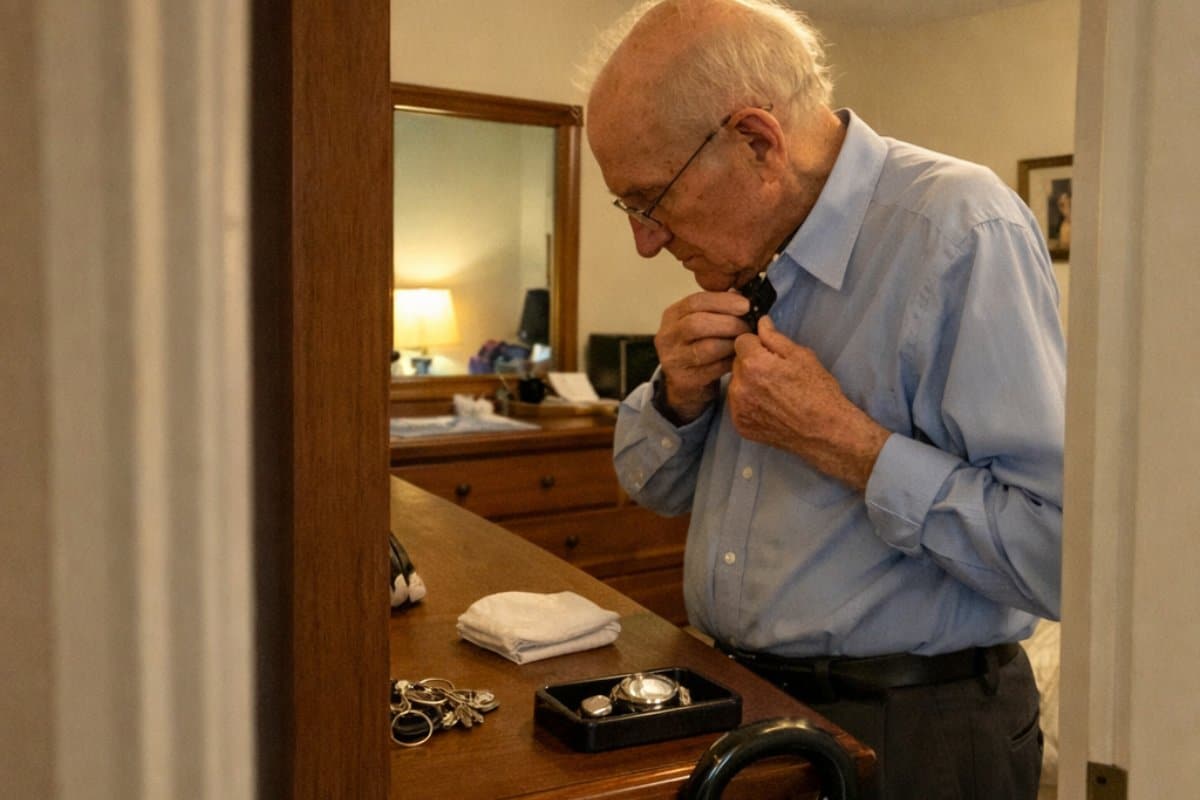
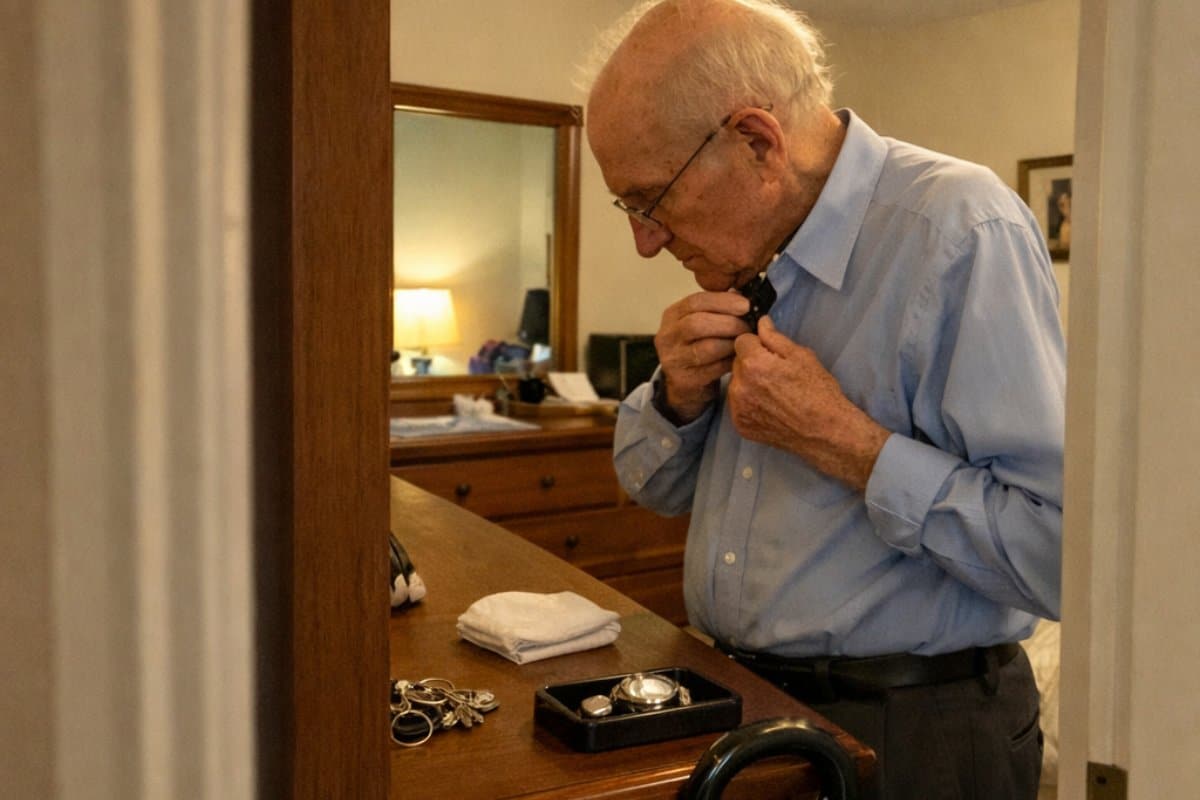
Picture this: it’s 7:30 in the morning, and your dad is standing at his dresser, threading a belt through his pants loops for the fourth time. His hands aren’t cooperating. The buckle keeps slipping. What used to take thirty seconds now takes five minutes — and the frustration on his face says everything.
He doesn’t need more help. He needs better tools.
If you’re a caregiver or a family member watching someone you love wrestle with the daily routine of getting dressed, you already know how much that moment matters. Getting dressed independently isn’t just about clothing — it’s about starting the day on your own terms, with your dignity intact.
The good news is that there’s an entire category of dressing aids for limited mobility designed to make that possible, and most of them look nothing like medical equipment.
This isn’t an exhaustive medical catalog. It’s a curated, practical roundup of the tools that address the most common fine-motor challenges in everyday dressing — the ones I’ve seen make a real difference in real people’s mornings.
The Independent Morning Checklist: Dressing Aids for Limited Hand Strength
Download this practical checklist to identify exactly which dressing challenges your loved one faces and discover the specific adaptive tools that solve them—so you can help them get dressed independently, one small win at a time.
Why Fine Motor Challenges Make Getting Dressed So Hard
The Problem Is in the Design
Standard clothing closures — small buttons, traditional belt holes, tied shoelaces — were designed for hands at peak dexterity. They require precise pinch grip, bilateral hand coordination, and enough finger strength to manipulate tiny objects under light tension.
For someone managing arthritis, recovering from a stroke, living with essential tremors, or simply experiencing the grip-strength decline that comes with age, those demands are genuinely unreasonable.
More Than Physical
When dressing takes too long or requires help, something quieter happens alongside the physical frustration. Independence erodes — not dramatically, but in small, daily increments that add up.
In my experience working with older adults over the past two decades, the people who maintain their sense of self longest are often the ones who’ve found tools that let them keep doing things themselves. Adaptive dressing tools aren’t workarounds — they’re better-designed tools for how hands actually work today.
The Right Reframe
These tools don’t signal decline. They signal that someone made a smart decision to stop fighting poorly designed clothing and start using gear that actually fits their life.
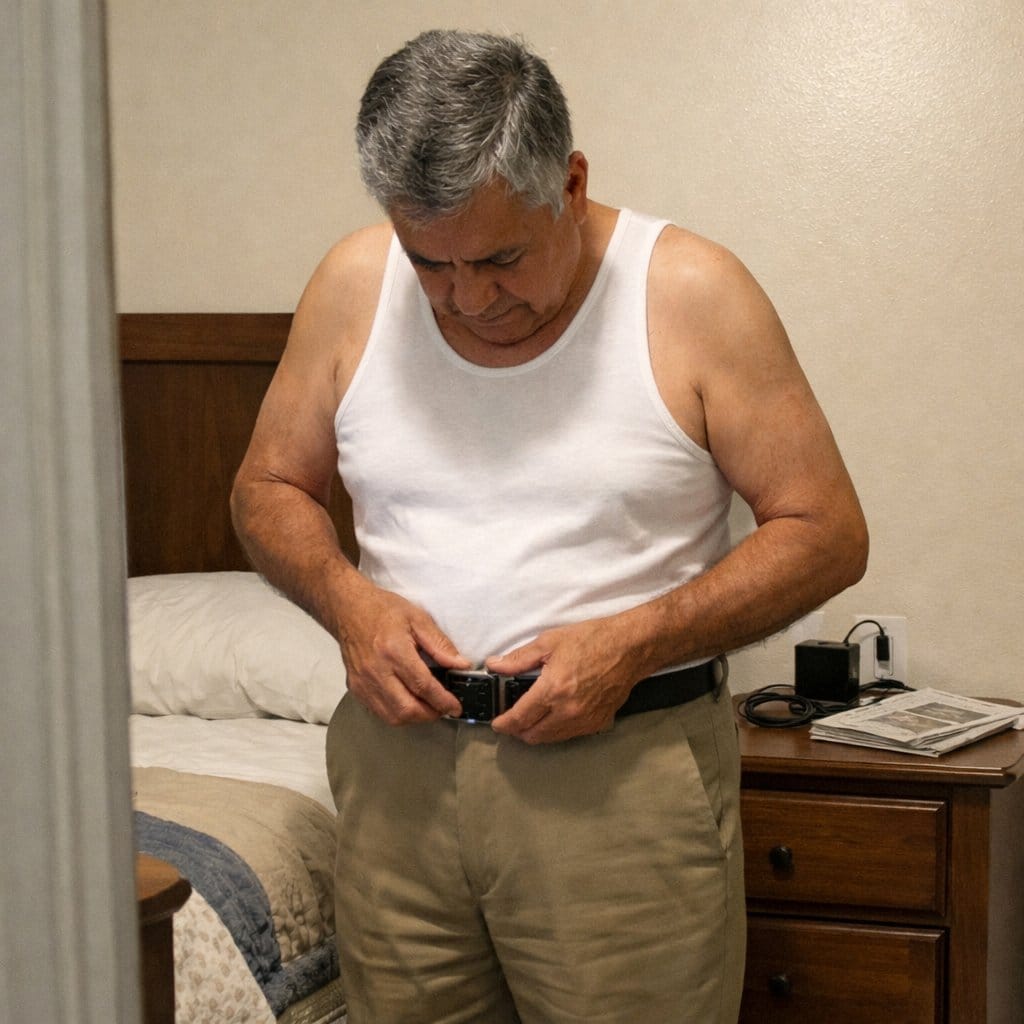
Ratchet and Adaptive Belts — An Upgrade Everyone Should Know About


Why Traditional Belt Buckles Are a Hidden Barrier
Of all the daily dressing challenges, the belt is one of the most overlooked. Threading a traditional belt through a small metal buckle tab, aligning it with the right hole, and applying enough pressure to lock it — all of that requires fine motor precision most people don’t notice until it becomes difficult.
For someone with arthritis in their fingers, one-sided weakness from a stroke, or any condition that reduces grip strength, a standard belt buckle can be genuinely defeating.
How Ratchet Belts Work
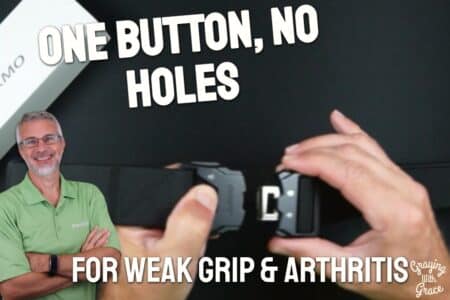
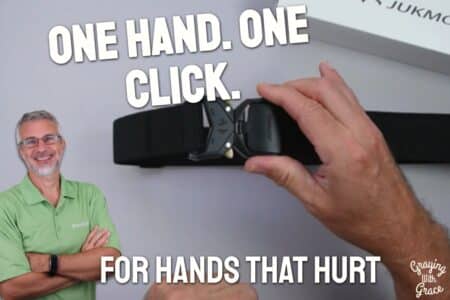
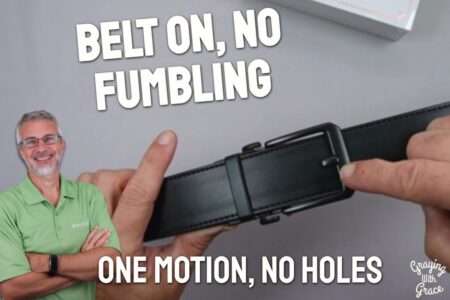
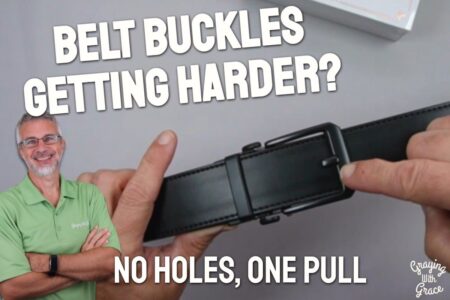
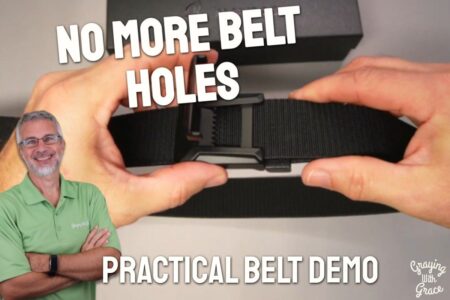
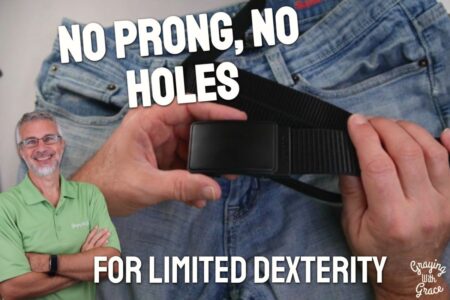
A ratchet belt replaces the traditional hole-and-prong system with a sliding track. Instead of threading a metal tab through a specific hole, the wearer slides the belt along a continuous track and releases it at the right tension using a lever that requires minimal pinch strength.
No hole alignment. No fumbling. No single-handed wrestling match with a metal buckle.


Who Benefits Most
Men with arthritis in their hands or wrists will notice the difference immediately. So will stroke survivors managing one-sided weakness, and anyone who’s started avoiding belts altogether because the effort outweighs the result.
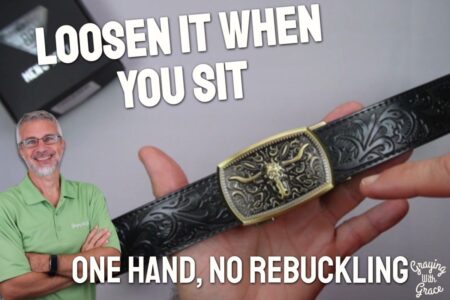
Style-wise, ratchet belts are available in standard dress and casual designs. They look like any other belt. No one will know it’s adaptive — because functionally, it’s just a better-designed belt. Many younger men with no mobility challenges have already switched to them simply because they’re more comfortable and precise.
A ratchet belt for men with limited dexterity is the kind of upgrade that solves the problem without announcing it. For anyone who needs an adaptive belt for arthritis or weak grip, this is the category to start with.


Button Hooks and Zipper Pulls — Small Tools, Big Difference
Why Buttons Are So Demanding
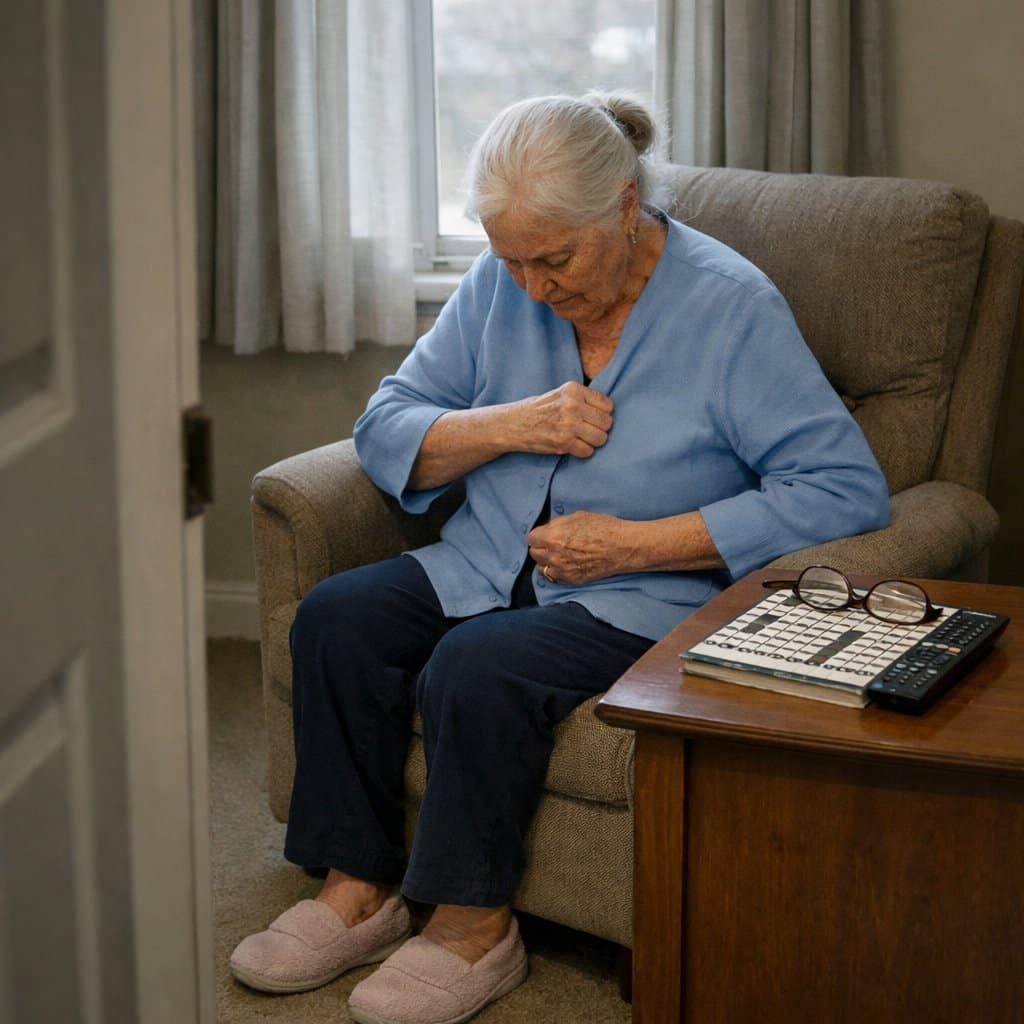
Buttoning a shirt is a surprisingly complex motor task. It requires a precise two-fingered pinch on a small disc, bilateral hand coordination to hold the fabric stable, and the patience to repeat that motion six to eight times before you’re done.
For someone experiencing an arthritis flare-up, reduced sensation in the fingertips, or hand tremors, buttons can make an entire outfit feel inaccessible.
How a Button Hook Works
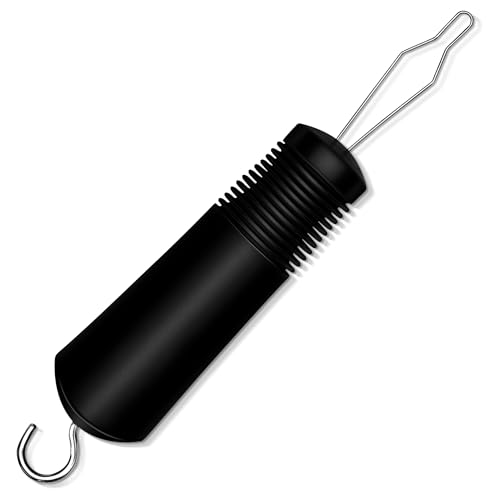
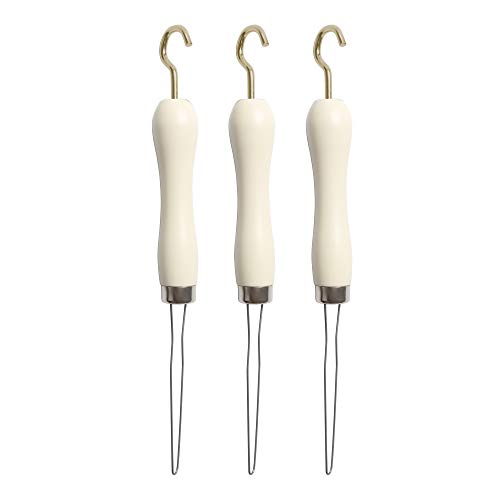
A button hook dressing aid is a simple wire loop attached to a handle. The loop slides through the buttonhole, catches the button, and pulls it back through — requiring far less pinch precision than fingers alone.
It’s the same principle as any tool that extends your mechanical advantage. Less precision required. Less frustration. More independence.
Zipper Pulls as a Companion Solution
Zipper pulls are small attachments that clip onto an existing zipper tab, extending it enough to be grasped with a full-hand grip instead of a two-finger pinch. They’re discreet, inexpensive, and easy to add to any existing garment.
Both tools are small enough to keep in a nightstand drawer or on a dressing tray — right where they’re needed, without taking up space or looking clinical.
Keeping a button hook nearby isn’t a sign of struggle. It’s the same logic as keeping a jar opener in the kitchen — it’s just a better tool for the job.
A button hook dressing aid addresses one of the most common fine-motor barriers in daily dressing. If buttons are the sticking point in the morning routine, this is the tool that removes that obstacle.



Subscribe to our newsletter for more tips: Join here
Sock Aids and Long-Handle Dressing Sticks — No Bending Required


Why Reaching the Feet Is the Hardest Part
Putting on socks might be the most physically demanding moment in a typical morning routine. It’s not just about hand strength — it requires bending forward, holding that position, and managing a sock over a foot, all without losing balance.
For anyone managing hip pain, lower back issues, reduced flexibility, or balance concerns, that combination is genuinely risky. Falls often happen during exactly these kinds of off-balance moments, not just in obvious hazard zones.
How a Sock Aid Tool Works
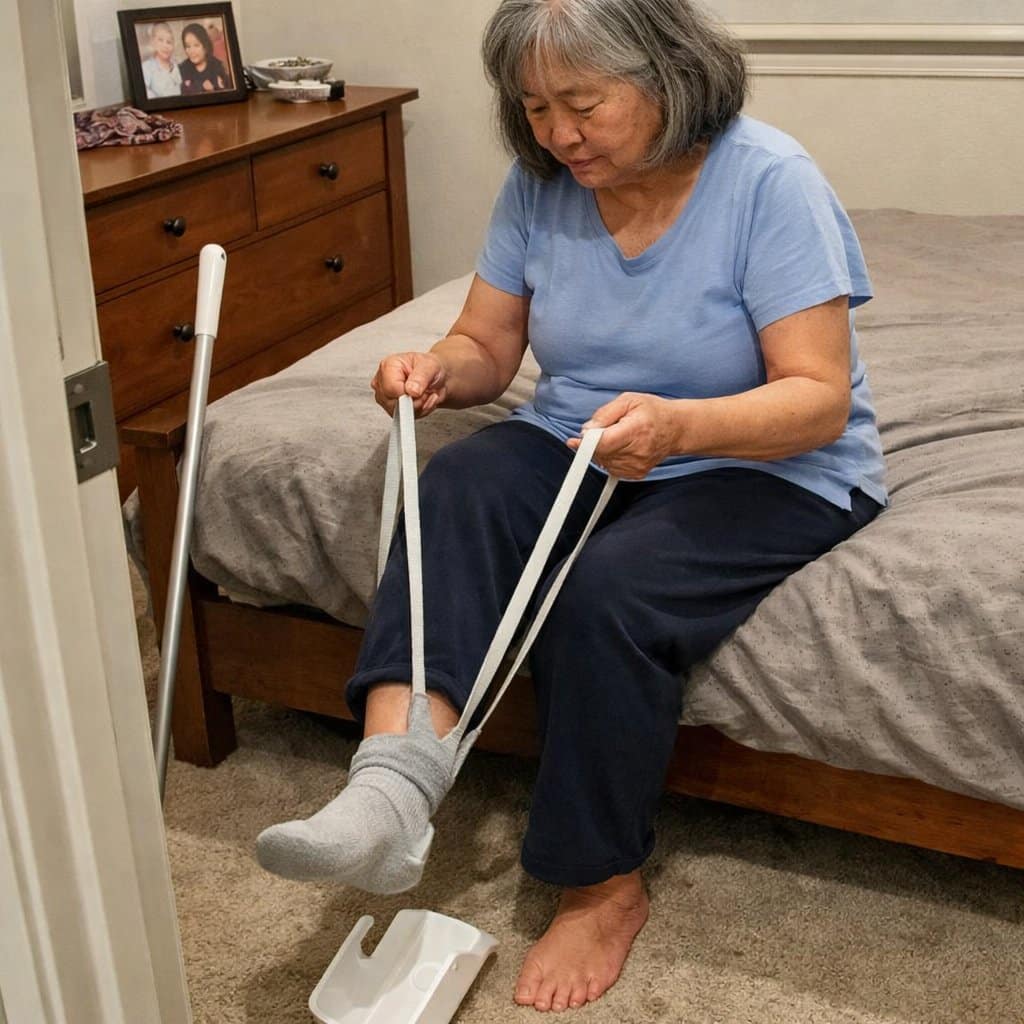
A sock aid is a flexible frame — usually plastic or fabric — that holds the sock open in a cone shape. The person loads the sock onto the frame, drops it to the floor, slides their foot in, and pulls up using long fabric handles.
No bending. No balancing on one foot. No reaching.
How a Long-Handle Dressing Stick Helps
A long-handle dressing stick is a lightweight rod — typically about 24 inches — with a hook or clip at one end. It allows someone to pull up pants, push clothing off their shoulders, or retrieve a dropped item without bending or stretching.
Both tools are compact and easy to store out of sight. Neither one looks institutional. Together, they cover the two biggest physical barriers between a person and a fully independent morning.
Using a dressing stick isn’t about what you can no longer do. It’s about protecting your joints and balance so you can keep dressing independently for years longer — which is exactly the goal.
A sock aid tool and a long-handle dressing stick work as a pair, addressing the reach-and-balance challenge that hand strength solutions alone can’t solve.


Elastic Shoelaces and Magnetic Closures — The Finishing Touches That Matter
Why Shoes Are Often the Last Obstacle
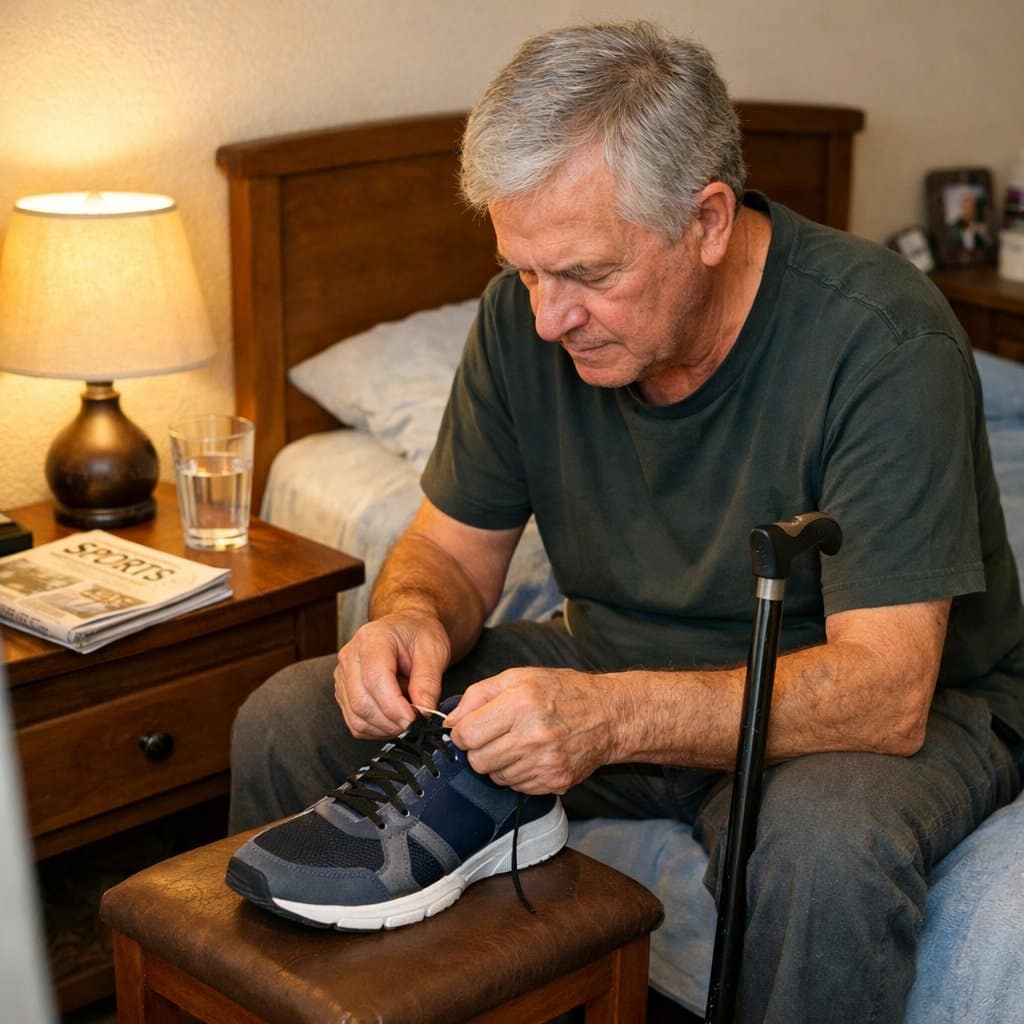
Tying shoelaces might be the single most fine-motor-demanding task in the entire dressing routine. It requires bilateral hand coordination, precise knot formation, and bending — all at the same time.
For someone with tremors, arthritis, or one-handed dressing needs, that combination can make an otherwise successful morning suddenly feel impossible.
Elastic Shoelaces: The Invisible Fix
Elastic shoelaces replace standard laces with elastic coils or flat elastic bands that allow shoes to slip on and off without any tying. Once installed, the shoes look completely normal — the laces sit in place and hold their shape. No one can tell they’re adaptive.
They work with most standard sneakers and casual shoes, and installation takes less than five minutes.
Magnetic Closure Clothing
Magnetic closure shirts, pants, and jackets use hidden magnets behind what appear to be standard buttons. The garment snaps shut with one touch and opens just as easily — with no pinch grip required at any point.
These are increasingly available in mainstream styles, not just adaptive catalogs. For stroke survivors dressing with one hand, or anyone managing tremors that make buttons unreliable, magnetic closures represent a meaningful shift in what’s possible in the morning.
The best adaptive clothing tools are the ones no one can tell are adaptive. Elastic shoelaces and magnetic closures pass that test every time — they look like regular clothing because they essentially are.


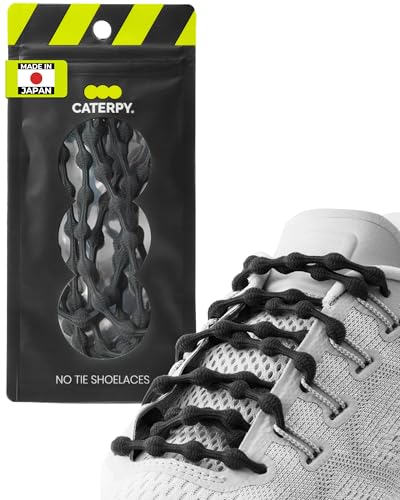


Elastic shoelaces and magnetic closure clothing cover the final category of fine-motor dressing challenges, completing a morning routine that’s fully independent from start to finish.
The Independent Morning Checklist: Dressing Aids for Limited Hand Strength
Download this practical checklist to identify exactly which dressing challenges your loved one faces and discover the specific adaptive tools that solve them—so you can help them get dressed independently, one small win at a time.
Putting It All Together
Independence Is the Goal — These Tools Protect It
Dressing independently is about more than convenience. It’s about starting the day as yourself — on your schedule, in your own way, without needing to ask for help with something as private as getting dressed.
The tools in this roundup exist precisely to protect that. None of them look like hospital equipment. All of them work. And together, they cover every major fine-motor barrier between waking up and walking out the door ready for the day.
A Practical Starting Point
Whether you’re a caregiver looking for tools to recommend to a client’s family, or a family member trying to help a parent hold onto their morning routine, I’d encourage you to start with one category rather than overhauling everything at once.
If belts are the sticking point, start there. If socks are the daily battle, a sock aid might be the single change that makes everything feel more manageable. Small wins build confidence — and confidence builds independence.
For anyone thinking about broader home adaptations alongside these tools, there are other practical solutions worth exploring that follow the same principle: real tools that solve real problems without making anyone feel like a patient.
Which tool made the biggest difference for someone you care for? I’d genuinely love to hear what’s worked — share it in the comments below. Your experience might be exactly what another reader needs to find today.