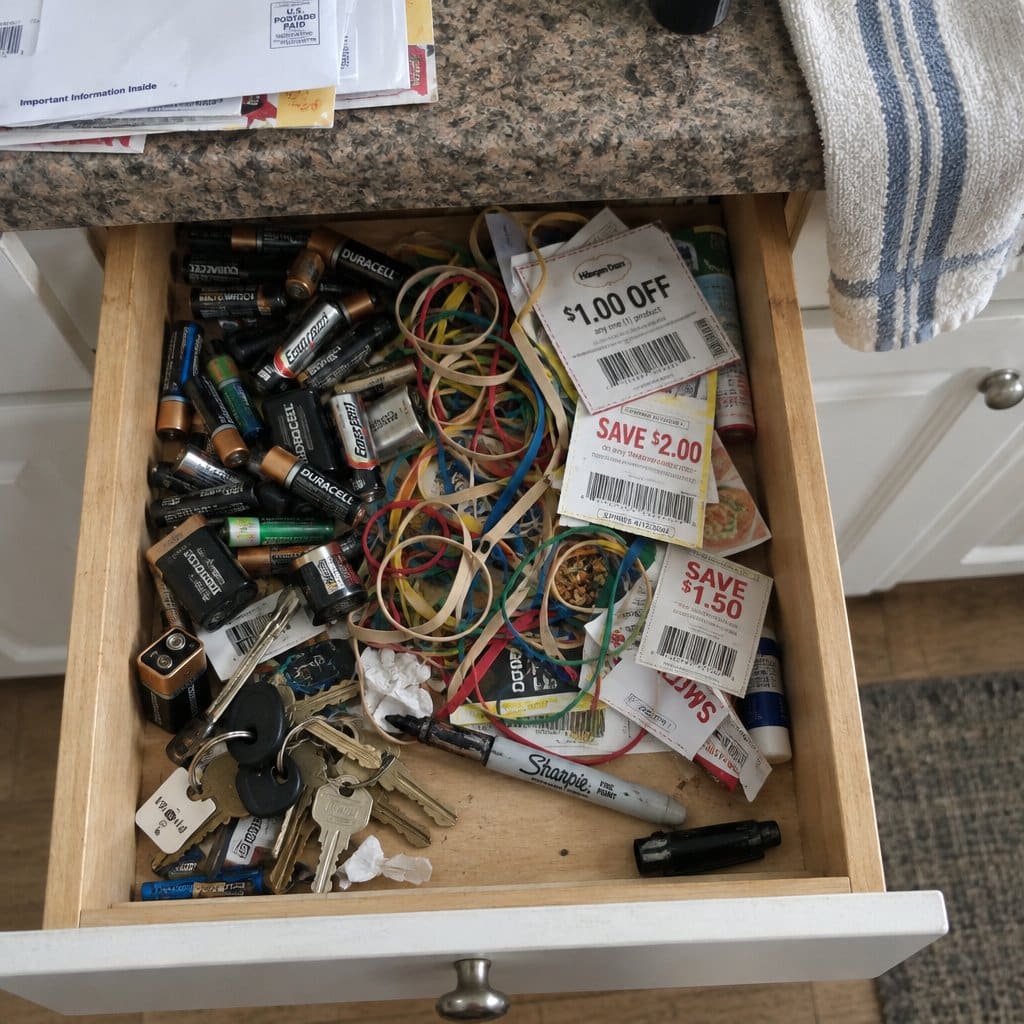
You open a kitchen drawer looking for tape. What you find instead is a tangled collection of dead batteries, rubber bands, expired coupons, and at least three keys you no longer recognize.
You close the drawer and move on — only to discover that the next drawer has quietly become the same kind of catch-all. That’s the third one this week.
You downsized to simplify. So why does the house still feel chaotic?
Here’s the thing: downsizing takes real courage and genuine effort. The problem isn’t you — it’s that smaller spaces have less margin for error, and without a clear system, every surface and drawer becomes fair game for “I’ll deal with this later.” A simple labeling system changes that. It turns any drawer, bin, or shelf into a space that stays organized without requiring a weekend of rearranging every few months.
The key to a functional downsized home isn’t more storage. It’s a clear labeling system that removes the guesswork about where things belong — for you, and for anyone who helps in your home.
Downsized Home Labeling Checklist
Get a complete zone-by-zone labeling system designed to eliminate clutter and confusion in a smaller home—so you spend less time searching and more time enjoying your space.
Why Downsized Homes Need a Labeling System (Not Just More Storage)
The Real Problem Is a Missing System, Not a Missing Closet
In a larger home, a junk drawer is an inconvenience. In a smaller home, it’s a disruption to the entire space. When one area overflows, there’s nowhere for the overflow to go without crowding something else out.
Unlabeled bins and drawers become catch-alls almost automatically. Without a label signaling what belongs in a space, the path of least resistance is always “put it here for now.” That’s not a personal failing — it’s just what happens when a system isn’t in place to push back.
Labeling Is About Design, Not Memory
There’s also the mental load of a new or reorganized space. Even if you’ve been in your home for years, downsizing often means items moved to new spots. Remembering where everything landed takes energy every single day — energy that a label can give back.
A labeled home runs on autopilot. You don’t have to remember where the scissors live because the drawer tells you. That’s not a crutch — it’s efficiency. And it means anyone helping in your home, whether that’s a family member, a housekeeper, or a friend, can put things back in the right place without asking.
If you’re also thinking about broader home safety as part of your downsizing transition, this fall prevention checklist covers how a well-organized, clutter-free home contributes to staying safe at home.
The Five Areas of a Downsized Home That Benefit Most from Labels
You Don’t Need to Label Everything — Just the Right Things
You don’t need to label every surface in your home to see a real difference. Focus on the five zones where confusion and clutter naturally concentrate, and the rest of the home tends to fall into order.
- Kitchen drawers and cabinets. Mixed-use drawers become junk drawers overnight without clear boundaries. A label on each drawer signals what belongs there, making it easy to put things back correctly — even when you’re in a hurry.
- Bathroom storage bins. Toiletries, medications, and first aid supplies often get shuffled together. Labels on bins or baskets keep similar items grouped and easy to find when you need them quickly.
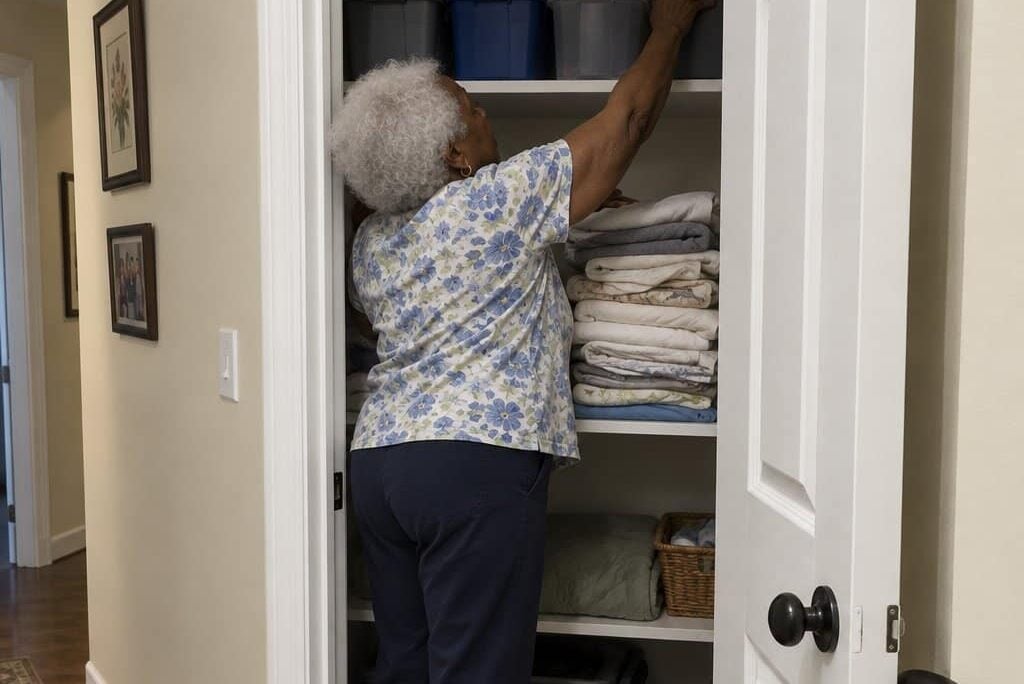
- Closet shelves and bins. Seasonal items, linens, and clothing overflow without structure. Labeled bins make it clear what goes where, even months later when you’re reaching for something you haven’t needed since last winter.
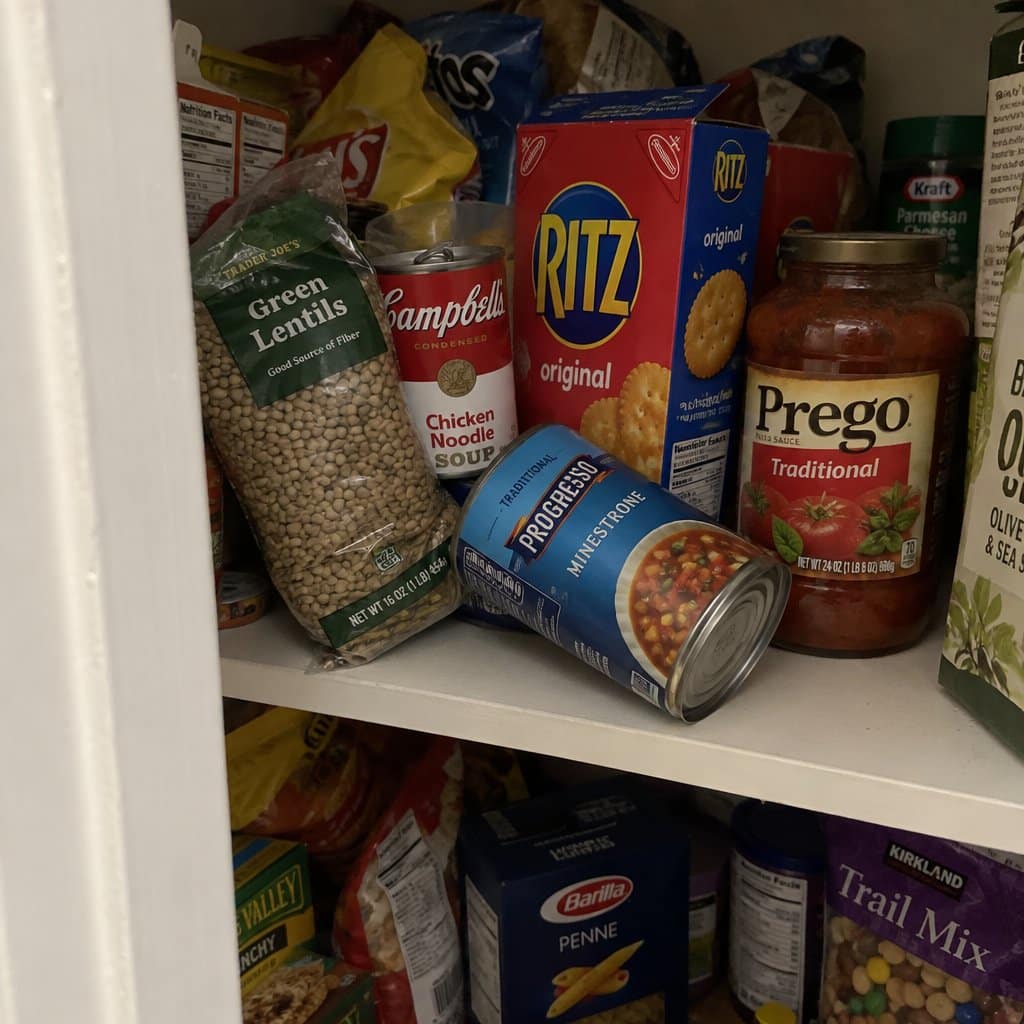
- Pantry and food storage. Specialty items, snacks, and staples mixed together make meal planning harder than it needs to be. Labels help with rotation and prevent the “I thought we had that” moment at dinnertime.
- Home office or paperwork areas. Bills, warranties, medical documents, and personal files need clear categories. Labels turn a cluttered desktop or filing box into a system you can actually use.
The Difference a Label Makes in Practice
Picture a bathroom cabinet with three unlabeled bins. Every time you need your blood pressure medication, you’re rummaging through a mix of skincare products, band-aids, and expired cold medicine. Now picture those same three bins labeled “Daily Medications,” “First Aid,” and “Skincare.” Finding what you need takes seconds instead of a rummage — and nothing gets shuffled out of place because the label makes it obvious where it goes back.
That kind of clarity is exactly what good storage containers make possible. Bins with lids give labels a clean, visible surface to live on — and they keep contents from spilling into each other in the first place.


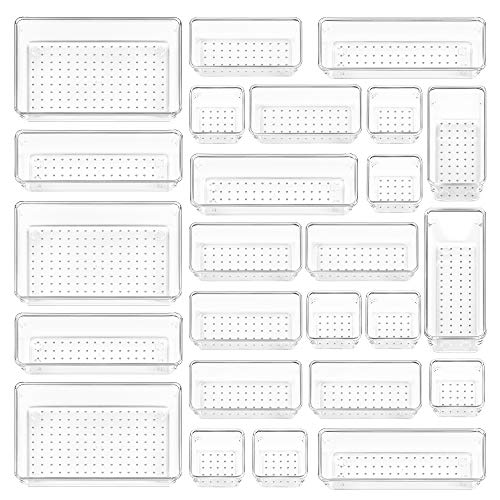
Inside drawers, organizer bins do the same work. They create physical boundaries within a drawer so that even without a label, items have a designated zone — and with a label, those zones become permanent.



Handwritten Labels vs. Printed Labels — What Actually Lasts

Why Handwritten Labels Usually Let You Down
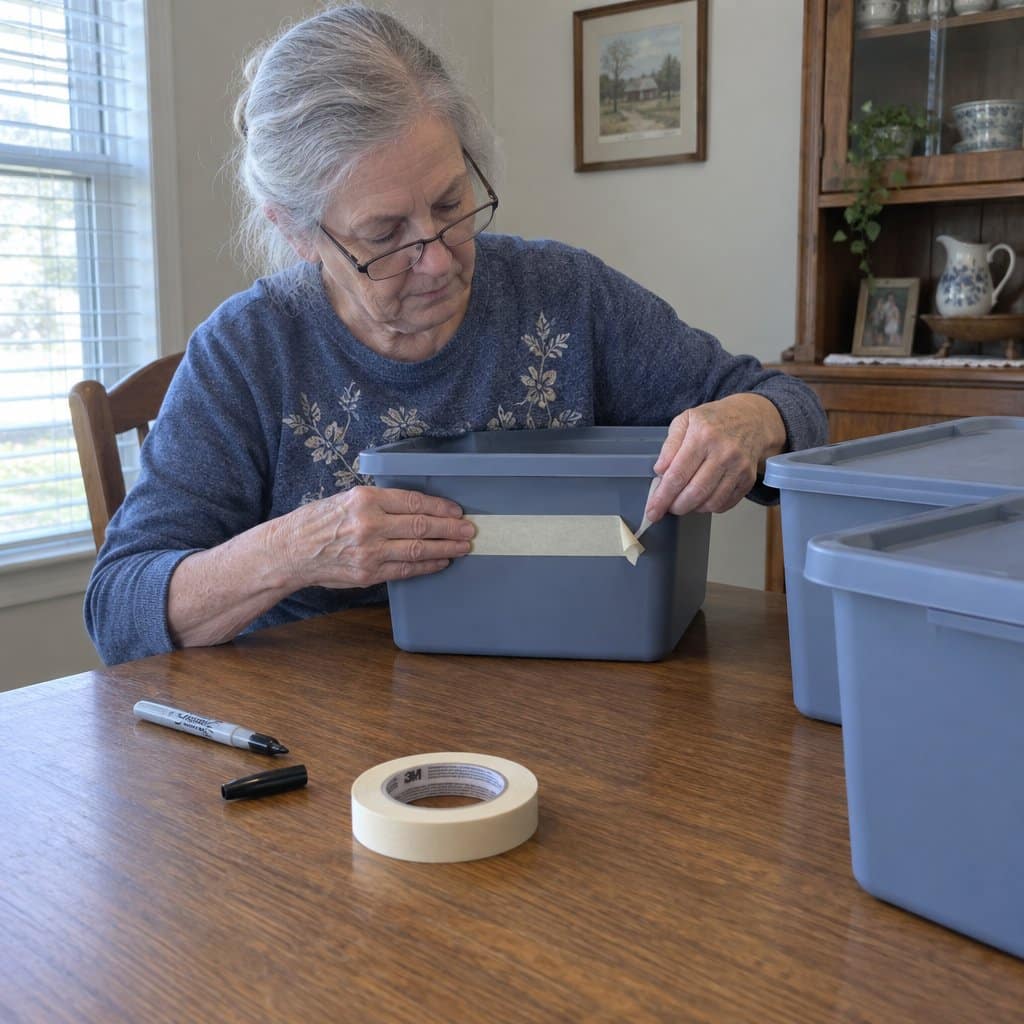
Handwritten labels feel like the quick, easy option — and they are, right up until the ink fades, the marker smears, or the masking tape curls off the bin after a few weeks. Even when they stay put, handwritten labels on different bins in different handwriting create a visual inconsistency that actually makes a space feel messier than it is.
The goal of a labeling system is clarity at a glance. Handwritten labels rarely hold up long enough — or look clean enough — to deliver that.
What Makes a Bluetooth Label Maker Different
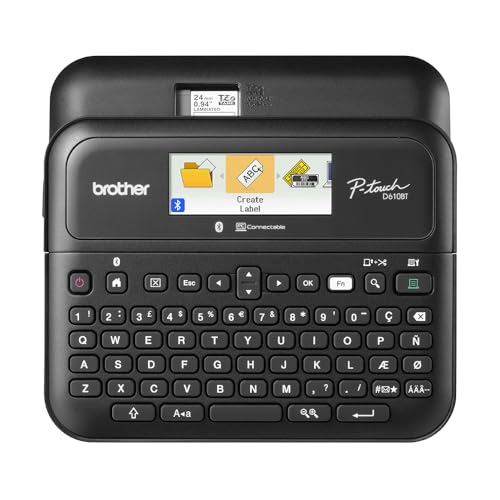
Printed labels solve all of those problems, and a Bluetooth label maker makes printing them easier than most people expect. Older label makers had tiny keyboards and small screens that were genuinely frustrating to use. A Bluetooth label maker skips all of that — it connects to an app on your phone, you type your labels on your phone’s full keyboard, and the maker prints them. No squinting at tiny buttons. No awkward scrolling through a miniature device.
The result is clean, uniform labels that look intentional and hold up over time. This isn’t about buying a gadget for its own sake. It’s a practical, one-time tool that makes the entire labeling process faster, cleaner, and far more durable than anything you’d produce with a marker and tape.



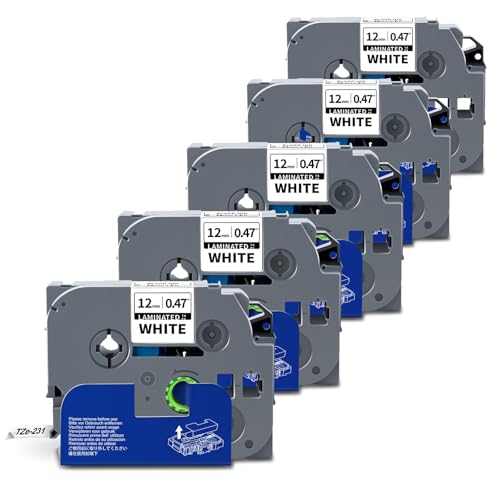
Once your system is in place, the only ongoing cost is label tape — an affordable supply worth keeping on hand so you can add a label whenever you reorganize a zone or bring in a new bin.



Ready to get more practical tips for making your home work better for you? Subscribe to our newsletter for expert-tested advice and trusted recommendations designed specifically for older adults and the people who care about them.

A Simple Step-by-Step Labeling System for a Downsized Home

You Can Do This in a Single Afternoon
You don’t need a Pinterest-perfect home organization system. You need a process you can complete in one sitting that actually sticks. Here’s exactly how I’d walk you through it.
Step 1: Do a quick zone audit.
Walk through your home with a notepad. Write down every drawer, bin, shelf, or cabinet that feels chaotic or unclear. Don’t fix anything yet — just identify the zones. This takes about 15 minutes and gives you a clear picture of what needs attention.
Step 2: Decide what belongs in each zone before you label it.
Labels lock in a decision, so before you print anything, decide what you actually want in each space. If a drawer is going to hold batteries, pens, and scissors, label it something broad like “Household Supplies” rather than trying to get too specific. Broad, accurate labels outlast narrow ones.
Step 3: Create labels in batches.
Open the label maker app, type all your categories in one sitting, and print them all at once. Doing it in a batch prevents the system from feeling like an ongoing project that you never quite finish.
Step 4: Apply and test for a week.
Stick labels on, then live with them for seven days. Notice which labels you ignore or work around — those are the ones to adjust. A good system adapts to how you actually live, not how you thought you’d live when you were planning it.
Step 5: Add shelf dividers to reinforce the system.
Labels tell you what goes where. Dividers enforce it physically. Adding shelf dividers to closets and cabinets makes it much harder for items to migrate out of their zones — even when you’re in a hurry and not paying close attention.


For more ideas on making your home easier to navigate day-to-day, improving your home’s lighting is another simple upgrade that makes a real difference in how functional a smaller space feels.
How to Keep Your Labeling System Working Long-Term
Maintenance Takes Minutes, Not Hours
The best labeling system is one that stays useful without constant attention. A few simple habits are all it takes to keep yours running.
- One thing in, one thing out. In a downsized space, new items need an assigned home before they enter the house. If something new comes in, either it joins an existing labeled zone or it prompts a quick reorganization of one.
- Handle exceptions gracefully. Not everything fits neatly into a category, and that’s fine. A small “miscellaneous” bin with a label is infinitely better than a mystery drawer that absorbs everything with no name at all.
- Do a 20-minute seasonal check-in. Once or twice a year, walk through your labeled zones and ask whether each one still reflects how you use the space. Update labels that no longer fit. It takes less time than you’d expect.
- Bring helpers into the system. When family members, caregivers, or housekeepers know where things go, things actually get put back. A labeled home benefits everyone who spends time in it.
The Guest Test
Here’s a simple way to know your system is working: if a visitor helping in your kitchen or bathroom can find what they need without asking, your labels are doing their job.
Think about what it’s like when a family member visits and tries to help — and ends up putting things “away” in random drawers because nothing is clearly marked. Compare that to a home where every drawer has a label and things actually end up in the right place. The second scenario saves frustration for everyone, and it happens automatically once the system is in place.
Maintaining this system isn’t another chore on your list. It’s a five-minute habit that prevents a five-hour decluttering project six months from now. Once the labels are up, the hard part is done.
If you’re helping a parent through this kind of transition, the downsizing guide for seniors on this site covers the broader emotional and logistical picture in detail — including how to approach the process in stages so it doesn’t feel overwhelming.

Downsized Home Labeling Checklist
Get a complete zone-by-zone labeling system designed to eliminate clutter and confusion in a smaller home—so you spend less time searching and more time enjoying your space.
Your Next Step Starts with One Zone
A downsized home is supposed to feel simpler, not harder. A clear labeling system is the missing piece that turns good intentions into a home that stays functional week after week — without requiring constant effort to maintain.
You made the decision to downsize for good reasons. Building a system that honors that decision isn’t extra work — it’s the payoff. A labeled, organized home gives back the mental space and daily ease that downsizing was supposed to create in the first place.
Start with one zone this week. Pick one drawer, one closet shelf, or one bathroom bin. Label it, live with it for a few days, and notice how different it feels to open that space and find exactly what you expected. That feeling is what builds momentum for the rest.
Which zone are you starting with? Share it in the comments — your choice might be exactly the inspiration someone else needs to take their first step too.