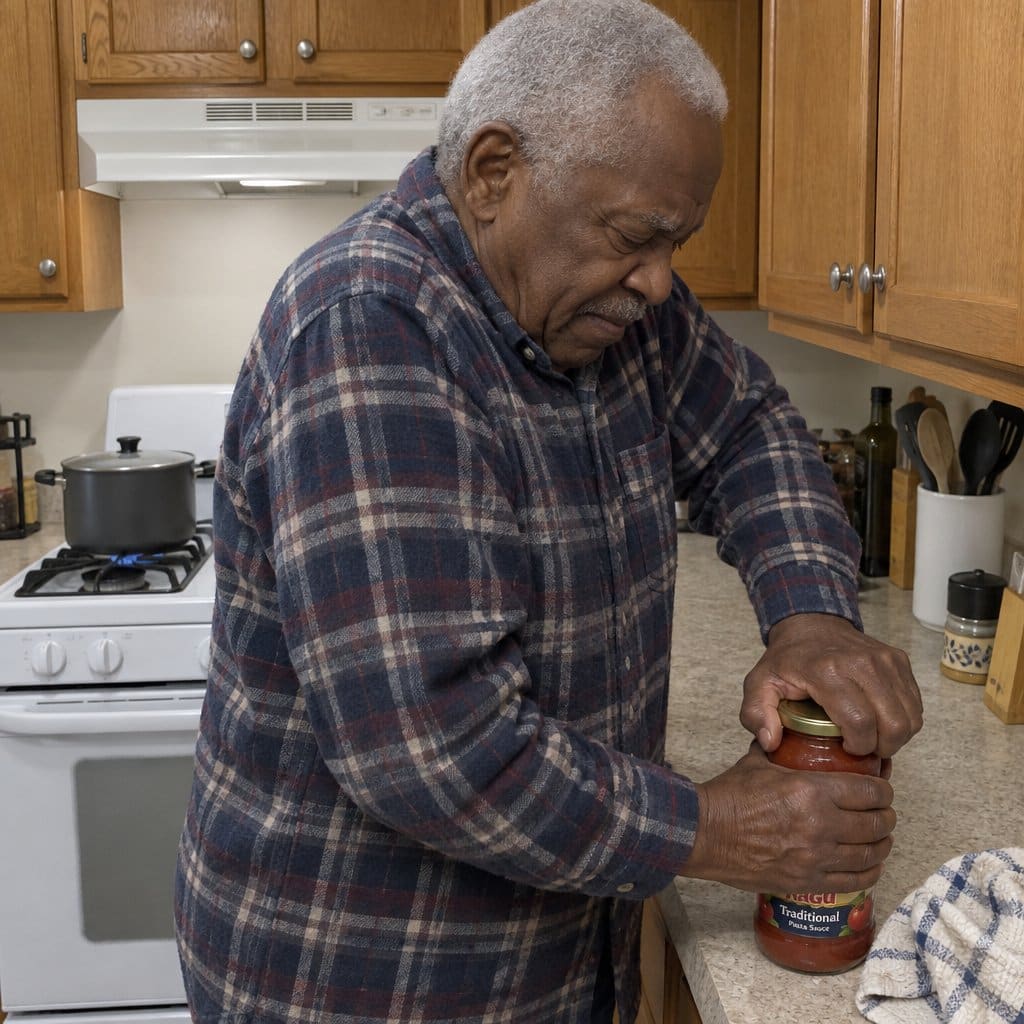
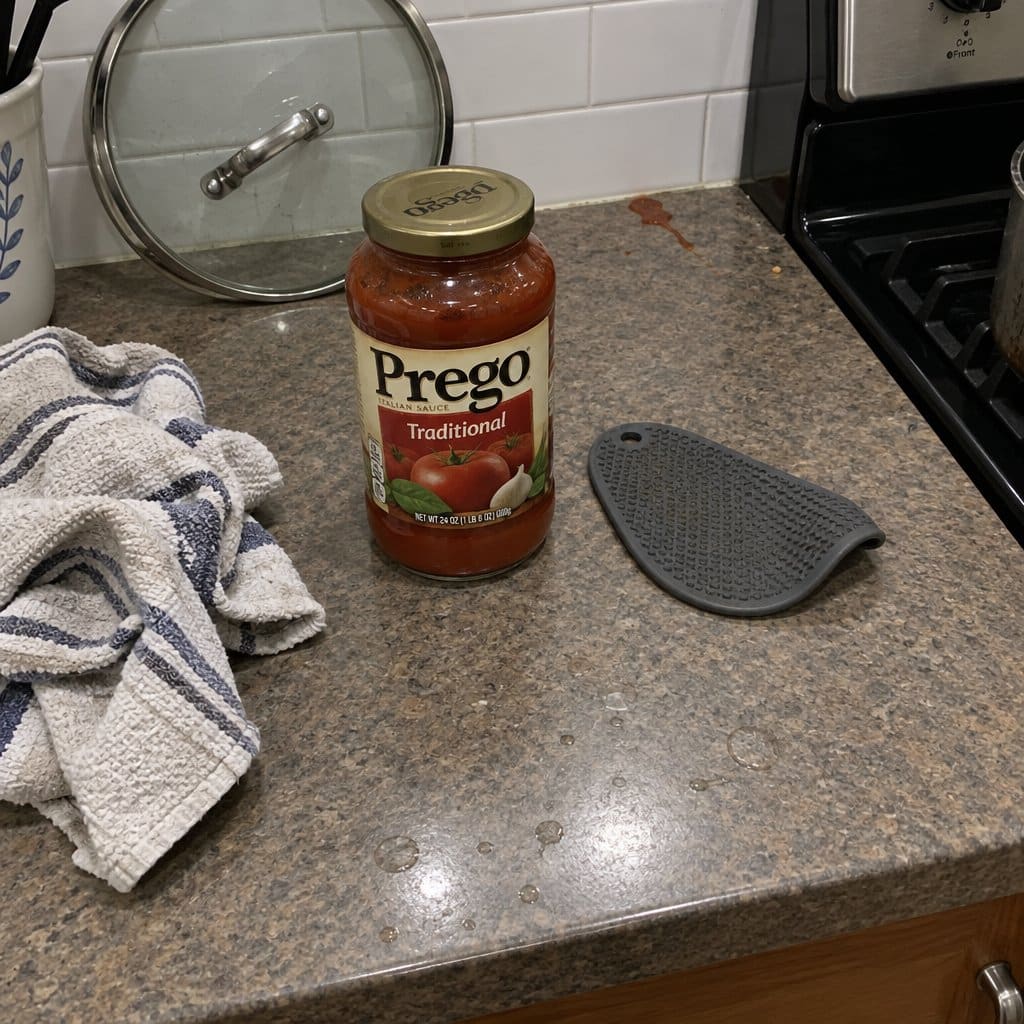
You reach for the pasta sauce jar, and it won’t budge. You try again. Then you wrap a dish towel around the lid. Still nothing. What used to take two seconds now takes two minutes — and sometimes, it doesn’t happen at all.
For someone who has cooked confidently for decades, that moment carries weight far beyond the jar itself. It’s not just about dinner. It’s about whether the kitchen still belongs to you.
Here’s what I’ve come to understand after years of working with older adults navigating exactly this frustration: the problem is almost never the cook. It’s the tools. Most kitchen gadgets were engineered for hands with maximum grip strength. They don’t account for how hands actually change — and they don’t have to be that way.
Before we get into specific categories, I want to give you a framework you can take anywhere — to the kitchen store, to an online search, to your own utensil drawer. Three factors decide whether any kitchen tool will actually work when grip strength is limited. Once you know them, you’ll never have to guess again.
Kitchen Tool Grip Strength Cheat Sheet
Download this free framework to test any kitchen tool against three simple factors—and instantly know which tools to keep, swap, or replace so cooking stays within reach without hand or joint pain.
The Three Things That Actually Decide Whether a Kitchen Tool Works for You
Marketing language on kitchen packaging is nearly useless. “Easy grip.” “Ergonomic design.” “Comfortable handle.” None of those phrases tell you anything concrete. These three factors do.
Handle Diameter
Wider, cushioned handles require less finger force to hold securely. A narrow handle concentrates pressure across fewer joints, which means your fingers work harder just to keep the tool from rotating or slipping. When you’re evaluating any tool, hold it and ask: does this sit in my palm, or does it hang between my fingertips?
Required Pinch Force
Some tools demand a strong pinch or sustained squeeze to operate — standard peelers, thin-handled whisks, jar lids. Others are designed so the effort transfers to your palm or wrist instead of your fingers. That shift is the difference between a tool that works and one that doesn’t.
One-Handed Capability
Whether a task can be completed with one hand stabilizing and one hand operating matters enormously — both for people with uneven strength and for anyone whose grip tires quickly. Tools that require two hands gripping simultaneously double the demand on both sides.
These aren’t accessibility features. They’re engineering decisions. Knowing what to look for turns shopping from guesswork into confident decision-making. Let’s walk through five everyday kitchen categories using exactly this lens.

Cutting and Slicing — Where Most Grip Failures Happen First


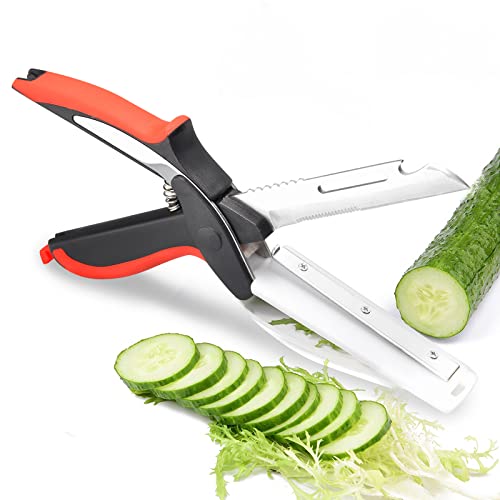
Standard cutting tasks — slicing avocados, chopping vegetables, breaking down fruit — require simultaneous grip, stabilization, and downward force. This is where arthritis hands hit the wall earliest, and where the right tool makes the most dramatic difference.
Why Standard Chef’s Knives Work Against You
A traditional chef’s knife demands a full-hand grip around a narrow handle, sustained pressure through the cut, and constant micro-corrections to keep the blade tracking straight. That’s a lot of continuous grip load for joints that are already working harder than they should.
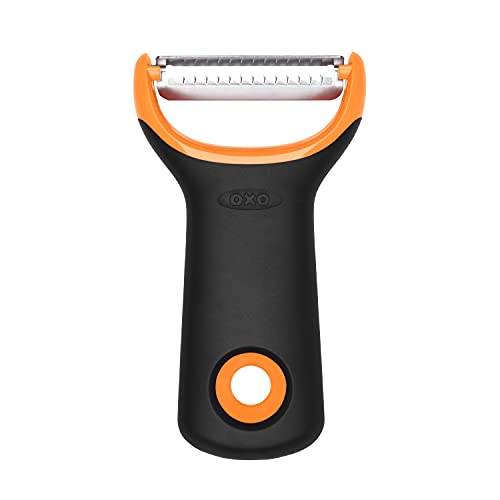
The real danger zone is any motion where your hand is gripping near a blade component — whether that’s a standard peeler where your thumb controls a thin edge, or a knife where your fingers wrap close to the bolster. Pain and safety risk arrive at the same time.
What to Look for in Handle Shape
Oval or D-shaped handles stay in the hand without requiring a constant corrective grip. Round handles rotate, which means your fingers work harder just to hold the angle steady. That extra work is exactly where joint fatigue accumulates.
The Avocado Example — and What It Teaches You
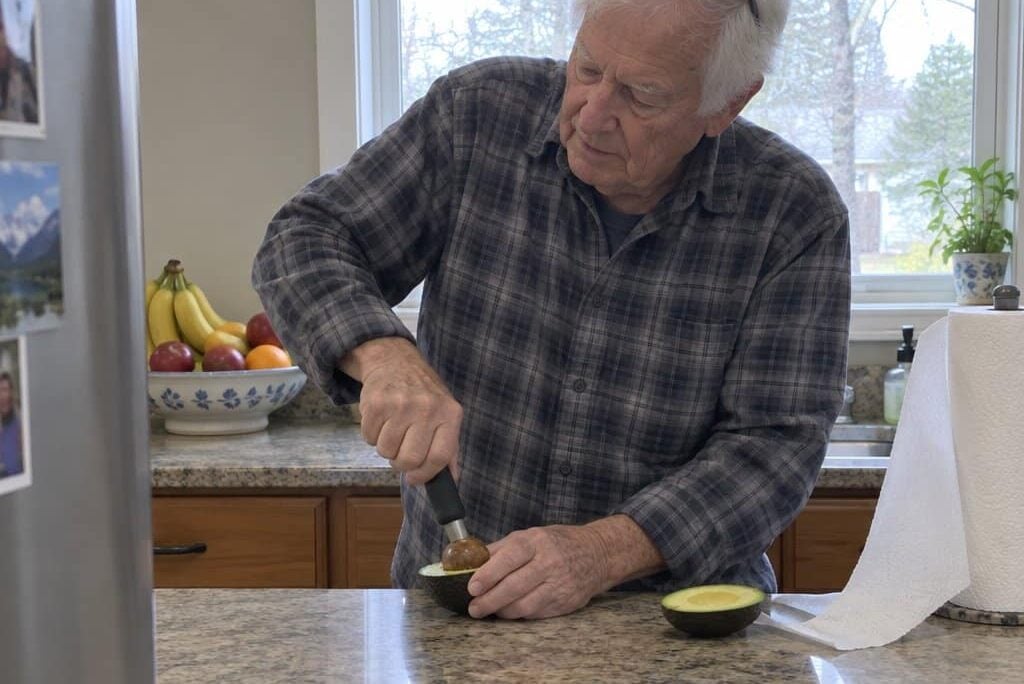
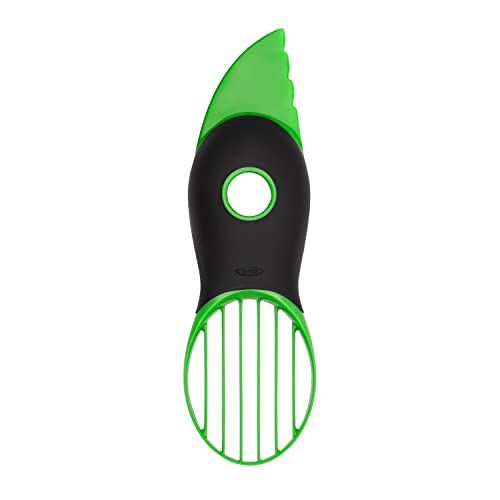
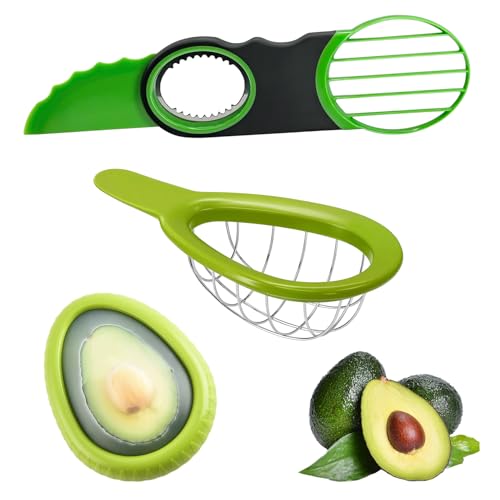
Think about what hand-slicing an avocado actually demands: piercing the skin with force, gripping while rotating around the pit, scooping, then slicing through the flesh — all with a bare blade involved. A dedicated avocado slicer handles all three steps (split, pit, slice) with separate low-force motions, and your hand never contacts anything sharp. Same result. A fraction of the joint strain. That’s the design principle worth chasing across every cutting tool you buy.
When you’re evaluating any slicer, ask one question: does my hand need to grip the blade, or just push down on a handle? One answer protects your joints. The other doesn’t.
For the clearest example of a tool redesigned around low grip force and one-handed operation, an avocado slicer is where I always start the conversation.


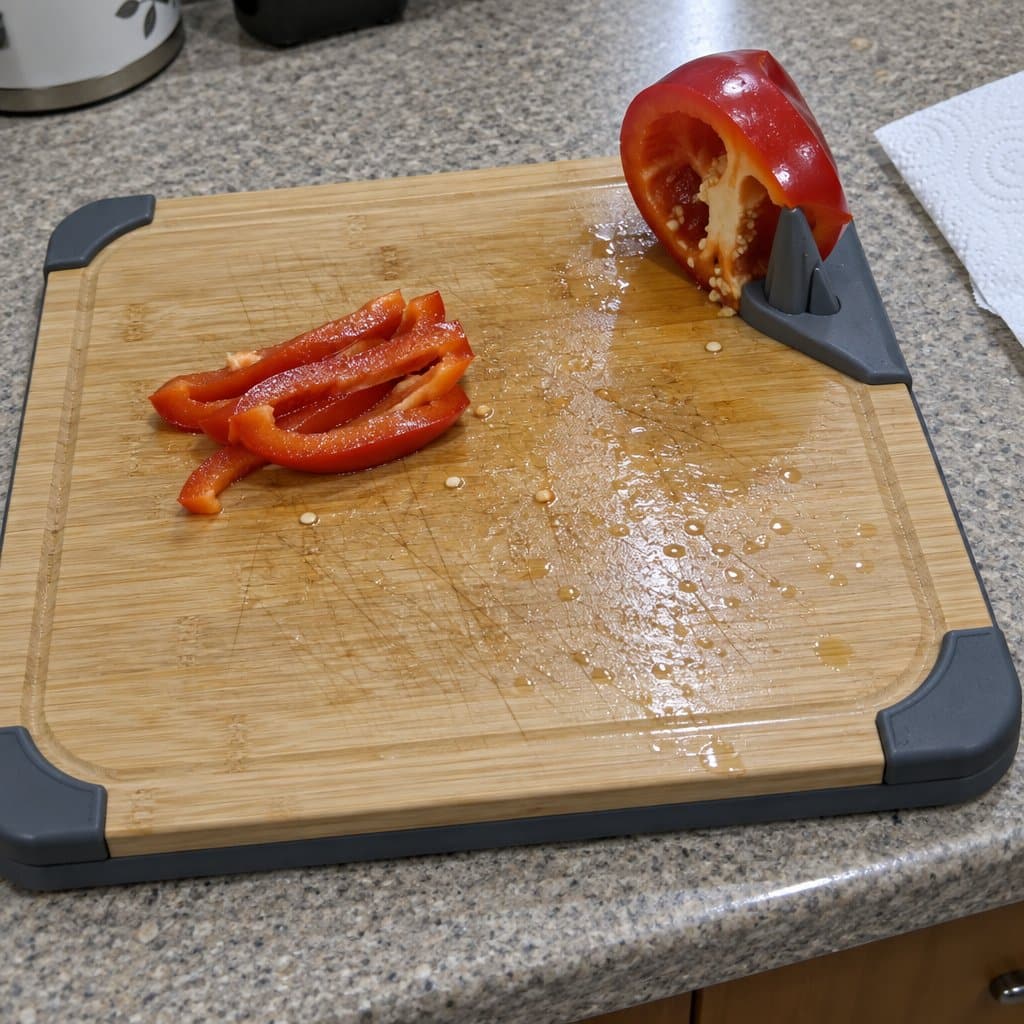
Equally important is what happens to the food you’re cutting. A good adaptive cutting board solves the stabilization problem entirely — corner guards, a non-slip base, and built-in food spikes hold your food steady so your non-dominant hand doesn’t have to. That frees your stronger hand to do the actual cutting without overcompensating for a sliding surface.


Gripping and Opening — The Daily Battle Most People Fight Alone


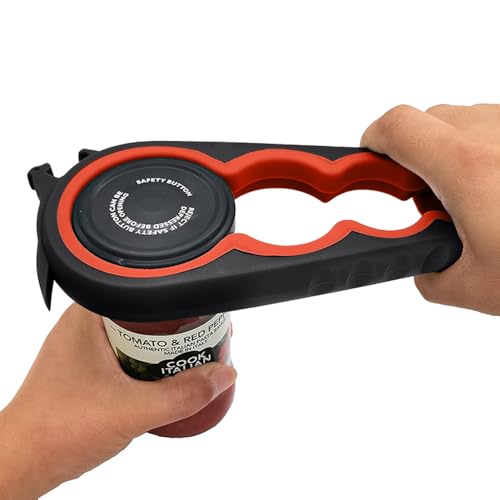


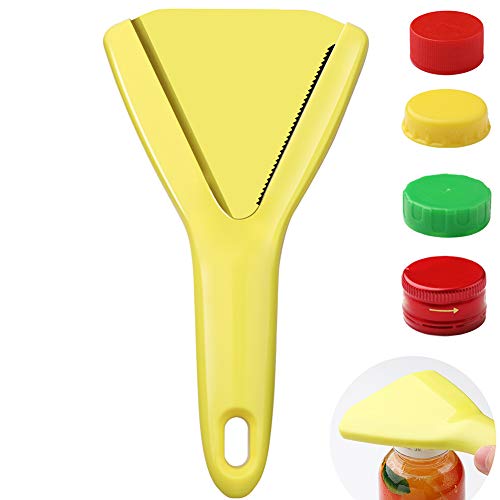
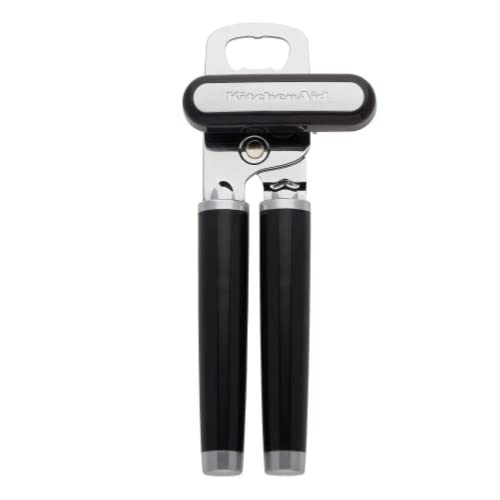
Jar lids, bottle caps, sealed packages. These are among the most consistent sources of kitchen frustration I hear about from older adults — and they’re also the category with some of the most effective solutions available.
Why Standard Lids Are So Hard
Opening a typical pasta sauce jar requires a combination of pinch strength, wrist torque, and sustained grip — and arthritis tends to attack all three simultaneously. Research on grip force suggests a standard vacuum-sealed jar can require 15–20 pounds of torque to open. That’s a significant ask for hands dealing with inflammation or reduced strength.
The Mechanics of Better Openers
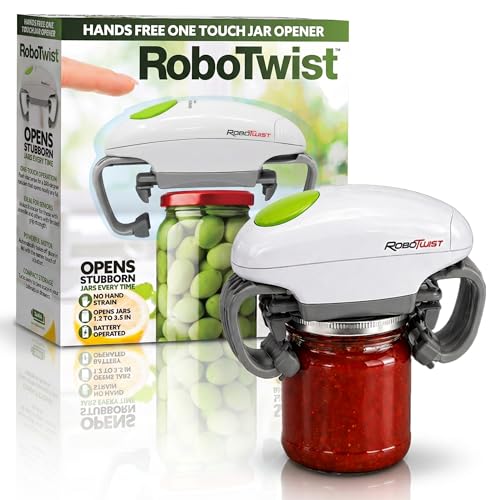
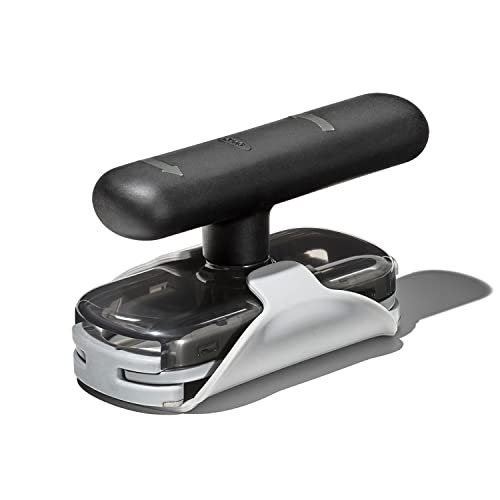
Electric and lever-style jar openers work by transferring the effort away from your hand entirely. Instead of your fingers providing torque, the device does — and you contribute only the light pressure needed to position it. The key distinction is whether the jar needs to be held mid-air (requiring grip from both hands) versus resting on the counter while the opener does its job. Counter-based operation wins every time for limited grip situations.
Matching the Tool to the Challenge
Rubber grip pads work well for mild grip challenges — they increase friction and reduce how hard you have to squeeze. But for genuinely limited hand strength, they still require you to generate the torque yourself. Electric countertop openers eliminate that requirement entirely, which is why they’re usually the higher-impact purchase for anyone who regularly skips certain foods because the packaging is too difficult to open.
A good jar opener isn’t a luxury. It’s the tool that keeps your cooking varied, enjoyable, and fully yours.
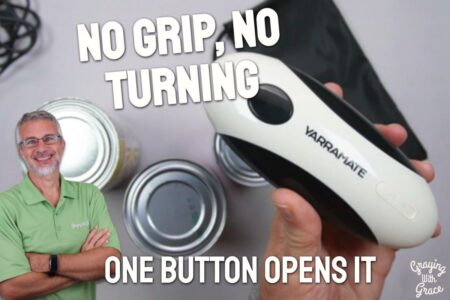
For the highest-impact single purchase in this category — whether you go with an electric countertop model or an under-cabinet mounted version — a dedicated jar opener solves the problem that shows up most often during meal prep.




Subscribe to our newsletter for more tips: Join here

Prepping Vegetables — Reducing Force Without Reducing Your Menu




Vegetable prep is where I’ve noticed something quietly significant: older adults start simplifying their cooking not because they want to, but because the prep feels like too much. Fresh vegetables get replaced by canned. Full recipes get swapped for simpler ones. The menu shrinks — not from preference, but from accumulated frustration.
The right tools restore the full menu. That matters more than it might sound.
Why Repetitive Chopping Accumulates Quickly
Hand-chopping with a standard knife demands repeated pinch-and-push motions, each one loading the same finger joints. A single onion might require 30–40 separate cuts. That’s 30–40 grip-load events stacked on top of each other. Even for hands with mild arthritis, that accumulation adds up fast.
Press-Style Choppers Change the Motion Entirely
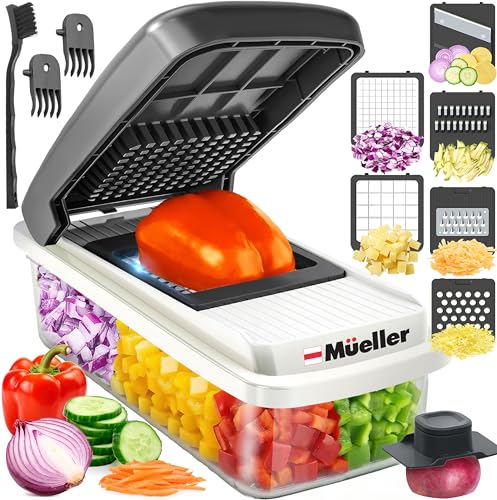
Pull-cord choppers and press-style vegetable choppers shift the effort from finger strength to a single palm-press motion. You place the vegetable, push down with the heel of your hand, and the chopping is done. No sustained pinch. No repeated motion. Same result in one movement.
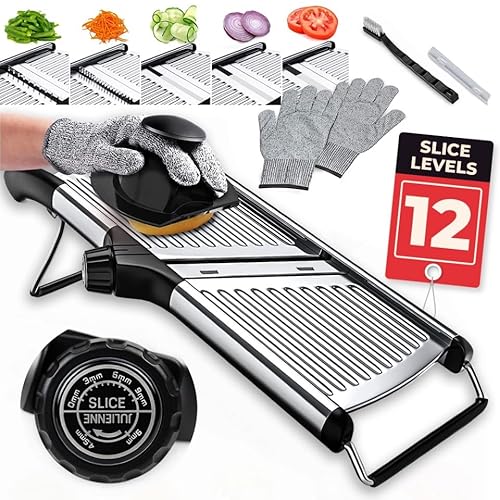
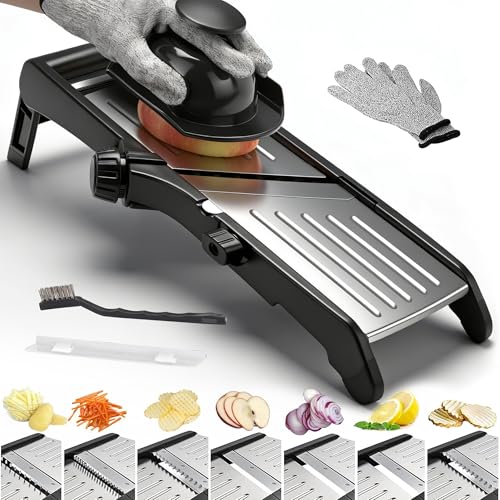
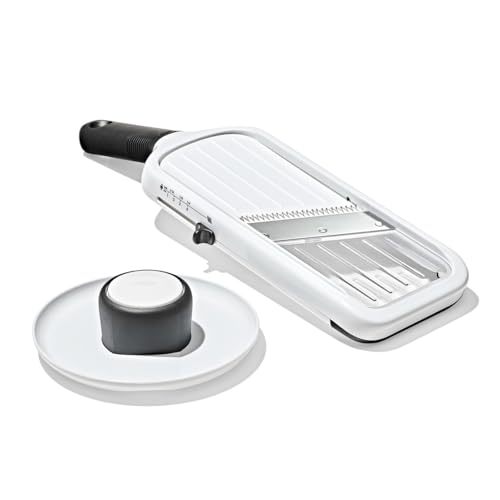
For anyone who slices frequently — cucumbers, zucchini, tomatoes — a mandoline-style slicer with a large, ergonomic push handle keeps your fingers completely away from the blade while producing consistent, even cuts. The key feature to check: does the hand guard give you enough surface to push against without needing to grip the food directly?
What to Ask Before You Buy Any Prep Tool
Two questions cut through the noise quickly. Does it require grip force to operate, or downward pressure? And does it stay stable on the counter without being held in place? Tools that answer both questions favorably will feel different from the first use.
If vegetable variety has quietly shrunk from your cooking because prep feels like too much work, test one press-style tool before assuming the limitation is permanent. In my experience, this is often the category where people are most surprised by how much the right tool changes things.
Pull-cord and press-style vegetable choppers are the most effective replacement for repetitive knife chopping — and for frequent slicing tasks, a mandoline with a wide ergonomic hand guard does what a knife can’t for hands that fatigue quickly.





Stirring, Spreading, and Everyday Utensils — The Handles You Hold All Day



This category gets overlooked because no single moment feels dramatic. It’s not one jar that won’t open. It’s five minutes of stirring a thick soup, followed by spreading butter across toast, followed by whisking eggs — small grips, repeated across every meal, every day. That accumulation is where joint wear actually builds.
Why Standard Utensil Handles Work Against You
Thin metal or narrow plastic handles concentrate grip pressure across the narrowest part of your finger joints. Every stir of a pot, every scrape of a spatula, every spread of a knife loads those same points repeatedly. It’s not any single motion that causes the problem — it’s the compounding effect across a full cooking session.
What Ergonomic Handles Actually Change
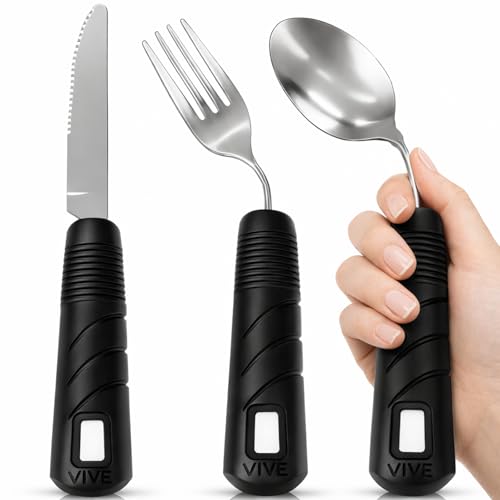
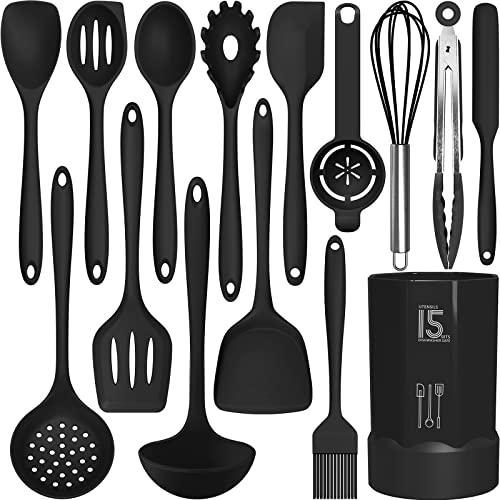
Wide, soft-grip handles with a slight oval shape do three specific things that matter. They distribute pressure across the palm instead of concentrating it on the fingers. The oval shape prevents rotation, so you don’t have to constantly correct your grip. And textured surfaces mean you don’t have to squeeze as hard to maintain control — the surface holds you, rather than requiring you to hold it.
Handles that are long enough to avoid wrist hyperextension also reduce a secondary strain that most people don’t notice until it’s gone. Wrist angle during stirring and spreading quietly taxes the tendons attached to the same joints already under stress.
Food Scissors as a Knife Replacement
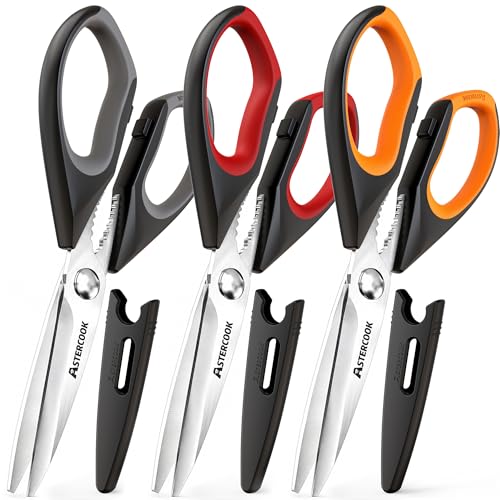
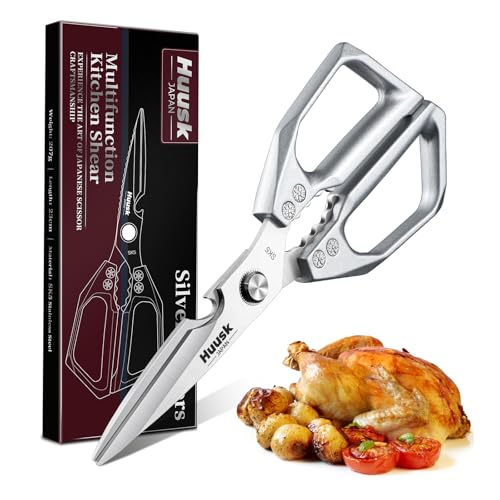
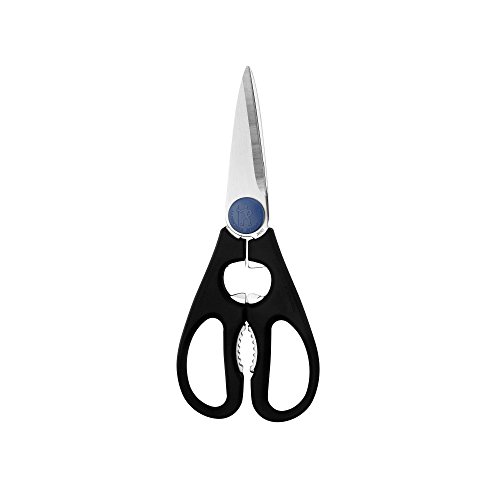
This one surprises people. Kitchen scissors — specifically heavier-gauge models designed for food — replace a remarkable number of tasks that typically require knife control: snipping fresh herbs, cutting pizza into slices, breaking down cooked chicken, portioning greens. One squeeze motion replaces multiple grip-intensive cuts, and scissors stay in your hand more naturally than a knife during fine work.
If there are two or three knife tasks you’ve been avoiding, scissors often solve them without requiring any adjustment to the rest of your kitchen setup. That’s the kind of single-tool fix worth starting with.
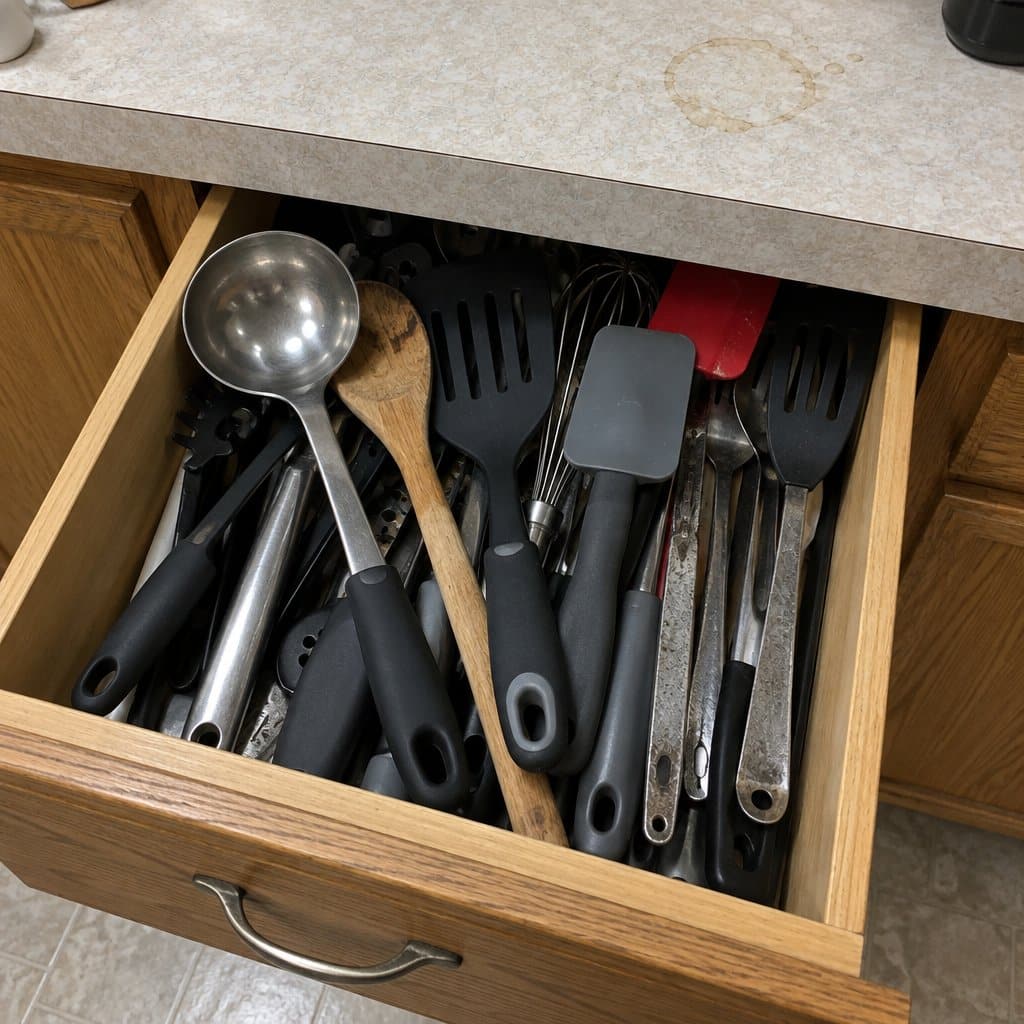
Upgrading your daily-use utensil drawer to ergonomic handles is the highest-frequency improvement you can make — and food scissors may be the most underestimated workaround for kitchen tasks that have become genuinely difficult with a knife. Both of these are the first place I’d look when helping someone evaluate their kitchen setup for arthritic hands.








Kitchen Tool Grip Strength Cheat Sheet
Download this free framework to test any kitchen tool against three simple factors—and instantly know which tools to keep, swap, or replace so cooking stays within reach without hand or joint pain.
Your Kitchen, Your Tools — Start With One
The three-factor framework — handle diameter, required pinch force, one-handed capability — travels with you. You can apply it to any tool you encounter, whether it’s something you already own or something you’re considering. You don’t need a full kitchen overhaul. You need a way to evaluate what’s in front of you.
The kitchen has always been yours. The frustration you’ve been feeling isn’t a sign that it’s time to step back — it’s been a sign that the wrong tools were in the drawer. The right ones change the experience completely, and they change it from the first use.
Walk through your kitchen and identify the single task that’s become the most frustrating. Just one. Then match that task to the category above, ask the three framework questions, and start there.
One tool. One problem solved. That’s enough to prove to yourself that cooking with arthritis or reduced grip strength isn’t about shrinking your menu — it’s about matching your tools to your hands.
Which task are you tackling first? Drop it in the comments — or share which tool has already made a difference. Your experience might be exactly what someone else needs to hear. And if you’re helping a parent navigate this, I’d recommend starting with our guide to must-have products for older adults living independently — the kitchen section pairs well with everything above.
For more on keeping the kitchen safe and accessible, our fall prevention checklist covers the room-by-room adjustments that matter most — including several that apply directly to kitchen safety. And if you’re thinking beyond the kitchen, our broader look at mobility aids and independence tools offers a useful next step.