![Keep older woman phone call notepad kitchen[1]](https://www.grayingwithgrace.com/wp-content/uploads/2026/05/keep-older_woman_phone_call_notepad_kitchen1-e1778616707221.jpg)
It’s 9 PM on a Tuesday. Your backup caregiver just canceled. Your mom can’t be left alone tomorrow morning, and you have a meeting you cannot miss.
You’re staring at your phone trying to remember who you could possibly call — and coming up blank.
This moment happens to nearly every family caregiver at some point. It is not a failure of planning. It is simply the reality of caregiving. And the good news is there is a clear, workable system for finding emergency backup care within 24 hours — one you can start activating right now.
Here’s how it works: a four-tier framework that moves from your personal network outward to professional platforms, then arms you with a fast vetting process and hidden financial benefits most families never tap.
Start Close: Your Personal Network Is Your Fastest Resource
Before you open any app or call any agency, your personal network is your fastest and most trusted first move.
Most caregivers underestimate how willing neighbors, friends, and extended family are to help — especially when the ask is specific and time-limited.
There’s a critical difference between these two approaches:
- Vague ask: “I might need some help soon — just letting you know.”
- Specific ask: “I have a work emergency tomorrow morning. Could you sit with my mom from 8 to 11 AM? She’ll just need breakfast and company.”
A clear ask gets a clear answer. A vague ask gets a vague non-commitment.
When you make the specific ask, include:
- The exact time window you need covered
- The specific tasks involved (meals, company, medication reminder)
- Why you’re in a bind (people want context — it helps them say yes)
Faith communities and neighborhood networks are chronically overlooked here. A neighbor who has seen your parent in the yard, a church friend who has offered help before — these are real options.
Before you move to the next tier, write down three names you could call tonight. Not eventually. Tonight.



When Family Can’t Step In: Same-Day Care Platforms That Actually Deliver
If your personal network comes up empty, there are national and regional platforms built specifically for urgent placement — and most caregivers have never heard of them.
Three Platforms to Contact Immediately
Care.com
The largest caregiver marketplace in the U.S. You can browse caregiver profiles, check reviews, and message available caregivers directly. Many caregivers on the platform accept same-day or next-day bookings. Open the site, enter your zip code, and start filtering by availability tonight.
Honor
A tech-enabled home care company with vetted, W-2 professional caregivers available in many major U.S. markets. Honor is designed for quality-conscious families who want professional care with background checks already done. Contact them directly and be upfront about the urgency.
Visiting Angels
A franchise network with local offices across the country. Individual offices often accommodate urgent requests, especially for shorter-duration needs. Call your local branch directly — not the national line — for the fastest response.
What to Say When You Call
Be direct about three things:
- The urgency (“I need coverage starting tomorrow morning”)
- The specific hours needed
- The care level required (companionship and supervision, personal care, medication reminders)
These platforms exist precisely for moments like this. Using them is resourceful.
While a new caregiver is getting oriented to your loved one, a medical alert device provides an important layer of safety — particularly for overnight monitoring or for the first few hours when a backup caregiver is still learning the routine. Home monitoring systems with two-way audio extend that coverage even further, letting you check in remotely without requiring the caregiver to make judgment calls alone.
Open one of these platforms on your phone right now and begin a search before you finish reading.



The 15-Minute Briefing That Makes Any Backup Caregiver Effective Immediately
The fastest way to make any backup caregiver effective — whether that’s a neighbor, a family member, or a professional — is a concise, written summary of your loved one’s needs.
This does not need to be a formal document. A single printed page or a note saved in your phone is enough.
The Six Things Every Backup Caregiver Must Know
- Daily routine and schedule — When does your loved one wake up, eat meals, take medications, and go to bed?
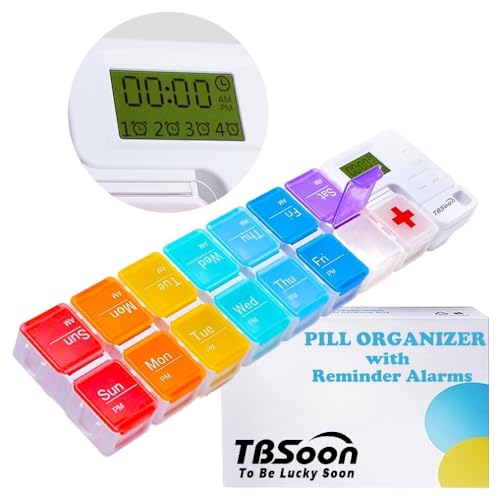
- Medications and timing — What medications, what doses, what times? A weekly pill organizer with clearly labeled compartments makes this handoff dramatically simpler and reduces the chance of errors during a stressful transition.
- Dietary needs and restrictions — Allergies, texture requirements, preferences
- Mobility and fall-risk notes — Does your loved one use a walker? Are there fall-risk areas in the home?
- Emergency contacts and physician information — Primary care doctor, specialist if relevant, your cell number and one backup
- Behavioral notes — Memory issues, anxiety triggers, what helps them feel calm and safe
Make It Shareable
Keep a printed copy in a visible location — on the refrigerator works well. Save a version to your phone. Share access to a simple document with trusted family members.
Having this ready removes one of the biggest sources of panic in a care crisis: the frantic verbal download at 6 AM to someone who has never met your parent.
This document is a gift of clarity to anyone who steps in to help your loved one. Build the first draft today — it will take 15 minutes and could save hours of stress the next time an emergency hits.






Caring for a loved one is one of the most demanding roles a person can take on. Each week, I share practical guidance, trusted resources, and solutions that make caregiving a little more manageable. Subscribe to the Graying With Grace newsletter and get expert-tested advice delivered straight to your inbox.

Five Questions That Tell You Everything You Need to Know About a Backup Caregiver
When time is short, you do not have the luxury of a lengthy vetting process. But five targeted questions will tell you what you most need to know.
The Five Questions to Ask Before You Confirm
“Have you worked with older adults who have [relevant condition — memory issues, mobility challenges, etc.]?” — This surfaces real experience fast.
“Are you comfortable with [specific task — transfers, medication reminders, meal preparation]?” — Match their skills to your actual needs.
“Do you have current references I can contact quickly?” — A confident caregiver will have these ready. Hesitation is a signal.
“Are you certified or licensed, and can you verify that?” — For platform-sourced caregivers, this is often pre-confirmed. For private hires, ask directly.
“What would you do if my loved one fell or had a medical emergency?” — This is the most revealing question. It tests actual emergency competence, not just availability. A strong answer includes calling 911, staying with the person, and contacting you immediately.
The difference between a platform-vetted professional and an unvetted private hire matters especially when you’re moving fast. Platforms like Honor have already run background checks. Care.com shows you verified reviews. That prior vetting gives you speed without sacrificing safety.
Save these five questions in your phone contacts right now so they’re available the next time you need them in a hurry.
For seniors with mobility challenges, understanding fall risk and home safety is critical context for any backup caregiver — especially one who is new to your loved one’s home environment.

The Backup Care Benefits Hiding in Plain Sight — Are You Leaving Money on the Table?
Many families paying out of pocket for emergency or respite care do not realize they may have access to financial assistance through Medicare, Medicaid, or community programs.
What Medicare Covers
Medicare provides limited but real coverage for short-term skilled care during qualifying events — primarily following a qualifying hospital stay or when a physician certifies medical necessity. It does not cover long-term in-home companion care, but it can offset costs during recovery periods.
Medicaid Waiver Programs
Many states include respite care as a covered benefit under Medicaid waiver programs for eligible seniors. Eligibility and availability vary by state, but this is a significant and frequently missed resource. Contact your state Medicaid office or your local Area Agency on Aging to ask specifically about waiver programs that include in-home respite services.
Key Resources to Contact Now
Eldercare Locator: Call 1-800-677-1116 to be connected to your local Area Agency on Aging. This is your single best first call for finding emergency respite resources in your community. They can often connect families to same-day or next-day options.
ARCH National Respite Network: The National Respite Locator at archrespite.org helps families find locally funded respite care options by state and county.
PACE Program (Program of All-Inclusive Care for the Elderly): An often-overlooked option for eligible seniors who need regular structured care. PACE provides comprehensive services through enrolled providers and may significantly reduce out-of-pocket caregiving costs for qualifying families.
The families who feel least financially stressed by caregiving are often not the ones with the most money — they’re the ones who learned what programs existed before they desperately needed them.
Do one thing this week before you’re in a crisis: call 1-800-677-1116 and ask what respite resources exist in your area. That 10-minute call could change your long-term caregiving picture entirely.

Build Your Backup Plan Before the Next Emergency
The overnight care crisis is a universal caregiving moment — it is not a sign that you have failed your loved one.
The families who navigate it best are not the ones with unlimited resources. They are the ones with a system ready to activate.
You now have that system:
- Tier 1: A specific personal network ask with three names you’ve already identified
- Tier 2: Three platforms — Care.com, Honor, and Visiting Angels — ready to contact immediately
- Tier 3: A 15-minute care briefing document that makes any backup caregiver effective from the first hour
- Tier 4: Five vetting questions saved in your phone and benefit programs most families never knew to ask about
That is a real plan. Not a vague intention — a workable system.
If you want to put support systems in place that reduce the chance of a crisis becoming a catastrophe, start with the simplest action available to you right now: open a new note on your phone and begin that 15-minute care briefing document.
For caregivers managing dementia or memory issues specifically, daily reminder systems reduce the cognitive load on backup caregivers who are new to your loved one’s routine — and they make your care briefing document even more effective.
You don’t have to figure this out from scratch ever again. You have the framework. Now do one thing with it today.
What backup care solutions have worked for your family? Share in the comments — your experience is exactly the kind of practical knowledge other caregivers in this community need.