
![Elderly black woman angled splatter guard[1]](https://www.grayingwithgrace.com/wp-content/uploads/2025/12/elderly_black_woman_angled_splatter_guard1-e1765214805474.jpg)
Have you ever caught your adult child watching in absolute horror as you carefully arrange dinner on a plate, cover it with a damp paper towel, and set the microwave to 50% power? The eye roll is almost audible.
Here’s what they don’t understand: You didn’t just learn to “reheat leftovers” in a microwave. You actually learned to cook in one.
I remember my mom attending microwave cooking classes in the early 1980s when this technology was brand new. She and her friends learned how to prepare complete, multi-step meals that were genuinely delicious—not just popcorn and reheated pizza. They understood power levels, standing time, and moisture retention before “reheat” buttons even existed.
The truth is, there’s a fascinating divide between those who mastered microwave cooking as a legitimate skill and those who only know it as a quick-zap appliance. And here’s the surprising part: you might actually know more than you think.
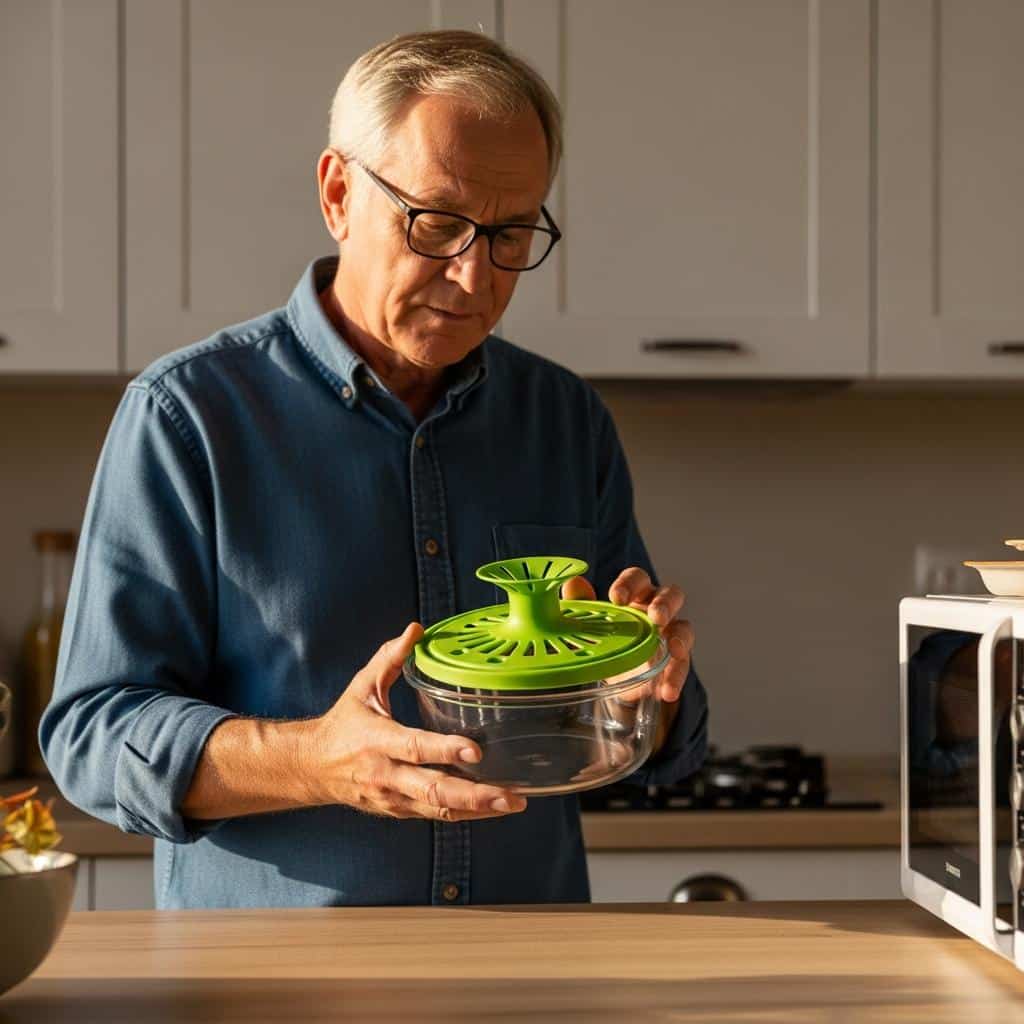
The Sophisticated Skills You Mastered (That Your Kids Never Learned)
Let’s talk about what you know that the younger generation completely missed.
You understand the art of defrosting. Not just hitting a button, but the real technique: rotating the dish, using 30% power, allowing standing time for even thawing. You learned this through actual experience, not a preset.
You know the paper towel trick isn’t old-fashioned—it’s brilliant. Covering food with a slightly damp paper towel prevents moisture loss and keeps food from turning rubbery. This is food science at work, and younger cooks who skip this step are actually doing it wrong.
You mastered strategic food arrangement. Placing denser items toward the outside, creating a ring of vegetables, leaving the center empty for even heating—these aren’t random habits. These are techniques you developed through years of trial and error.
You developed an intuitive touch test. After decades of microwave cooking, you can tell doneness by touch and appearance in ways that no sensor can replicate. That’s expertise, not guesswork.
Here’s why this matters: When microwaves were new technology, they came with detailed instruction manuals and cooking guides. People took classes to learn proper techniques. Your generation treated the microwave as a serious cooking tool, and you developed real skills around it.
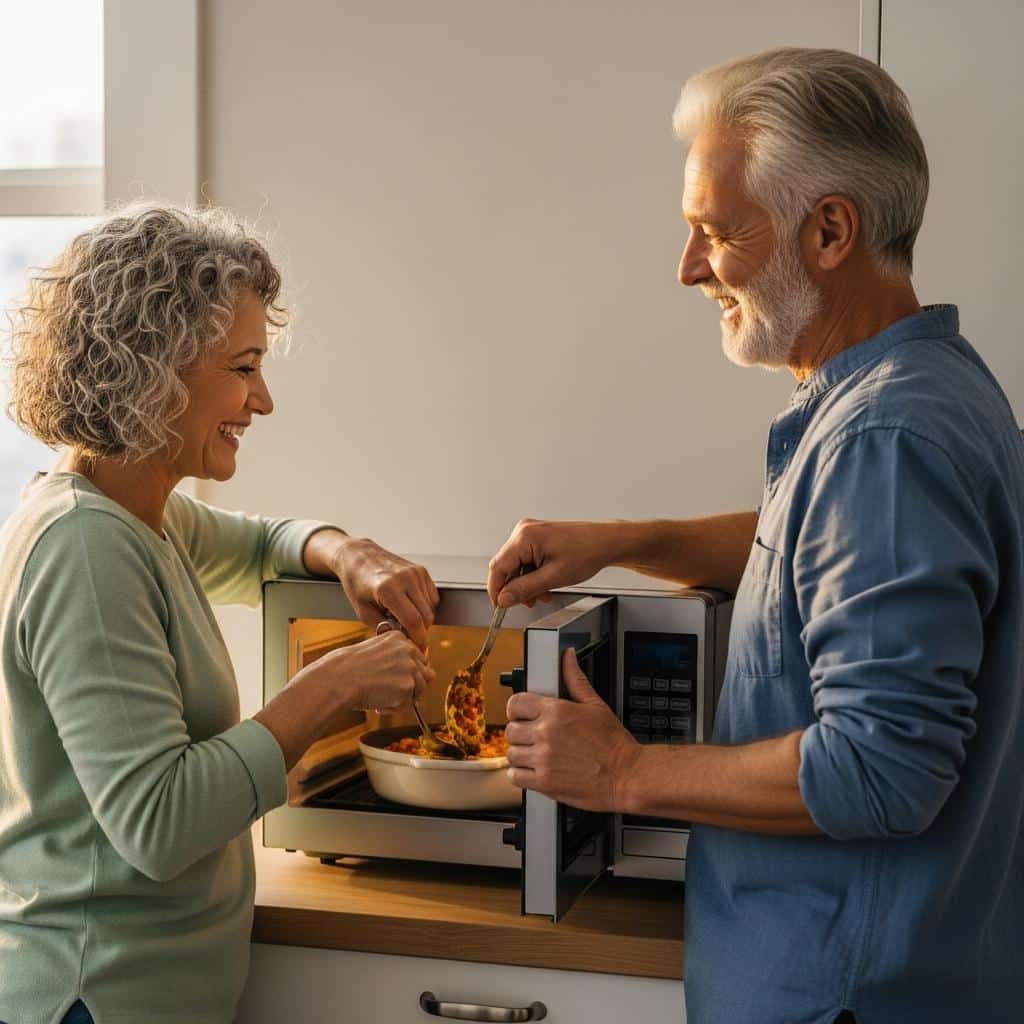
What Your Kids Are Right About (And Important Safety Updates You Should Know)
Now, let’s be honest—some of their concerns are actually valid, and there are important safety updates worth knowing.
Superheated water is a real danger. If you heat water alone in the microwave with no tea bag or wooden spoon to disrupt it, the water can become superheated above boiling point without bubbling. When disturbed, it can explode violently. This is the one microwave danger that’s genuinely serious and often overlooked.
Modern container safety has changed. Many plastics we once used regularly are now known to leach chemicals when heated. If your plastic containers are scratched, warped, or over a few years old, it’s time to replace them with glass or newer BPA-free containers marked “microwave-safe.” For families supporting loved ones with cognitive concerns, choosing dementia-friendly kitchen appliances with clear controls and safety features becomes even more important.
Newer microwaves have genuinely helpful features. Auto-shutoff prevents overcooking, sensor cooking adjusts time automatically based on steam, and improved shielding makes them safer than vintage models. If your microwave is more than 15 years old, upgrading to a senior-friendly model with easy-to-read controls might be worthwhile.
Some metals are actually safe now. Modern microwave-safe containers sometimes include metal components specifically designed for microwave use. The blanket “no metal” rule is more nuanced than it used to be—though you should still avoid aluminum foil and random metal items.
The key is updating your considerable expertise with current safety information, not abandoning what you know.
Ready to discover more innovative strategies for healthy, comfortable aging? Subscribe to our newsletter for expert-tested tips and product recommendations designed specifically for older adults.
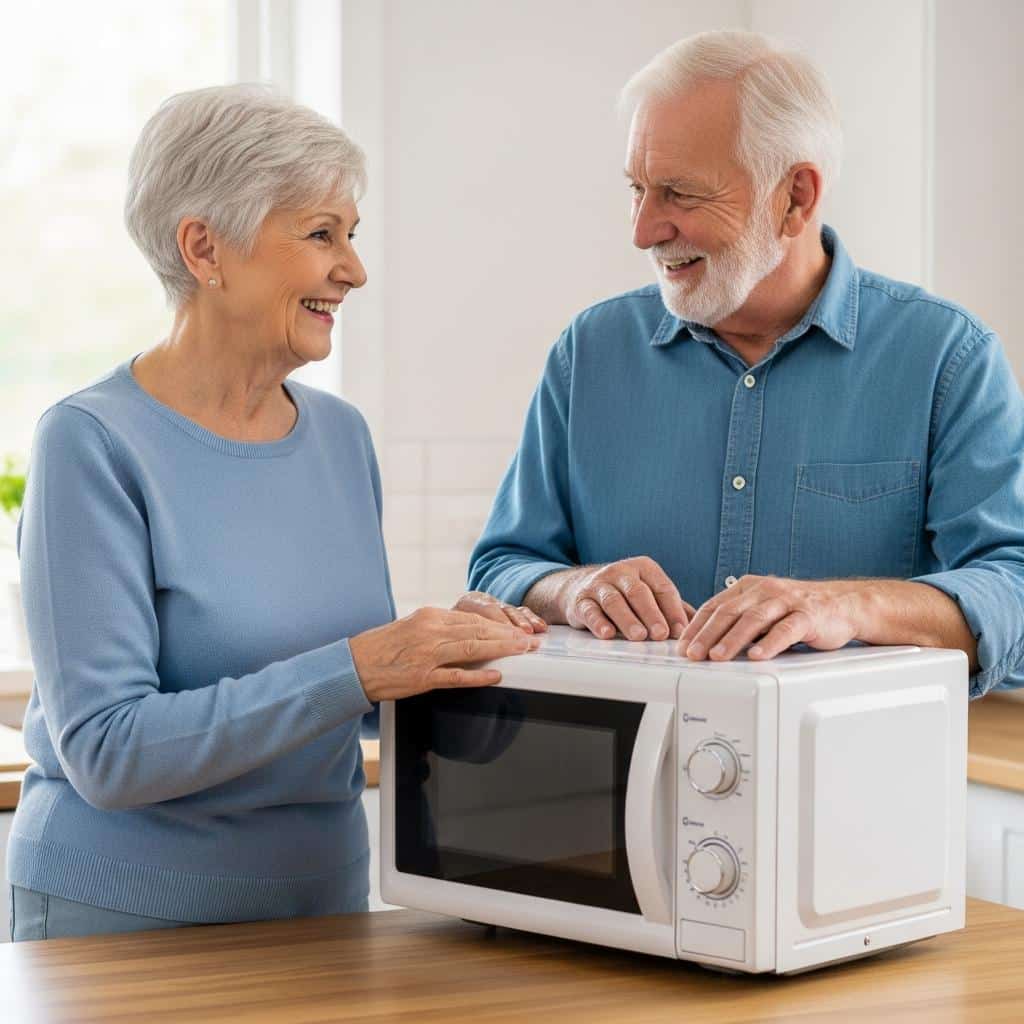
Beyond “Add 30 Seconds” – Settings You Might Be Overlooking
Even if you’re an experienced microwave cook, some features on newer models might be worth exploring.
Power level settings are underused treasures. Most people only use full power, but 50% power is perfect for even reheating of casseroles, 30% for gentle defrosting, and 70% for cooking delicate items like eggs or fish. You probably know this instinctively from older microwaves that required manual power adjustment.
The pause button is strategic. Pausing halfway through cooking to stir or rotate isn’t just old-fashioned—it’s still the best way to ensure even heating, even with turntable models. Your habit of stopping and checking is actually optimal technique.
Defrost by weight is more precise than time. If your microwave has this feature, it calculates defrosting time based on the actual weight of food rather than guesswork. Enter the weight, and it adjusts power and time automatically.
Sensor cooking works, but isn’t magic. These settings detect steam to determine when food is done. They work well for reheating leftovers and steaming vegetables, but your experienced judgment is often more reliable for complex dishes.
The soften/melt settings save frustration. Specific settings for softening butter or melting chocolate use lower power levels to prevent the dreaded “liquid around the edges, solid in the middle” problem. These automate the power-level knowledge you already have.
Think of these features as tools that complement your expertise, not replace it.
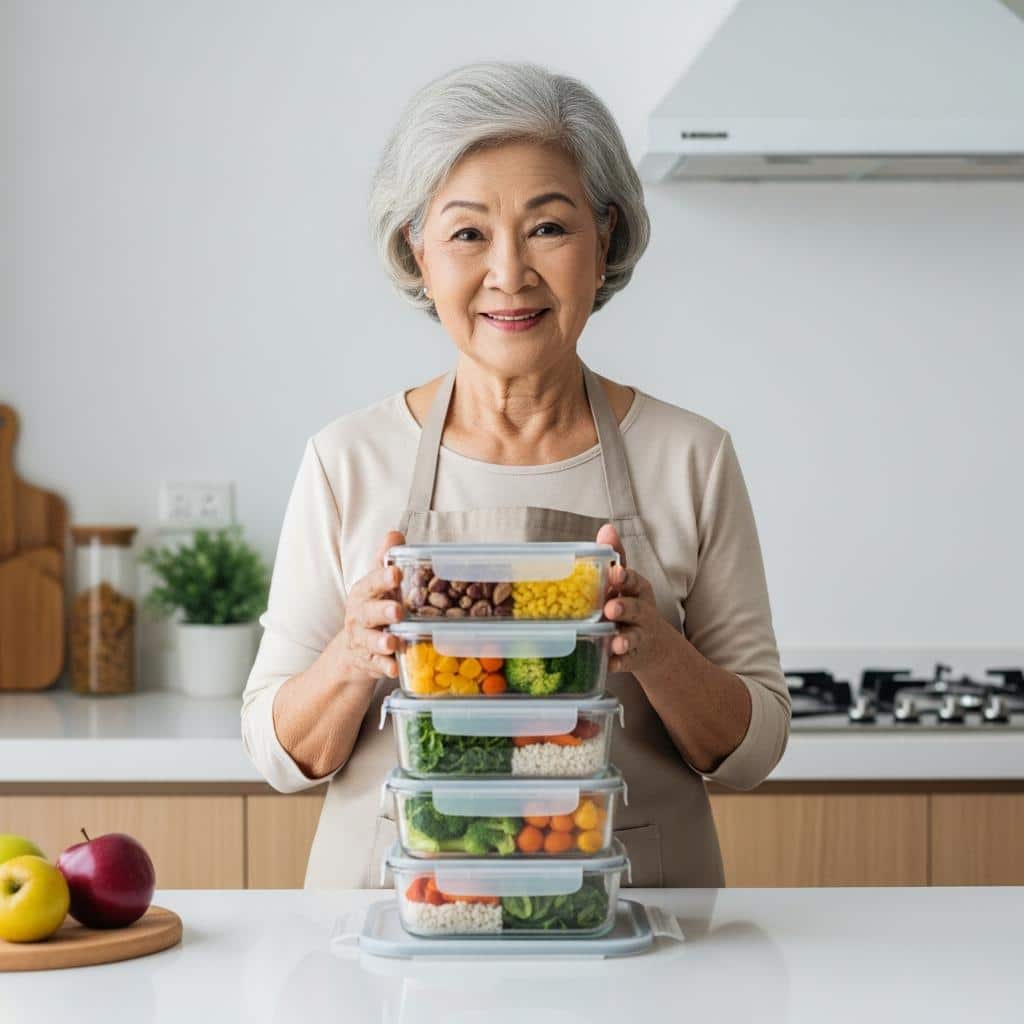
Quick, Nutritious Microwave Meals for One or Two
Let me share some genuinely healthy microwave recipes that work perfectly for smaller households—real cooking, not just reheating.
Perfect steamed vegetables in minutes. Place fresh or frozen vegetables in a microwave-safe bowl with 2 tablespoons of water, cover loosely, and microwave on high for 3-5 minutes depending on density. Broccoli, cauliflower, and green beans retain more nutrients this way than boiling.
Poached egg in a mug. Crack one egg into a microwave-safe mug with 1/3 cup water. Pierce the yolk with a fork, cover with a small plate, and microwave on high for 50-60 seconds. You’ll have a perfectly poached egg without fussy stovetop work.
Single-serving oatmeal bowl. Combine 1/2 cup oats, 1 cup water or milk, and a pinch of salt in a large bowl (it bubbles up). Microwave on 50% power for 3-4 minutes, stirring once. Top with fresh fruit, nuts, and a drizzle of honey.
Moist, tender fish. Place a 4-6 oz fish fillet in a shallow dish with a tablespoon of lemon juice or white wine, cover with parchment paper, and microwave on 70% power for 3-4 minutes. The fish will be perfectly cooked and tender—no fishy kitchen smell.
Fluffy baked potato in 8 minutes. Pierce a medium potato several times with a fork, place on a paper towel, and microwave on high for 4 minutes. Flip and cook another 3-4 minutes until tender. Let it stand for 2 minutes before cutting open.
These aren’t shortcuts—they’re smart cooking techniques that support your independence and healthy eating habits. For more ideas on creating nutrient-rich meals quickly, simple preparation methods can help you maintain excellent nutrition without spending hours in the kitchen.
Modern Accessories That Actually Make Microwave Cooking Easier
A few well-designed tools can enhance your microwave expertise, especially if arthritis or grip strength is becoming a concern.
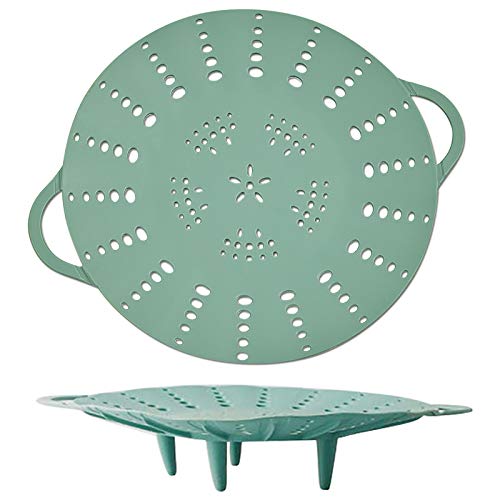
Silicone steamer baskets with large handles. These colorful steamers have generous handles that are easy to grip, and they fold flat for storage. They’re perfect for vegetables and are dishwasher-safe for easy cleanup. If you find traditional kitchen tools challenging due to joint discomfort or grip concerns, adaptive accessories can make a significant difference.


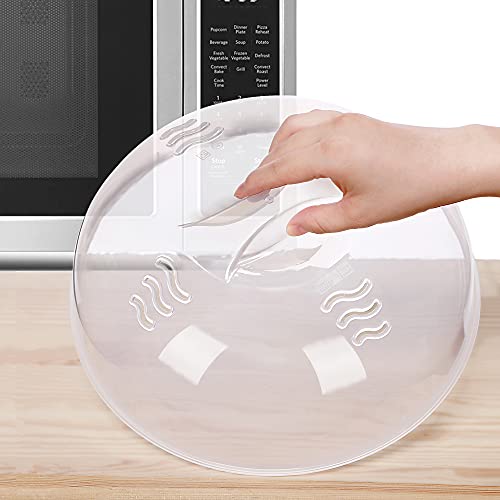
Vented microwave covers. Unlike plastic wrap, these reusable covers prevent splatters while allowing steam to escape. Look for ones with easy-lift handles that don’t require precise placement.




Portion-control containers designed for microwaves. These glass or BPA-free plastic containers come in single-serving sizes, making it easy to prepare and store healthy meals. The clear glass makes it easy to see what’s inside.


![M MCIRCO [5-Pack,36 Oz] Glass Meal Prep Containers 2 Compartments](https://m.media-amazon.com/images/I/51Fn7jkXz2L._SL500_.jpg)

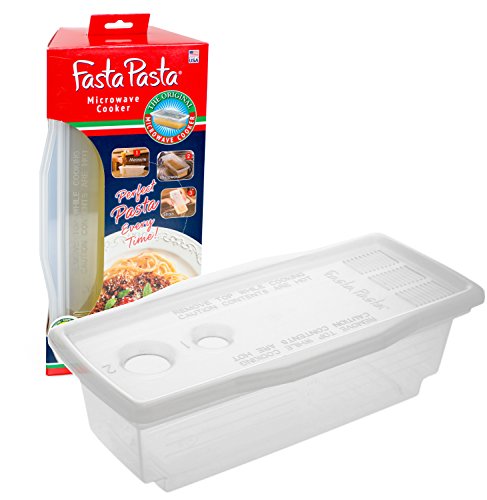
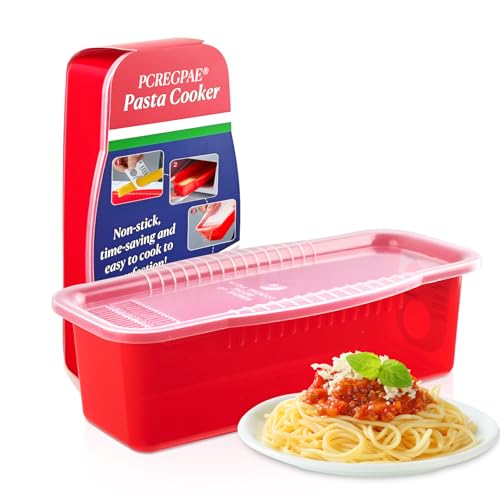
Microwave egg cookers and pasta cookers. These specialized containers take the guesswork out of cooking eggs or small portions of pasta. They’re particularly helpful if you’re cooking for one and don’t want to heat up a full pot of water.


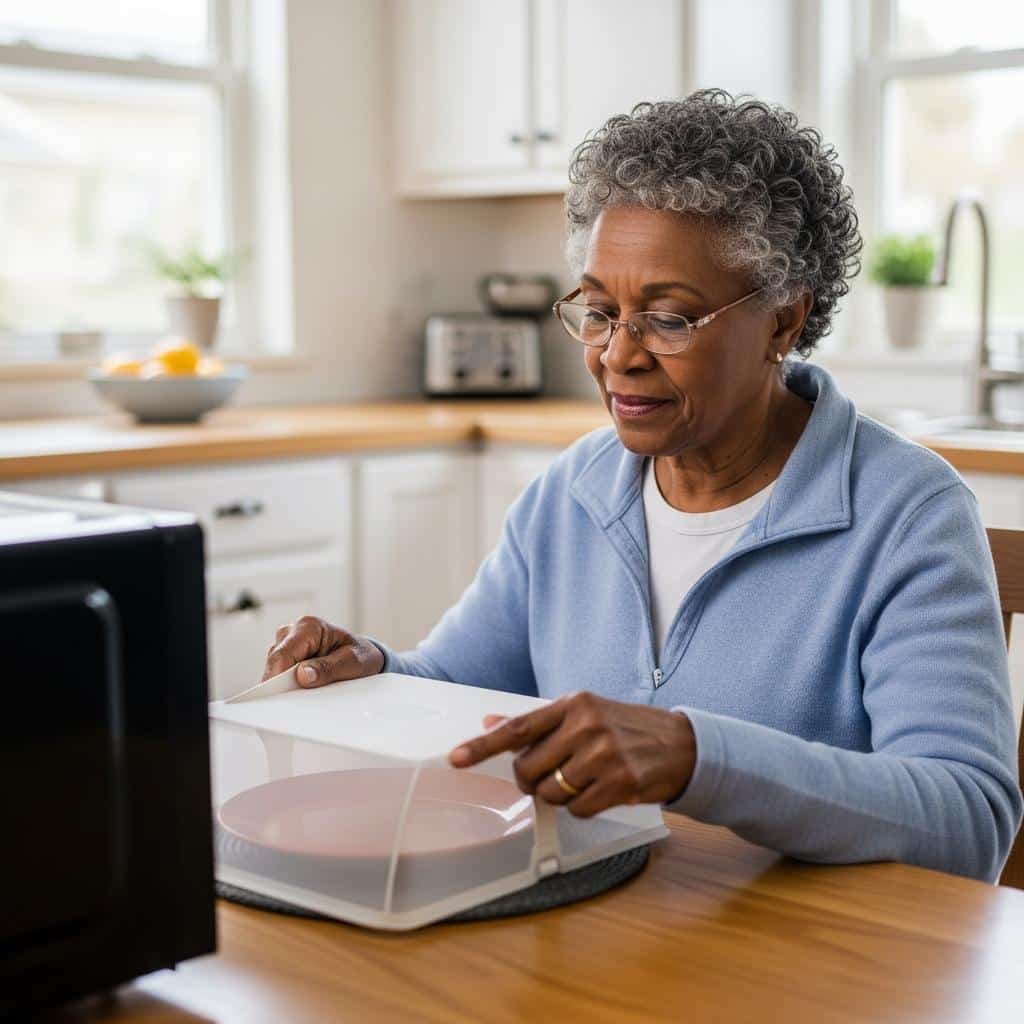
Angled splatter guards. These dome-shaped covers are lighter than plates but more effective than paper towels, and they stack for easy storage. The angled design makes them easier to lift off hot dishes.
These tools weren’t available when you first learned microwave cooking, but they complement the skills you already have—especially the ones that make handling hot dishes safer and easier.
Ready to discover more innovative strategies for healthy, comfortable aging? Subscribe to our newsletter for expert-tested tips and product recommendations designed specifically for older adults.
Your Microwave Mastery Still Matters
Here’s what the younger generation doesn’t fully appreciate: you learned microwave cooking when it required actual skill and knowledge.
You understand power levels, moisture retention, standing time, and strategic food arrangement because you had to learn them. These aren’t outdated habits—they’re fundamental cooking principles that still produce better results than just pressing “add 30 seconds” repeatedly. Just like some seniors are surprisingly adept with modern technology, your generation’s methodical approach to learning new skills often yields deeper expertise.
The best approach combines your decades of hands-on expertise with a few modern safety updates and helpful accessories. You’re not learning from scratch—you’re simply updating skills you already mastered years ago.
This week, try one new thing: maybe explore that defrost-by-weight setting, or invest in a silicone steamer with easy-grip handles. Small improvements to techniques you already know can make daily cooking even easier and more enjoyable.
After all, efficient, healthy cooking isn’t just convenient—it’s one of the ways you maintain your independence and vitality. Your microwave expertise is part of that foundation.
What microwave technique did you master years ago that your kids don’t understand? Share your experience in the comments below—your insight might help a fellow reader rediscover their own microwave confidence!

![Older man cane eating quick microwave meal[1]](https://www.grayingwithgrace.com/wp-content/uploads/2025/12/older_man_cane_eating_quick_microwave_meal1-e1767119019397-450x300.jpg)
![Elderly man walker junk drawer rubber band 1[1]](https://www.grayingwithgrace.com/wp-content/uploads/2025/12/elderly_man_walker_junk_drawer_rubber_band-11-e1765808720869-450x300.jpg)
![Senior couple testing microwave doors[1]](https://www.grayingwithgrace.com/wp-content/uploads/2025/12/senior_couple_testing_microwave_doors1-e1765215776583-450x300.jpg)
![Multi gen family cooking kneading dough[1]](https://www.grayingwithgrace.com/wp-content/uploads/2025/12/multi_gen_family_cooking_kneading_dough1-e1765213705990-450x300.jpg)
![Elderly man with walker watching grandchild dessert[1]](https://www.grayingwithgrace.com/wp-content/uploads/2025/11/elderly_man_with_walker_watching_grandchild_dessert1-e1762874265659-450x300.jpg)


