
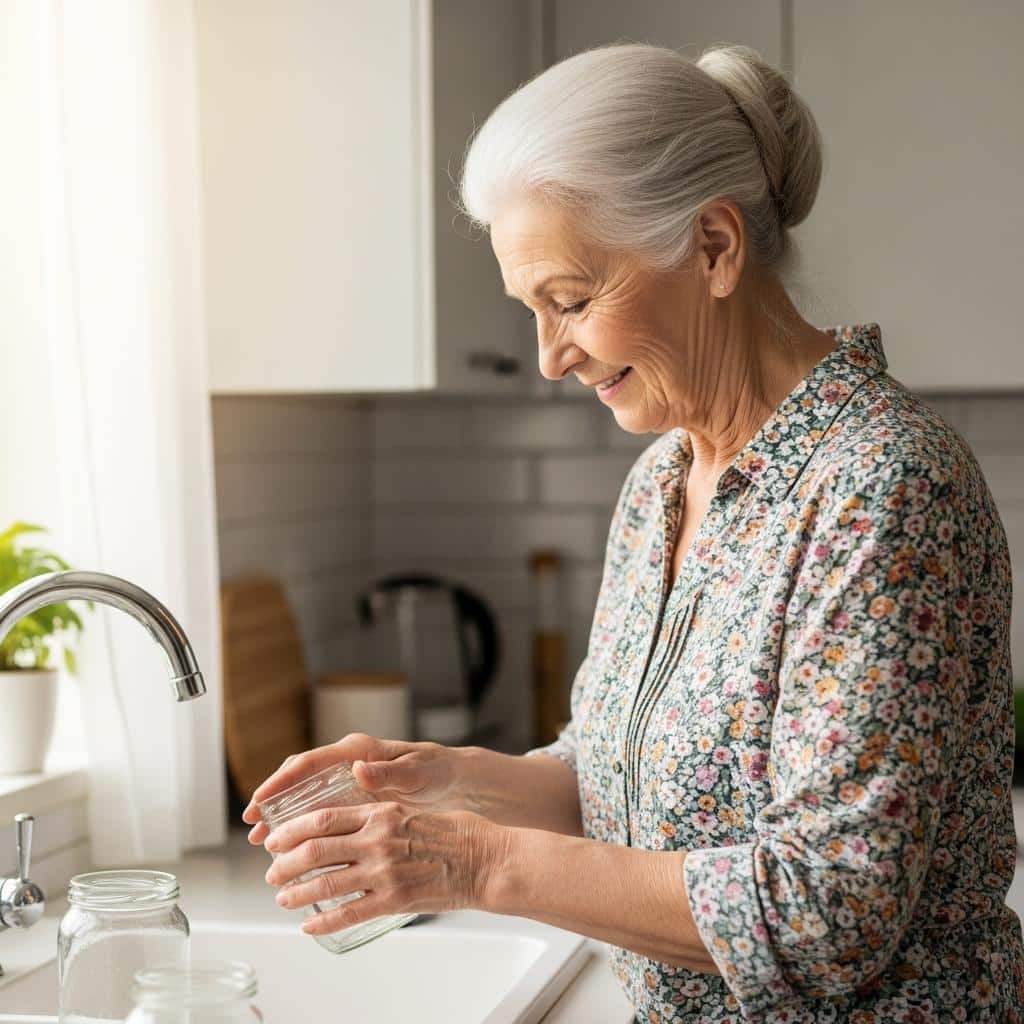
![Older woman washing jars kitchen sink[1]](https://www.grayingwithgrace.com/wp-content/uploads/2025/12/older_woman_washing_jars_kitchen_sink1-e1765809604552.jpg)
Have you ever caught someone rolling their eyes when you carefully wash out a glass jar to save for later?
Maybe your daughter laughs at your collection of butter containers.
Perhaps your grandkids tease you about hanging clothes on the line instead of tossing them in the dryer.
Here’s what might surprise them: Those “old-fashioned” habits they’re teasing you about?
They’re actually more environmentally advanced than most of the trendy eco-products filling store shelves today.
What if I told you that the kitchen practices you’ve maintained for decades—the ones dismissed as outdated or stubborn—are exactly what environmental experts are now telling younger generations to adopt?
The truth is, you’ve been an environmental pioneer all along. You just called it being practical.
The Habits Your Grandmother Taught You Are Finally Getting Recognition
Here’s the fascinating reality: Many traditional kitchen practices create less waste, use less energy, and have a smaller carbon footprint than their modern “convenient” alternatives.
While younger generations are discovering concepts like “zero waste” and “sustainable living,” you’ve been quietly practicing these principles all along. The difference? You learned them from necessity and common sense, not from social media influencers.
The following habits might have earned you teasing comments at family dinners. But as you’ll see, each one represents genuine environmental wisdom that deserves celebration, not criticism.
Saving and Reusing Containers
You know that cabinet—the one where butter tubs and glass jars seem to multiply overnight? The one your kids joke about every time they visit?
That’s not clutter. That’s environmental activism in action.
The practice: You wash and save glass jars, butter containers, yogurt tubs, and margarine containers instead of buying new storage solutions.
What it replaced: Expensive glass storage container sets and single-use plastic bags that end up in landfills.
The environmental win: The average household generates about 400 food containers annually. When you reuse them, every single one represents waste prevented from landfills and zero additional manufacturing carbon footprint.
Think about it this way: Manufacturing new glass containers requires mining raw materials, heating them to 2,600°F, and transporting finished products across the country. Your practice? Wash, dry, done. No factory required.
Making It Work Even Better
Getting labels off glass jars is easier than you think. Make a paste with baking soda and a little water, let it sit for 10 minutes, then scrub.
Or soak jars in hot water for 30 minutes—most labels peel right off.
Glass jars work beautifully for pantry storage—dry beans, rice, pasta, and baking supplies stay fresh and visible. Plastic containers with lids are perfect for freezer storage since they won’t crack in cold temperatures.
You’re not hoarding containers. You’re maintaining a renewable storage system that never runs out and never fills a landfill.
Using Cloth Instead of Paper
Your dish towel collection isn’t excessive. It’s a renewable resource center that never runs out at the worst possible moment.
The practice: You use cloth napkins at meals and dish towels for spills and drying instead of reaching for paper towels.
What it replaced: Disposable paper towels and napkins for every spill, meal, and cleaning task.
The environmental win: The average American family uses about 60 rolls of paper towels per year. That’s 540 pounds of waste heading to landfills annually—waste that requires harvesting trees, processing pulp, and manufacturing single-use products.
When you use cloth instead, every towel can be washed and reused hundreds of times. The environmental math is staggering: one cloth towel replaces approximately 3,000 paper towels over its lifetime.
Making It As Convenient As Paper
Keep a small basket or bin near the sink for used dish towels and napkins. When it’s full, toss everything in with your regular laundry.
No special washing required. No separate loads necessary.
The habit feels second nature after about two weeks. Once you’re accustomed to reaching for cloth first, paper towels start seeming wasteful rather than convenient.
Want more wisdom on sustainable living that honors traditional practices? Subscribe to our newsletter for weekly tips that celebrate the smart habits seniors have known all along.
Saving Scraps and Planning Meals Around What You Have
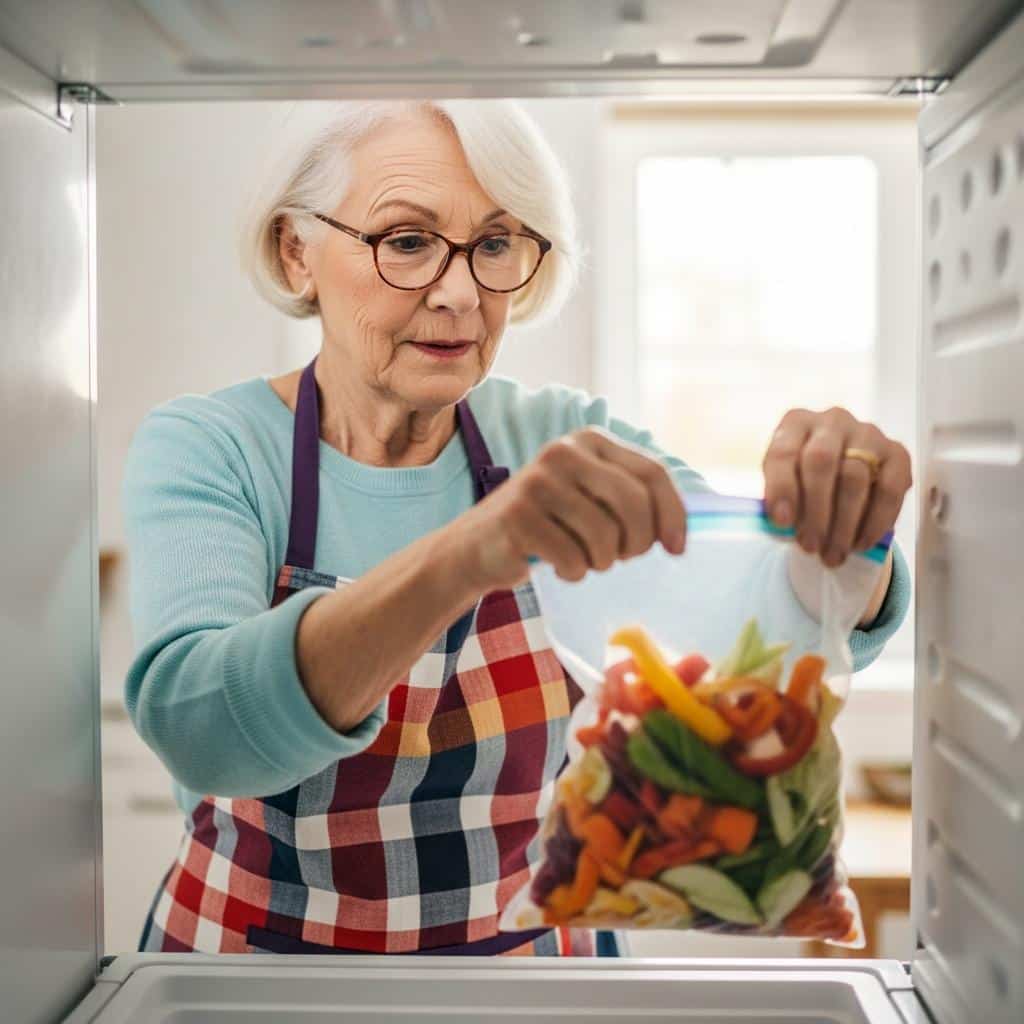
That gallon bag of veggie scraps in your freezer isn’t being a packrat. It’s ingredients for homemade stock that costs nothing and creates zero packaging waste.
The practice: You keep a freezer bag for vegetable scraps like onion skins, carrot ends, and celery leaves to make homemade stock. You also shop with a list and plan meals around what’s already in your refrigerator.
What it replaced: Buying boxed or canned stock with all its packaging waste, making frequent store trips for impulse purchases, and throwing out wilted produce.
The environmental win: Food waste in landfills creates methane, a greenhouse gas 25 times more potent than carbon dioxide. When you use every bit of produce you buy, you’re preventing that methane production.
The average American family throws away about $1,500 worth of food annually. Traditional meal planning—the kind where you actually eat what you buy—reduces food waste by up to 70%.
Plus, making your own stock eliminates the packaging waste from store-bought versions. Those boxes and cans add up to thousands of pounds of waste per year across millions of households.
What to Save for Stock
Save onion skins and ends, carrot peels and tops, celery leaves and ends, parsley stems, mushroom stems, and the tough outer leaves of cabbage.
Skip cruciferous vegetables like broccoli and cauliflower—they make stock bitter.
When your bag is full, dump everything in a pot with water and simmer for an hour. Strain, and you have stock that costs nothing and tastes better than anything from a box.
Simple meal planning strategy: Once a week, look at what’s in your refrigerator before making a shopping list. Plan three meals around ingredients you already have. This single habit prevents most food waste and saves money too. For more tips on stretching your budget while maintaining quality meals, consider combining traditional meal planning with strategic shopping habits.

Line Drying and Air Drying
That folding drying rack in the corner isn’t a throwback to simpler times. It’s a zero-emission appliance that never breaks down and costs nothing to operate.
The practice: You hang clothes on outdoor lines or indoor racks instead of using electric dryers. You let dishes air-dry in the dish rack instead of using the dishwasher’s heat-dry cycle.
What it replaced: Running electric dryers for every single load and electric dishwasher heating elements.
The environmental win: Clothes dryers are the second-biggest energy consumers in American homes after refrigerators. Line drying saves more than 1,000 kilowatt-hours annually—enough electricity to power your refrigerator for three months.
That translates to preventing about 1,500 pounds of carbon dioxide emissions per year. For context, that’s equivalent to driving 1,700 miles in a typical car.
Air-drying dishes saves about 15% of your dishwasher’s total energy use. Small change, but it adds up over time.
Making Indoor Drying Work
You don’t need a backyard to line-dry clothes. Folding drying racks work beautifully in apartments and small spaces.
Hang delicate items on hangers from your shower rod. They’ll be dry by morning.
Speed-drying tip: Shake out each item vigorously before hanging—this removes excess water and prevents wrinkles. Space items properly so air can circulate. Everything dries faster than you’d expect.
Save the electric dryer for heavy items like comforters and bath towels. Everything else air-dries just fine.
Making From Scratch and Mending Instead of Replacing
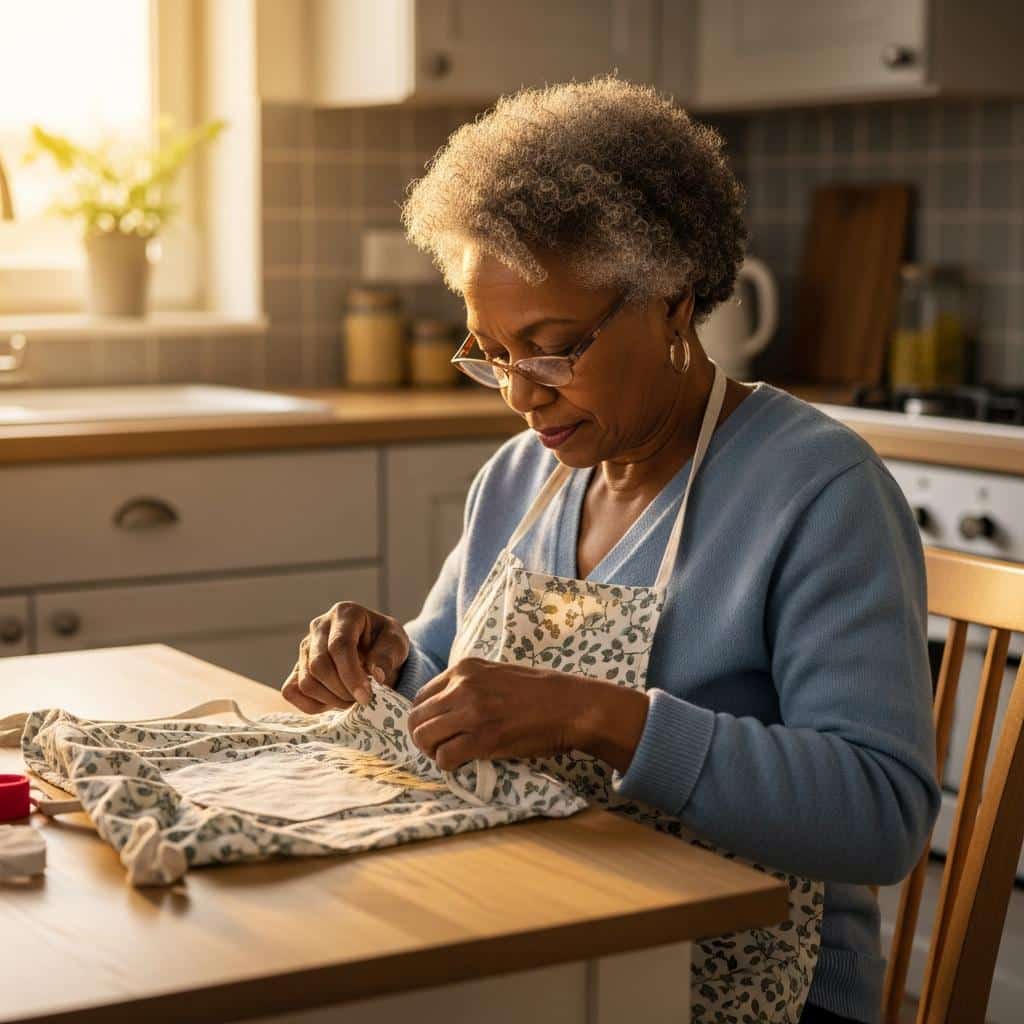
Your darning needle isn’t old-fashioned. It’s a superpower that extends the life of your favorite sweater by years instead of sending it to a landfill after one season.
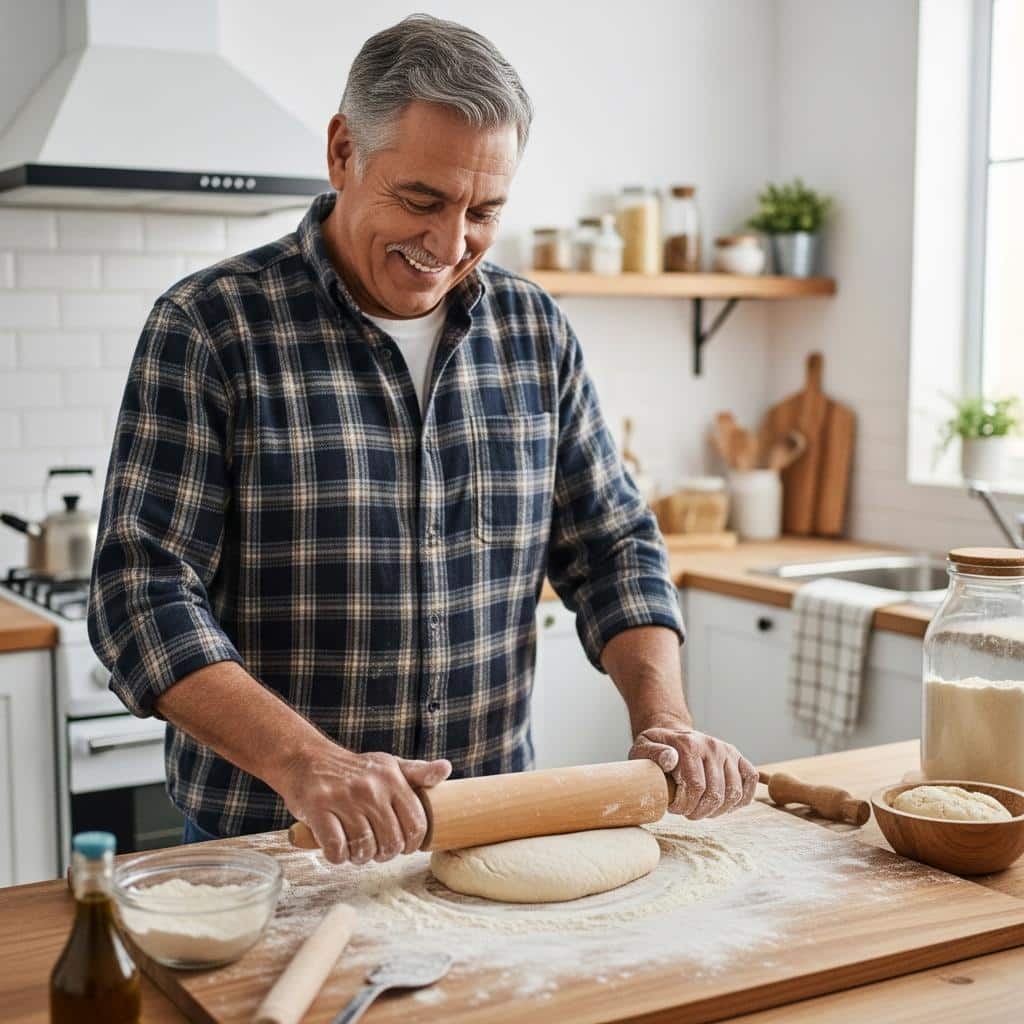
The practice: You make bread, baked goods, sauces, and staples from scratch. You also sew on buttons, fix appliances, and mend clothing instead of automatically replacing items.
What it replaced: Pre-packaged foods wrapped in layers of plastic and cardboard. The “just buy a new one” mentality that treats everything as disposable.
The environmental win: Every loaf of homemade bread eliminates a plastic bag plus the cardboard sleeve or twist tie. Making a batch of tomato sauce from fresh tomatoes prevents multiple glass jars and metal lids from entering the waste stream.
The numbers are even more dramatic for mending and repairing. Manufacturing new products creates about 90% more carbon emissions than repairing existing ones. When you fix a button or patch a hole, you’re extending that item’s lifespan by years.
Fast fashion has convinced younger generations that clothing is disposable. But your generation knows better—quality items, properly cared for and occasionally mended, can last decades.
These repair skills and knowledge about quality goods represent valuable expertise. When you leverage your life experience and traditional skills, you’re not just saving money—you’re practicing and preserving craftsmanship that’s increasingly rare.
Making Scratch Cooking Manageable
The secret is batch cooking. When you make bread or sauce from scratch, make double and freeze half.
Your freezer becomes a convenience store stocked with homemade foods that just need reheating. No packaging, no preservatives, no waste.
Basic repair skills anyone can learn: Sewing on a button takes about five minutes once you know how. Many appliances that seem “broken” just need a good cleaning—remove lint, wipe sensors, check for clogs.
When repair makes sense: If the repair costs less than half the replacement price and the item is otherwise in good condition, fix it. Local tool libraries and repair cafes can provide both tools and expertise. These same principles of making smart, budget-friendly home modifications apply throughout your living space—small, practical changes often work better than expensive replacements.
The Bigger Environmental Picture
These aren’t just individual habits—they’re a complete approach to living that naturally reduces waste, energy use, and environmental impact.
While companies spend millions marketing “eco-friendly” products in plastic packaging, you’ve been practicing the most effective form of environmental stewardship all along: using less, wasting less, making do.
The environmental movement is finally catching up to what your generation has always known. Sustainability isn’t about buying more things labeled “green.” It’s about thoughtfully using what you have, maintaining items properly, and avoiding waste in the first place.
Your kitchen practices represent wisdom earned through decades of daily life. They’re rooted in resourcefulness, respect for materials, and an understanding that “convenient” often means “wasteful.” These same principles apply to preserving family recipes and cooking traditions—the techniques and knowledge that make food taste right aren’t just environmental wisdom, they’re cultural inheritance worth protecting.
Ready to discover more innovative strategies for healthy, comfortable aging? Subscribe to our newsletter for expert-tested tips and product recommendations designed specifically for older adults.
Your Habits Were Ahead of Their Time
Those “old-fashioned” kitchen practices your family teases you about? They’re not outdated. They’re environmentally advanced.
You learned these habits from necessity, from watching your own parents, from living through times when waste simply wasn’t an option. But necessity taught you genuine environmental wisdom that’s more relevant now than ever.
The next time someone comments on your jar collection or your clothesline, you can smile knowing you’re practicing sustainability that most people are only beginning to understand.
These aren’t just habits worth keeping. They’re wisdom worth sharing with the next generation—even if they’re not quite ready to appreciate it yet.
Which of these practices are you already doing? More importantly, which ones might you feel more confident maintaining now that you understand their environmental value?
Consider sharing this perspective with family members who’ve questioned your “old-fashioned” ways. Sometimes the wisest practices are the ones that have stood the test of time.
When connecting with younger family members, sharing these sustainable practices becomes more than just teaching—it’s passing down values about resourcefulness, respect for materials, and long-term thinking that benefits everyone.
What other traditional kitchen habits do you maintain that younger people don’t understand? Share your experiences in the comments below—your wisdom might inspire someone else to embrace practices they’d dismissed as outdated.
![Group of seniors sharing simple grocery saving tips[1]](https://www.grayingwithgrace.com/wp-content/uploads/2026/01/group_of_seniors_sharing_simple_grocery_saving_tips1-e1769521429158-450x300.jpg)
![Elderly man with cane looking up recurring charge[1]](https://www.grayingwithgrace.com/wp-content/uploads/2026/01/elderly_man_with_cane_looking_up_recurring_charge1-e1769520115610-450x300.jpg)
![Daughter discussing suspicious bank activity with elderly mother[1]](https://www.grayingwithgrace.com/wp-content/uploads/2026/01/daughter_discussing_suspicious_bank_activity_with_elderly_mother1-e1768862439415-450x300.jpg)
![Older couple walker grocery shopping produce[1]](https://www.grayingwithgrace.com/wp-content/uploads/2025/12/older_couple_walker_grocery_shopping_produce1-e1767122004698-450x300.jpg)
![Older asian man setting up budget billing[1]](https://www.grayingwithgrace.com/wp-content/uploads/2025/12/older_asian_man_setting_up_budget_billing1-e1767120559858-450x300.jpg)
![Older hispanic woman monthly plan bills calculator[1]](https://www.grayingwithgrace.com/wp-content/uploads/2025/12/older_hispanic_woman_monthly_plan_bills_calculator1-e1767120424679-450x300.jpg)
![Older man setting boundary at doorway[1]](https://www.grayingwithgrace.com/wp-content/uploads/2025/12/older_man_setting_boundary_at_doorway1-e1765808920364-450x300.jpg)
![Senior woman with walker holiday grocery[1]](https://www.grayingwithgrace.com/wp-content/uploads/2025/12/senior_woman_with_walker_holiday_grocery1-e1765212886497-450x300.jpg)


