
![Older man enjoying salad kitchen island[1]](https://www.grayingwithgrace.com/wp-content/uploads/2025/07/older_man_enjoying_salad_kitchen_island1-e1751919806761.jpg)
That $25 restaurant entrée you ordered last week? It probably has less nutrition than what you can make at home in 10 minutes.
Sound impossible? Here’s the surprising truth: most restaurant meals are loaded with hidden sodium, sugar, and unhealthy fats while skimping on the nutrients your body actually needs.
But you have something restaurants don’t—the power to control every ingredient that goes into your meal. What if I told you that with just a few simple strategies, you could create nutrient-packed meals faster than delivery and more satisfying than dining out?

The Restaurant Reality You Need to Know
Restaurants prioritize taste, appearance, and profit margins—not your nutritional needs.
That seemingly healthy grilled chicken salad? It’s likely drowning in 1,200mg of sodium (half your daily limit) from processed dressings and seasonings. The “fresh” vegetables have often been sitting in walk-in coolers for days, losing vital nutrients with each passing hour.
Restaurant portions are designed to make you feel like you’re getting value, not to match what your body actually needs. A typical dinner entrée contains 2-3 servings worth of calories, most from refined carbohydrates and inflammatory oils.
Here’s what restaurants won’t tell you: Those vibrant colors often come from artificial additives, not fresh produce. The “grilled” protein might be pre-cooked, frozen, and reheated. Even the “healthy” menu items are often just smaller portions of the same processed ingredients.
When you cook at home, you’re starting with fresh, whole ingredients and controlling every aspect of preparation. You’re not just saving money—you’re investing in your health.

Why You’re Perfectly Positioned for Nutritional Success
You have decades of cooking wisdom that younger generations are still learning.
You understand the difference between real food and processed substitutes. You know how to stretch ingredients, reduce waste, and create satisfying meals without fancy equipment or complicated techniques.
Most importantly, you’re cooking for yourself—not trying to please picky eaters or feed a crowd. This freedom allows you to focus on what your body needs: nutrient-dense foods that provide sustained energy and support your health goals.
You also have something invaluable: time to pay attention to your body’s signals. You know when you need more protein for energy, when lighter meals feel better, and which foods make you feel your best.
The challenge isn’t your ability—it’s finding approaches that work with any mobility limitations or energy fluctuations you might experience. That’s where smart meal strategies come in.

The 10-Minute Meal Formula That Changes Everything
Every nutritional powerhouse meal needs just three components: quality protein, colorful vegetables, and healthy fats.
Your protein foundation can come from eggs (which cook in minutes), canned fish (already prepared), Greek yogurt (ready to eat), or beans (quick from a can). These aren’t compromises—they’re actually more nutrient-dense than many expensive restaurant proteins.
Colorful vegetables provide antioxidants, fiber, and essential vitamins. Frozen vegetables are your secret weapon here—they’re picked at peak freshness, require no prep work, and cook in under 5 minutes. Pre-washed salad greens give you instant nutrition without any chopping.
Healthy fats like olive oil, avocado, nuts, and seeds help your body absorb nutrients while keeping you satisfied longer than those empty restaurant carbohydrates.
The magic happens when you combine these three elements using simple cooking methods: scrambling, mixing, heating, or layering. No complex techniques required—just smart combinations that maximize nutrition while minimizing effort.
One-bowl meals, sheet pan cooking, and strategic use of your microwave can turn fresh ingredients into satisfying meals faster than you could drive to a restaurant.
Ready to discover more innovative strategies for healthy, comfortable aging? Subscribe to our newsletter for expert-tested tips and product recommendations designed specifically for older adults.

Five Champion Meals That Beat Restaurant Nutrition
Mediterranean Power Bowl (8 minutes)
Start with canned sardines or salmon over mixed greens. Add cherry tomatoes, cucumber slices, and a handful of olives. Top with crumbled feta cheese and a drizzle of olive oil. Serve with whole grain crackers.
Why it wins: This meal delivers omega-3 fatty acids for brain health, complete protein for muscle maintenance, and antioxidants for immune support. Compare that to a restaurant Caesar salad with fried croutons and processed dressing.
Protein-Packed Veggie Scramble (7 minutes)
Scramble two eggs with a handful of frozen spinach (add it directly to the pan). Stir in pre-shredded cheese and diced tomatoes. Top with sliced avocado and serve with toast spread with almond butter.
Why it wins: You’re getting complete protein, folate, healthy fats, and fiber—nutrients that support energy and cognitive function. Restaurant breakfast scrambles often use processed egg products and vegetable oils instead.
Asian-Inspired Soup Bowl (10 minutes)
Heat low-sodium bone broth in the microwave. Add frozen edamame and pre-cooked brown rice. Top with a soft-boiled egg and crumbled seaweed snacks. Drizzle with a small amount of sesame oil.
Why it wins: This combination provides collagen for joint health, plant-based protein, and mineral-rich seaweed. Restaurant soups are typically high in sodium and low in actual nutrients.
Greek Yogurt Power Parfait (5 minutes)
Layer plain Greek yogurt with mixed berries, chopped walnuts, and ground flaxseed. Drizzle with honey and sprinkle with cinnamon. Serve with a slice of whole grain toast.
Why it wins: Probiotics for digestive health, antioxidants for cellular protection, and omega-3s for heart health. Restaurant parfaits typically use sugary yogurt and processed granola with little nutritional value.
Tuna and White Bean Salad (6 minutes)
Combine canned tuna and white beans over arugula. Add diced bell peppers and a small amount of red onion. Dress with lemon juice and olive oil. Serve with a whole grain roll.
Why it wins: Lean protein, fiber for digestive health, and vitamin C for immune support. Restaurant tuna salads often contain mayonnaise-heavy dressings and lack fresh vegetables.
Understanding your own food preferences and needs can help you customize these meals to work perfectly for your taste and dietary requirements.

Smart Shopping Strategies for 10-Minute Success
Stock your pantry with nutrient-dense staples that don’t require daily shopping trips.
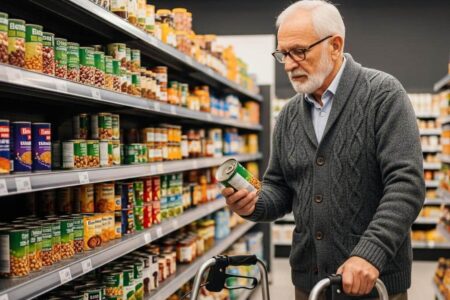
Pantry powerhouses include canned fish in water (not oil), legumes with no added sodium, frozen vegetables, nuts and seeds, quality olive oil, and whole grain products. These ingredients stay fresh longer than restaurant food and provide more nutrition per dollar.
Fresh additions like eggs, Greek yogurt, avocados, and pre-washed greens can turn your pantry staples into complete meals. Buy these weekly and you’ll always have options.
Time-saving choices include pre-cooked brown rice, rotisserie chicken, and frozen berries. These aren’t processed foods—they’re whole ingredients that someone else has prepared, giving you convenience without sacrificing nutrition.
For families interested in batch cooking strategies, you can apply these same principles to prepare multiple meals efficiently.
The Technology Edge You Might Not Expect
Your smartphone can be your best kitchen companion, and seniors are often better at using technology than they realize.
Simple apps can help you track which meals give you the most energy, create shopping lists, and set timers for perfect cooking. Your phone’s camera can capture successful meal combinations so you can recreate them later.
Voice assistants can read recipes aloud while your hands are busy, convert measurements, and set multiple timers. These aren’t complicated features—they’re practical tools that make cooking easier and more enjoyable.
Even basic kitchen technology like a good microwave and non-stick pan can dramatically reduce cooking time while maintaining nutritional value.
Kitchen Safety That Supports Independence
Creating nutritious meals quickly also means cooking safely, especially if you’re dealing with any mobility challenges.
Keep frequently used ingredients at easy-to-reach heights. Use lightweight cookware to prevent strain. Consider simple daily habits that maintain your balance and confidence in the kitchen.
Good lighting, non-slip mats, and organizing your workspace can make meal preparation safer and more enjoyable. The goal is to maintain your independence while creating nourishing meals that support your overall health.
The Energy and Independence Payoff
When you consistently fuel your body with nutrient-dense meals, you’ll notice improvements that compound over time.
Better nutrition leads to more sustained energy throughout the day. You’ll sleep better, think more clearly, and feel more motivated to stay active and engaged. This creates a positive cycle where good nutrition supports the energy you need to continue preparing healthy meals.
You’ll also save money compared to restaurant dining while gaining the satisfaction that comes from taking excellent care of yourself. For families managing care from a distance, these skills become even more valuable for maintaining independence and reducing worry.
The compound effect is remarkable: each nutritious meal builds on the last, creating sustained vitality that supports all aspects of your life.
Ready to discover more innovative strategies for healthy, comfortable aging? Subscribe to our newsletter for expert-tested tips and product recommendations designed specifically for older adults.
Your Next Delicious Step Forward
This week, challenge yourself to try just one of these 10-minute meals.
Notice how you feel an hour later compared to your last restaurant meal. Pay attention to your energy levels and how satisfied you feel. You might be surprised by the difference real nutrition makes.
Start with whichever meal sounds most appealing to you right now. There’s no need to overhaul your entire approach—small changes create lasting results when they become enjoyable habits.
What’s your favorite quick meal combination? Have you discovered any simple recipes that give you lasting energy? Share your experience in the comments below—your insight might inspire another reader to embrace the power of home-cooked nutrition.
![Older couple lunch soup salad table[1]](https://www.grayingwithgrace.com/wp-content/uploads/2025/12/older_couple_lunch_soup_salad_table1-e1767121886403-450x280.jpg)
![Older couple cane portioning meals kitchen[1]](https://www.grayingwithgrace.com/wp-content/uploads/2025/12/older_couple_cane_portioning_meals_kitchen1-e1767120111377-450x300.jpg)
![Older woman with walker organizing freezer[1]](https://www.grayingwithgrace.com/wp-content/uploads/2025/12/older_woman_with_walker_organizing_freezer1-e1767118888370-450x300.jpg)
![Multi gen family cooking kneading dough[1]](https://www.grayingwithgrace.com/wp-content/uploads/2025/12/multi_gen_family_cooking_kneading_dough1-e1765213705990-450x300.jpg)
![Hispanic man greek yogurt pumpkin mousse kitchen[1]](https://www.grayingwithgrace.com/wp-content/uploads/2025/10/hispanic_man_greek_yogurt_pumpkin_mousse_kitchen1-1-450x300.jpg)
![Older couple grocery shopping list produce aisle[1]](https://www.grayingwithgrace.com/wp-content/uploads/2025/08/older_couple_grocery_shopping_list_produce_aisle1-e1753736111604-450x300.jpg)
![Older man pouring infused water kitchen[1]](https://www.grayingwithgrace.com/wp-content/uploads/2025/08/older_man_pouring_infused_water_kitchen1-e1753735642289-450x300.jpg)


