![Keep older woman enjoying butternut soup elegant[1]](https://www.grayingwithgrace.com/wp-content/uploads/2026/05/KEEP-older_woman_enjoying_butternut_soup_elegant1-e1778616351599.jpg)
You sit down to dinner, and there it is again — the same bowl of plain mashed potatoes. No color. No real flavor. Just something soft enough to get through.
Eating used to be something you looked forward to. Now it feels like a daily reminder of what you can’t have anymore. That frustration is real, and you deserve better than resigned acceptance at the dinner table.
Here’s what I’ve learned after two decades of working with older adults: satisfying, genuinely flavorful meals are absolutely possible without teeth or with significant chewing limitations. The secret isn’t finding substitutes for the foods you love — it’s discovering techniques that make soft food worth sitting down for.
This guide covers the full picture: what to eat, how to make it taste incredible, how to plate it with dignity, and how to make it all sustainable without spending hours in the kitchen every day.
You Have More Texture Options Than You Think
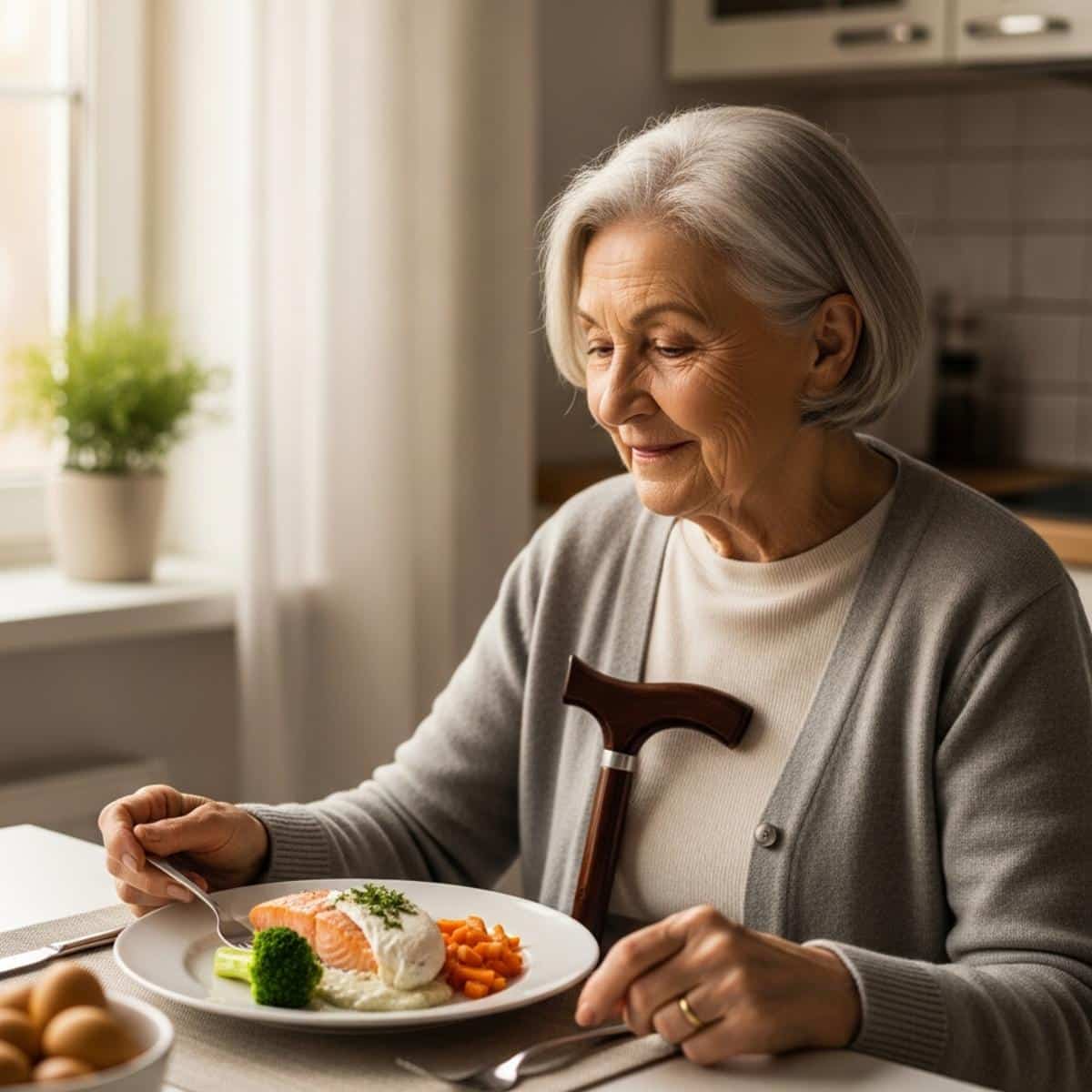
Soft eating isn’t one setting — it’s a whole spectrum. Understanding that spectrum immediately opens up far more meal possibilities than just blending everything into a uniform paste.
Here’s a simple way to think about it:
- Soft and fork-tender: Foods that require minimal chewing — slow-cooked meats, poached eggs, ripe avocado, well-braised vegetables, soft-cooked fish
- Minced and moist: Foods chopped very small and kept moist with sauces or broth — finely shredded chicken in gravy, minced cooked vegetables
- Smooth and pureed: Completely blended foods with a uniform consistency — pureed soups, smooth hummus, blended smoothies
The important insight here is that most people default to the most restrictive option — full puree — when they don’t need to.
Consider two plates side by side. One is a thin, gray bowl of blended something, served in a plastic hospital-style dish. The other is slow-braised short rib that falls apart at the touch of a fork, plated with roasted carrots cooked until completely tender and a side of creamy polenta. Both require virtually no chewing. Completely different eating experience.
A compact high-powered blender like a NutriBullet or small Vitamix can transform many ordinary meals into gum-friendly versions in under two minutes — without any special cooking skills. That’s a genuinely useful tool to have within easy reach in the kitchen, especially if your texture needs vary day to day.




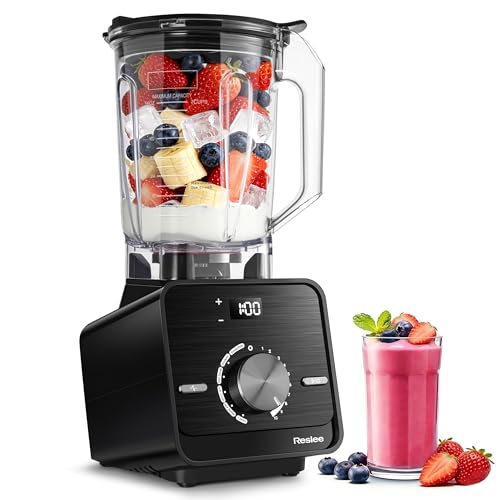
If you’re also managing challenges like reduced grip strength or limited kitchen dexterity, knowing your full range of texture options means you can cook smarter, not harder.
Real Meal Ideas for Every Part of the Day
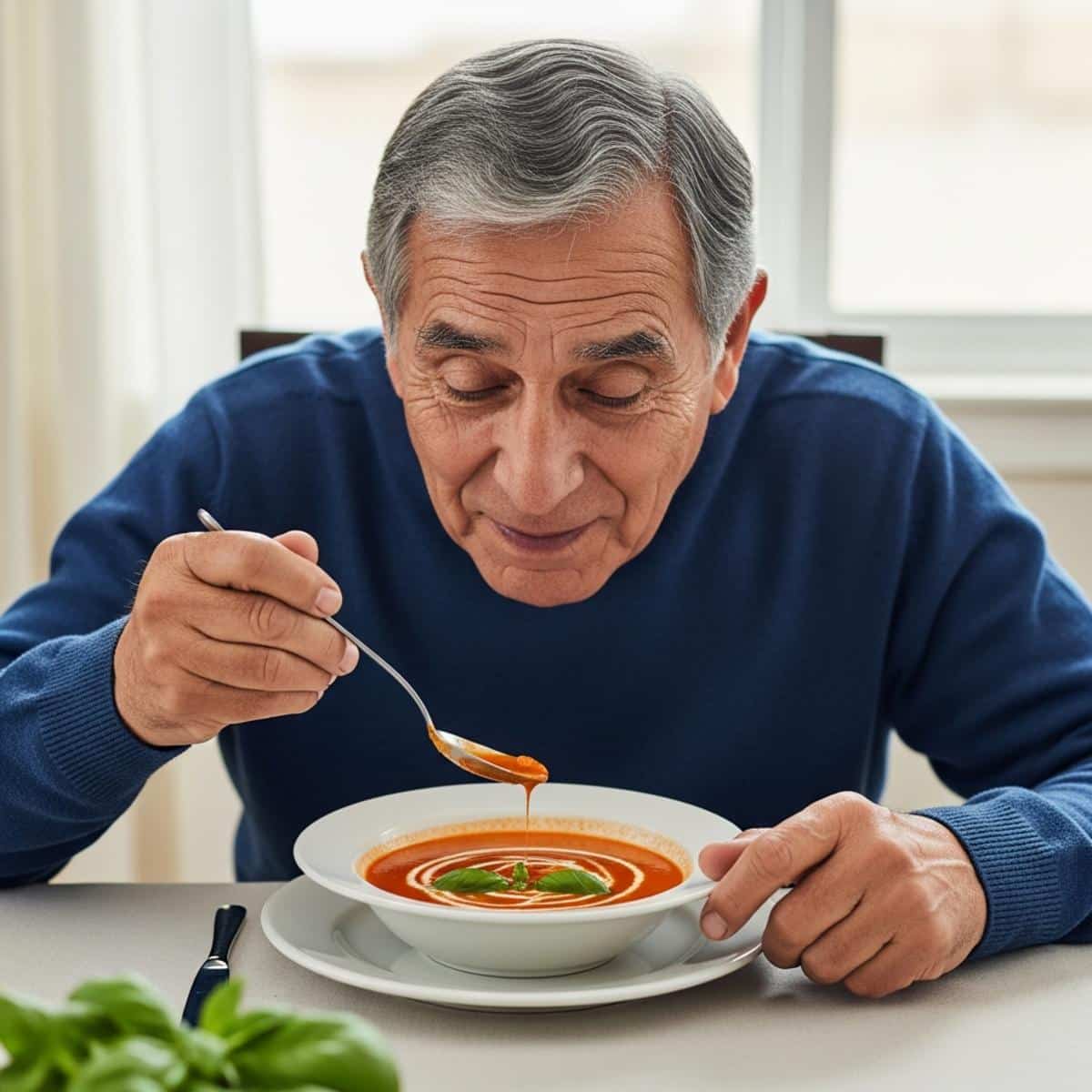
Here’s the part most soft-food guides get wrong: they hand you a clinical list of “allowed” foods with no context for how to make any of it appealing. What you actually need are meal ideas you’d genuinely want to eat.
Breakfast Worth Getting Up For
- Soft scrambled eggs with cream cheese folded in — rich, creamy, and genuinely satisfying
- Greek yogurt with mashed ripe banana and a drizzle of honey
- Ricotta with soft stone fruit and a sprinkle of cinnamon
- Oatmeal cooked with extra liquid until silky, finished with nut butter stirred in
Lunches That Feel Like Actual Meals
- Tomato bisque with a swirl of cream and fresh basil
- Egg salad eaten with a fork, or on very soft bread with the crusts removed
- Mashed avocado with lemon and flaked soft white fish
- Cottage cheese with slow-roasted soft vegetables
Dinners Worth Sitting Down For
- Slow-cooked pulled chicken or pork in a rich sauce — zero chewing required
- Poached salmon with a butter and herb sauce
- Braised lentil soup with a piece of bread briefly soaked in broth
- Shepherd’s pie with an extra-creamy mashed potato topping
Snacks That Satisfy
- Ripe banana with smooth peanut butter
- Hummus with very soft pita
- Silken tofu blended into a smoothie for protein without any noticeable texture
- Pudding or custard made from scratch with real milk and vanilla
None of these are consolation prizes. Many are beloved comfort foods that people of all ages eat by choice. The reframe here is from restriction to abundance — there’s a genuinely wide world of satisfying food available to you.
The Secret to Making Soft Food Actually Taste Good

This is the section most people miss, and it changes everything.
The reason soft food often tastes bland has a specific cause: blending dilutes flavor. When you puree a dish, you’re breaking down the concentrated flavor compounds that developed during cooking. The fix isn’t more seasoning — it’s building flavor back in intentionally.
Flavor Techniques That Work for Soft Foods
Use umami-rich ingredients that pack flavor without chewing:
- Miso paste stirred into soups and broths adds incredible depth
- Parmesan melted into mashed vegetables or polenta
- Slow-cooked bone broth as a base for almost anything
Add acid at the end to wake up flattened flavors:
- A squeeze of lemon over pureed fish or vegetables
- A splash of balsamic reduced to a drizzle
- A spoonful of good quality vinegar stirred into soups
Finish with fat for richness and mouthfeel:
- A knob of butter swirled into any pureed soup just before serving
- A drizzle of high-quality olive oil over hummus or roasted vegetables
- A spoonful of cream stirred into mashed potatoes or scrambled eggs
Use temperature contrast:
- Warm banana with cold yogurt
- Hot soup with a cold drizzle of cream on top
Fresh herbs added after cooking:
- Chopped chives on scrambled eggs
- Fresh basil torn over tomato soup
- Dill scattered over poached salmon
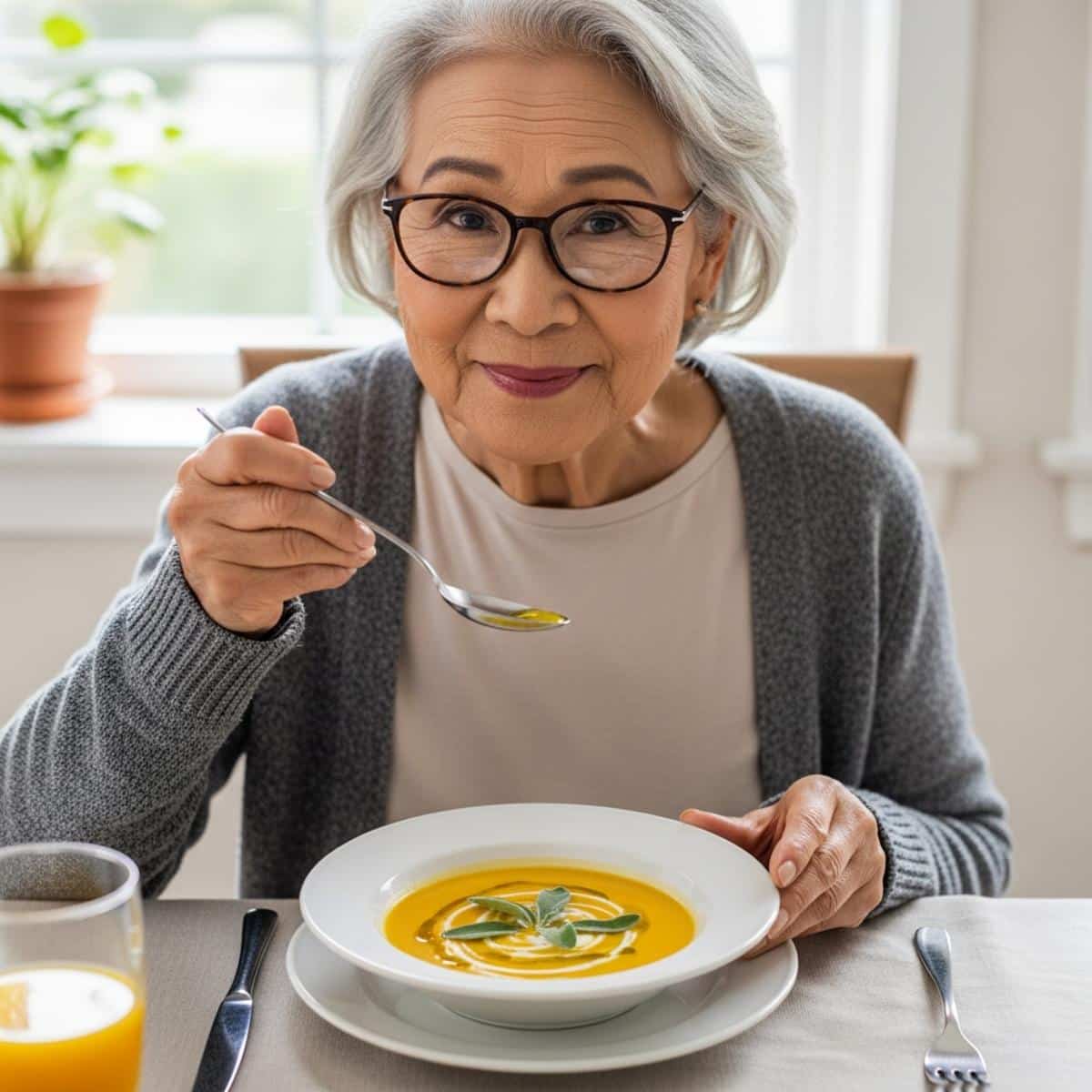
Two bowls of pureed butternut squash soup, same ingredients: one thin and under-seasoned, the other finished with butter, fresh sage, and a swirl of cream. The second one isn’t a compromise — it’s genuinely delicious.
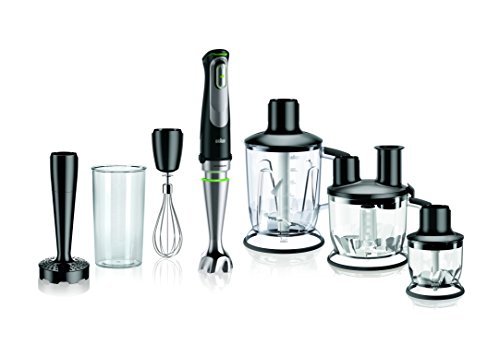
An immersion blender is one of the most useful tools for this kind of cooking. You can build a flavor-rich soup directly in the pot, then blend it smooth without transferring to a separate appliance — fewer dishes, better results, and faster cleanup.
Want more practical, dignity-centered advice for eating well as you age? Subscribe to the Graying With Grace newsletter for trusted tips, product recommendations, and real solutions delivered straight to your inbox.
How You Plate It Matters

Eating is not just a nutritional transaction. It’s a sensory experience, a social ritual, and a daily moment of pleasure. The way food looks on the plate directly affects how satisfying and dignified the experience feels.
A few simple principles make a meaningful difference:
Use Real Dishes and Keep Components Separate
Serving soft meals in actual dinner plates — not plastic hospital-style containers — sends a clear signal: this meal is worth sitting down for. Where possible, keep components separate rather than mixing everything together. A portion of mashed sweet potato beside a scoop of braised chicken looks like dinner. The same ingredients combined in a bowl look like something else entirely.
Add Visual Interest With Color and Garnish
- A light dusting of paprika over a pale pureed soup
- A drizzle of herb oil across a plate
- A sprig of fresh parsley or a few scattered chives
- Bright orange carrot puree beside white mashed potato creates natural contrast
Give Soft Foods a Recognizable Shape
Small silicone molds, ramekins, or even a round cookie cutter can give pureed portions a clean, intentional shape. A pureed portion of salmon that arrives on the plate looking like a neat round — rather than a formless scoop — feels completely different.

Sit at the Table and Use Proper Utensils
The ritual of the meal matters as much as the food itself. If reduced grip strength or hand tremors make standard utensils difficult, weighted utensils and adaptive cutlery designed for older adults can restore comfort and control at the table without drawing attention to the accommodation.


Eating with dignity isn’t a luxury. It’s a basic human need — and a little intentionality in how you serve food communicates real respect, both to yourself and to the people you’re cooking for.
Smart Shortcuts That Keep This Sustainable
You don’t have to make a gourmet soft meal from scratch three times a day. Sustainable soft-food eating is about having a reliable repertoire of 8 to 10 meals you genuinely enjoy — not reinventing the wheel at every meal.
Batch Cooking Makes Everything Easier
- Cook a large pot of braised meat or lentil soup on Sunday and portion it into the freezer
- Puree and freeze soups in single-serving containers — thaw and reheat in minutes
- Make a big batch of creamy polenta or congee and reheat portions throughout the week
Store-Bought Shortcuts That Actually Work
- Good-quality canned or boxed soups can be enriched at home with butter, cream, miso, or fresh herbs — they don’t have to taste like canned soup
- Rotisserie chicken can be shredded, moistened with broth or sauce, and served immediately
- Pre-made hummus and guacamole are genuinely nutritious, no-prep soft food staples
When Cooking Isn’t Feasible
Some days — whether due to fatigue, illness, or caregiver bandwidth — cooking from scratch simply isn’t realistic. Meal delivery services that offer texture-modified or soft meal options have improved significantly and can be a genuine lifeline for independent older adults or family caregivers managing multiple responsibilities.
If you’re a caregiver supporting a loved one with increasing daily care needs, building a rotation of easy, reliable soft meals reduces one significant daily stressor without sacrificing the quality of what your loved one eats.
Mealtime Can Be Something You Look Forward To Again
Soft-food eating done right isn’t about settling. It’s about applying the right techniques to a different set of ingredients and arriving at meals that are genuinely satisfying, flavorful, and worthy of the table.
The core ideas are simple:
- Know your texture options — you likely have more than you think
- Build flavor intentionally — acid, fat, umami, and herbs do the heavy lifting
- Plate with care — presentation signals dignity and makes food more enjoyable
- Work smarter with batch cooking and smart shortcuts — sustainability matters
Start with one thing this week. One new flavor technique. One meal idea from the list above. One small presentation upgrade — a real plate instead of a bowl, a drizzle of sauce, a fresh herb on top.
Meals should be something you look forward to, not something you endure. That’s still true — and it’s absolutely within reach.
What’s your go-to soft meal that actually satisfies you? Share it in the comments — this is exactly the kind of real-world knowledge that helps other people in the same situation find their way back to enjoying food.
And if you’re managing other aspects of daily independence alongside eating, exploring tools that help with kitchen tasks when grip strength is a challenge can make the whole cooking process more manageable and enjoyable — not just the meals themselves.
![Keep older woman plating tempeh grain bowl kitchen counter[1]](https://www.grayingwithgrace.com/wp-content/uploads/2026/05/KEEP-older_woman_plating_tempeh_grain_bowl_kitchen_counter1-e1779362353354-450x300.jpg)
![Keep older woman hands wrapped around coffee mug armchair[1]](https://www.grayingwithgrace.com/wp-content/uploads/2026/05/KEEP-older_woman_hands_wrapped_around_coffee_mug_armchair1-e1779362196840-450x300.jpg)