
![Senior woman window coffee cozy[1]](https://www.grayingwithgrace.com/wp-content/uploads/2025/12/senior_woman_window_coffee_cozy1-e1767119963869.jpg)
It’s mid-January, and despite getting a full night’s sleep, you’re hitting the snooze button more than usual.
The thought of your morning walk feels like climbing Everest. Your usual hobbies hold no appeal. And that nagging voice in your head whispers, “What’s wrong with me?”
Here’s what you need to know: This isn’t laziness. It’s not about getting older. It’s a specific, fixable physiological response to something your body desperately needs right now.
Your body is asking for vitamin D, and January’s unique combination of post-holiday stress and minimal sunlight creates the perfect storm for deficiency.
By the end of this article, you’ll understand exactly why January hits so hard and have five concrete strategies to reclaim your energy.

Why January Feels Like Running on Empty
Think of vitamin D as your body’s solar panel—and January as a month-long power outage.
You’re facing what experts call the “triple threat”: post-holiday cortisol crash, vitamin D deficiency, and shortened daylight hours all hitting at once.
Here’s the science that matters: Even on sunny January days, the sun’s angle makes vitamin D synthesis nearly impossible. Between November and March, if you live north of Atlanta, your skin simply can’t produce vitamin D—even if you’re outdoors at noon.
The 10 AM to 2 PM window everyone talks about? In January, it barely exists. The sun’s rays hit the earth at too shallow an angle for your skin to convert them into usable vitamin D.
For older adults, this problem compounds. Your skin naturally becomes less efficient at producing vitamin D as you age. Add the holiday season’s stress—which depletes your vitamin D reserves faster than normal—and you get that bone-deep exhaustion that no amount of sleep seems to fix.
The numbers tell the story: 40% of Americans are vitamin D deficient year-round. In winter months, that number climbs even higher. Among older adults, rates can exceed 60%.
This isn’t in your head. Your fatigue, your aching joints, your difficulty concentrating—these are your body’s way of saying it needs help.

The Signs Your Body Is Sending an SOS
You know your body better than anyone. If these symptoms sound familiar, pay attention.
Fatigue that doesn’t improve with sleep. You’re getting your usual eight hours, but you still wake up exhausted. Afternoon crashes hit harder than usual.
Increased muscle aches or joint pain. Your knees complain more. Your back feels stiffer. Movement that used to feel easy now feels effortful.
Mood changes you can’t quite explain. Irritability comes more easily. Activities you normally enjoy feel like obligations. There’s a heaviness that won’t lift.
Brain fog and difficulty concentrating. You find yourself rereading the same paragraph. Simple decisions feel overwhelming. Your mental sharpness feels dulled. If this sounds familiar, you might benefit from simple daily habits that improve mental clarity—vitamin D supplementation is just one piece of the puzzle.
Getting sick more easily. That cold your grandchild brought over knocked you down harder than expected. Recovery takes longer. Understanding why seniors get sicker in January can help you take proactive steps to protect your immune system.
These symptoms are often dismissed as “just aging” when they’re actually vitamin D deficiency crying out for attention. The difference matters because one is inevitable and the other is fixable.
When to call your doctor: If you’re experiencing persistent depression that interferes with daily life, severe fatigue that prevents normal activities, or unexplained pain that’s worsening, schedule an appointment. These strategies work for typical winter sluggishness, not serious medical conditions.
For caregivers: Watch for these signs in aging parents who might not articulate symptoms clearly. “I’m just tired” might actually be “I desperately need vitamin D.”
Ready to discover more innovative strategies for healthy, comfortable aging? Subscribe to our newsletter for expert-tested tips and product recommendations designed specifically for older adults.

The Vitamin D Solution—Getting It Right
Here’s what you need to know about supplementation, stripped of the confusion and contradictions.
The Numbers That Matter
Adults over 70 need at least 800 IU daily. But many experts now recommend 1,000-2,000 IU during winter months, especially for older adults.
Why more? Your skin produces less vitamin D than it did at age 30. Your kidneys don’t convert it to active form as efficiently. And you likely spend less time outdoors than younger people.
Choose vitamin D3 over D2. D3 is the form your body makes naturally and uses most effectively. Check your supplement label—you want to see “cholecalciferol” (D3), not “ergocalciferol” (D2).
Critical Safety Information
Vitamin D is generally safe, but three important considerations apply:
Medication interactions: If you take blood thinners, certain heart medications, or corticosteroids, check with your doctor first. Vitamin D can affect how these medications work. While you’re at it, if you’re experiencing afternoon energy crashes, the timing of your medications might be contributing to your fatigue patterns.
Signs of taking too much: While rare, too much vitamin D can cause nausea, weakness, or frequent urination. If you experience these, stop supplementing and call your doctor.
Absorption matters: Take your vitamin D with a meal that contains some fat—even just a glass of milk or a handful of nuts. Vitamin D is fat-soluble, meaning it needs fat to be absorbed properly.
Making the Right Choice
Capsules vs. liquid: If you have difficulty swallowing pills, liquid vitamin D works just as well. Some people find drops mixed into juice or yogurt easiest.
What to look for on labels: “Vitamin D3 (cholecalciferol), 1,000 IU per serving.” Avoid formulas with unnecessary additives. Simple is better.
The testing option: Blood tests can measure your vitamin D levels if you’re curious about your baseline. Many doctors include this in annual physicals for older adults. It’s not necessary to start supplementing, but it can be useful information.
Think of supplementation as insurance against the winter months when natural production simply can’t happen.

Beyond Pills—The Winter Vitamin Window Strategy
Supplements are essential, but they work better when combined with smart light and food strategies.
Maximize Your Morning Light
Even though January’s sun can’t produce vitamin D through your skin, bright light exposure still matters tremendously for mood and energy.
The light therapy breakfast concept: Eat your morning meal near the brightest window in your home. Position yourself within a few feet of the window. Even if it’s cloudy, this exposure helps regulate your circadian rhythm and boost mood. Many seniors who’ve discovered the benefits of early morning routines find that strategic light exposure during breakfast creates natural energy throughout the day.
Why 10 AM to 2 PM still matters: This is when available light is strongest, even in winter. If you can get outside during this window—even for 15 minutes—you’re giving your body the light signal it craves. Understanding how to work with natural winter rhythms rather than against them can transform your entire season.
Through glass doesn’t count for vitamin D, but it helps everything else. Windows block UVB rays needed for vitamin D production, but visible light still reaches you. That light helps regulate sleep, mood, and energy levels.
Foods That Actually Help
Food alone can’t solve winter vitamin D deficiency, but it meaningfully contributes to your overall levels.
The best sources: Fatty fish like salmon, mackerel, and sardines top the list. One 3-ounce serving of cooked salmon provides about 450 IU. Canned sardines offer convenience and shelf stability.
Simpler options: Egg yolks contain about 40 IU each. Fortified milk provides 100 IU per cup. Many cereals now fortify with vitamin D—check labels.
The mushroom secret: Mushrooms exposed to UV light develop vitamin D. Look for packages labeled “UV-treated” or “vitamin D mushrooms” in produce sections.
Anti-slump meal ideas: Scrambled eggs with salmon for breakfast. Mackerel salad sandwich for lunch. Mushroom omelet for dinner. Each meal contributes to your daily needs.
Light Therapy Lamps—Worth It?
If you’re experiencing genuine mood struggles alongside fatigue, light therapy might help.


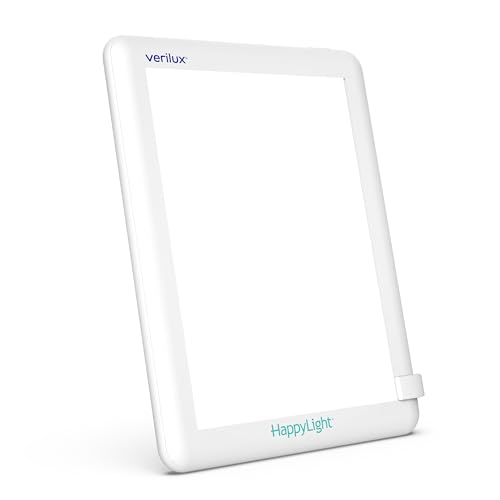


What to look for: 10,000 lux output, UV-free, used for 20-30 minutes each morning. Position the lamp at eye level, about 16-24 inches from your face, while you eat breakfast or read the paper.
Important clarification: Light therapy lamps help with mood and circadian rhythm. They do NOT produce vitamin D. Think of them as complementary tools, not replacements for supplementation.
The movement connection: Gentle activity helps your body utilize vitamin D more effectively. A 10-minute walk during the “vitamin window” combines light, movement, and fresh air. If weather prevents outdoor time, walk inside near windows or use hallways with good lighting.
Ready to discover more innovative strategies for healthy, comfortable aging? Subscribe to our newsletter for expert-tested tips and product recommendations designed specifically for older adults.

Your 7-Day January Reset Plan
Simple structure beats perfect execution. Here’s how to start rebuilding your energy this week.
Days 1-2: Build Your Foundation
Morning: Take your vitamin D3 supplement with breakfast. Set a daily alarm on your phone if you need the reminder.
Why breakfast matters: Creating an “anchor habit”—linking your supplement to something you already do daily—ensures consistency. Breakfast also provides the fat needed for vitamin D absorption.
Days 3-4: Add Morning Light
Morning: After breakfast, spend 15 minutes near your brightest window. Drink your coffee there. Read the paper there. Just be there in the light.
If you’re mobile: Take a brief morning walk, even around the block. The combination of light and movement amplifies benefits.
Days 5-7: Incorporate Food Sources
Daily: Add one vitamin D-rich food to your meals. Scrambled eggs. A serving of salmon. Fortified cereal with milk.
Don’t overthink it. You’re building habits, not following a rigid prescription.
The Daily Non-Negotiables
Three things, every day, no exceptions:
- Vitamin D with breakfast (your anchor habit)
- Bright light between 10 AM-2 PM (even indoors counts)
- Move your body for 10+ minutes during daylight hours (even gentle movement helps)
What to Notice by Week’s End
Subtle improvements: Your morning mood might lift slightly. Energy dips might feel less severe. You might notice yourself naturally engaging more with activities.
Realistic expectations: Full vitamin D replenishment takes 2-4 weeks. You’re not looking for miracles by day seven—you’re looking for encouraging signs that you’re on the right track.
Consistency beats perfection: Miss a day? Just pick back up tomorrow. The goal is progress, not perfection.
For Caregivers Supporting Aging Parents
Start the conversation gently: “I read about how vitamin D helps with winter energy. Want to try it together?”
Watch for these improvements over the next few weeks: Better morning mood, increased interest in usual activities, fewer complaints about aches and fatigue.
Small changes together create accountability without pressure.
From Slump to Spring in Your Step
Let’s be clear about something: The January slump is real. It’s physical. And it’s not your fault.
You’re not lazy. You’re not “giving in” to aging. You’re experiencing a legitimate physiological response to winter conditions that humans weren’t designed to handle without adaptation.
But here’s the empowering truth: You now have specific, practical tools to address it.
This isn’t about “fighting” winter—it’s about supporting your body through it with the resources it needs. You’re not at war with the season. You’re working with your biology.
Give yourself grace on the timeline. Vitamin D levels take a few weeks to rebuild. Energy improvements happen gradually, not overnight. Notice the small shifts: sleeping better, moving more easily, thinking more clearly.
Your first step this week: Pick up a bottle of vitamin D3 and commit to the morning light ritual. That’s it—just two small changes. Everything else builds from there.
You’ve weathered many Januarys before. This time, you’re doing it with knowledge, strategy, and the understanding that your body’s needs aren’t weakness—they’re wisdom.
What helps you get through the winter months? Share your strategies in the comments below—your experience might be exactly what another reader needs to hear today.
![Senior woman bedroom window breakfast journaling[1]](https://www.grayingwithgrace.com/wp-content/uploads/2025/12/senior_woman_bedroom_window_breakfast_journaling1-e1767122246503-450x300.jpg)
![Senior couple cold porcht thermal mugs[1]](https://www.grayingwithgrace.com/wp-content/uploads/2025/12/senior_couple_cold_porcht_thermal_mugs1-e1767121617380-450x300.jpg)
![Senior woman video call weekly checkin[1]](https://www.grayingwithgrace.com/wp-content/uploads/2025/12/senior_woman_video_call_weekly_checkin1-e1767120242595-450x300.jpg)
![Older group herbal tea infusion winter social[1]](https://www.grayingwithgrace.com/wp-content/uploads/2025/12/older_group_herbal_tea_infusion_winter_social1-e1767119761234-450x300.jpg)
![Senior woman step stool safe closet declutter[1]](https://www.grayingwithgrace.com/wp-content/uploads/2025/12/senior_woman_step_stool_safe_closet_declutter1-e1767118700445-450x300.jpg)
![Older couple reviewing bills together[1]](https://www.grayingwithgrace.com/wp-content/uploads/2025/12/older_couple_reviewing_bills_together1-e1767118045107-450x300.jpg)
![Elderly couple garden bench rest[1]](https://www.grayingwithgrace.com/wp-content/uploads/2025/12/elderly_couple_garden_bench_rest1-e1767102641150-450x300.jpg)
![Senior woman with walker holiday grocery[1]](https://www.grayingwithgrace.com/wp-content/uploads/2025/12/senior_woman_with_walker_holiday_grocery1-e1765212886497-450x300.jpg)


