
![Senior couple slow dance living room[1]](https://www.grayingwithgrace.com/wp-content/uploads/2025/12/senior_couple_slow_dance_living_room1-e1767117766207.jpg)
Have you ever felt exhausted from trying to stay healthy?
You wake up at 5 AM for your morning walk, push through joint pain during your workout, and feel guilty when you skip a single day. You’re doing everything “right”—but somehow you’re more tired, more sore, and more stressed than ever.
Here’s what might surprise you: the problem isn’t your commitment to health. It’s that the rules you’re following might not fit your body anymore.
What if I told you that knowing when to adjust your routine is actually a sign of wisdom, not weakness?
The truth is, your body’s needs have changed since you were 50, and recognizing that isn’t giving up—it’s leveling up to smarter, more sustainable health.

Sign #1: You’re Pushing Through Pain Instead of Listening to It
There’s a crucial difference between healthy muscle fatigue and warning signals from your body.
That burning sensation in your thighs during a challenging walk? That’s good discomfort—your muscles adapting and getting stronger.
But persistent joint pain that lingers for days? Stiffness that gets worse instead of better? Sharp twinges that make you wince? Those are your body’s way of saying “we need a different approach.”
Here’s what many people don’t realize: After 60, “no pain, no gain” becomes genuinely dangerous. Your recovery time naturally increases, and pushing through pain doesn’t build strength—it builds what I call “recovery debt.”
Recovery debt is when your body needs more time to heal than you’re giving it. Keep accumulating that debt, and eventually your body demands payment in the form of chronic pain, extended downtime, or injury.
You might be thinking: “But I don’t want to use pain as an excuse to be lazy.”
That’s exactly the mindset that gets people into trouble. Listening to pain isn’t making excuses—it’s strategic self-awareness. Your body is giving you valuable information about what’s working and what needs adjustment.
The wisdom shift: Instead of viewing pain as something to overcome, treat it as your body’s feedback system. Sharp, persistent, or worsening pain means it’s time to modify, not push harder.
Perhaps you’ve noticed that your morning walks leave your knees aching for hours afterward. That’s not weakness—that’s information.
Maybe it’s time to try softer surfaces, better shoes, or a gentler pace. Understanding when to slow down isn’t about limitation—it’s about sustainability.
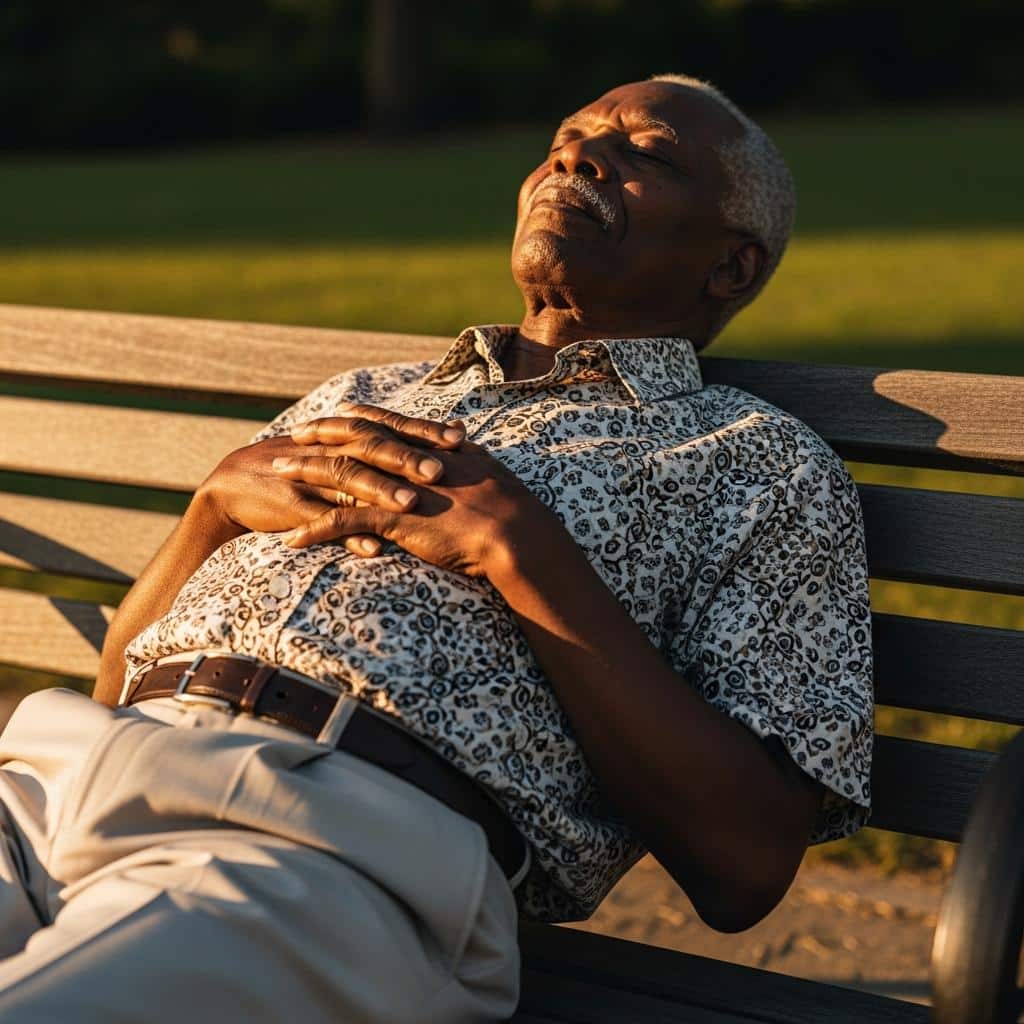
Sign #2: Your Sleep Is Suffering Because of Your Exercise Routine
Exercise should help you sleep better, not worse.
If you’re waking up exhausted despite exercising regularly, something’s off. If you lie awake at night with racing thoughts despite being physically tired, your routine might actually be creating stress instead of relieving it.
Here’s what’s happening: when you overtrain, your body releases stress hormones like cortisol. These hormones can stay elevated for hours after your workout, especially if you’re exercising intensely or late in the day. For older adults, this cortisol response can be more pronounced and last longer.
The result? You’re physically exhausted but mentally wired. Your body needs rest to repair muscle tissue and consolidate health gains, but elevated stress hormones prevent deep, restorative sleep.
The irony is painful: You’re exercising to be healthier, but poor sleep undermines every benefit. Sleep is when your body repairs tissues, consolidates memories, regulates hormones, and strengthens your immune system. Without quality sleep, you’re actually getting less healthy despite working harder.
You might recognize this pattern: You finish an intense workout at 6 PM feeling accomplished. By bedtime, you’re exhausted but can’t settle down. Your mind races, your muscles feel restless, and you wake up the next morning feeling drained.
The strategic adjustment: Consider moving intense exercise to earlier in the day, or switching to gentler evening activities like stretching or walking. Your goal is exercise that energizes your day but allows your body to wind down by bedtime. Some readers have found that embracing early morning routines gives them time for exercise while keeping evenings free for relaxation.
Quality sleep isn’t a luxury—it’s when your body does most of its repair work. Protecting your sleep is protecting your health.
Ready to discover more innovative strategies for healthy, comfortable aging? Subscribe to our newsletter for expert-tested tips and product recommendations designed specifically for older adults.

Sign #3: You’re Following Rigid Rules Instead of Your Body’s Needs
“I never miss a day” sounds admirable—until it becomes harmful.
The difference between consistency and rigidity is flexibility. Consistency means maintaining healthy habits over time. Rigidity means forcing those habits regardless of what your body needs today.
Your energy levels naturally fluctuate more after 60. Some days you wake up feeling strong and capable. Other days, you’re managing joint stiffness, poor sleep, or simply lower energy. Both are completely normal.
Here’s the trap: When you treat every low-energy day as a personal failure, exercise becomes a source of stress instead of wellbeing. You push through fatigue, ignore legitimate tiredness, and turn health practices into punishment.
Smart athletes at any age adjust their training to their current state. Professional trainers call it “listening to your training readiness.” On high-energy days, they push harder. On recovery days, they dial back. This approach actually produces better long-term results than rigid daily routines.
The permission you need: Rest days aren’t lazy days—they’re productive recovery days. Your muscles don’t grow during workouts; they grow during rest between workouts. Without adequate recovery, you’re not building strength—you’re breaking down tissue faster than your body can repair it.
Perhaps you’ve been forcing yourself through your full workout routine on days when you feel exhausted or unwell. That’s not dedication—it’s counterproductive. Your accumulated wisdom tells you that rest today means better performance tomorrow.
The strategic framework: Introduce “listening days” where you honestly assess how you feel before deciding on your routine. Strong energy? Great, proceed as planned. Fatigued or sore? Adjust to gentler activity or take the day off guilt-free.
This isn’t making excuses—it’s making intelligent choices based on your current state. That’s the kind of self-awareness that leads to sustainable, lifelong health.

Sign #4: You’re Sacrificing Social Connection for Health Routines
Your rigid workout schedule might be undermining a different kind of health—social health.
Research consistently shows that social connection is as important for longevity as exercise, good nutrition, and not smoking. Strong social ties reduce risk of depression, improve cognitive function, and even strengthen your immune system.
Yet many people over-schedule their fitness routines in ways that crowd out spontaneous social opportunities. You skip lunch with friends because it interferes with gym time. You decline invitations because they don’t fit your routine. You choose solo exercise over group activities because it’s “more efficient.”
Here’s the uncomfortable truth: You might be pursuing physical health at the expense of emotional and social wellbeing. That’s not balance—that’s trading one form of health for another.
The healthiest lifestyle includes both movement and meaningful connection. Sometimes coffee with a friend provides more overall benefit than another workout. The laughter, conversation, and sense of belonging all contribute to wellbeing in ways that exercise alone cannot.
You might be thinking: “But I need to maintain my routine to stay healthy.”
I understand that concern. But consider this: what’s the point of physical fitness if you’re socially isolated and emotionally depleted? Health isn’t just about what your body can do—it’s about how fully you can participate in life.
The wisdom adjustment: Build flexibility into your routine specifically for social connection. Maybe you maintain core activities but leave certain days or times open for spontaneous invitations. Perhaps you find ways to combine both, like walking with friends or joining group fitness classes.
Staying connected with loved ones becomes even more important as we age. Your health routine should support your social life, not replace it.
The goal is integrated health—physical, mental, emotional, and social wellbeing all working together. That requires flexibility, not rigidity.

Sign #5: You Feel Anxious or Guilty When You Miss a Workout
When healthy habits create unhealthy anxiety, it’s time to reassess your relationship with exercise.
There’s a difference between positive motivation (“I exercise because it makes me feel good”) and compulsive behavior (“I exercise because I’ll feel terrible if I don’t”). One comes from abundance; the other comes from fear.
If you feel panicked, guilty, or anxious when you miss a workout, that’s not dedication—it’s an unhealthy relationship with exercise. Your worth as a person isn’t determined by perfect adherence to fitness routines.
This matters more after 60 because: Life naturally includes more variability. You might have doctor’s appointments, family obligations, travel plans, or simply days when your body needs rest. If every disruption to your routine creates emotional distress, you’re undermining the peace of mind that contributes to overall health.
Mental flexibility and self-compassion are essential skills for sustainable health. Rigid thinking creates unnecessary stress. When you can’t be flexible with yourself, every deviation feels like failure instead of normal life adaptation.
You might recognize this pattern: You wake up feeling under the weather, but the thought of skipping your workout fills you with guilt. So you push through, feeling miserable, accomplishing less, and probably extending your recovery time. All because you couldn’t give yourself permission to rest.
Here’s what you need to know: Rest and recovery are productive, not lazy. Your body needs downtime to repair, rebuild, and prepare for future activity. Strategic rest makes you stronger in the long run.
The mental health check: Before your next workout, ask yourself: “Am I doing this because it serves me today, or because I’m afraid not to?” If the answer is fear, that’s your signal to pause and reassess.
Some people find that adjusting their pace without apologizing helps them let go of rigid expectations. You’ve earned the right to work with your body, not against it.
Sustainable health includes mental peace and self-compassion. Those aren’t optional extras—they’re essential ingredients.
Ready to discover more innovative strategies for healthy, comfortable aging? Subscribe to our newsletter for expert-tested tips and product recommendations designed specifically for older adults.
The Wisdom of Strategic Living
Adjusting your approach to health isn’t giving up—it’s leveling up.
You’ve accumulated decades of life experience. You understand that sustainability matters more than short-term achievement. You know that working smarter beats working harder. These insights apply to health just as much as they apply to everything else in life.
The most successful approach to lifelong health isn’t rigid discipline—it’s intelligent adaptation. Listen to your body’s signals. Adjust your routine based on your current needs. Balance physical activity with rest, social connection, and peace of mind.
You’ve earned the right to be strategic rather than rigid. Your wisdom tells you when to push forward and when to pull back. Trust that judgment.
Your action step: Choose one area where you might be overdoing it. Maybe it’s pushing through pain, maybe it’s rigid daily routines, maybe it’s workout-related anxiety. Give yourself permission to make one adjustment this week.
See how it feels. Notice whether the adjustment actually improves your overall wellbeing rather than diminishing it.
I’d love to hear your experience. Have you found yourself overdoing healthy habits? What adjustments have you made that helped you find better balance? Share your thoughts in the comments below—your insight might help another reader recognize what they need to change.
Your health journey is unique to you, and honoring that uniqueness is the ultimate act of self-respect.


![Older woman balance exercise pool noodle[1]](https://www.grayingwithgrace.com/wp-content/uploads/2025/06/older_woman_balance_exercise_pool_noodle1-e1748520789517-450x300.jpg)


