![Elderly woman high contrast controls microwave[1]](https://www.grayingwithgrace.com/wp-content/uploads/2025/12/elderly_woman_high_contrast_controls_microwave1-e1765217272116.jpg)
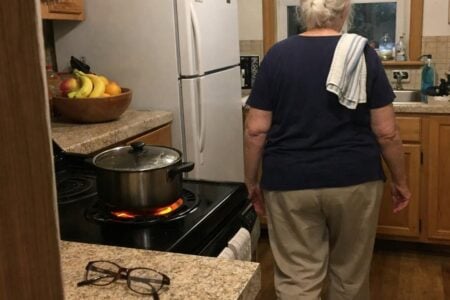
The smell of burnt casserole filled the house again. Many caregivers describe this exact moment—walking into a parent’s kitchen to find a dish towel inches from the burner, still on, while their loved one has fallen asleep in the chair.
That’s when you know something has to change. But here’s the thing: you also know you can’t just take away their independence.
What if I told you there’s a solution that actually preserves independence while dramatically improving safety?
The answer might surprise you—it’s simpler than you think, and it doesn’t involve having that dreaded “you can’t use the stove anymore” conversation.
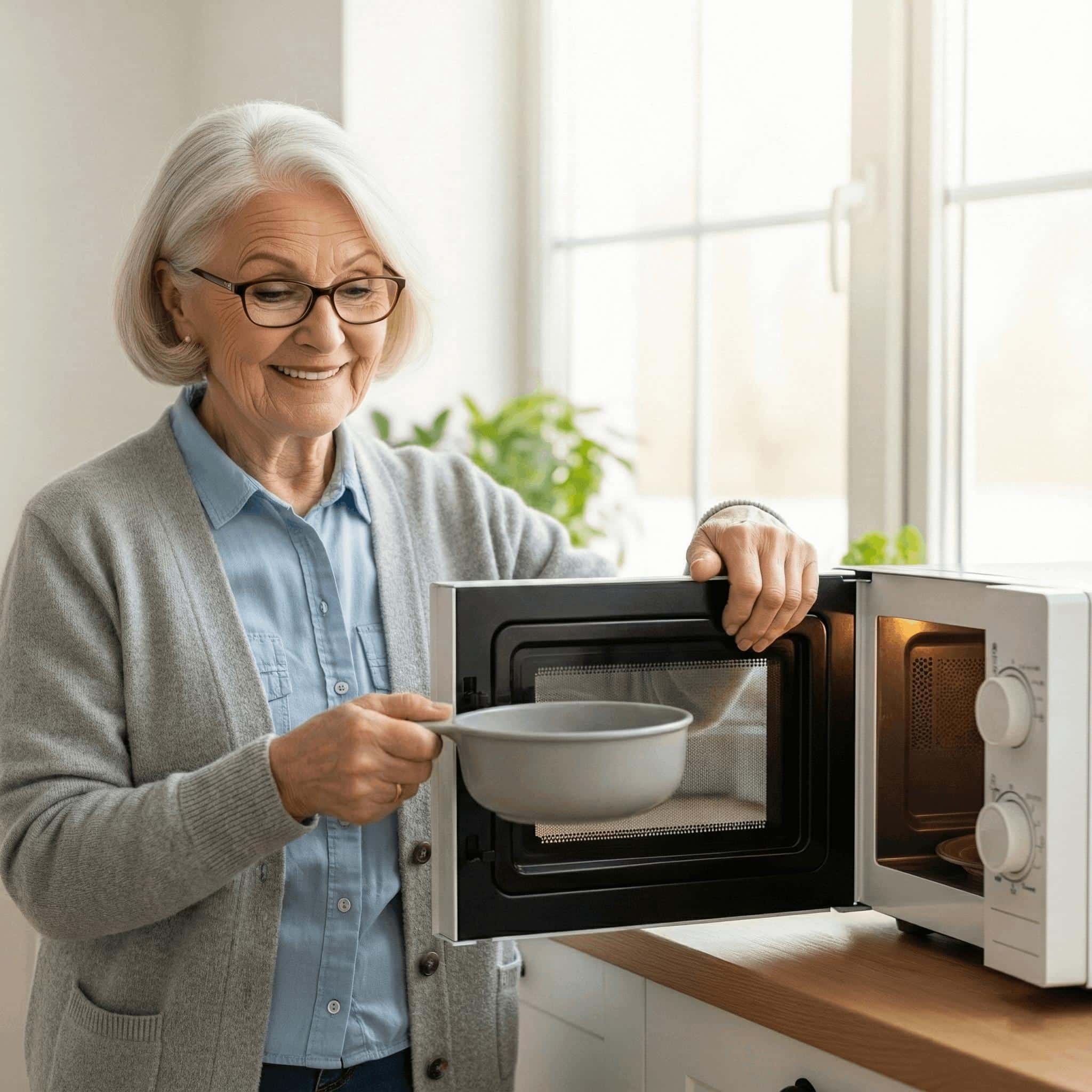
Why Smart Caregivers Are Making the Switch to Microwaves
You’re not overreacting when you worry about kitchen safety. The statistics tell a sobering story.
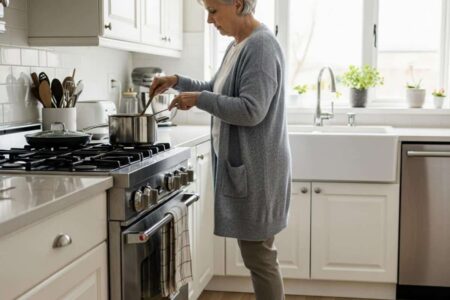
According to occupational therapists who work with seniors, the kitchen is where most home accidents occur. Forgotten burners left on for hours. Paper towels or dish towels near open flames. Falls while reaching over hot surfaces.
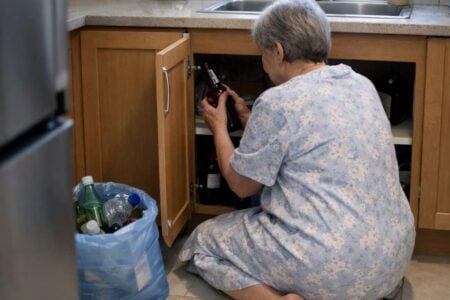
Here’s what many people don’t realize: Normal aging changes make traditional cooking increasingly risky. Vision declines, making it harder to see if a burner is on. Memory lapses mean forgetting about that pot on the stove. Reduced attention span leads to distraction mid-task.
But a microwave changes this equation completely.
The Safety Factor No One Talks About
Microwaves have built-in safety features that traditional stoves simply can’t match. Auto shut-off means cooking stops when the timer ends. No open flames or hot exposed burners. Shorter cook times equal less opportunity for things to go wrong.
The exterior stays relatively cool. The cooking environment is contained and controlled.
Most importantly: Your parent can still prepare their own meals. They can maintain their routine, their autonomy, and their sense of self-reliance.
This isn’t about taking away independence—it’s about making independence safer and more sustainable.
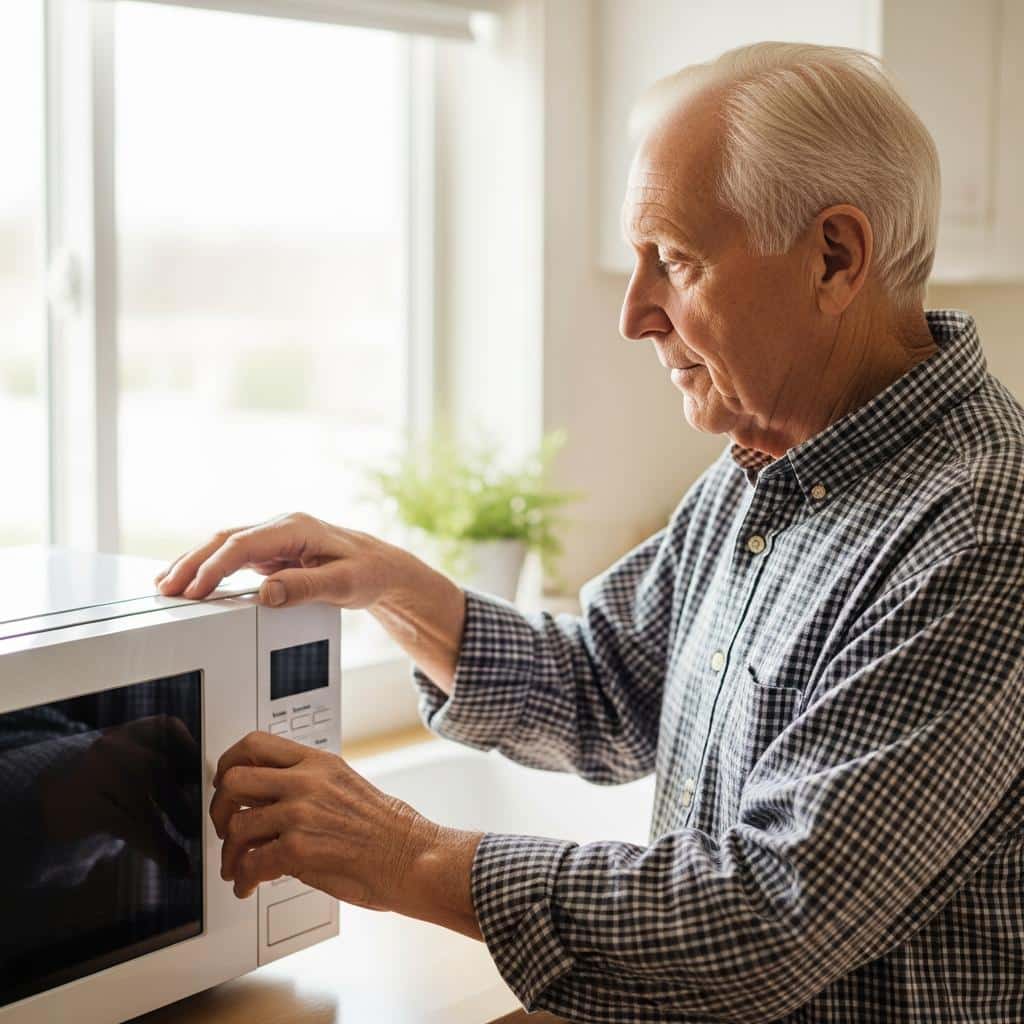
What Actually Makes a Microwave “Senior-Friendly”
Not all microwaves are created equal when it comes to senior use. After 20 years working with elderly patients, I’ve learned what features actually matter.
My Recommended Microwave Ovens for Seniors


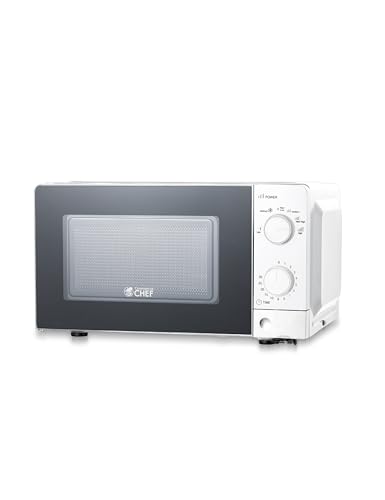


Here’s what to look for:
1. Simple, Easy-to-Understand Controls
Fewer buttons are better. Period.
If you have to read the manual more than once, it’s too complicated. Some seniors do well with dial controls—just turn and start. Others prefer a few large, clearly labeled buttons.
For those with dementia or Alzheimer’s, simplicity isn’t just a preference—it’s essential.
2. Easy-to-Read Displays and Buttons
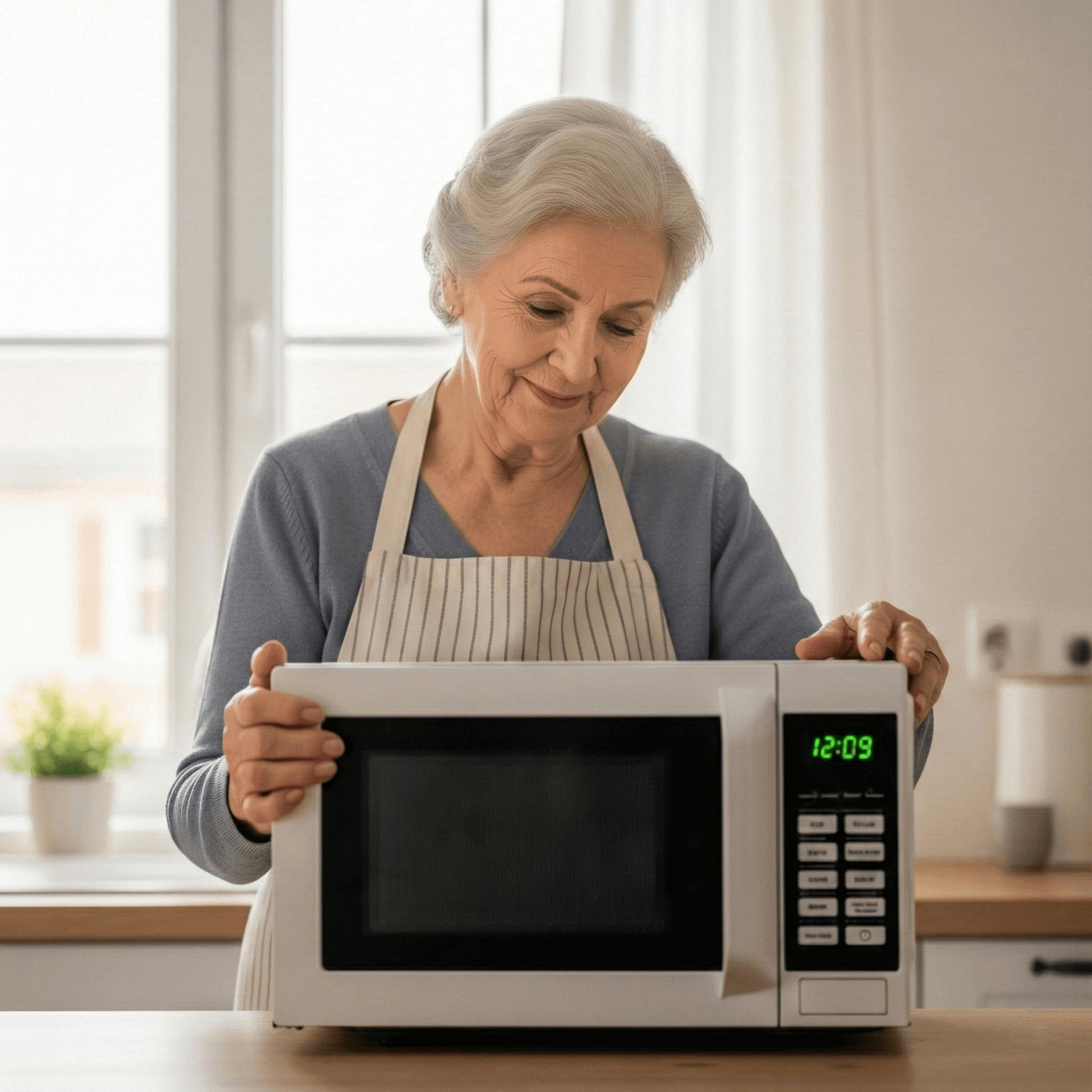
High contrast is critical. Black print on white background, or vice versa. No glossy surfaces that create glare for aging eyes.
Large, clear numbers and letters. Buttons spaced far enough apart for arthritic fingers to press without accidentally hitting neighbors.
3. The Right Size for Real Meals
Your parent’s microwave needs to fit a standard dinner plate—at least a 10-12 inch turntable. Nothing’s more frustrating than a microwave that can’t accommodate an actual meal.
Consider counter space too. In small kitchens or apartments, a compact model might be necessary. But interior depth matters—if they can’t reach items in the back, size becomes a barrier instead of a benefit.
4. Easy-Open Doors
This detail matters more than you’d think.
Pull handles work better than push buttons for weak grip strength. The door should open with minimal force. Arthritis-friendly mechanisms aren’t a luxury—they determine whether your parent will actually use the microwave.
5. Audio Alerts You Can Actually Hear
A loud, clear “ding” that carries to other rooms is essential. Even better? Continuous beeping until the door opens.
For seniors with hearing loss, volume matters. Some models offer adjustable volume controls. This simple feature can make the difference between remembered meals and forgotten food sitting inside.
6. Safety Features That Work in the Background
Auto shut-off prevents burning. Programmable buttons create consistency—critical for those with memory issues. Child lock features prevent accidental reprogramming.
Sensor cooking can be helpful, but only for those with the cognitive capacity to use it properly.
? Pro Tip: The best microwave is the one your parent will actually use. Sometimes “good enough” features they’ll embrace beat “perfect” features they’ll ignore.
Ready to discover more innovative strategies for healthy, comfortable aging? Subscribe to our newsletter for expert-tested tips and product recommendations designed specifically for older adults.
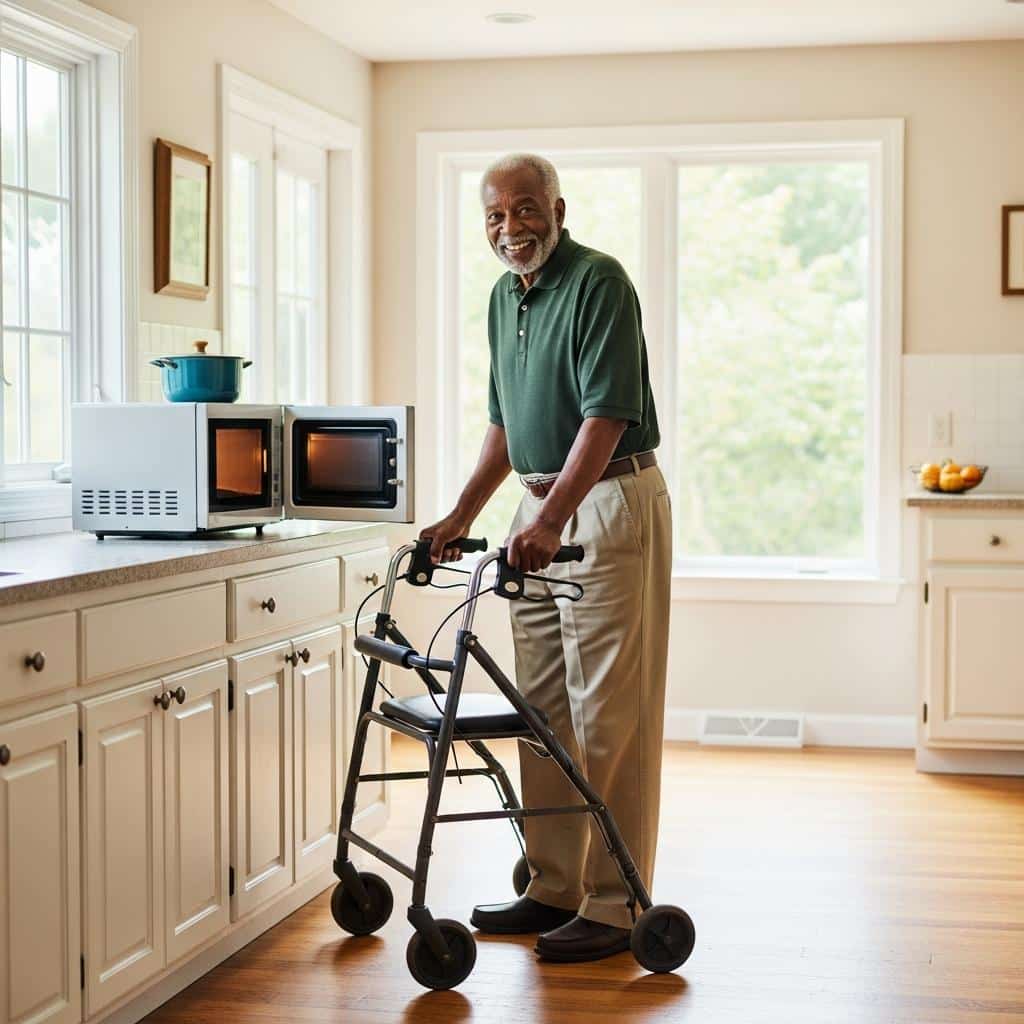
Top 5 Microwave Recommendations for Different Needs
Here’s the truth: there’s no single “best” microwave for all seniors. The right choice depends on your parent’s specific situation.
Let me walk you through the top options based on different needs.
BEST FOR DEMENTIA OR COGNITIVE ISSUES: Amana Commercial-Style Dial Microwave
Why this is the simplest option: One dial. That’s it.
Turn it to the time you want. The microwave starts automatically. When the dial returns to zero, cooking stops. No confusing buttons. No multi-step processes. No digital displays to interpret.
If your parent frequently forgets mid-task or gets confused by multiple steps, this is your answer. The dial provides a visual reminder—they can see how much time is left just by looking.
Who this serves: Anyone with dementia, significant cognitive decline, or severe vision impairment. It’s also ideal for seniors who simply don’t want to deal with modern digital controls.
Key features:
- Single dial operation—no buttons to confuse
- Clear power level markings on the dial
- Commercial-grade durability
- Simple mechanical timer mechanism
Honest limitations: You won’t get precise timing. Reheating might not be perfectly even. There are no preset options or advanced features.
But here’s what matters: your parent can use it independently and safely. That’s worth more than perfect reheating.
Price point: Mid-range ($150-200). Worth every penny for the right situation.
BEST PROGRAMMABLE OPTION: Panasonic Commercial Microwave with Preset Memory
Best for: Seniors with routine eating habits who benefit from consistency.
This is the caregiver’s secret weapon. You program common tasks once, and your parent just presses a single button every time.
Here’s how it works in real life:
- Button 1: Reheat coffee for exactly 45 seconds
- Button 2: Warm soup for 2 minutes
- Button 3: Heat leftover dinner plate for 90 seconds
- Button 4: Steam vegetables for 3 minutes
Your parent learns: “Button 1 for coffee. Button 2 for soup.” Simple association, consistent results.
Setup process: You’ll spend 15 minutes programming it initially. After that, it’s one-touch operation for your parent. The buttons can be labeled with large-print stickers.
Ideal candidates: Routine-oriented seniors who eat the same types of meals regularly. Perfect for caregivers managing from a distance—you can program it during a visit, and it works perfectly for months. If you’re juggling care from afar, coordinating with other family members can make remote caregiving more effective.
Key features:
- Up to 20 programmable memory settings
- Large, clearly labeled buttons
- Commercial-grade construction
- Consistent, reliable performance
Limitations: Higher upfront cost ($200-300). Requires initial setup knowledge. If your parent’s routine changes frequently, the preset buttons might need reprogramming.
Long-term value: “Set it and forget it” peace of mind for both of you.
BEST BUDGET OPTION: Magic Chef Retro Countertop Microwave
Best for: Trial runs, secondary homes, or families watching the budget.
Sometimes you’re not sure if your parent will embrace the change. Maybe you want to test the concept before investing significantly. This is your low-risk entry point.
What you get: Two-dial simplicity at an accessible price point. One dial for power level, one for time. Both are clearly marked and easy to read.
Style bonus: Available in vintage colors like mint green and cherry red. This isn’t just practical—many seniors appreciate the retro aesthetic that feels familiar and cheerful.
Key features maintained:
- Simple dial controls (no confusing digital interface)
- Adequate 0.7 cubic foot capacity for most meals
- Pull-handle door (arthritis-friendly)
- Loud end-of-cycle alert
What you sacrifice: Smaller capacity means no large casserole dishes. Basic construction won’t last as long as commercial-grade models. No preset options or advanced features.
When this makes sense: You’re introducing the concept gradually. Your parent has a second home or assisted living unit with limited space. You’re on a tight budget but safety still matters.
Price point: Under $100. A small investment for significant peace of mind.
BEST FOR TECH-SAVVY SENIORS: Amazon Basics Microwave with Alexa
Best for: Seniors already comfortable with Alexa and voice assistants.
If your parent asks Alexa for the weather every morning, this could be a game-changer for them. For seniors who aren’t yet comfortable with voice assistants, check out our guide on introducing technology to seniors who resist it.
Voice control benefits: Completely hands-free operation. Perfect for severe arthritis or limited hand mobility. No small buttons to press. No reading displays.
“Alexa, reheat my coffee.”
“Alexa, defrost chicken for 3 minutes.”
“Alexa, popcorn.”
It’s that simple.
Setup requirements: Requires an Echo device (not included). Initial pairing takes about 5 minutes—manageable for most caregivers. The microwave connects to your parent’s existing Alexa ecosystem.
Learning curve: If they can talk to Alexa, they can use this microwave. Voice commands are intuitive and natural. No memorizing button sequences.
Caregiver benefit: In some configurations, you can monitor usage patterns through the Alexa app. You’ll know if your parent is eating regularly.
Key features:
- Complete voice control through Alexa
- Also functions as a normal microwave with manual controls
- Compact size (0.7 cubic feet) fits smaller spaces
- Affordable price point for smart technology
Ideal candidates: Tech-comfortable seniors who already use voice assistants. Those with arthritis or limited hand mobility. Seniors who appreciate modern conveniences.
Limitations: Requires smart home ecosystem. Voice commands must be relatively precise. Needs WiFi connection. Not suitable for seniors resistant to technology.
Price point: Around $60-80 (plus Echo device if needed). Remarkably affordable for voice-controlled appliance.
BEST COMPACT OPTION: Whirlpool 0.5 Cu. Ft. Countertop Microwave
Best for: Small kitchens, apartments, assisted living spaces with limited counter real estate.
Space constraints are real. When counter space is at a premium, you need a microwave that delivers senior-friendly features in a smaller footprint.
Space-saving specs: Just 16 inches wide. Fits on small counters or even sturdy side tables. Weighs under 30 pounds for easier positioning.
Feature balance maintained:
- Simple control panel with clearly marked buttons
- Easy-read LED display
- Pull-handle door design
- Ten power levels for cooking flexibility
Capacity reality check: A 10-inch dinner plate fits, but just barely. Large casserole dishes won’t work. Your parent might need to heat food in batches.
Who needs this: Seniors downsizing to apartments. Those in assisted living with kitchenettes. Anyone where space is the limiting factor.
Key features:
- Ultra-compact footprint
- Lightweight for easy cleaning underneath
- Simple operation despite small size
- Reliable Whirlpool quality
Limitations: Smaller plates only. Limited interior depth. Reduced wattage (700W) means slightly longer cook times.
Price point: $80-120. Good value for the space-saving design.
Ready to discover more innovative strategies for healthy, comfortable aging? Subscribe to our newsletter for expert-tested tips and product recommendations designed specifically for older adults.
Making the Transition Successfully Without Drama
Here’s where most caregivers get stuck: how do you actually introduce this change without it feeling like you’re taking something away?
The approach matters as much as the product.
Frame It as a Gift, Not a Restriction
Timing strategies that work:
- Holiday or birthday gifts (“I saw this and thought of you”)
- After a minor incident, but not as punishment
- During a kitchen upgrade or remodel
- When they mention cooking frustrations
Language scripts to use:
✅ “I saw this and thought it would make life easier for you”
✅ “This has some features I thought you’d love”
✅ “I got one for my house and loved it so much, I wanted you to have one too”
What to avoid:
❌ “You can’t use the stove anymore—it’s not safe”
❌ “You’re going to hurt yourself”
❌ “I’m worried about you burning the house down”
Setup Tips That Build Confidence
For programmable models: Set up their most common tasks before introducing it. Let them see immediate success.
Create visual guides: Laminated instruction cards with step-by-step pictures. Simple drawings work better than photos. Large print. One task per card.
The electrical tape hack: Cover unused buttons with matching electrical tape. For dementia patients, this prevents confusion. They only see the buttons that matter. Learn more dementia communication strategies that reduce anxiety and confusion.
Trial run together: The first few uses should be with you present. Make it a cooking session, not a lesson. Success builds confidence.
⚠️ Warning Signs It’s Time to Make the Switch
You’re not overreacting if you’re seeing:
- Frequent burned meals or forgotten food
- Stove burners left on for extended periods
- Confusion about operating existing appliances
- Near-miss incidents (singed items, smoke alarms)
- You’re losing sleep over worry
Trust your instincts. If you’re concerned enough to be reading this article, it’s probably time.
Working With Resistant Parents
Acknowledge the emotion first: “I know this might feel like I’m taking something away, and I understand why that’s upsetting.”
Emphasize the positive: “This means you can still make your own meals safely, which is what we both want.”
Offer compromise: “Let’s try this for a month. The stove stays—we’re just adding an option.”
Include them in the choice: “Which color would you prefer? This one has knobs, this one has buttons—which feels more comfortable?”
? Pro Tip: Sometimes resistance isn’t about the microwave—it’s about loss of independence. Address the real concern directly. If you need more guidance on having difficult safety conversations with aging parents, that approach can help you find language that works.
Beyond the Microwave: Complete Kitchen Safety
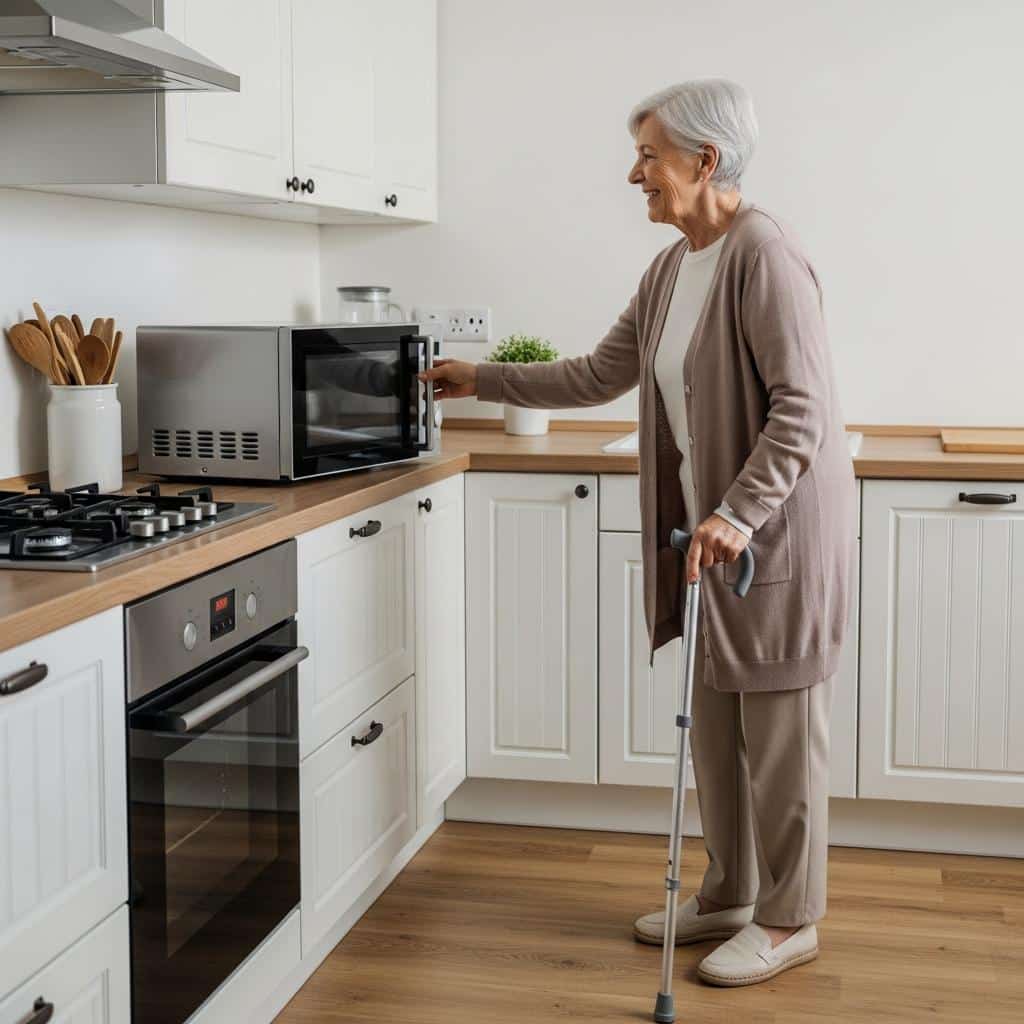
A senior-friendly microwave is one piece of a larger kitchen safety picture.
Other adaptive tools that work together:
- Jar openers for arthritis and weak grip
- Automatic shut-off kettles that prevent dry boiling
- Non-slip mats for secure food prep
- Induction burners as a safer cooking alternative when a microwave isn’t enough
- Adaptive utensils with ergonomic grips
Consider a professional assessment: Occupational therapists specialize in home safety evaluations. They can identify risks you might miss and recommend specific modifications.
The goal isn’t to childproof the kitchen. It’s to create an environment where your parent can continue cooking safely and independently for as long as possible.
You Can Do This—And It Will Help
Choosing the right microwave for your parent isn’t just about safety features and price points. It’s about preserving dignity while protecting the person you love.
Start with one simple step: Measure your parent’s counter space. Consider which type of control would work best for their cognitive and physical abilities. Read reviews from other caregivers.
You’re not taking away their independence—you’re helping them maintain it safely. That’s not control. That’s love.
The microwave that lets your mother heat her own soup is the microwave that lets her stay in her home longer. The device that gives your father independence in the kitchen is the device that preserves his dignity.
Your next steps are clear:
- Assess your parent’s specific needs and abilities
- Choose the microwave that matches their situation
- Introduce it thoughtfully and positively
- Set them up for success with simple instructions
Have you made a similar kitchen safety change for your parent? What worked well? What surprised you? Share your experience in the comments below—your insight might help another caregiver facing the same decision.
Remember: you’re doing a good thing here. Even if it’s hard, even if they resist initially, you’re helping them stay independent longer. That matters. And while you’re taking care of them, don’t forget to take care of yourself as a caregiver too.