
![Older woman side sleeping position peaceful[1]](https://www.grayingwithgrace.com/wp-content/uploads/2026/02/older_woman_side_sleeping_position_peaceful1-e1771333748525.jpg)
You’ve probably spent countless hours thinking about diet, exercise, and mental stimulation to protect your brain. But what if something as simple as how you sleep could help?
Recent research from the University of Rochester has uncovered a fascinating connection between sleep position and your brain’s natural waste-clearing system.
The findings suggest that the position you sleep in might affect how efficiently your brain removes proteins linked to Alzheimer’s disease.
This isn’t a cure or a guarantee. It’s one piece of a comprehensive approach to brain health—but it’s a piece you can act on tonight.
How Your Brain Takes Out the Trash While You Sleep
Your brain doesn’t just rest during sleep. It runs maintenance.
Scientists discovered in 2012 that the brain has a waste-clearing system called the glymphatic system—essentially your brain’s cleanup crew. During sleep, cerebrospinal fluid washes through brain tissue, flushing out metabolic waste products including amyloid-beta proteins.
Why does this matter? Amyloid-beta buildup is strongly associated with Alzheimer’s disease.
Think of it like a dishwasher that only runs at night. If it doesn’t run efficiently, waste accumulates over time. Your brain’s glymphatic system works the same way—it’s most active during deep sleep, clearing out the debris that accumulates during your waking hours.
This discovery changed how we understand brain health and aging. Your brain isn’t passive during sleep. It’s actively maintaining itself, and supporting this natural process is a form of preventive care you control.

The Research on Sleep Position and Brain Waste Clearance
In 2015, researchers at the University of Rochester published a groundbreaking study in the Journal of Neuroscience. Using MRI technology, they found that lateral (side) sleeping showed approximately 25% more efficient waste clearance compared to back or stomach sleeping.
Why does position matter? It affects how cerebrospinal fluid flows through brain tissue.
The research involved both animal models and human subjects, giving it broader validity. The team discovered that side-sleeping optimizes the angle and flow of fluid through the brain’s drainage channels.




Think of water flowing through pipes—certain angles allow more efficient drainage. Your brain’s waste-clearing system works similarly. Position influences efficiency.
This isn’t about your current sleep position being ‘wrong.’ It’s about new information that might help you optimize a natural process your brain already performs.
The research suggests that something as accessible as adjusting your sleep position could support your brain’s nightly maintenance routine. No expensive equipment. No medication. Just a positional change that works with your body’s existing systems.

Making the Transition: How to Become a Side Sleeper
If you’re not already a side sleeper, gradual changes work better than forcing an overnight switch.
Start with the pillow configuration: one pillow for your head and neck, one between your knees to keep your spine aligned, and one against your back to prevent rolling.
Begin with just 20-30 minutes on your side before transitioning to your preferred position. Your body needs time to adapt. Most people require 2-3 weeks to adjust comfortably to a new sleep position.
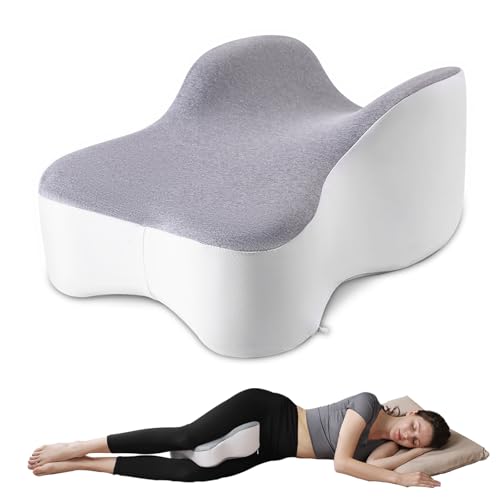


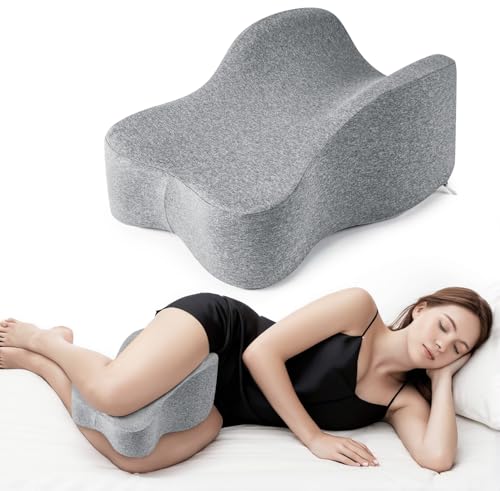


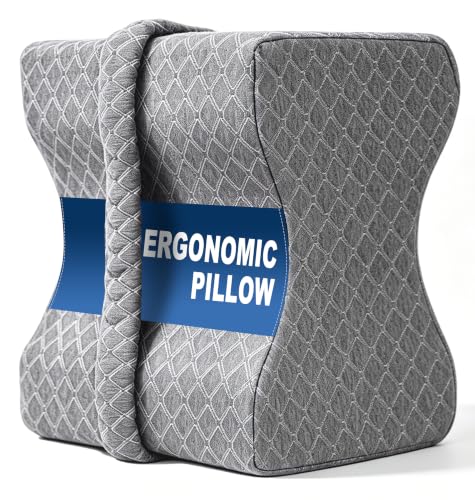
Forcing it won’t work. Quality sleep matters more than perfect positioning. If side-sleeping leaves you exhausted and uncomfortable, the stress outweighs any potential benefit.
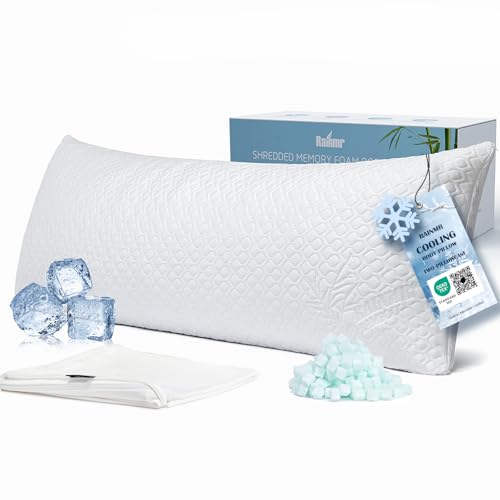
Many people find body pillows, positioning pillows, or pregnancy pillows helpful for maintaining side-sleeping comfort throughout the night. These tools provide support that makes the position sustainable rather than something you fight all night.
Ready to discover more strategies for healthy aging? Subscribe to our newsletter for expert-backed tips on brain health, sleep quality, and maintaining independence as you age.
Think of this as an experiment, not a mandate. Some nights you’ll succeed. Some nights you won’t. Progress, not perfection.

Left Side vs. Right Side: Does It Matter?
For brain waste clearance, both sides appear equally effective. But other health factors might influence which side works best for you.
Left-side sleeping reduces acid reflux by keeping your stomach positioned below your esophagus. If you frequently experience heartburn, particularly after evening meals, left-side sleeping often provides relief.
Right-side sleeping may reduce pressure on your heart for those with certain cardiac concerns. Some cardiologists recommend it for patients with specific heart conditions.
If you have sleep apnea, side-sleeping on either side generally improves breathing compared to back-sleeping. The position keeps your airway more open.
What feels comfortable and allows quality sleep matters most. The best side is the one you can maintain comfortably through the night without compromising your sleep quality.
Consider your complete health picture. If you have both reflux and heart concerns, work with your doctor to determine which position offers the greatest overall benefit. Managing multiple health considerations becomes easier when you understand how different factors interact.

Tracking and Reality-Checking Your Sleep Position
Understanding your actual sleep patterns helps you make informed adjustments. But maintaining perspective is crucial.
Sleep tracking apps can monitor position changes throughout the night. But here’s the reality: most people naturally shift positions multiple times. This is normal and healthy. Your body adjusts throughout the night to maintain comfort and circulation.
The goal isn’t perfection. Even increasing the amount of time you spend side-sleeping may offer benefits. You don’t need to maintain a rigid position for eight straight hours.
This is one factor among many. Sleep duration, sleep quality, and your overall brain health habits matter just as much as position. Social connection, physical activity, and cognitive engagement all play significant roles in maintaining brain health.
Set realistic expectations. Sleep position supports your brain’s natural maintenance system. It’s not a dementia cure. It’s not a guarantee. It’s one variable you can optimize as part of a comprehensive approach to healthy aging.
Someone who obsesses over perfect sleep position and creates sleep anxiety defeats the purpose. Someone who makes comfortable adjustments while maintaining perspective supports their brain health without undermining their overall wellbeing.
Track your sleep for awareness, but prioritize overall sleep quality over perfect positioning. A well-rested brain in any position outperforms an exhausted brain in the ‘perfect’ position.

What Else Supports Your Brain’s Glymphatic System
Sleep position is one piece. Other factors significantly impact how well your brain’s waste-clearing system functions.
Sleep duration matters. The glymphatic system is most active during deep sleep stages. Getting 7-8 hours of quality sleep gives your brain adequate time to complete its maintenance work.
Alcohol disrupts the glymphatic system’s efficiency even when it helps you fall asleep initially. If you drink in the evening, your brain’s cleanup process may be compromised throughout the night.
Hydration status affects cerebrospinal fluid production and flow. Chronic dehydration can impair the system’s function. This doesn’t mean drinking water right before bed—that just disrupts sleep for bathroom trips. It means maintaining good hydration throughout the day.
Regular exercise improves both sleep quality and glymphatic function. Physical activity enhances the depth of your sleep stages and appears to increase the efficiency of the brain’s waste-clearing process.
Cognitive stimulation and social connection protect brain health through different mechanisms. While they don’t directly affect the glymphatic system, they build cognitive reserve that helps your brain maintain function even if some damage occurs.
Consider sleep position as one tool in your comprehensive brain health strategy, not as a standalone solution.
Conclusion
The research on sleep position and brain waste clearance offers hope because it’s actionable. You can make this adjustment tonight with minimal cost or difficulty.
But keep it in perspective. This isn’t a guarantee. This isn’t a cure. It’s one piece of a comprehensive approach to cognitive health that includes sleep quality, physical activity, social engagement, and cognitive stimulation.
The beauty of this intervention is its accessibility. No prescription required. No expensive equipment needed. Just information about how your body works and a willingness to experiment with a positional change.
If you’re comfortable trying side-sleeping, give it a genuine attempt over several weeks. Use pillows for support. Start gradually. Pay attention to what helps you sleep better overall, not just what achieves a perfect position.
Your sleep comfort and quality remain the priority. A well-rested brain in any position serves you better than an exhausted brain in the ‘optimal’ position.
What’s your experience with different sleep positions? Have you noticed any patterns between how you sleep and how you feel the next day? Share your observations in the comments—your experience might help someone else make a choice that works for them.





![Older couple evening sofa weighted pad[1]](https://www.grayingwithgrace.com/wp-content/uploads/2025/07/older_couple_evening_sofa_weighted_pad1-e1753723820930-450x300.jpg)


