![Keep caregiver woman guiding senior floor safely[1]](https://www.grayingwithgrace.com/wp-content/uploads/2026/05/KEEP-caregiver_woman_guiding_senior_floor_safely1-e1778616958747.jpg)
You hear a thud from the other room. Your stomach drops. You rush in and find your loved one on the floor — and every instinct in your body screams pull them up right now.
That instinct comes from love. But it’s also one of the most dangerous things you can do in that moment.
Most families have never been taught what actually happens in the minutes after a senior falls. And the mistakes made in those first few minutes — out of fear, out of love, out of pure panic — can turn a manageable situation into a serious one. Here are the seven steps trained caregivers follow, in order, so you’re ready before you ever need them.
Step 1: Stop — Don’t Try to Lift Them
This is the step that feels completely wrong in the moment. When someone you love is on the floor, every instinct says do something. Get them up. Fix it.
But pulling a fallen person upright before assessing them can turn a hairline fracture into a displaced one, or worsen a spinal injury that hasn’t yet caused obvious symptoms.
Instead, do this first:
- Get down to their level physically — kneel or crouch beside them
- Make calm eye contact and say: “I’m right here. Don’t try to move yet. Let’s just check you’re okay first.”
- Keep your voice steady — your calm will help regulate theirs
- Place a hand on their arm or shoulder to reassure them you’re present
Pausing before acting isn’t hesitation. It’s the first protective decision you make.
One practical note: families who already have a medical alert system with fall detection in place may find that help is already on the way before they even enter the room — which removes the pressure of that first decision entirely.


Steps 2 & 3: Assess for Injury — Then Decide on 911
Before you help anyone off the floor, run through this four-question check. It takes about 60 seconds and tells you whether you’re dealing with a bruised ego or a medical emergency.
The 60-Second Injury Assessment
- Can they speak clearly and are they alert? Confusion or slurred speech after a fall is a red flag.
- Do they report pain in the hip, back, neck, or head? Don’t assume minor pain means minor injury.
- Can they move all four limbs? Ask them to wiggle fingers and toes.
- Is there visible injury, bleeding, or swelling? Look before you touch.
When to Call 911
Call immediately if any of the following are true:
- They hit their head, especially if they lost consciousness even briefly
- They report severe pain anywhere, particularly in the hip or spine
- They cannot move a limb or report numbness
- They seem confused, disoriented, or unusually drowsy
- You are unsure about anything
Calling 911 is never an overreaction when you’re uncertain. A hairline hip fracture often feels like moderate soreness — and a person helped to their feet with an undiagnosed fracture can face catastrophic injury. If you call and nothing is wrong, the paramedics will tell you.
While waiting for emergency services: keep them still and warm, stay with them, and don’t offer food or water in case surgery becomes necessary.
Want more expert guidance on keeping your loved one safe at home? Subscribe to the Graying With Grace newsletter for trusted, practical advice from a Certified Senior Advisor — delivered straight to your inbox every week.
Step 4: If It’s Safe to Get Up, Use This Technique

If your assessment is clear and 911 isn’t needed, there’s a right way to help someone rise from the floor — and most families improvise it in ways that risk a second fall or a caregiver back injury.
The Safe Floor-to-Standing Sequence
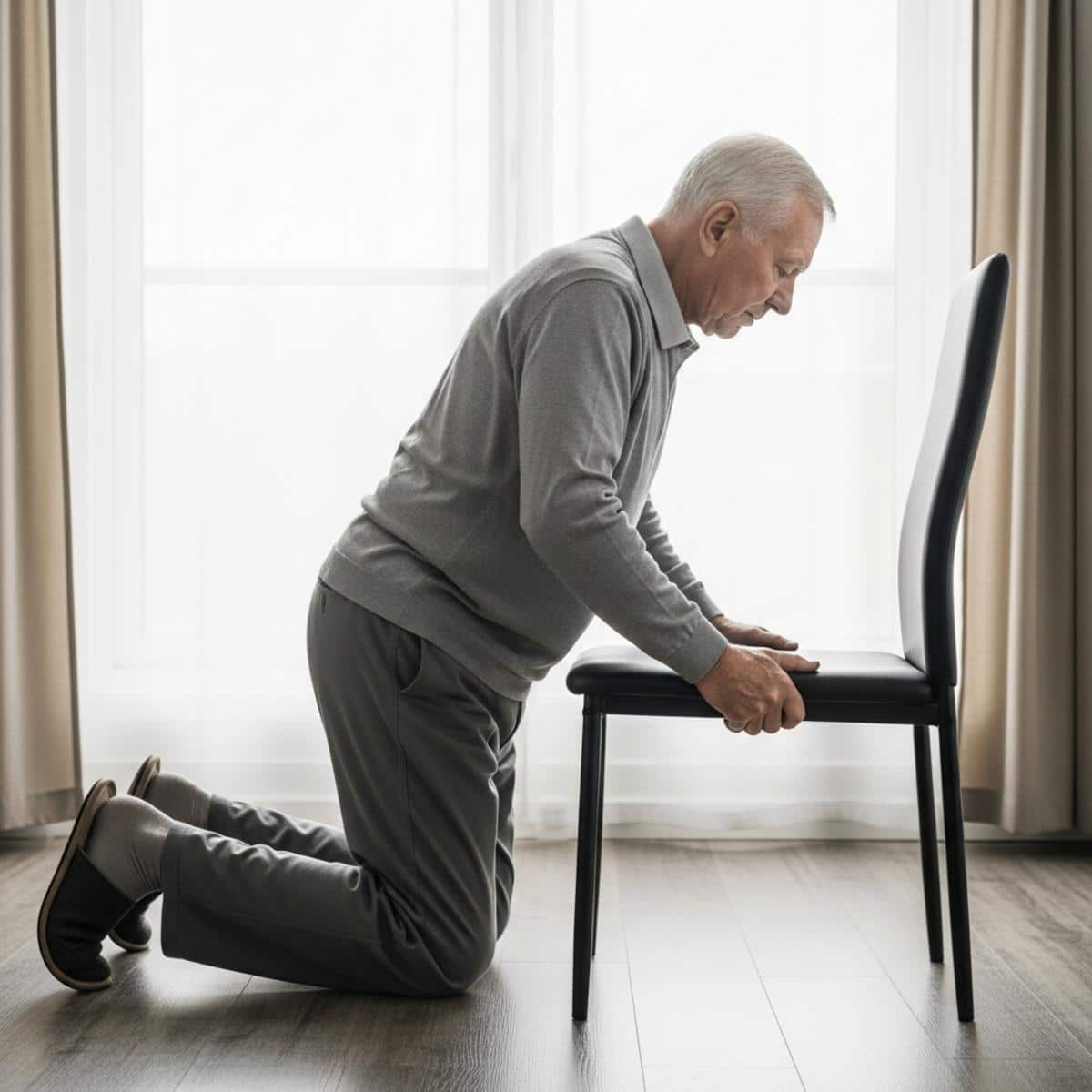
- Roll to one side — Help them roll slowly onto their stronger side
- Push up to hands and knees — Let them do as much of this as they can; guide, don’t drag
- Bring a sturdy chair close — Position it so they can use it as an anchor, not you
- Rise to seated on the chair — Pause here before attempting to stand
- Stand slowly — Let them take 30–60 seconds before standing fully upright; dizziness after a fall is common
Your role in this process is to guide and steady — not to lift and carry. If you cannot support them safely through this sequence, stop and call for help rather than risk injuring you both.
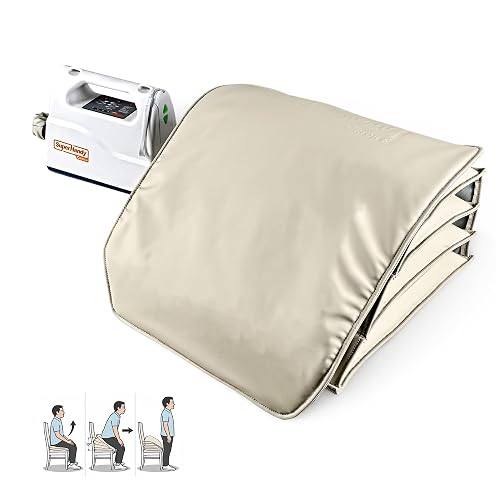
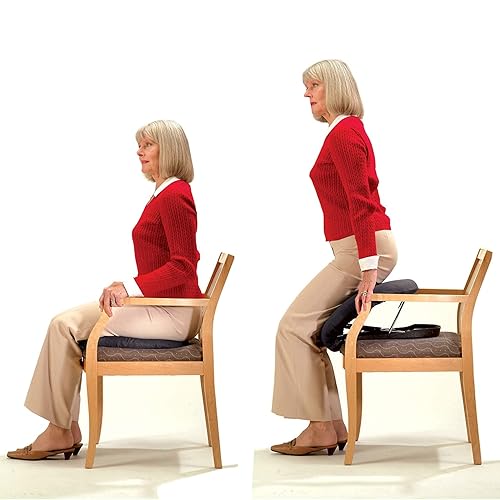
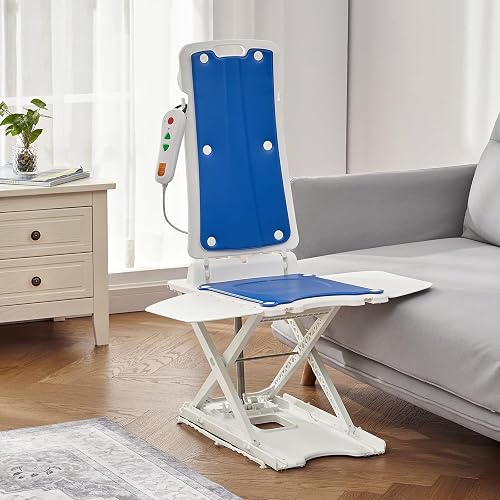
For caregivers who cannot physically support body weight, inflatable lift cushions designed to assist the floor-to-seated transition exist specifically for this situation. A slow, supported rise isn’t weakness — it’s the technique that keeps a two-person emergency from becoming a three-person one.




Steps 5 & 6: Document the Fall — and Address the Fear

Once the immediate crisis is handled, two things tend to get completely skipped — and both matter more than most families realize.
Document Before You Forget
A fall is medical information. Write it down while it’s fresh, because your loved one’s doctor needs this detail to assess underlying causes, review medications, and prevent the next one.
Post-Fall Documentation Checklist:
- ☐ Date and time of the fall
- ☐ Location in the home (bathroom, bedroom, hallway)
- ☐ What they were doing when they fell
- ☐ Footwear they were wearing
- ☐ Environmental factors (wet floor, loose rug, poor lighting)
- ☐ Any symptoms they reported before or immediately after
- ☐ Whether they hit their head and on what
- ☐ Any medications taken that day, especially new ones
Schedule a doctor visit within 48 hours — even when the fall seems minor. Delayed pain and hidden fractures are real. Medication interactions that contributed to the fall need to be reviewed.
The Post-Fall Fear Cycle — Don’t Overlook This
Here’s what I’ve seen happen in my work with families after a fall: the physical injury heals, but the fear doesn’t.
Many older adults become so afraid of falling again that they stop moving — they avoid stairs, skip walks, limit activity. That fear-driven immobility is one of the strongest predictors of a future fall, because it weakens the very muscles that prevent them.
Families often accidentally reinforce this fear by over-restricting the senior’s activity “for their safety.” The better response is to acknowledge the fear, validate it, and work together toward a confidence-building plan that restores movement rather than eliminating it.
Emotional recovery is part of fall recovery. Treat it that way. If fear of falling is significantly limiting your loved one’s activity, talk with their doctor about balance exercises and physical therapy referrals — these are among the most evidence-supported fall prevention strategies available.
Step 7: Make Home Modifications Within 72 Hours

A fall is a signal. And the 72 hours after a fall are the most important window to act on what it’s telling you — while attention and motivation are at their highest.
Families who wait until “the right time” to make home changes rarely make them. The urgency fades. Life gets busy. Then another fall happens.
The 72-Hour Priority Checklist
Do these first:
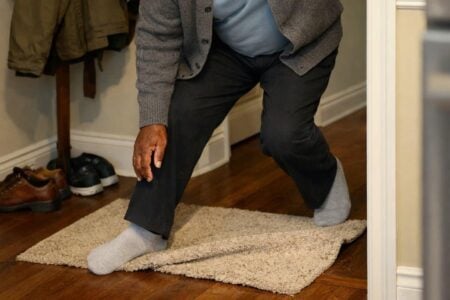
- ☐ Remove or secure any rugs or mats in the fall area
- ☐ Clear pathways between the bedroom and bathroom
- ☐ Add motion-activated night lights along any nighttime route
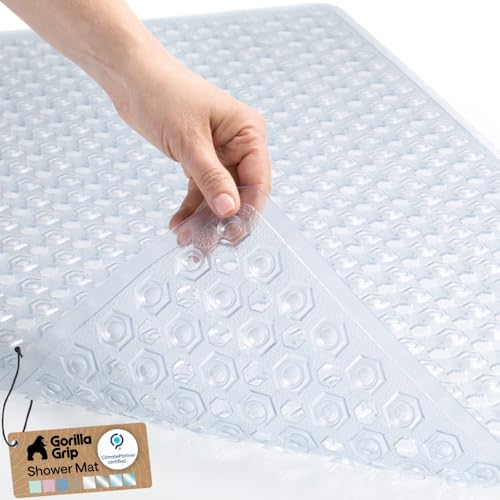
- ☐ Install grab bars in the shower and beside the toilet if not already present
- ☐ Add a bed rail for safer nighttime transitions if the fall happened at night
Address within the week:
- ☐ Review footwear — non-slip soles, no loose slippers
- ☐ Assess lighting in every room they use regularly
- ☐ Evaluate whether a medical alert system or fall detection wearable makes sense going forward



Having the Conversation Without Making Them Feel Helpless
Many seniors resist home modifications because they feel like conceding defeat. Approach it differently: frame changes as making their home work better for them, not as responding to weakness.
Ask what they found difficult about the room where they fell. Let them help identify solutions. When older adults are part of the decision, they’re far more likely to accept and use the changes.
Modifying the home isn’t preparing for more falls. It’s making it harder for the next one to happen.
You Now Have a Plan — That Changes Everything
Most families don’t get these steps wrong because they don’t care. They get them wrong because no one ever taught them the protocol. The instinct to rush in and pull someone up is human. It comes from the right place. It just needs direction.
Now you have that direction. Seven steps, in order, that trained caregivers follow after a fall — and the reasoning behind each one so you can actually remember it under pressure.
Having a plan changes how you show up in that moment. Fear gives way to clarity. And clarity is what keeps the people you love safer.
Save this article somewhere you can find it. Share it with anyone else involved in your loved one’s care — a sibling, a spouse, a neighbor with a key. And if you want to go deeper on home safety, this guide to bathroom safety modifications is a practical next step — since bathroom falls are among the most common and most preventable.
What’s one change you’re going to make to your home or your emergency plan this week? Share it in the comments — your answer might be exactly what someone else needed to read today.