![Older woman cane colorful plate divider[1]](https://www.grayingwithgrace.com/wp-content/uploads/2025/07/older_woman_cane_colorful_plate_divider1-e1752686358595.jpg)
Picture this: mashed potatoes sliding across the table, green beans scattered on the floor, and your loved one pushing their plate away in frustration. Sound familiar?
If you’re caring for someone with dementia, you know that mealtime can quickly transform from nourishment to nightmare. What should be a peaceful moment often becomes a source of stress for everyone involved.
But here’s what might surprise you: there’s a simple $12 solution that’s been hiding in plain sight, and it’s changing everything for families dealing with dementia-related eating challenges.
What if I told you that this tiny kitchen gadget could restore dignity to mealtime while cutting your cleanup time in half? The best part? You probably walked past it in the store without giving it a second thought.

The Hidden Challenge That’s Breaking Hearts at Every Meal
Here’s what many people don’t understand about dementia and eating: it’s not just about memory loss.
Dementia affects spatial awareness, making it difficult to judge distances between fork and mouth. It impacts decision-making, turning a plate full of food into an overwhelming puzzle. Motor skills decline, causing tremors and coordination issues that make simple tasks feel impossible.
For you as a caregiver, each meal becomes a delicate balance. You’re watching someone you love struggle with something as basic as eating, while simultaneously worrying about nutrition, cleanliness, and maintaining their dignity.
The emotional toll is exhausting. You find yourself dreading mealtimes, cleaning up spills multiple times a day, and watching helplessly as independence slowly slips away.
The truth is, traditional plates and utensils aren’t designed for the unique challenges that dementia presents.

The Game-Changing $12 Solution: Suction Cup Divided Plates
Meet the unsung hero of dementia care: suction cup divided plates


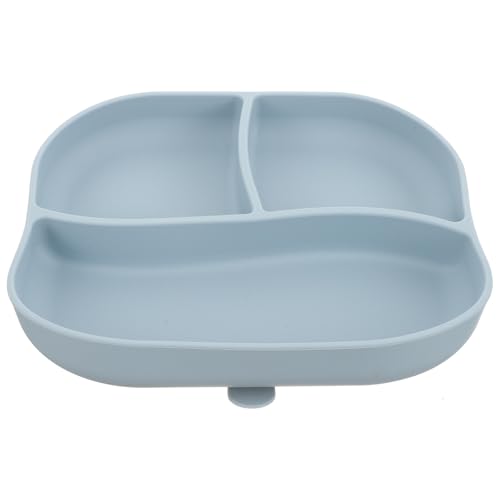
These simple silicone devices attach to any standard plate, creating separate compartments for different foods while staying completely stationary thanks to their powerful suction base.
Here’s why they’re revolutionary for dementia care:
Eliminates the sliding plate problem. The suction cup base means no more chasing plates across the table or dealing with food flying everywhere when utensils slip.
Reduces decision-making overwhelm. Instead of staring at a confusing mix of foods, each item has its own designated space, making choices clearer and less stressful.
Prevents food mixing anxiety. Many people with dementia become distressed when foods touch each other. These dividers create clear visual boundaries that provide comfort and familiarity.
Maintains dignity. Unlike specialized “medical-looking” plates, these simple dividers work with regular dinnerware, preserving the normal appearance of mealtime.
They’re dishwasher safe, come in multiple colors, and cost less than most restaurant meals. But the real value? The peace of mind they bring to both you and your loved one.
Ready to discover more innovative strategies for healthy, comfortable aging? Subscribe to our newsletter for expert-tested tips and product recommendations designed specifically for older adults.

Why Professional Caregivers Swear By This Approach
Occupational therapists have long understood the importance of environmental modifications for people with cognitive challenges.
The suction cup feature specifically addresses what professionals call “dynamic stability” – keeping objects in place while allowing normal use. This principle is crucial for anyone dealing with tremors, coordination issues, or spatial processing difficulties.
Professional caregivers also appreciate how these dividers support what’s called “visual processing” – helping the brain better interpret and respond to what it sees. When food is clearly separated and the plate stays put, the eating process becomes more manageable and less frustrating.
The beauty of this solution is its simplicity. No special training required, no complex setup, just immediate improvement to the eating experience.

Seven Caregiver Hacks for More Independent, Manageable Mealtimes
Beyond the suction cup dividers, here are professional strategies that can transform your approach to dementia care during meals:
The One-Food Rule
Serve one item at a time to reduce decision fatigue. Keep other courses warm and ready, but out of sight until needed.
This simple change eliminates the overwhelming feeling of too many choices while ensuring your loved one gets proper nutrition throughout the meal.
Color Contrast Magic
Use plates that contrast with food colors – white foods on dark plates, colorful foods on white plates.
Avoid patterns or busy designs that can be visually confusing. Sometimes something as simple as choosing the right plates can make eating significantly easier and more enjoyable.
The Finger Food Revolution
Transform favorite meals into handheld versions: mini sandwiches, cut fruit, cheese cubes, or steamed vegetable pieces.
This reduces utensil confusion while maintaining nutritional value. Many cooking activities for people with dementia focus on finger foods because they’re both satisfying and manageable.
Strategic Seating Setup
Position your loved one with their back to distractions like televisions or busy areas.
Ensure good lighting on the food without glare in their eyes. Keep the table clear except for immediate meal items to reduce visual clutter.
Timing is Everything
Identify their “best” time of day for alertness and coordination. For many people with dementia, this is often mid-morning or early afternoon.
Allow extra time without rushing, and consider smaller, more frequent meals rather than three large ones. This approach often works better with dementia-friendly kitchen appliances that can keep food warm and ready.
The Demonstration Technique
Eat together and model the behavior you want to see. Use encouraging phrases like “This tastes so good” rather than giving direct instructions.
Sometimes sitting quietly together and enjoying the meal creates a more positive atmosphere than constant guidance.
Cleanup Made Simple
Place a towel under the plate for easy cleanup. Keep wet wipes nearby for quick hand cleaning.
Consider using a plastic tablecloth for larger spills, and remember that some mess is normal and okay. Kitchen safety tips for dementia often focus on making cleanup easier rather than preventing all spills.

Real-World Results That Matter
Caregivers who’ve implemented these strategies often report remarkable changes within just a few days.
Mealtimes become calmer and more enjoyable. Cleanup time is dramatically reduced. Most importantly, their loved ones seem more relaxed and confident during meals.
Some families find that their loved one begins initiating meals again or showing interest in food they’d been refusing. Others notice improved nutrition because less food ends up on the floor.
Remember: small changes can create big improvements. You don’t need to overhaul everything at once – start with one or two strategies and build from there.
Ready to discover more innovative strategies for healthy, comfortable aging? Subscribe to our newsletter for expert-tested tips and product recommendations designed specifically for older adults.
Your Next Step Toward Peaceful Mealtimes
That $12 suction cup plate divider might seem like a small thing, but for families dealing with dementia, small solutions often create the biggest impact.
You’re doing an incredible job navigating challenges that most people can’t even imagine. Every adjustment you make, every patient moment you provide, every creative solution you try – it all matters more than you know.
The goal isn’t perfection; it’s progress. If these strategies help make even one meal a little easier, a little more dignified, a little more enjoyable, then you’ve achieved something truly meaningful.
Your loved one’s comfort and your own peace of mind are worth every small step you take toward better mealtimes.
Have you tried any adaptive dining solutions for dementia care? What’s worked best in your experience? Share your insights in the comments below – your story might be exactly what another caregiver needs to hear today.