
![Older woman receiving meal dignity[1]](https://www.grayingwithgrace.com/wp-content/uploads/2026/02/older_woman_receiving_meal_dignity1-e1771334664816.jpg)
You open the door to find another well-meaning neighbor holding a casserole. You smile, say thank you, and feel that familiar knot in your stomach.
You’re grateful. Really, you are.
But somewhere between the third lasagna and the pitying looks, this stopped feeling like community support and started feeling like you became the neighborhood charity project.
Here’s what most people organizing meal trains don’t realize: there’s a single structural mistake that transforms genuine help into something that strips away dignity. And fixing it is surprisingly simple.
The difference between help that empowers and help that diminishes comes down to one thing: reciprocity.
The Dignified Meal Support Conversation Guide: Scripts for Organizing Help That Honors Everyone
Get word-for-word scripts that organize meal support while honoring dignity, choice, and contribution—so seniors feel valued instead of burden, and helpers know exactly what to say.
The Reciprocity Mistake: When One-Way Help Creates Uncomfortable Dependence
Traditional meal trains create a clear divide: givers on one side, receivers on the other.
This one-directional flow—no matter how loving the intention—establishes an uncomfortable power imbalance. You become defined by what you can’t do anymore, not by who you are or what you still offer.
The psychological research is clear: humans need to contribute to feel valued. When we can only receive, never give back, it damages our sense of worth and autonomy.
“Just accept help graciously” is advice that misses the deeper issue entirely.
Yes, accepting help matters during crisis. But when that help becomes sustained, one-way dependency, it stops being community support and becomes something that makes you feel smaller.
Consider the difference: receiving meals as “the person who can’t cook anymore” versus participating in a community meal-sharing system where everyone contributes in different ways.
One labels you by your limitations. The other recognizes you as a valued community member.
The problem isn’t that seniors are ungrateful. The problem is that the system doesn’t allow for the reciprocity that healthy relationships require.
If your current meal support makes you feel diminished rather than supported, that’s valid information worth addressing.








The Contribution-Based Model: Everyone Gives, Everyone Receives
Restructuring meal trains so that seniors contribute in meaningful ways transforms the dynamic from charity to community.
The rotation model works beautifully: participants both give and receive meals over time. You might not cook this week, but you will next month when you’re feeling stronger.
Contribution doesn’t require equal cooking output. It’s about valued participation.
Here’s what contribution can look like based on your current capabilities:
When you can’t cook but can plan:
• Create the monthly meal rotation schedule
• Coordinate delivery times and preferences
• Manage the recipe collection and shopping lists
• Send reminder texts to participants
When you have recipes but limited energy:
• Provide your famous soup recipe for others to prepare
• Share family recipes that become part of the rotation
• Offer cooking tips and adjustments to helpers
• Taste-test and provide feedback
When you can host but not cook:
• Hold the monthly planning meeting at your home
• Provide the space for meal prep gatherings
• Offer coffee and conversation while others cook
• Create the welcoming environment that builds community
Grace, a 72-year-old retired teacher recovering from surgery, found her contribution through coordination. She couldn’t stand long enough to cook, but she created the meal calendar, matched recipes to helpers’ skill levels, and sent encouraging notes to participants.
She wasn’t the charity case. She was the community organizer.
That shift in role changed everything about how she experienced receiving help.
Understanding how to maintain independence while accepting help requires recognizing that contribution takes many forms—not all of them involve a stove.




The Preference System: Giving Control Through Choice
Gathering detailed preferences transforms seniors from passive recipients to active participants with agency.
Surprise meal deliveries, no matter how well-intentioned, remove your control over what enters your home and body. That loss of choice chips away at dignity.
The preference-gathering conversation should cover:
Food preferences:
• Favorite cuisines and specific dishes
• Foods you actively dislike or can’t tolerate
• Dietary restrictions and health-related needs
• Preferred spice levels and flavor profiles
• Texture preferences (soft foods, crunchy elements, etc.)
Practical considerations:
• Ideal portion sizes (single serving, two meals, freezer-friendly)
• Container preferences (disposable vs. returnable)
• Foods that freeze well vs. fresh-only preferences
• Reheating instructions you can actually follow
Timing and delivery:
• Days and times that work for your schedule
• Drop-off only vs. opportunity for brief visit
• How much advance notice you prefer
• Whether you want help putting items away
This isn’t demanding or difficult. It’s treating you as an expert on your own needs and preferences.
Compare these scenarios:
Scenario A: Someone rings your doorbell unexpectedly with a surprise casserole you don’t particularly like. You feel obligated to accept it graciously and now must figure out how to store it or quietly dispose of it later.
Scenario B: You receive a text asking if you’d like chicken soup or vegetable stir-fry delivered Thursday afternoon. You choose the soup, request a single-serving portion, and indicate that a quick drop-off works best this week.
Both involve the same act of helping. Only one preserves your agency.
When you have genuine choice and control over what you receive and when, you maintain dignity even while accepting help.
Setting boundaries with family about how help is offered becomes easier when there’s a clear framework for choice and participation.
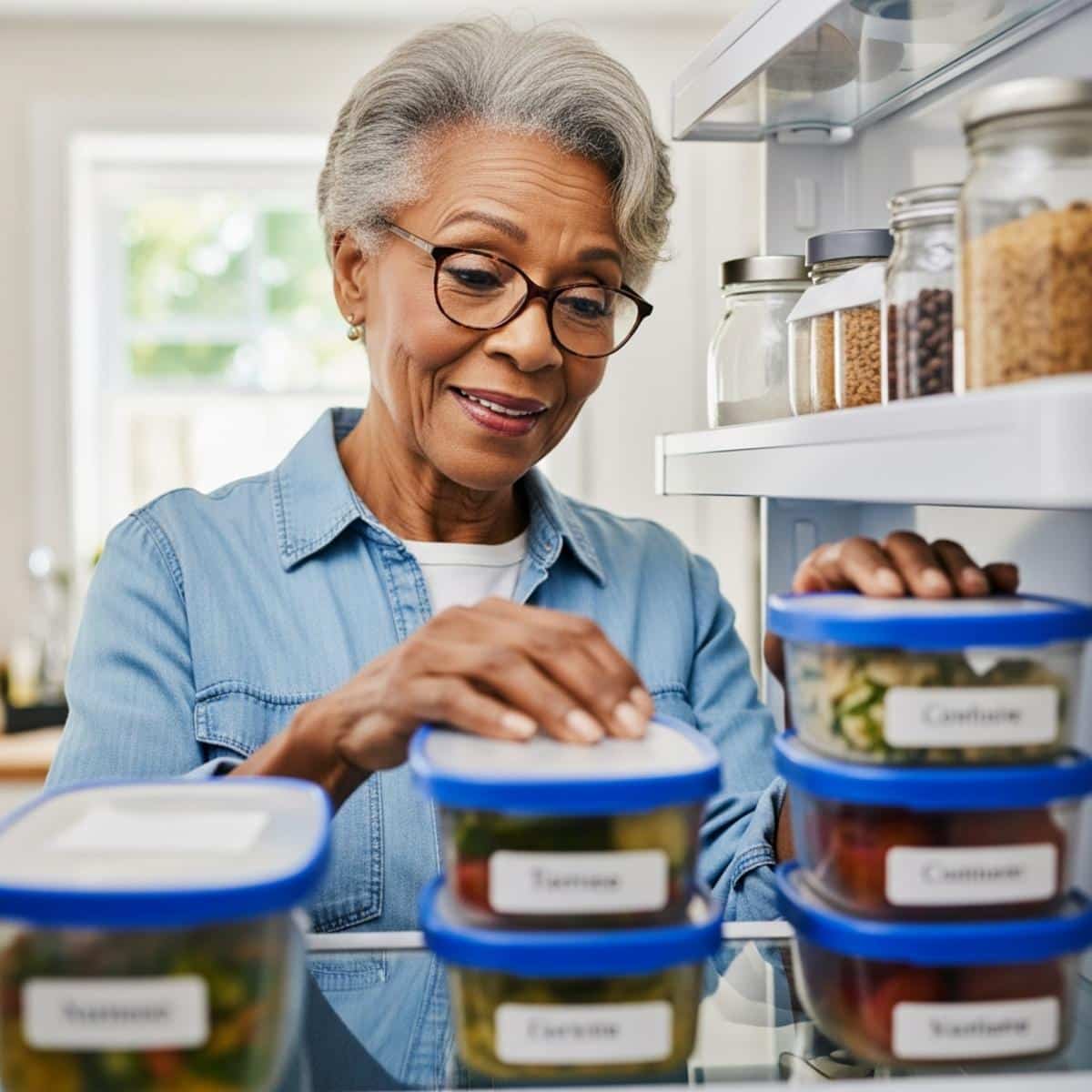
Portion-sized containers, freezer labels, and meal-tracking sheets help you maintain control over your meals and reduce waste. These simple tools keep you in charge of what you eat and when.


Ready to discover more strategies for maintaining dignity and independence while accepting help? Subscribe to our newsletter for practical guidance designed specifically for older adults and their families.
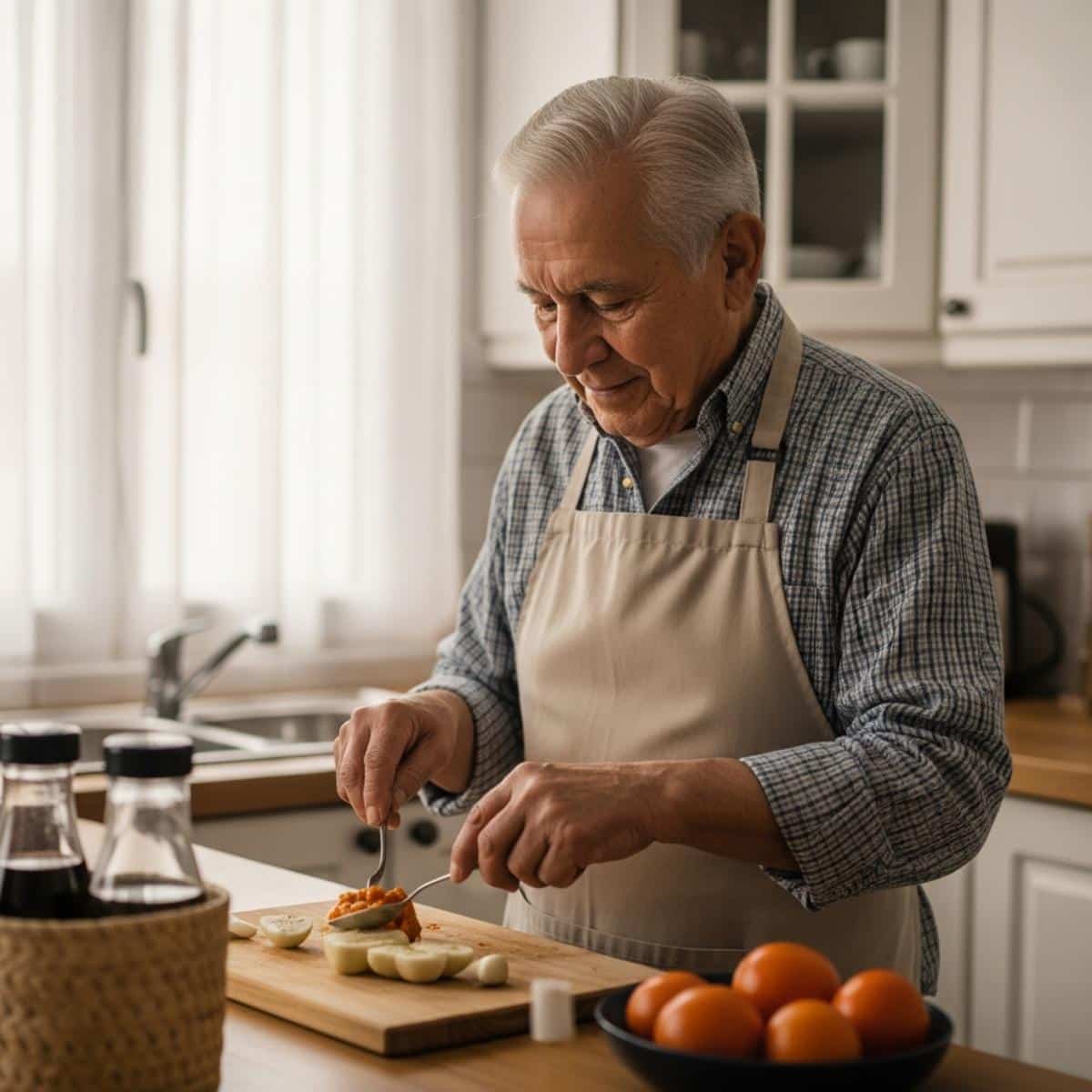
Timing and Sustainability: Beyond the Crisis Window
Strategic timing matters more than most people realize.
The typical meal train pattern: overwhelming help during the first week after illness or surgery, then radio silence once the crisis moment passes.
But here’s the reality: the first week is often already covered by family. And the real ongoing need shows up in weeks three through eight, when everyone assumes you’re “back to normal” but you’re not.
This is the forgotten phase—when initial crisis passes but genuine need continues.
Sustainable systems look different than crisis response:
Crisis response (first 1-2 weeks):
• Daily or every-other-day deliveries
• Simple, comforting foods that require minimal effort
• Family coordination with outside help filling gaps
• Intensive but short-term support
Sustained support (ongoing):
• Weekly or bi-weekly meal deliveries
• Rotating schedule that doesn’t burden any single person
• Mix of fresh meals and freezer-friendly options
• Built-in flexibility for good weeks and harder weeks
• Lighter-touch system that can continue indefinitely
Monthly meal swaps work beautifully for ongoing support. Four neighbors each cook one extra meal weekly, and everyone receives three different meals monthly. The cooking burden is minimal, but the support is consistent.
This sustainable approach honors the reality that many needs are ongoing, not temporary. Managing long-term caregiving and support requires systems that adjust to changing needs without burning out helpers.
A two-week intensive meal train that overwhelms your freezer and then stops serves no one well. A rotating monthly system that provides consistent, manageable support preserves both dignity and community connection.
Social Connection vs. Functional Delivery: The Company Option
The most valuable aspect of meal sharing might not be the food at all.
It’s the connection the meal facilitates.
Meal delivery becomes a natural check-in opportunity—a reason for brief contact that doesn’t feel like surveillance or intrusion.
But here’s what matters: you should control whether that connection happens.
The standing invitation approach works well: establish regular meal dates where the helper stays for coffee and conversation. This isn’t a favor—it’s genuine friendship with the meal as a welcome excuse.
The efficiency approach also has value: quick doorstep drop-offs that respect your privacy and energy levels while still providing the practical help.
Neither is better. What matters is matching the approach to your actual preferences, which might vary week to week.
Some weeks you want company. Some weeks you want to eat in your pajamas without making conversation. Both are legitimate needs.
Create a simple signaling system:
• “Company welcome” means you’d enjoy a brief visit
• “Quick drop-off please” means you need the meal but not the interaction
• “Flexible” means the helper can decide based on their schedule
This explicit communication prevents both unwanted intrusion and missed connection opportunities.
The meal becomes the excuse for the friendship, not the other way around. And sometimes that connection is what truly nourishes, even more than the food itself.
Combating loneliness and isolation often requires structured opportunities for connection that don’t feel forced or obligatory.
Shared calendars and meal-planning apps make contribution and coordination easier for everyone involved, keeping the focus on community rather than logistics.
The Dignified Meal Support Conversation Guide: Scripts for Organizing Help That Honors Everyone
Get word-for-word scripts that organize meal support while honoring dignity, choice, and contribution—so seniors feel valued instead of burden, and helpers know exactly what to say.

Making the Shift: From Charity to Community
Transforming your meal support system doesn’t require starting over completely.
It requires adjusting the framework to include contribution, choice, and connection alongside the practical help.
If you’re currently receiving one-way meal support:
Identify one way you can contribute based on your current capabilities. Perhaps you coordinate schedules, provide recipes, or host planning meetings. Make that contribution visible and valued.
Communicate your preferences clearly. This isn’t demanding—it’s providing information that makes the help more effective and dignified.
Indicate when you want company versus quick drop-offs. This honors both your social needs and your privacy needs.
If you’re organizing meal support for someone:
Invite their participation from the beginning. Ask what role they’d like to play in coordinating, planning, or contributing.
Gather detailed preferences before the first delivery. Treat them as the expert on their own needs.
Build in flexibility for good weeks and harder weeks. Sustainable systems adjust to changing circumstances.
Create opportunities for reciprocity, even if that reciprocity looks different than it did before.
If you’re part of a meal-sharing community:
Rotate both giving and receiving roles over time. Everyone has seasons of need and seasons of capacity.
Focus on building genuine relationships, not just executing food delivery. Building community connections strengthens everyone involved.
Recognize that contribution takes many forms—coordination, recipe-sharing, hosting, taste-testing, and emotional support all count.
The goal isn’t perfect equality in cooking output. The goal is genuine community where everyone both gives and receives in ways that match their current capabilities.
Moving Forward With Dignity
The difference between help that empowers and help that diminishes comes down to reciprocity, choice, and preserved dignity.
When meal support includes opportunities for contribution, respects preferences and control, and creates space for genuine connection, it becomes true community support rather than one-way charity.
You don’t have to choose between accepting help and maintaining dignity. The right system honors both.
Look at your current meal support arrangements—whether you’re giving or receiving. Identify one adjustment that would restore reciprocity and dignity.
Maybe it’s volunteering to coordinate schedules even though you can’t cook right now. Maybe it’s gathering detailed preferences before the next delivery. Maybe it’s shifting from crisis response to sustainable rotation.
Start with one change. Community is built through small, consistent adjustments that honor everyone’s humanity.
What’s one way you could contribute to a meal-sharing system in your community? Share your ideas in the comments—your creative solution might help someone else find their path to dignified participation.
![Older couple pottery wheel studio[1]](https://www.grayingwithgrace.com/wp-content/uploads/2026/02/older_couple_pottery_wheel_studio1-e1771334326831-450x300.jpg)
![Older couple sofa adult child support[1]](https://www.grayingwithgrace.com/wp-content/uploads/2026/02/older_couple_sofa_adult_child_support1-e1771334039968-450x300.jpg)
![Older woman side sleeping position peaceful[1]](https://www.grayingwithgrace.com/wp-content/uploads/2026/02/older_woman_side_sleeping_position_peaceful1-e1771333748525-450x300.jpg)
![Older woman evening reset coffee table[1]](https://www.grayingwithgrace.com/wp-content/uploads/2026/02/older_woman_evening_reset_coffee_table1-e1771333481812-450x300.jpg)
![Elderly woman high contrast controls microwave[1]](https://www.grayingwithgrace.com/wp-content/uploads/2025/12/elderly_woman_high_contrast_controls_microwave1-e1765217272116-450x300.jpg)
![Older black couple transcribing home office[1]](https://www.grayingwithgrace.com/wp-content/uploads/2025/11/older_black_couple_transcribing_home_office1-e1763400682707-450x300.jpg)
![Senior woman setting boundaries holiday table[1]](https://www.grayingwithgrace.com/wp-content/uploads/2025/11/senior_woman_setting_boundaries_holiday_table1-e1762888071788-450x300.jpg)
![Caregiver demo bedside fall mat[1]](https://www.grayingwithgrace.com/wp-content/uploads/2025/07/caregiver_demo_bedside_fall_mat1-e1752698516109-450x300.jpg)


