You buy a beautiful head of romaine lettuce on Monday. By Thursday, it’s a soggy, browning mess in the back of your fridge. Sound familiar?
Food waste is genuinely frustrating – and for older adults living on a fixed income or cooking for one or two people, it’s also a real budget drain. If produce keeps going bad before you get to it, you end up making more trips to the store or just buying less of the healthy stuff altogether.
As a Certified Senior Advisor (CSA) and Senior Home Safety Specialist (SHSS), I’m always on the lookout for simple, practical tools that make daily life easier and more affordable. I personally evaluated the VIKROM Fresh Produce Storage Bags to find out whether these foil-lined reusable bags actually deliver on their promise of keeping fruits and vegetables fresher, longer.
Here’s what I found.

Quick Takeaways
- Solves: Produce going limp, brown, or stale before you finish it
- Best for: Older adults who cook for one or two, or anyone tired of throwing away good food
- Worth it? Yes — the savings in wasted produce add up quickly
- Best feature for seniors: Simple zip closure, no complicated setup, fits neatly in the fridge
- Biggest limitation: The banana bag works differently than expected — sealing it can actually speed browning
How These Bags Could Help You
If you’re buying lettuce every week and throwing half of it away, that’s money going straight into the trash. The VIKROM Fresh Produce Storage Bags are designed to slow down that spoilage process so you actually get through your produce before it gives up on you.
Think about what it means to make fewer grocery runs. For older adults who don’t drive, or who find frequent shopping trips tiring, keeping produce fresh for several extra days is genuinely life-changing.
And bananas? They’re their own puzzle. Buy them green and you’re waiting days to eat them. Buy them ripe and they’re overripe by day two. These bags give you a little more control over that process — in either direction, depending on what you need.
Important Details You Should Know
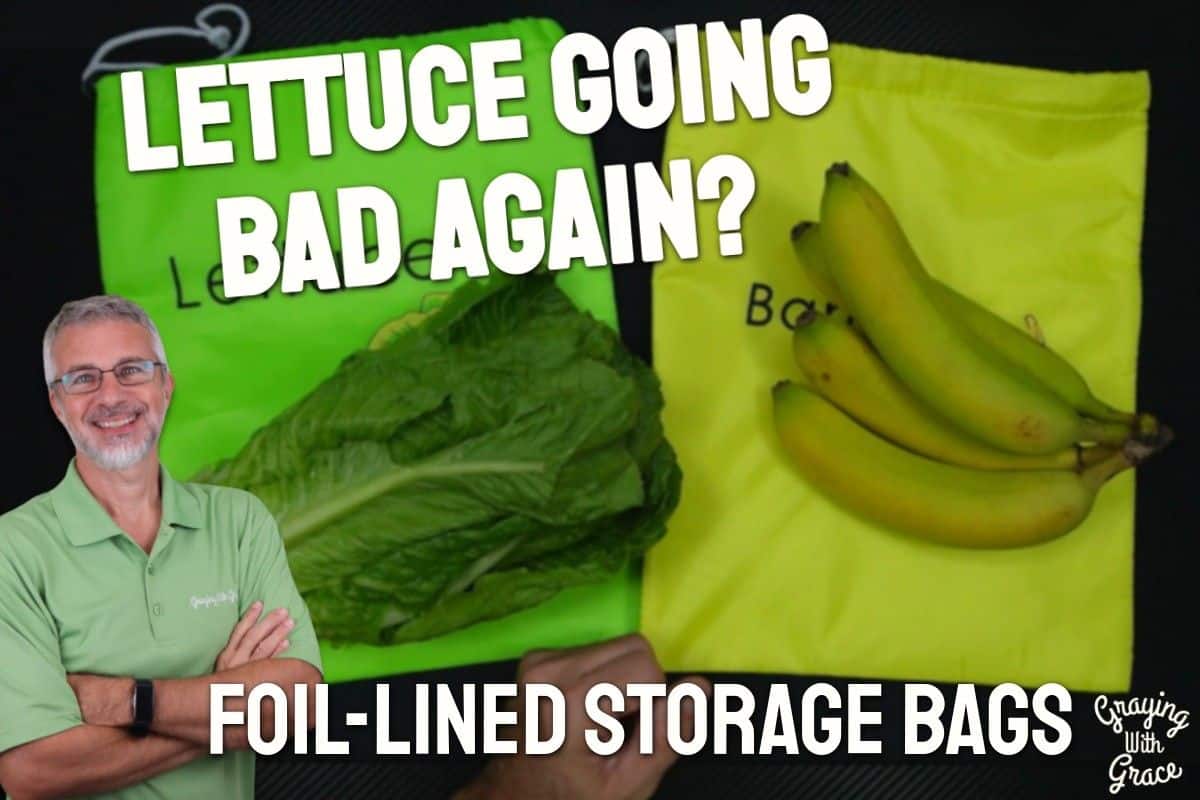
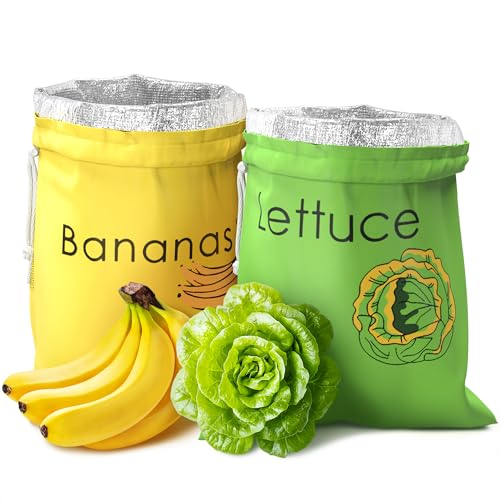
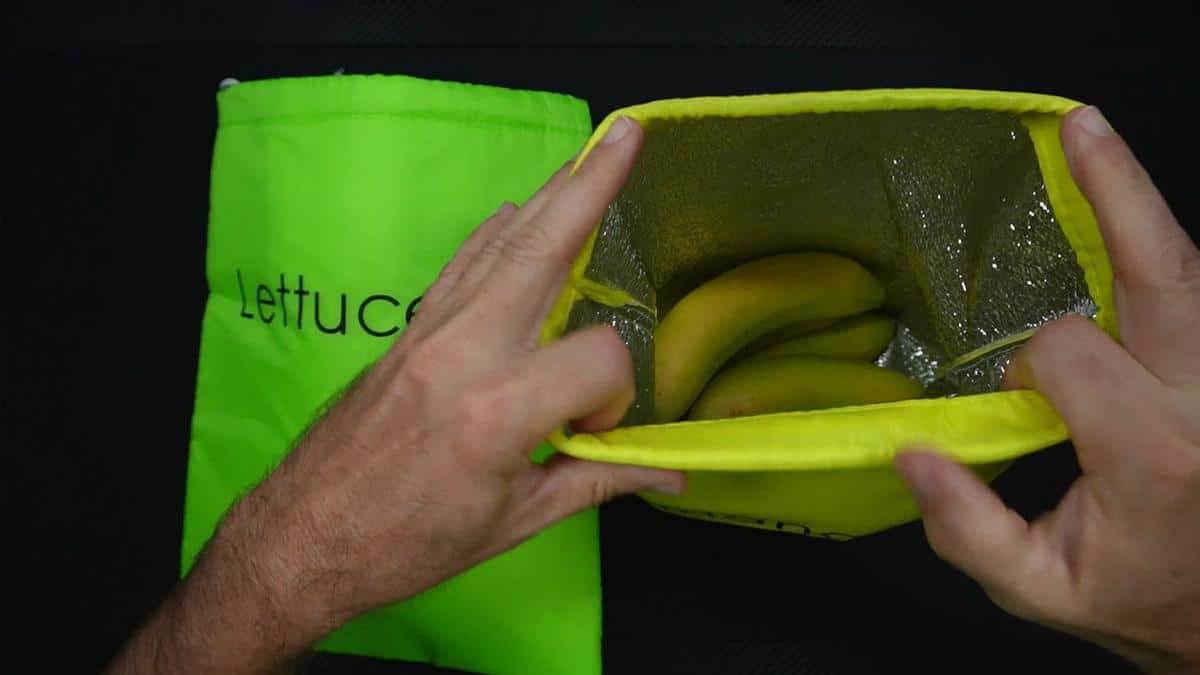
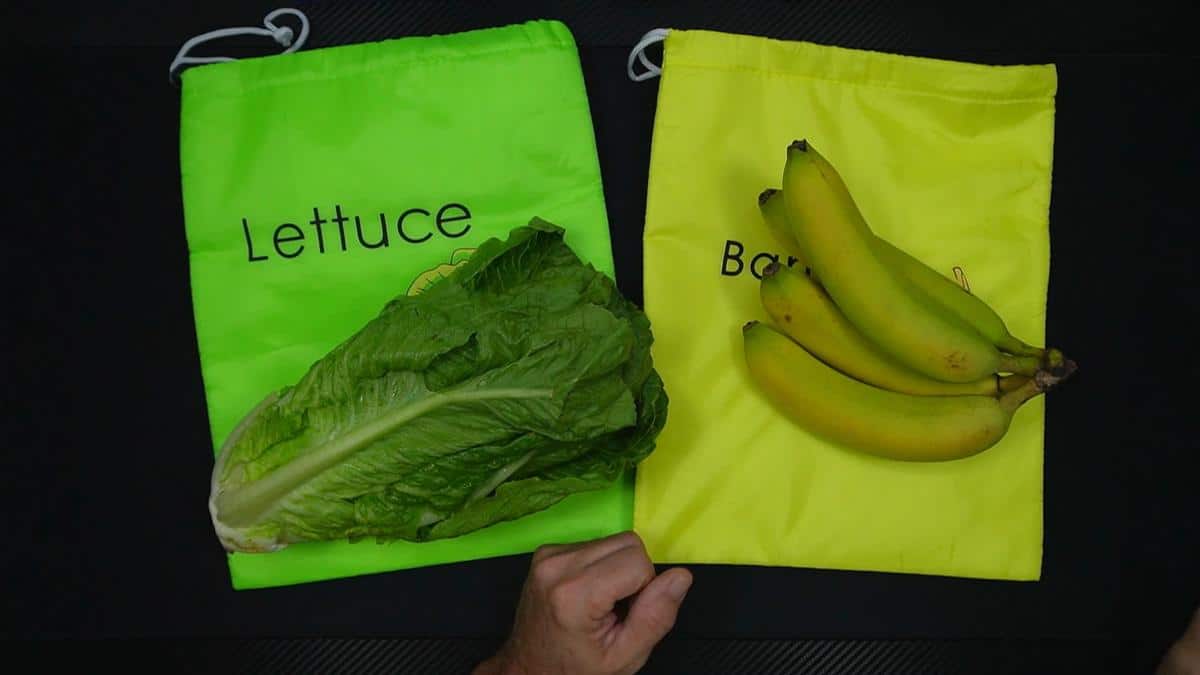
The package includes two bags — one yellow (for bananas) and one green (for lettuce). As I demonstrated in the video, these bags are generously sized. The green bag easily fit an entire full head of romaine lettuce, and the yellow bag held a bunch of four bananas with room to spare.
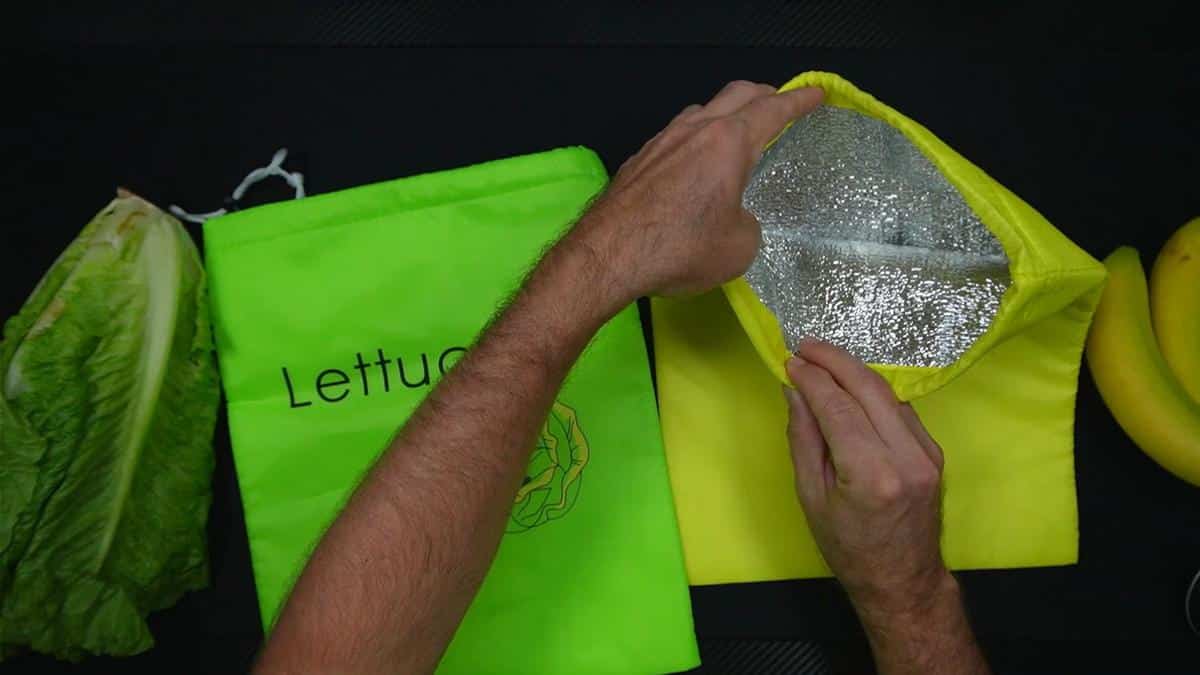
Each bag features a nylon exterior and a foil interior lining. That foil lining is doing the real work here — it limits light exposure and helps regulate the environment inside the bag, which slows the ripening process for most vegetables and leafy greens.
When I evaluated this product, I noticed the seams are well reinforced and the material has a satisfying weight to it. These don’t feel like cheap, flimsy bags that’ll tear after a few uses.
They lie flat or stand upright in your fridge, depending on what space you have available. Compact enough that you won’t be rearranging your entire refrigerator shelf to accommodate them.
Getting Started
The package is simple: two reusable bags, ready to use right out of the box. No assembly, no instructions to decode, no apps to download.
Just place your produce inside, seal the bag using the bead-lock closure, and put it in the fridge. That’s it.
For bananas, you have two options: seal the bag to trap the ethylene gas and speed up ripening, or leave the top open to vent the gas and slow things down. I’ll talk more about this in a moment — it’s an important nuance worth understanding before you start.
Ready to discover more innovative strategies for healthy, comfortable aging? Subscribe to our newsletter for expert-tested tips and product recommendations designed specifically for older adults.
Features That Matter to You
The foil lining is the standout feature here. In the video, you can see that it’s not just a fabric produce bag — the interior is specifically engineered to limit light and air exchange, which are two of the biggest culprits behind produce spoilage.
The zip-and-bead closure is easy to operate, even for hands that struggle with fine motor tasks. No fiddly zippers, no complicated clasps. Press it closed and you’re done.
The bags are refrigerator safe and designed to be washed and reused for months. For older adults watching their budget, that kind of durability translates directly to value.
The color coding is a thoughtful touch too — yellow for bananas, green for lettuce. No guessing which bag is which when you’re moving quickly in the kitchen.
Real Life Experience
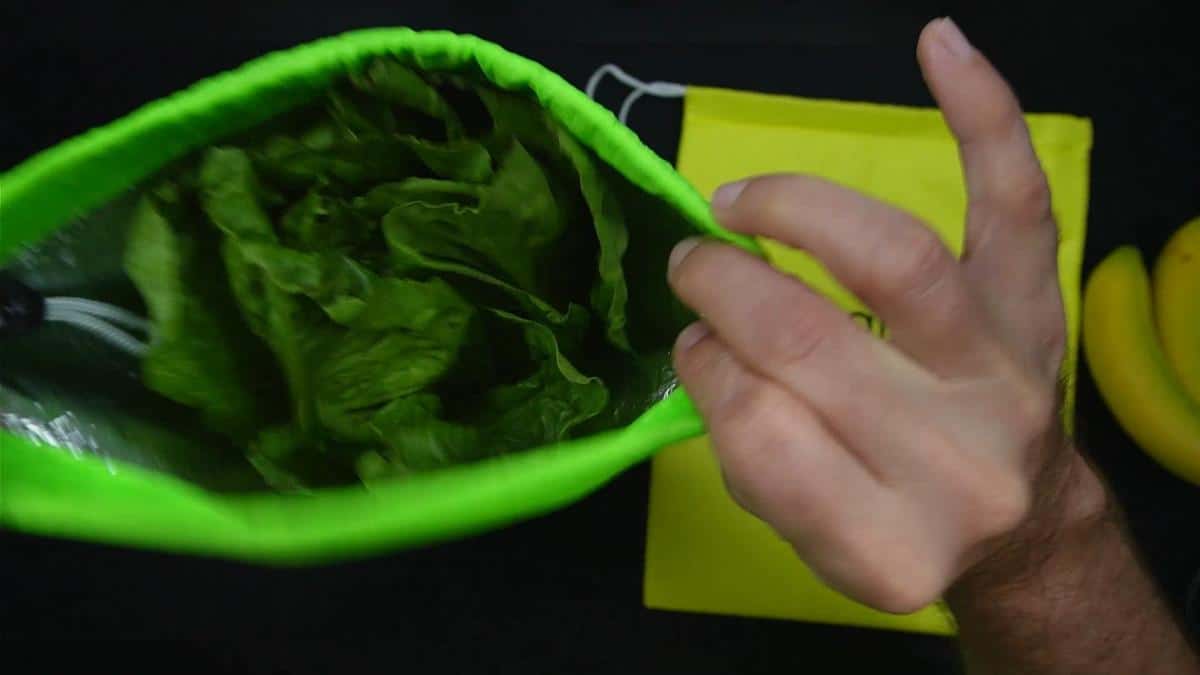
As I demonstrated in the video, loading up the lettuce bag is genuinely easy. A whole head of romaine slides right in, and the bag seals up cleanly around it. Into the fridge it goes — flat or upright, your call.
The material feels substantial in your hands. When I evaluated this product, I noticed the padded, foil-lined feel gives it a quality that you’d expect from something designed for repeated use. These aren’t the thin disposable bags you find in the produce aisle.
The bead-lock seal is satisfying to close. You’ll hear and feel it click into place, which gives you confidence that the bag is properly sealed.
Cleaning is straightforward — hand wash or wipe down the inside. The food-grade nylon holds up well to repeated washings, and the foil lining doesn’t degrade with normal use.
One honest note from my hands-on evaluation: the banana behavior is counterintuitive at first. As I explained in the video, bananas release ethylene gas as they ripen. If you seal them in the bag, that gas concentrates inside and actually speeds up browning. So if you want to slow down ripening on already-yellow bananas, leave the top open to vent. If you’ve got a bunch of rock-hard green ones you want to ripen faster, seal it up. Once you understand this, the bag becomes a genuinely useful tool for banana management — which, let’s be honest, is a real problem many of us deal with every week.
Will You Be Able to Use It?
These bags require very little physical effort to use. The opening is wide enough to slip in a full head of lettuce or a bunch of bananas without any awkward maneuvering.
The bead-lock closure needs a light press to seal, but it doesn’t require significant grip strength. Most older adults should be able to manage it independently.
If dexterity is a concern, a caregiver or family member can easily prep the bags once and load fresh produce into them — making this a great team approach for anyone who needs a little help in the kitchen.
Important Considerations
These bags are specifically designed for produce storage — they’re not meant to replace general food storage containers or be used for meats, liquids, or cooked foods.
If you tend to buy large quantities of produce at once, two bags may not feel like enough. You might want to purchase more than one package to cover a full week of shopping.
The banana bag tip is genuinely important: if you seal ripe bananas inside without understanding the ethylene gas effect, you may find them browning faster than expected. This isn’t a flaw in the product — it’s just how bananas work — but it’s worth knowing upfront so you’re not surprised.
For anyone with significant vision impairment, the color coding (yellow vs. green) may be less helpful, though the bags function identically and can be used interchangeably.
Always consult with your doctor or occupational therapist before making health-related product decisions, particularly if physical limitations affect how you manage daily kitchen tasks.
Help When You Need It
The VIKROM Fresh Produce Storage Bags are sold through Amazon, which provides its standard return and buyer protection policies.
If you have questions or issues, VIKROM’s seller support is accessible through the Amazon platform. The product listing includes contact options if something doesn’t meet your expectations.
Given the durable construction, the need for warranty support should be minimal with normal use.
Understanding the Cost
Reusable produce bags sit in an affordable category overall, and the VIKROM Fresh Produce Storage Bags are priced accessibly for what they offer. The real value calculation isn’t about what you pay for the bags — it’s about what you stop throwing away.
If you regularly toss out wilted lettuce or overripe bananas, the cost of these bags pays for itself in just a few saved grocery items. That’s a compelling return on a simple kitchen tool.
For older adults on a fixed income or anyone trying to stretch their grocery budget, that kind of value is real and practical — not theoretical.
Making It Work for You
Wash your produce before storing it, then make sure it’s reasonably dry before sealing it in the bag. Excess moisture can work against you, even with a well-designed storage bag.
Use the banana bag intentionally. If your bananas are already yellow and you want them to last, leave the top open to vent. If they’re green and you’re impatient, seal it up and let the ethylene do its thing.
Store the bags upright if your fridge shelves have the height for it — it makes it easier to see what’s inside at a glance. If space is tight, they lie perfectly flat without taking up much room.
Consider keeping a second set on hand so you always have a clean bag ready while the other is being washed and dried.
Our Recommendation
If produce going bad before you get to it is a regular frustration in your household, the VIKROM Fresh Produce Storage Bags are a practical, low-effort solution worth having in your kitchen.
They work best for older adults who buy leafy greens and bananas regularly and want to reduce waste without overhauling their kitchen routine. Simple to use, durable, and genuinely effective for their intended purpose.
If you’re looking for a complete produce storage system covering a wide variety of vegetables and fruits across many bags, you may want to supplement this two-bag set with additional options. But as a starting point — especially for the two most commonly wasted items in many refrigerators — this is a smart, affordable choice.
Where to Get It
You can find the VIKROM Fresh Produce Storage Bags on Amazon — check the link for current pricing and availability. I’ve included my affiliate link below at no extra cost to you, and it helps support the work we do here at Graying With Grace.
Conclusion
Wasting food is frustrating. Wasting money is worse. The VIKROM Fresh Produce Storage Bags tackle both problems with a simple, well-made tool that actually works — as long as you understand the banana nuance going in.
Give them a try. Your lettuce — and your grocery budget — will thank you.
What produce goes bad on you most often? Drop it in the comments below — I’d love to hear what kitchen challenges you’re dealing with, and maybe I can help find a solution.