
You’re sitting in the parking lot of a memory care facility. Your kids are in the back seat. And you’re wondering if walking them through that door is the right call.
You want them to know their grandmother. You want her to feel loved and visited. But you don’t know what to say before you go in, what to do if things fall apart, or how to handle the drive home.
That moment — wanting connection but fearing harm — is one of the most common and least-talked-about challenges in dementia caregiving. I’ve witnessed it with dozens of families over more than two decades working with older adults and their loved ones.
Sometimes the fear comes from a family member who won’t accept the diagnosis at all, and this piece on dementia denial and how caregivers meet it with compassion can help you start that conversation.
Here’s what I know: meaningful visits are possible. Not despite the difficulty, but through it. What makes the difference is preparation, the right activities, and a willingness to let go of what visits used to look like. This article walks you through exactly how.
Grandkids and Grandparents with Dementia: Visit Activity Guide
Download our free guide to essential communication strategies that help you express your needs clearly, listen more deeply, and strengthen your relationships—no complicated psychology or awkward scripts required.
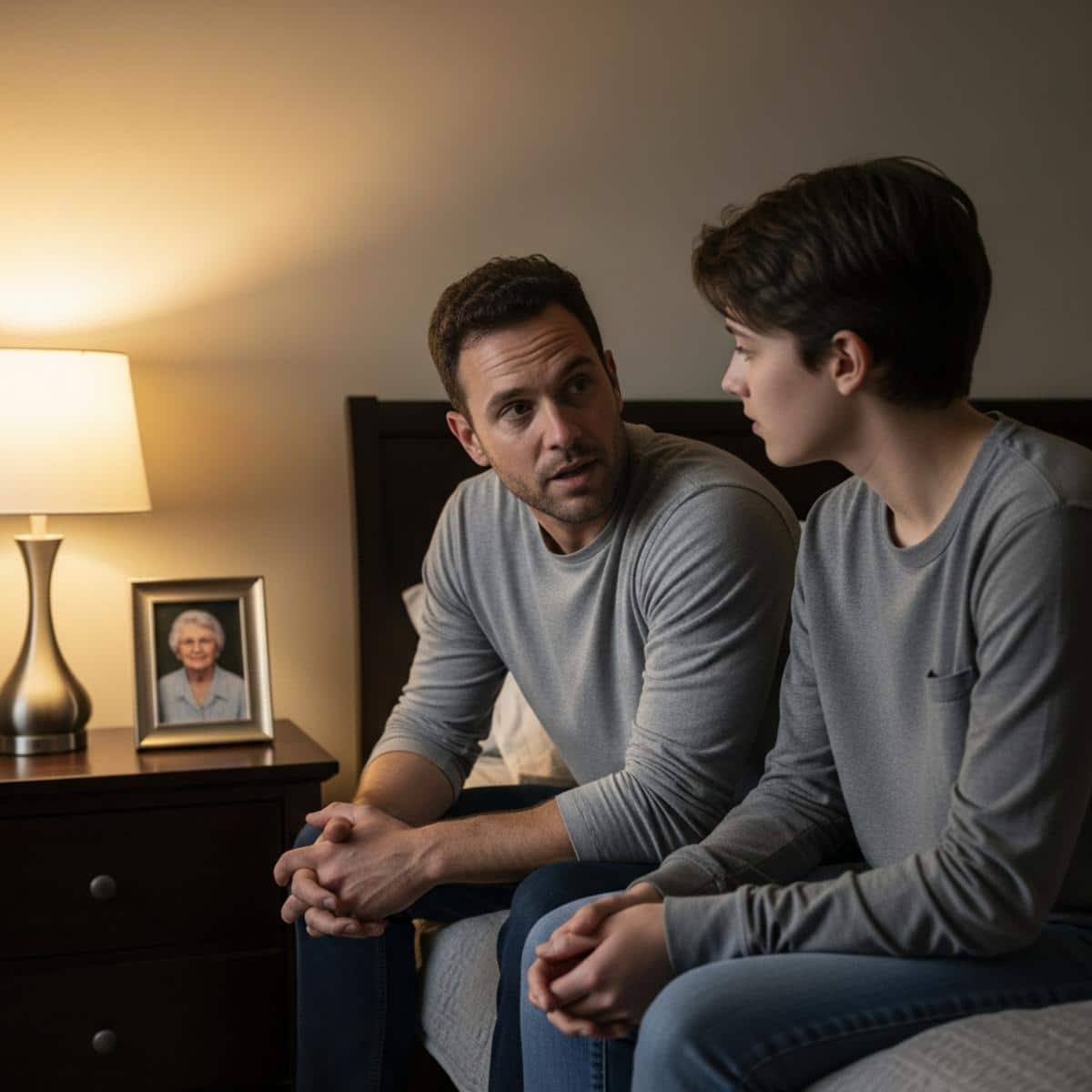
Prepare Children Before the Visit — Not in the Parking Lot
Children handle hard things far better when they know what to expect. A child who is surprised by a grandparent’s confusion is much more likely to freeze, cry, or say something that inadvertently causes distress — for everyone in the room.
Have this conversation at home, the night before. Not in the car five minutes away.
Ages 4–7 — Keep it simple and concrete:
“Grandma’s brain is sick in a way that makes her forget some things, like your name. That doesn’t mean she doesn’t love you. It just means her brain gets confused sometimes.”
Ages 8–12 — Add a little more detail:
Explain dementia as a brain illness, not a choice. Let them know Grandma may ask the same question more than once, may not recognize them right away, or may seem like a different version of herself. Normalize it. “Every visit might feel a little different — and that’s okay.”
Teenagers — Have the honest conversation:
Talk about the progressive nature of dementia. Acknowledge the grief of watching someone change. Help them understand that they still have a meaningful role to play, even when visits feel hard.
Almost every child worries about the same thing before these visits: Will she know who I am? Address that question directly, before they have to ask it in the moment.
Preparation is an act of love for everyone — it protects the child and protects the grandparent from a startled or confused reaction that neither of them wanted.
Understanding how isolation affects older adults is another reason these visits matter more than families often realize — even when the grandparent can’t always show it.
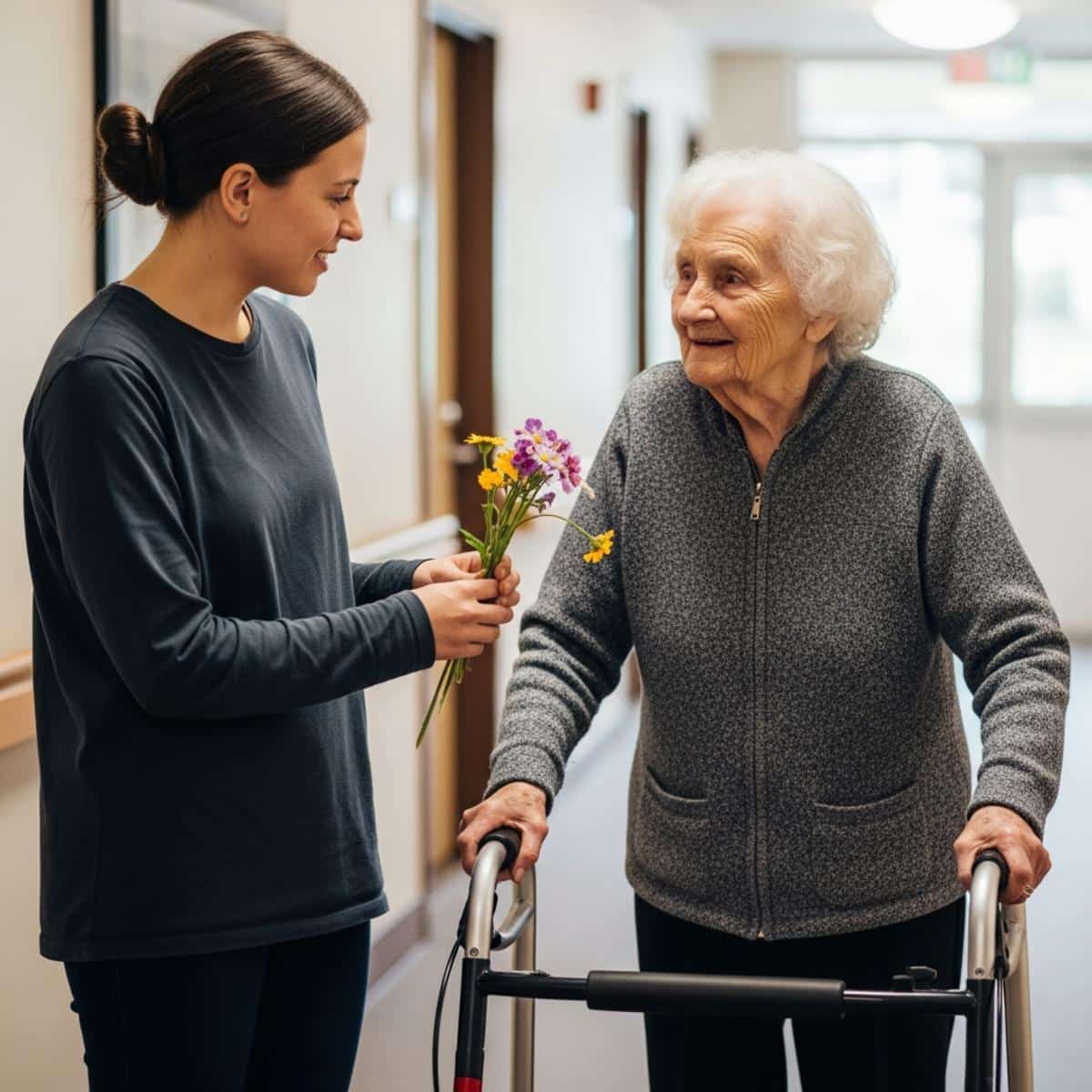
Teach Children to Follow Grandma’s Lead — Not Correct Her
One of the most powerful gifts a child can give a grandparent with dementia is the willingness to enter her world rather than argue with it.
What does “entering her world” mean in plain terms? If Grandma thinks it’s 1975, you don’t correct her. You ask what 1975 was like.
Correcting someone with dementia doesn’t help them remember — it just causes distress. And when a grandparent becomes upset, children often feel responsible. That’s a burden they shouldn’t carry.
Give children these simple scripts before the visit:
- If Grandma asks the same question again: “Just answer it like it’s the first time. She’s not being silly — her brain just resets.”
- If Grandma doesn’t recognize them: “It’s okay to just say ‘Hi, I’m here to visit you today.’ You don’t have to remind her who you are.”
For older children and teenagers, frame this principle as an act of respect and emotional intelligence — not dishonesty. They’re choosing kindness over being right.
Role-play one or two of these scenarios at home before the visit. Children who have practiced feel practiced — not caught off guard.
This principle doesn’t just help during dementia visits. It builds empathy and emotional flexibility that serves children throughout life. Reminiscence-based connection strategies reinforce exactly this kind of meeting-someone-where-they-are approach.
Choose Activities That Work — and Skip the Ones That Don’t
The right activity can create a genuine moment of connection. The wrong one creates frustration for everyone. Knowing the difference changes everything.
Dementia-friendly activities share a few key traits: they engage the senses, they’re familiar, they carry low cognitive demand, and there’s no right or wrong outcome.
Activities that reliably create connection:
- Music. Era-specific music is one of the most powerful tools available to families. A grandparent who can’t remember a grandchild’s name may still light up singing a song from her youth. Children can curate a simple playlist, press play, and watch something remarkable happen. The science behind why music reaches the dementia brain is worth reading before your next visit.
- Sensory activities children can lead. Bringing flowers from the garden, applying hand lotion gently, showing a small pet or a favorite stuffed animal — these create physical warmth without requiring conversation.
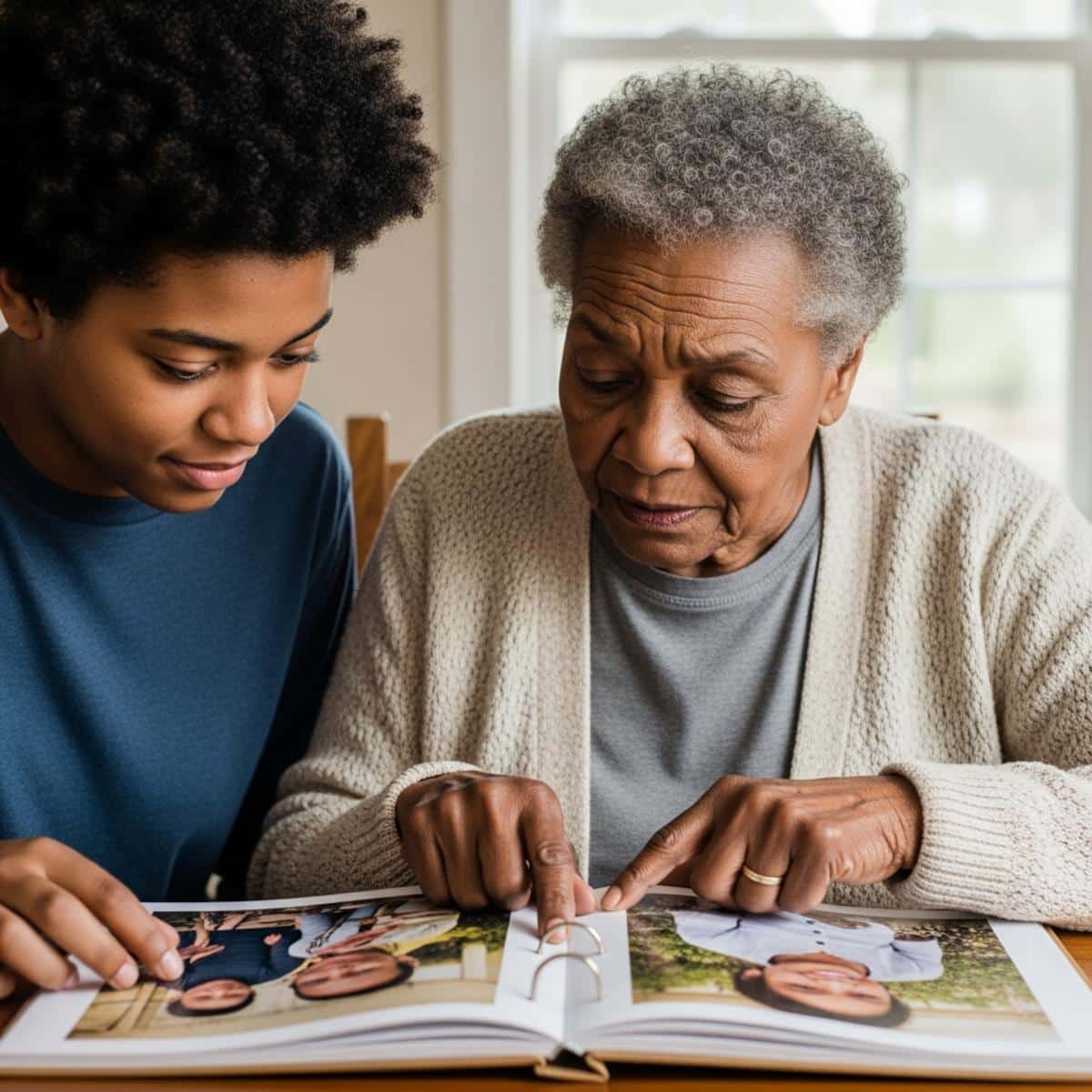
- A simple photo book. Large images, few words, familiar faces. Children can help create one ahead of time, and then sit with Grandma and look through it together. It gives everyone something to talk about without pressure.
- Drawing or coloring together. No skill required, no wrong answers. The shared activity creates presence all on its own.


Activities to avoid:
Complex board games, trivia, anything with rules that require working memory, or activities that depend on the grandparent recalling recent events.
Let the child choose one activity to “be in charge of” before the visit. Giving them a role reduces anxiety and turns them from passive observer to active participant.
The goal isn’t a perfect visit. It’s one genuine moment of connection. The right activity makes that moment far more likely. If the visit you are planning is for a holiday, you may also want to read about Mother’s Day when you feel you’ve already lost her.




Want more compassionate, practical guidance for dementia caregiving and family connection? Subscribe to the Graying With Grace newsletter for expert-tested strategies delivered directly to your inbox.
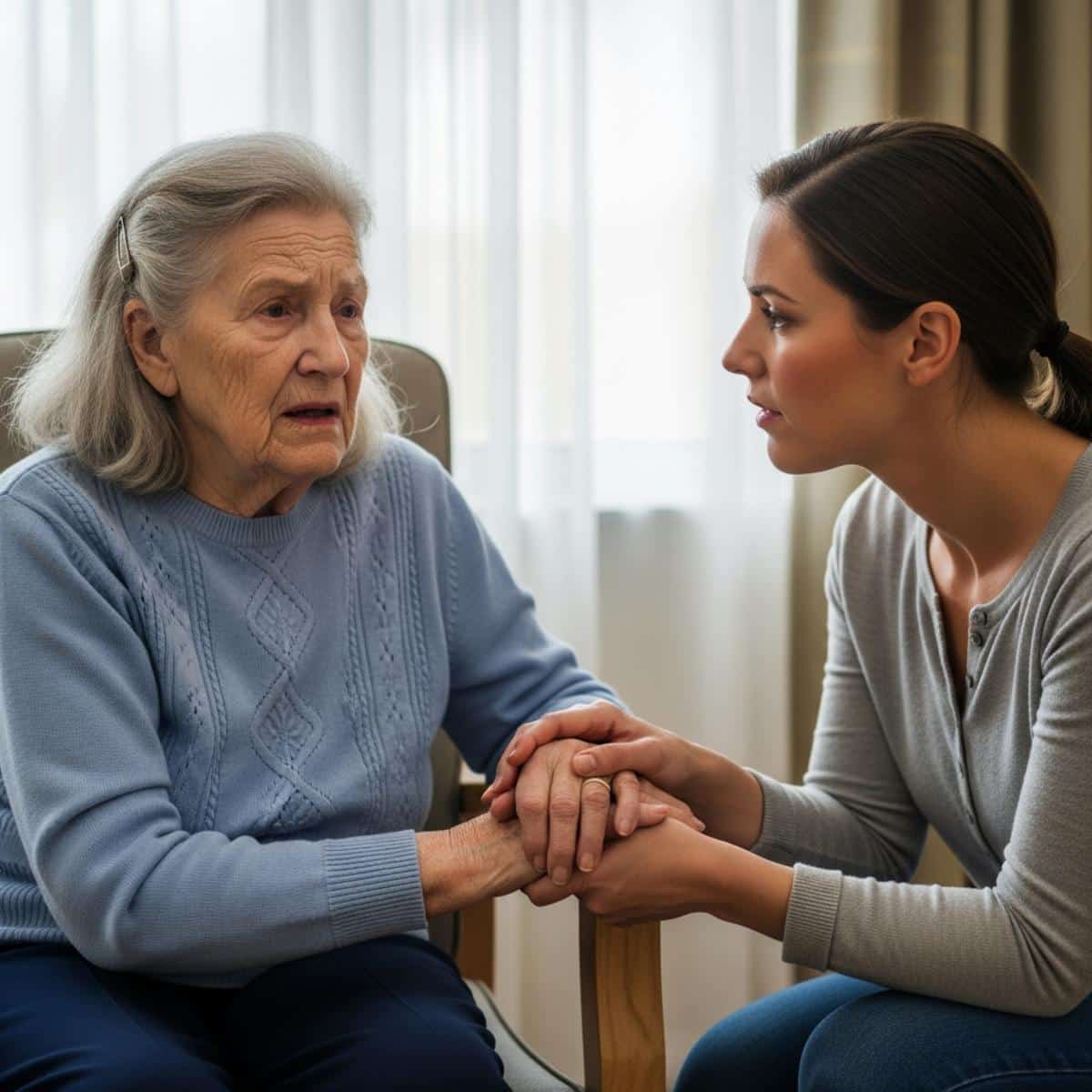
How to Handle the Hard Moments When They Happen
Difficult moments during dementia visits are normal — not signs of failure. What matters most is how you respond in real time, because children take their cues directly from you.
Here are the three most common hard moments and how to navigate each one:
Grandma doesn’t recognize your child:
Stay calm. Gently redirect — “She’s having a harder day today. She still loves having visitors.” Move into an activity immediately to shift the energy in the room.
Grandma becomes agitated or upset:
Keep your voice low and steady. Redirect with a familiar song or a sensory item. If needed, step out briefly and let a staff member help de-escalate. There is no shame in that.
Grandma says something that upsets your child — confusion about who they are, mentioning someone who has passed, an unexpected emotional outburst:
A quiet, calm response from you goes a long way: “Grandma’s brain gets confused sometimes. That’s the illness, not her heart.”
A calm, steady parent communicates that what just happened is hard but manageable. Children learn from watching you hold steady.
One practical tip for older children: agree on a simple, quiet signal before you go in that means “let’s start wrapping up.” Exits that feel planned are far less distressing than exits that feel like escapes.
It’s okay to end a visit early if it’s not going well. Leaving gracefully is not failure — it’s good judgment.
How families navigate the emotional complexity of memory care transitions offers useful context for understanding what your loved one may be experiencing during these visits.

After the Visit: The Conversation That Makes It All Matter
What you say on the drive home matters as much as anything that happened inside. The debrief conversation shapes how children carry this experience — and whether they want to come back.
Start with open questions. Don’t rush to interpret or fix. “What did you notice today? How are you feeling about what you saw?”
Then validate without catastrophizing:
- “Yes, it was hard when she didn’t remember your name. That’s one of the saddest parts of this illness. And you handled it really well.”
- “That’s the dementia. It’s not who Grandma really is.”
Children may be experiencing a kind of grief they don’t have language for yet. They are losing the version of their grandmother they knew, even while she’s still alive. Naming this gently gives them permission to grieve and stay connected at the same time.
“It’s okay to miss the grandma you used to know, even when you’re still visiting her.”
For teenagers especially, acknowledge that what they’re doing takes real emotional courage. Showing up for someone who is suffering — and doing it with kindness — is one of the most meaningful things a person can do.
Normalize that visits will vary. Some will feel connecting. Some will feel harder. Both count. Building consistent, quality connection with aging parents applies directly to grandchildren’s visits as well — the same principles of presence over performance hold true.
Make the debrief a gentle ritual, not an interrogation. Even five minutes of honest, warm conversation after each visit builds emotional resilience over time.
Grandkids and Grandparents with Dementia: Visit Activity Guide
Download our free guide to essential communication strategies that help you express your needs clearly, listen more deeply, and strengthen your relationships—no complicated psychology or awkward scripts required.
Meaningful Visits Are Possible — and Worth Doing
Bringing children into a grandparent’s dementia journey, done thoughtfully, is a gift in both directions.
Grandchildren gain something rare: real empathy, emotional flexibility, and a genuine relationship with someone they love — one that doesn’t disappear just because it changes shape. And grandparents receive the one thing dementia cannot take: the warmth of being genuinely visited, genuinely loved.
You don’t need the perfect visit. You just need one real moment.
Start with one strategy from this article on your next visit — the preparation conversation the night before, one activity your child is in charge of, or five minutes of honest debriefing on the drive home. Then notice what changes.
If your family has found something that works during these visits, share it in the comments. This community learns best from each other’s real experience — and your insight might be exactly what another parent needs to hear today.
Understanding how social connection functions as medicine for older adults is a powerful reminder of why showing up — even imperfectly — matters more than most families realize.