You’re sitting in a hospital discharge meeting. The social worker says your mother needs “a higher level of care.” Everyone nods. You nod too.
But inside, you have no idea what that actually means—or whether memory care and a nursing home are even different things.
If that’s where you are right now, I want you to know something: this confusion is not your fault.
The healthcare system uses these terms loosely, caregiving guides skip past the definitions, and most families only learn the difference when a crisis forces the question. You deserve to understand this before the next meeting—and that’s exactly what I’m going to give you.
What Memory Care and Nursing Homes Actually Are (And Why People Confuse Them)

These two settings serve different populations with fundamentally different needs. Using them interchangeably is one of the most common—and costly—mistakes families make.
What a Nursing Home Actually Is
A nursing home—also called a skilled nursing facility (SNF)—provides 24-hour medical care and supervision for people with complex physical health needs.
This includes post-surgical recovery, wound care, IV medications, physical therapy, and management of serious chronic conditions. Residents may or may not have dementia.
The primary driver for skilled nursing placement is medical complexity, not cognitive decline.
What Memory Care Actually Is
Memory care is a specialized residential care setting designed specifically for people living with Alzheimer’s disease or other forms of dementia.
It may be a standalone facility or a secured wing inside a larger senior living community. What makes it distinct:
- Secured environments that prevent unsafe wandering
- Staff trained exclusively in dementia care and behavioral management
- Lower staff-to-resident ratios than standard assisted living
- Programming specifically designed for cognitive engagement and routine-based comfort
- Environments designed to reduce confusion and agitation
Why Families Confuse Them
Both settings involve residential care. Both can be called “facilities.” Both are expensive. And neither is explained proactively by most medical teams until discharge planning is already underway.
The distinction isn’t advanced knowledge—it’s foundational. If no one has explained it clearly until now, that’s a gap in the system, not a gap in your preparation.
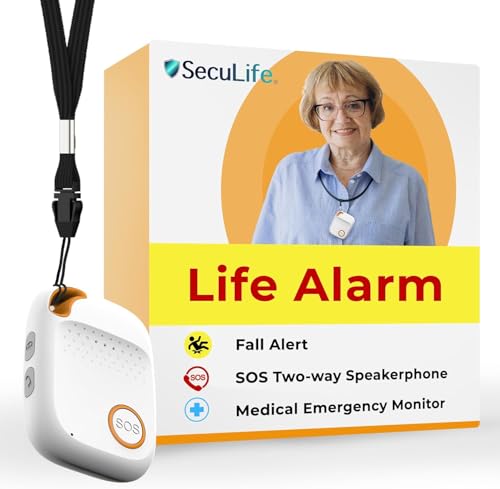
For families managing a loved one with dementia who is still at home, tools like GPS tracking devices and door alert systems are often used as bridge safety measures during the assessment and transition period—especially when wandering has become a concern.




The 5 Signs Your Loved One May Need Memory Care Specifically

Standard assisted living and even skilled nursing facilities are not always equipped to meet the needs of someone with progressing dementia. Recognizing these signs early gives your family options—rather than waiting until a safety crisis makes the decision for you.
1. Wandering or Attempting to Leave
When a loved one consistently tries to exit the home or a standard care setting without supervision, that environment is no longer safe for them.
Memory care facilities are specifically designed—architecturally and operationally—to prevent this. General care settings are not.
For families still navigating this at home, understanding what happens to a senior’s brain and body in an unsafe environment can clarify why the physical environment matters so much.
2. Sundowning and Escalating Agitation
Severe confusion, distress, or behavioral changes in the late afternoon or evening—known as sundowning—require staff trained to respond with dementia-specific techniques.
General care staff are typically not trained to manage this safely or effectively.
3. Inability to Follow Verbal Redirects
When familiar caregiving approaches stop working and your loved one no longer responds to normal communication, the level of care needed has shifted.
This is a clinical signal, not a personal failure of caregiving.
4. Significant Functional Decline Tied to Cognition
Forgetting how to eat, dress, or use the bathroom—not because of physical impairment, but because of cognitive loss—is a specific indicator that dementia-specialized care is needed.
This is different from needing help with tasks due to physical limitations, which standard assisted living can often address.
5. Safety Incidents Increasing in Frequency
Falls tied to confusion, leaving the stove on repeatedly, responding to strangers at the door, or wandering outside—when these happen more than once a week despite current supports, the current setting is no longer adequate.
The family that recognizes these signs before an emergency occurs has more time, more options, and more control over the outcome than the family who waits for a 911 call to prompt the conversation. These signs are not indicators of caregiving failure—they are signals that the level of need has changed. Recognizing them is an act of advocacy.
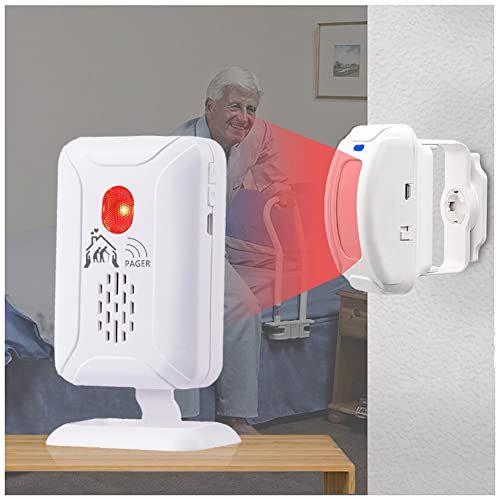
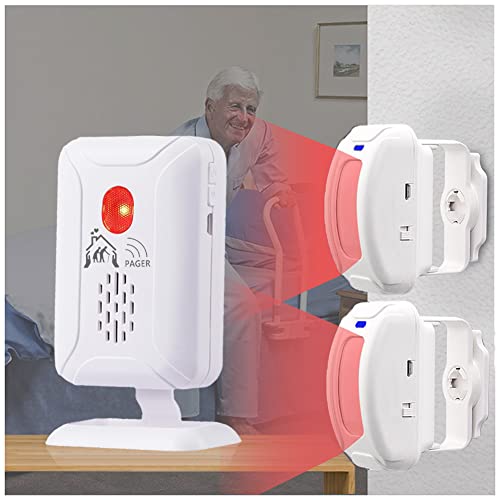
Door alert systems and wandering prevention wearables are commonly used by families during this transitional period as a safety bridge while evaluating care options.



What Memory Care Costs vs. a Nursing Home—And What Insurance Covers

Cost is one of the biggest sources of confusion and avoidance in this conversation. Here’s what you need to know before you walk into a facility tour.
General Cost Ranges
- Memory care: Typically $4,500–$7,500 per month, depending on region and level of care
- Skilled nursing facility (semi-private room): Typically $7,000–$10,000 per month
Memory care can sometimes cost less than a nursing home despite its specialized nature, because it does not require the same level of on-site medical infrastructure.
What Medicare Covers (And What It Does Not)
Medicare does not cover long-term custodial care in either setting. This surprises most families.
Medicare may cover a short-term stay in a skilled nursing facility following a qualifying hospital stay—but only for rehabilitation, and only for a limited period. It does not fund ongoing residential memory care.
What Medicaid Covers
Medicaid may cover long-term care in a skilled nursing facility for those who qualify financially. Coverage for memory care varies significantly by state.
Contact your state’s Area Agency on Aging for free guidance on Medicaid eligibility and local resources before making any financial decisions.
Other Funding Sources to Know
- Long-term care insurance (if purchased before cognitive decline began)
- Veterans’ benefits (Aid and Attendance benefit for eligible veterans and spouses)
- Private pay with spend-down planning
Always ask about “levels of care” fees that are added on top of base monthly rates as a loved one’s needs progress. These can significantly affect the actual cost over time.







Navigating care decisions for a loved one is one of the hardest things a family can do. Each week, I share trusted, experience-based guidance to help you move forward with clarity and confidence. Subscribe to the Graying With Grace newsletter and get practical senior care insights delivered directly to your inbox.
For families managing the emotional weight of these decisions alongside the logistics, understanding how family connection supports senior health can serve as an important reminder that your presence matters even as care needs evolve.
Questions to Ask During a Facility Tour That Staff Rarely Volunteer

A facility tour is a sales experience. Most families leave having asked about room size and meal options. The families who make better decisions ask different questions entirely.
The Questions That Reveal What You Actually Need to Know
“What is your staff-to-resident ratio specifically for memory care residents—and does that change on nights and weekends?”
Daytime ratios may look good on paper. Evening and weekend staffing often tells a different story.“How is your staff trained in dementia care, and how often is that training updated?”
Look for specific certifications and ongoing education requirements—not just a general “we train our staff” response.“What is your protocol when a resident becomes agitated, tries to leave, or has a behavioral episode?”
A confident, specific answer here is a green flag. Vague reassurances are not.“How do you communicate with family members when there is a change in condition—and how quickly?”
You want a clear, committed process—not “we’ll call you if something serious happens.”“What happens if my loved one’s needs progress beyond what you can provide here?”
Every facility has limits. Understanding them upfront prevents a forced, rushed transition later.
What to Observe Beyond the Answers
- Do staff engage warmly and by name with residents they pass?
- Are residents dressed, groomed, and out of their rooms during daytime hours?
- Is the environment calm, or is there visible understaffing and chaos?
You are not being difficult by asking hard questions. You are doing exactly what a good advocate does—and the right facility will welcome your thoroughness.
For families thinking about how to stay connected with a loved one after placement, tools like Memoryboard—a simplified digital display that lets families send photos, reminders, and messages without requiring the resident to navigate a smartphone—can meaningfully support ongoing connection from a distance.
It’s also worth reviewing what senior care centers actually do and the questions that reveal if one is worth it before your first tour, so you walk in informed rather than reactive.
Is It Time? A Decision-Making Framework

“Is it time?” is the question every family wrestles with—and delays answering, often longer than is safe. This checklist won’t make the decision for you, but it will help you see it more clearly.
The “Is It Time?” Checklist
Answer each question honestly. Bring this to your next conversation with a physician, social worker, or co-caregiver.
- ☐ Are safety incidents happening more than once a week despite current care?
- ☐ Is the primary caregiver’s physical or emotional health being significantly compromised?
- ☐ Has a physician, social worker, or dementia specialist recommended a higher level of care?
- ☐ Is the current setting unable to safely prevent wandering or manage behavioral symptoms?
- ☐ Is the person with dementia showing signs of fear, persistent confusion, or distress in their current environment?
- ☐ Has care coordination become a near-full-time responsibility for a family member who has other obligations?
If you answered yes to three or more of these, the conversation about memory care is not premature—it’s overdue.
The Reframe That Matters Most
Choosing memory care is not giving up. It is recognizing that specialized, consistent, dementia-focused care provided by trained professionals in a secured environment may offer your loved one more dignity, safety, and quality of life than any other available option.
Caregivers often struggle with isolation and burnout during this period. Understanding the signs of caregiver burnout and how to find emergency support can protect your own wellbeing while you navigate this decision.
For families monitoring a loved one who still drives or moves independently during this evaluation period, GPS tracking tools for aging parents offer a practical layer of safety oversight without requiring constant physical supervision.
Moving Forward With Clarity
The confusion between memory care and nursing homes is not a personal failure—it’s a systemic one. Most families encounter this terminology for the first time in a discharge meeting or a crisis, with no preparation and no roadmap.
You now have the definitions, the warning signs, the financial reality, the questions that matter, and a framework for making the call. That’s a meaningful advantage—and it belongs to anyone who needs it.
If this article helped you understand something you’ve been trying to sort out, share it with a sibling, co-caregiver, or friend who is navigating the same moment. And if you have a question that wasn’t answered here, leave it in the comments—because if you’re wondering it, someone else is too.
Clarity is one of the most powerful tools you have right now. Use it.