![Keep older woman hands wrapped around coffee mug armchair[1]](https://www.grayingwithgrace.com/wp-content/uploads/2026/05/KEEP-older_woman_hands_wrapped_around_coffee_mug_armchair1-e1779362196840.jpg)
You settle into your favorite chair, hands wrapped around your morning mug, and for a moment everything feels right.
Then you remember the last time someone — a doctor, an article, maybe a well-meaning adult child — suggested you probably should “cut back.”
Here’s what I want you to know before we go any further: this article is not going to take your coffee away.
I’m going to give you the honest, research-informed picture so you can enjoy your morning ritual with confidence — and share one surprisingly easy swap that genuinely helps some people feel better without giving up anything that matters.

What Research Actually Says About Coffee and Your Brain After 65
For years, the message around coffee and aging has leaned cautious. But the actual research tells a more encouraging story.
Researchers have found associations between regular, moderate coffee consumption and reduced risk of cognitive decline in older adults. That’s not a small finding — it’s consistent across multiple large studies.
Part of the reason may surprise you: it’s not just the caffeine. Coffee is one of the richest dietary sources of antioxidants in the average adult’s diet, and those antioxidants appear to play a meaningful role in protecting brain cells over time.
What “Moderate” Actually Looks Like
In most of the research context, moderate consumption falls around 2–3 cups per day. That’s well within what most coffee drinkers already enjoy.
This isn’t a guarantee or a prescription — researchers are clear that these are associations, not proven cause-and-effect. But it’s genuinely encouraging information for anyone who has quietly worried that their two-cup morning habit was working against their memory.
If anything, the research on brain health and daily habits suggests that the rituals and routines you protect — including morning coffee — may matter more than most people realize.
Your morning ritual may be doing more good than you’ve been led to believe.

The Myths Worth Setting Straight
Two warnings come up almost every time coffee and older adults are mentioned together. Both are worth examining — because both are far more nuanced than the headlines suggest.
The Bone Health Concern
You may have heard that coffee leaches calcium from your bones. Here’s the nuance: coffee does have a mild effect on calcium absorption, but research shows it’s minimal — and largely offset by something as simple as adding a splash of milk to your cup.
The concern is real at very high intake levels (think 8+ cups daily), but it’s vastly overstated for moderate drinkers. If you’re already taking steps to support bone health and drinking a reasonable amount of coffee, this is not a meaningful risk for most people.


The Dehydration Myth
Moderate coffee consumption does not cause meaningful dehydration in regular coffee drinkers. The diuretic effect of caffeine is mild, and for habitual drinkers, the body adapts quickly.
The simple habit of drinking a glass of water alongside your morning coffee is more than enough to offset any concern. Some older adults find that using an insulated mug helps here too — when your coffee stays warm longer, you sip more slowly and naturally stay better hydrated throughout the morning rather than rushing through a cooling cup.


Where These Myths Came From
Both warnings originated in early studies that used very high intake levels — far beyond what most people drink. The findings got amplified and oversimplified over decades of headlines.
Most of what you’ve heard about coffee’s dangers is either outdated, overstated, or applies to consumption levels far beyond your daily habit.
Why Timing Matters More Than Quantity for Sleep
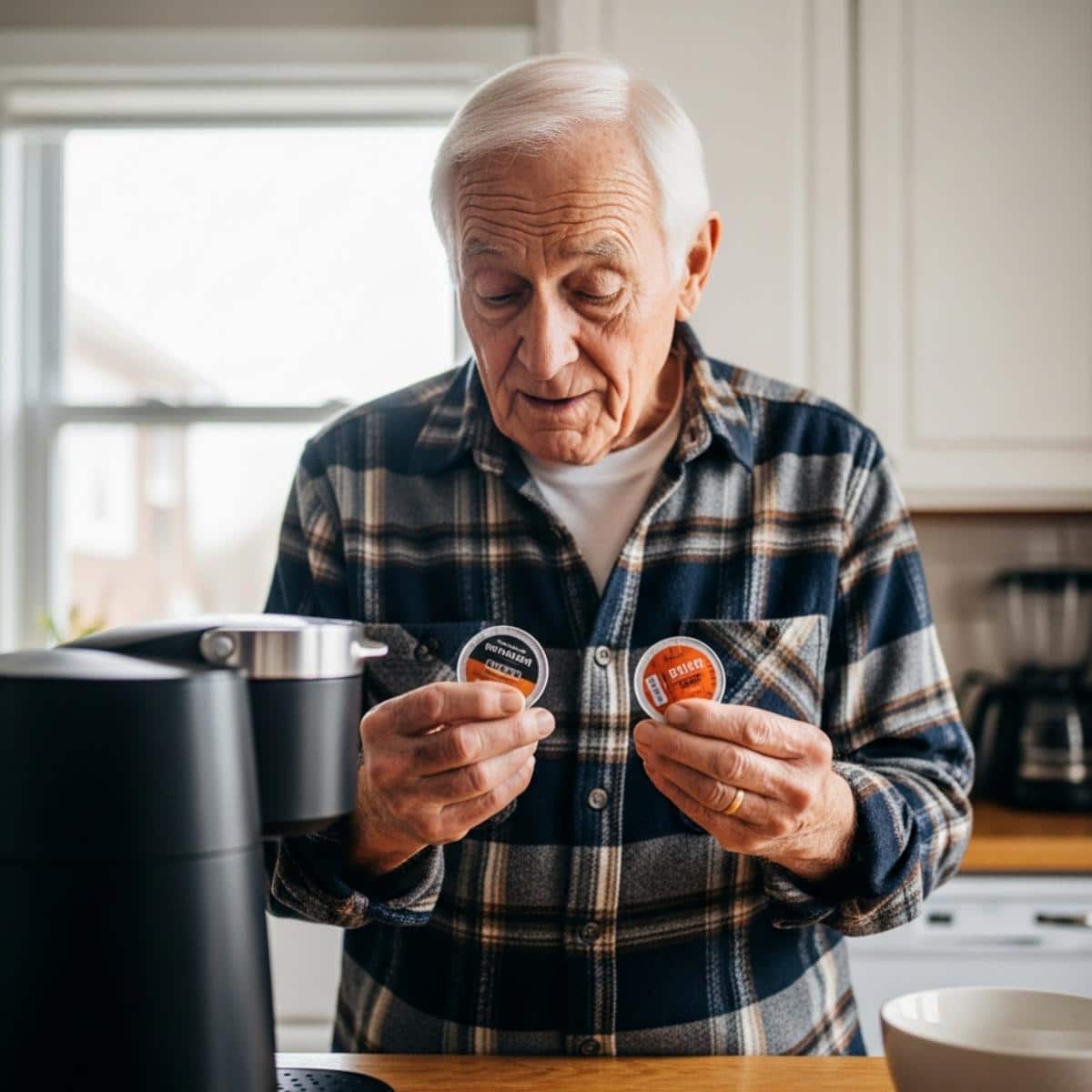
If coffee is causing you any real trouble after 65, sleep disruption is the most likely culprit. But the fix is simpler than you might think — and it doesn’t require drinking less coffee.
As we age, caffeine metabolism slows. What your body cleared in four to five hours at 40 may take six to eight hours or longer now. That means a cup of coffee at 4 PM can still be affecting your system well past midnight.
The common advice to “just drink less” misses the point entirely. Two cups before noon causes far less sleep disruption than one cup at dinnertime.
The Afternoon Cutoff Rule
Researchers generally reference finishing caffeinated coffee by early-to-mid afternoon as the window that gives the body sufficient time to metabolize caffeine before sleep.
This is worth experimenting with before making any other changes. Keep your morning ritual exactly as it is. Simply set a natural cutoff — say, 1 or 2 PM — and try it for one week.
Many people are surprised to find that the sleep improvements they were hoping to get from other changes were actually just waiting for this one small timing adjustment.
You don’t have to give up coffee for better sleep. You may simply need to give it a curfew.
Want more practical, honest advice about everyday habits and healthy aging? Subscribe to our newsletter for expert-tested tips and product recommendations designed specifically for older adults.

The One Swap Worth Trying — and Why It’s Easier Than You Think
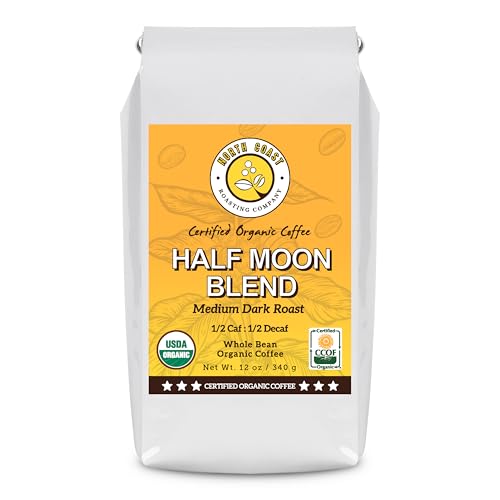
For older adults dealing with a sensitive stomach, occasional heart palpitations, or persistent sleep concerns even after trying the afternoon cutoff, there’s a practical middle ground that most people never consider: half-caf.
Half-caf is exactly what it sounds like — a blend of regular and decaffeinated coffee that delivers roughly half the caffeine with the full ritual, flavor, and warmth of your normal cup.
This works better than simply switching to decaf because you’re not giving anything meaningful up. The taste is nearly identical. The morning routine stays intact. And for the right person, the reduction in caffeine load makes a noticeable difference in how they feel.




Who This Swap Is Most Relevant For
- People who notice occasional heart palpitations and want to reduce caffeine gently
- Those with sensitive digestive systems who find coffee harder on their stomach than it used to be
- Anyone who has tried the afternoon cutoff but still notices sleep sensitivity
The Low-Acid Angle
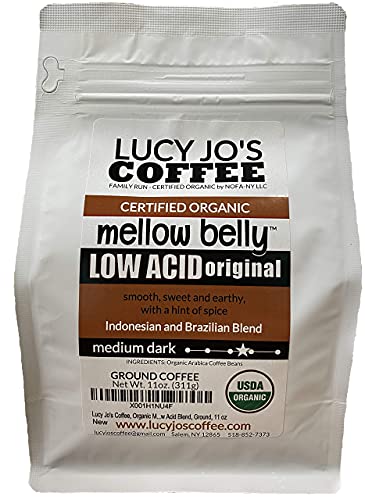
After 65, many people develop more sensitive stomachs — and that sensitivity often shows up with coffee first. If the issue is stomach discomfort rather than caffeine itself, a low-acid coffee blend (brands like Puroast or Tyler’s No Acid are worth trying) can make a meaningful difference without any reduction in caffeine at all.
Single-serve brewers make both the half-caf and low-acid experiment easy. You can keep two options on hand without committing to a full pot — practical for households where preferences differ, or for testing what works best for you.
The half-caf swap isn’t a consolation prize. For the right person, it’s a genuinely smart upgrade that lets you keep everything you love about coffee.





When Coffee Genuinely Warrants a Conversation With Your Doctor
For most older adults, moderate coffee enjoyment is completely reasonable. But there are specific situations where it’s worth a direct conversation with your doctor — not because coffee is dangerous, but because being informed is always better than guessing.
Situations Worth Flagging
- Certain medications interact with caffeine. Some blood thinners and specific blood pressure medications have known interactions. This is a practical awareness check, not a reason to panic — just worth mentioning at your next appointment.
- Diagnosed heart arrhythmia or atrial fibrillation. Caffeine sensitivity varies significantly between individuals with these conditions. Some people tolerate coffee well; others don’t. Your cardiologist is the right person to weigh in.
- Persistent symptoms you’ve noticed after coffee. If you’ve noticed a consistent pattern — heart racing, significant stomach distress, pronounced sleep disruption — that’s useful information for your doctor regardless of what any article says.
Knowing when to ask a question is a sign of being informed, not a reason to worry. For most readers, this section simply confirms that their coffee habit is not a concern.
Your Morning Cup Deserves Confidence
Here’s the honest summary: coffee — enjoyed thoughtfully — remains one of life’s genuine pleasures and, based on current research, one that comes with real potential benefits for older adults.
The research on cognitive health points in an encouraging direction. The most common warnings about bone loss and dehydration are far more nuanced than you’ve likely been told. And if sleep is a concern, the answer is almost always timing — not elimination.
You now have the information to make your own choices. Whether you continue exactly as you are, experiment with an afternoon cutoff, or try a half-caf or low-acid blend for two weeks — that decision belongs to you.
For those thinking about the broader picture of how daily habits and routines shape how we age, it’s worth knowing that staying connected, engaged, and intentional about small daily choices tends to matter more than eliminating any single pleasure.
I’d love to hear from you in the comments: How do you take your coffee? Morning only, or all day? Have you ever tried half-caf or a low-acid blend? Your experience might be exactly what someone else needs to read today.
![Keep older woman plating tempeh grain bowl kitchen counter[1]](https://www.grayingwithgrace.com/wp-content/uploads/2026/05/KEEP-older_woman_plating_tempeh_grain_bowl_kitchen_counter1-e1779362353354-450x300.jpg)

![Keep older woman enjoying butternut soup elegant[1]](https://www.grayingwithgrace.com/wp-content/uploads/2026/05/KEEP-older_woman_enjoying_butternut_soup_elegant1-e1778616351599-450x300.jpg)