After two decades of working with older adults, I’ve noticed something that no health chart ever captured: the people who seem sharpest, most engaged, and most alive well into their seventies and eighties almost always take their hobbies seriously.
Not as a way to kill time. As a way to live it.
If you’ve ever felt a quiet guilt about spending an afternoon on a puzzle, tending your garden, or picking up a craft project — as though you should be doing something more productive — here’s what I want you to know: the science is now squarely on your side.
Researchers and geriatric specialists are pointing to creative leisure as one of the most powerful non-pharmacological tools we have for brain health and longevity.
And the activities they’re highlighting? They’re probably already part of your life.
Why Doctors Are Now Taking Leisure Seriously
For years, leisure was treated as the reward you got after the real work was done. That framing is changing — fast.
Research published in journals including the New England Journal of Medicine has found that older adults who regularly engage in mentally stimulating leisure activities show meaningfully reduced risk of cognitive decline. Studies from the Mayo Clinic have pointed in the same direction, suggesting that consistent engagement in creative activities is one of the most accessible protective factors available to aging adults.
Geriatric specialists have started using a phrase worth knowing: non-pharmacological brain health intervention. That’s clinical language for puzzles, crafting, music, and gardening.
Active vs. Passive Leisure: Why the Distinction Matters
Not all leisure works the same way neurologically. The key difference is engagement.
- Active leisure — puzzles, crafting, gardening, music — requires your brain to problem-solve, create, plan, and adapt in real time
- Passive leisure — watching television, scrolling — involves receiving information without generating a mental response
This isn’t a criticism of television. It’s simply that some leisure activities challenge your neural pathways in ways that passive consumption cannot replicate.
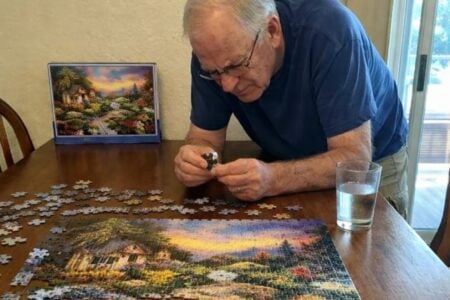
Two retirees with similar health profiles spending their afternoons differently — one on a jigsaw puzzle, one watching reruns — are having genuinely different neurological experiences. The lifestyle looks the same from the outside. The brain activity is not.
The good news: the activities that work hardest for your brain are also among the most genuinely enjoyable. That’s not a coincidence. It’s part of why they work.




The 4 Leisure Categories With the Strongest Longevity Evidence
Research consistently points to four specific leisure categories that deliver the greatest brain health and longevity benefits. If you’re already doing any of these, you’re further ahead than you might think.
Puzzles and Strategy Games
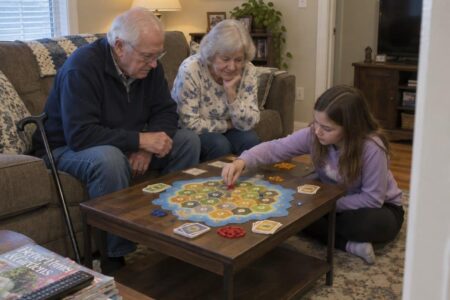
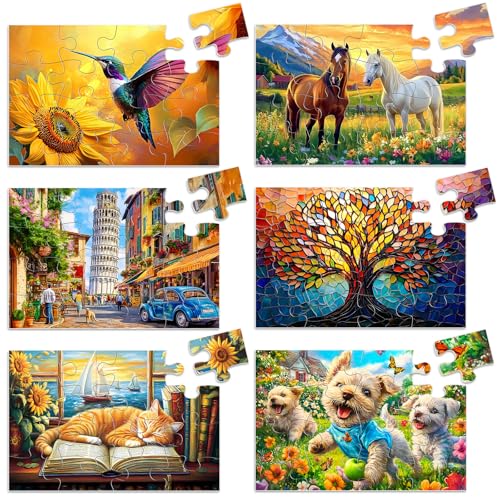
Jigsaw puzzles, crosswords, Sudoku, and tabletop games engage spatial reasoning, working memory, and sustained concentration — all of which strengthen what researchers call cognitive reserve.
The social benefits of staying connected with others through games and activities compound this effect significantly when you play with others.
Many older adults maintain a consistent puzzle habit by subscribing to puzzle delivery services that bring fresh challenges regularly, removing the friction of sourcing new puzzles on their own.
Crafting and Creative Arts
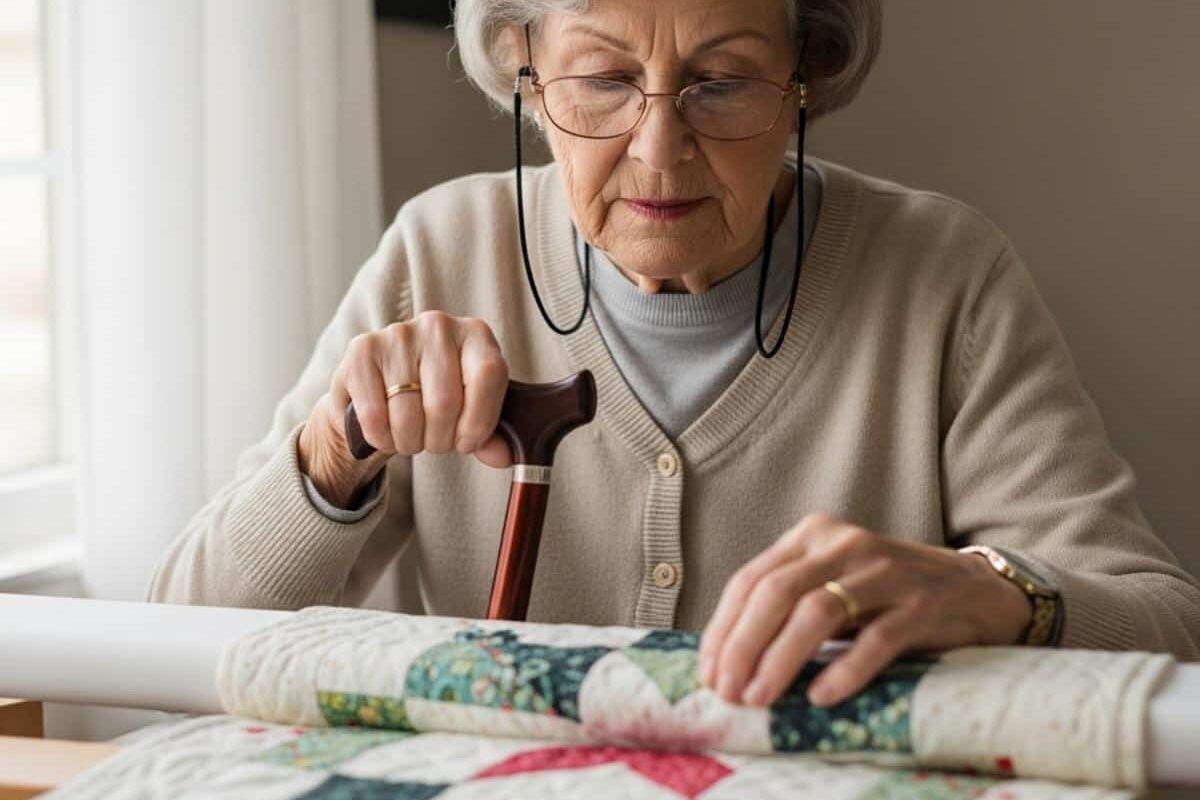
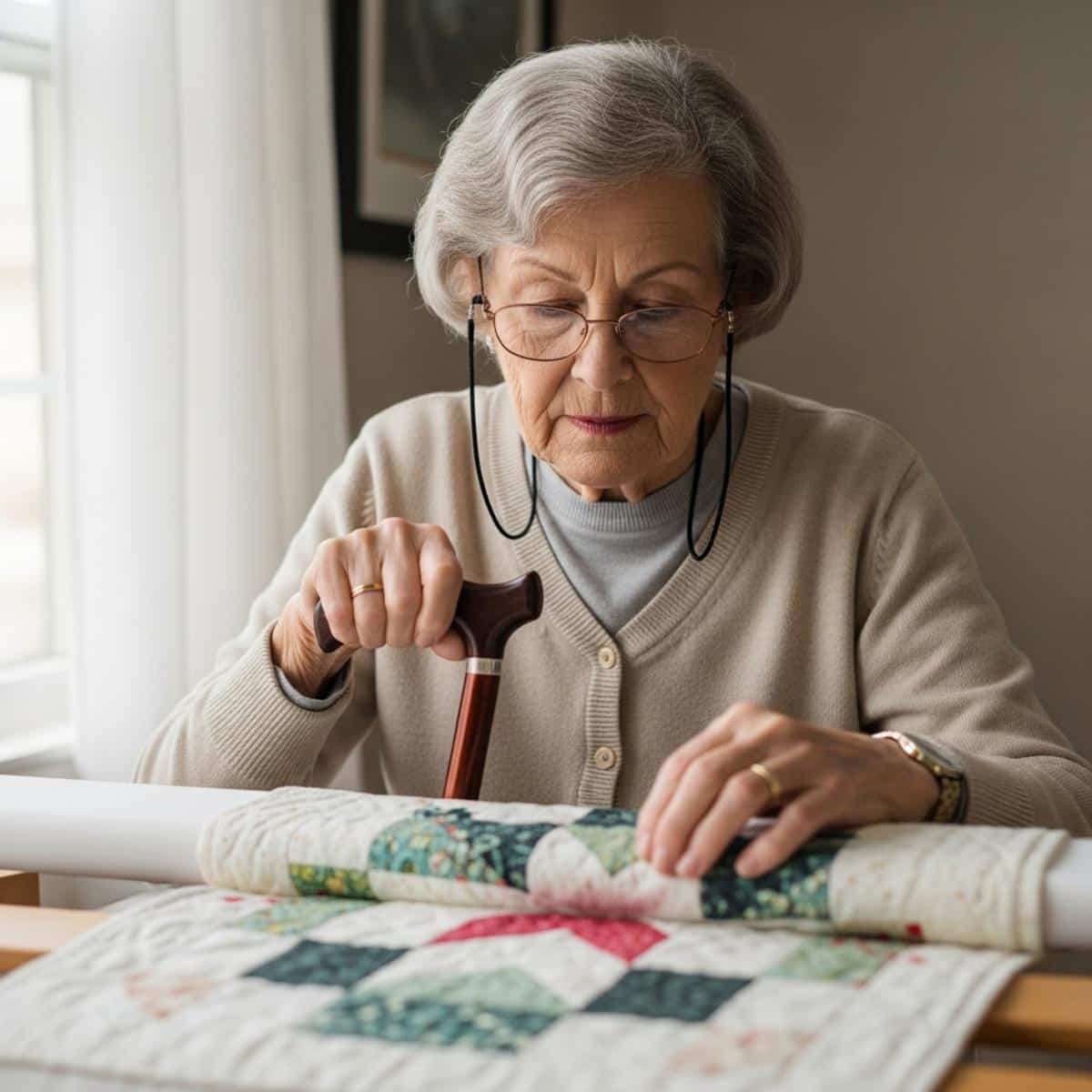
Knitting, quilting, painting, and adult coloring engage fine motor skills alongside creative problem-solving — producing a dual benefit for both brain health and hand dexterity.
This matters practically: maintaining hand function directly supports independence in daily tasks. Adult craft kits that include everything needed to complete a project are an easy entry point for anyone who wants to start without the barrier of gathering supplies.


Music Engagement
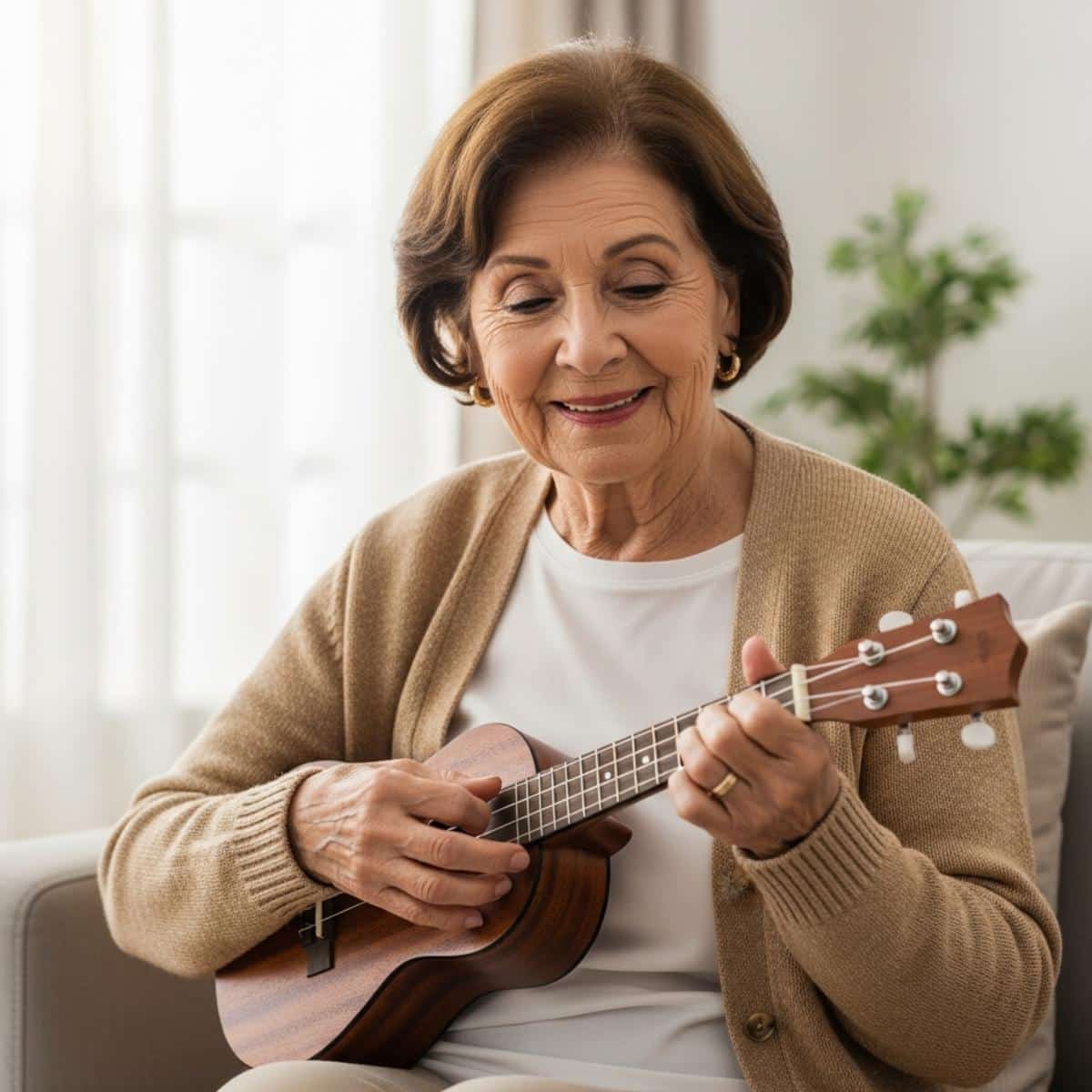
Playing an instrument or participating in a choir or music circle activates more areas of the brain simultaneously than nearly any other activity. The combination of rhythm, memory, motor coordination, and emotional engagement makes music uniquely powerful.
You don’t need to be skilled. You need to be participating.
Gardening
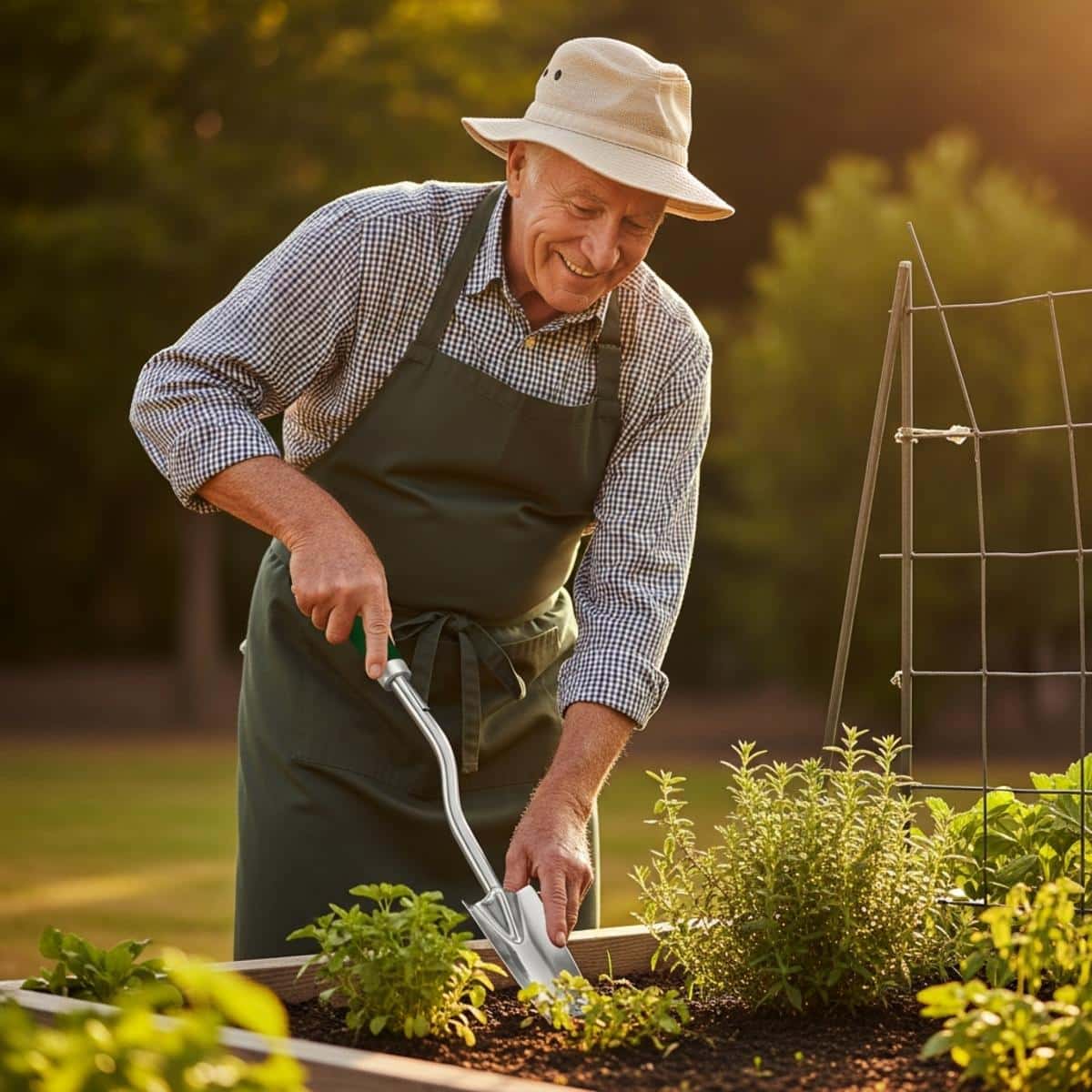
Gardening combines light physical movement with planning, problem-solving, sensory engagement, and a meaningful sense of purpose. It’s one of the few leisure activities that simultaneously addresses physical, cognitive, and emotional well-being.
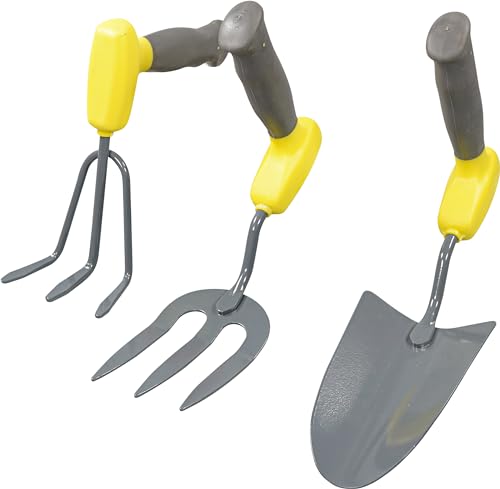
Ergonomic garden tool sets designed for older adults — with cushioned grips and reduced strain — make it easier to stay engaged longer and more comfortably, which matters because consistency is what drives the benefit.



Why This Works: What’s Actually Happening in Your Brain
Understanding the mechanism behind creative leisure makes it easier to prioritize intentionally — and to stop feeling like you need to justify it.
The Concept of Cognitive Reserve
Cognitive reserve is your brain’s ability to improvise and find alternative pathways when primary ones are challenged. Think of it as your brain’s backup network.
Mentally stimulating leisure activities build this reserve over time. The more reserve you develop, the more resilient your brain becomes — not just to age-related changes, but to the kinds of neurological challenges that become more common as we get older.
Neuroplasticity Doesn’t Stop at 60
Creative engagement stimulates the formation of new neural connections — a process called neuroplasticity — and this capacity remains active well into older age.
Activities that combine mental challenge, fine motor engagement, and a sense of accomplishment produce a particularly beneficial neurochemical response. Completing a puzzle, finishing a craft project, harvesting from your garden — each of these triggers a release of dopamine through genuine achievement.
The Compounding Effect
Here’s the part that changes how you think about your afternoon: consistent engagement over months and years produces measurably greater cognitive resilience than occasional bursts of activity.
Every session matters. Every puzzle completed, every garden bed tended, every song played is a small but real deposit into your brain’s long-term health account.
This is also why staying socially engaged supports brain health — research consistently links meaningful human connection to longer, sharper aging, and the two benefits reinforce each other powerfully.
Want more expert-backed strategies for living well and staying sharp as you age? Subscribe to our newsletter for trusted tips and product recommendations designed specifically for older adults.
The 20-Minute Daily Leisure Prescription
You don’t need a new gym membership or a wellness overhaul. Research supports something much simpler: consistent, daily engagement — even as little as 20 minutes — produces greater brain health benefit than longer but infrequent sessions.
What ‘Intentional Leisure’ Looks Like in Practice
- Set aside a specific time window — after morning coffee, after lunch, before dinner
- Choose an activity that requires active mental engagement
- Treat it with the same priority as a walk or a doctor’s appointment
- Protect that time from interruption
The difference between someone who occasionally picks up a puzzle when they happen to have extra time and someone who sets aside 20 intentional minutes each morning is not dramatic on any given day. Over six months, it’s significant.
How to Build the Habit Around What You Already Do
- Morning coffee ritual: 20 minutes of crossword or Sudoku
- After-lunch window: A jigsaw puzzle session
- Evening wind-down: Crafting, coloring, or a musical instrument
- Daily outdoor time: Garden maintenance or planning
One important note: enjoyment is not optional. Activities that feel like obligations don’t produce the same neurochemical response as activities that feel genuinely pleasurable. Choose what you actually like. That’s the whole point.
Tabletop game sets designed for two players make it particularly easy to build a shared daily ritual with a spouse or friend — adding the bonus of social connection to the cognitive benefit.
If mornings feel especially slow or difficult, some older adults find that addressing energy and alertness first makes it easier to engage meaningfully in leisure activities during the day.

Making It Social: The Bonus Multiplier
When creative leisure is shared with others, the benefits multiply in ways that solitary engagement cannot fully replicate.
Why the Combination Is So Powerful
Social engagement activates its own distinct set of neurological and physiological benefits. When you combine it with mentally stimulating leisure, you’re addressing brain health on two fronts simultaneously.
Research on family connection and senior health consistently shows that meaningful human interaction reduces stress-driven inflammation, supports immune function, and improves cognitive outcomes — all independent of the activity itself.
Simple Ways to Make Leisure Social
- A weekly puzzle group with neighbors or friends
- A community garden plot shared with others
- A local choir, music circle, or community band
- A crafting club at a senior center or library
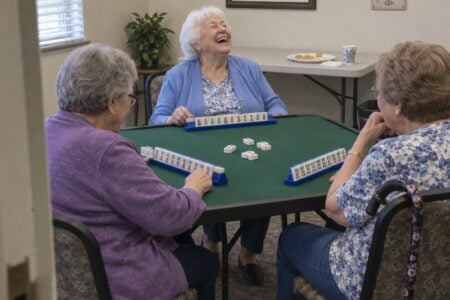
- A standing card game or tabletop game night
Shared purpose and light competition — the kind that comes naturally in a game or a group project — deepen both social bonds and mental engagement simultaneously.
You’re Not Just Having Fun
You’re building the kind of connected, engaged life that research consistently links to longer, sharper, more fulfilling aging.
For those who have experienced social isolation or withdrawal from activities, even a single shared leisure activity each week can serve as a meaningful re-entry point into connection.
That’s not an accident. It’s a strategy — and it’s one you already have the tools to execute.
Your Permission Slip — and Your Next Step
The science is clear, and the message is genuinely good news.
The activities many older adults already love — puzzles, crafting, gardening, music — are among the most powerful tools available for protecting brain health and extending quality of life. You don’t need a complicated wellness plan. You need to take your hobbies seriously.
Protect the time for them. Engage in them with intention. Share them with others when you can.
This week, choose one leisure activity and commit to a daily 20-minute session. Put it on your calendar. Treat it like the health investment it actually is.
Then come back here and tell me in the comments: what activity are you committing to — and why does it matter to you?
I’d love to hear it. And I’d be willing to bet someone else reading this needs to hear it too.
For more on how staying engaged and active connects to your overall well-being, understanding what happens to your brain when your environment feels safe and supportive offers a useful perspective on how every part of your daily life shapes cognitive health.