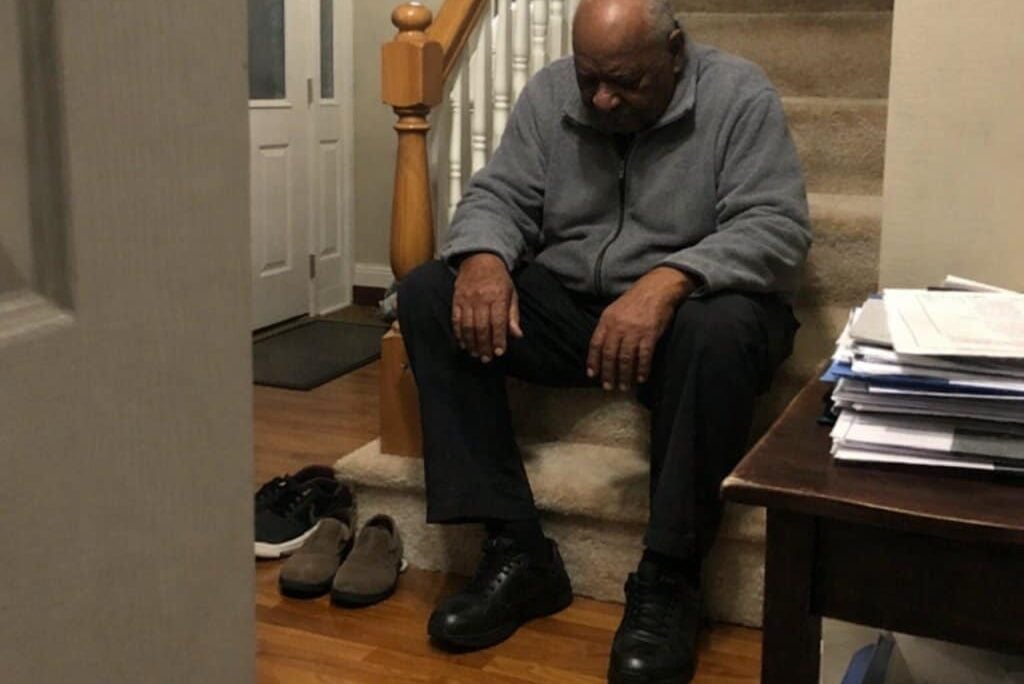
Stairs become the enemy quietly. One day they’re just stairs; the next, they’re the reason an entire floor of someone’s home is off-limits. If you’re reading this because your knees, your balance, or your energy have started making that climb feel genuinely risky, a stairlift may be exactly what keeps you in the home you love. If you’re an adult child researching this for a parent, you’re in the right place too.
This guide covers the real cost of stairlifts (including why the numbers you find online will vary by thousands of dollars), which type of lift fits which staircase, how to choose between the companies that actually sell and install them, what the installation process looks like from survey to handover, how to use one safely once it’s in, and when buying a unit online makes sense — and when it doesn’t.
One thing this guide does not do: fill a page with product boxes for accessories that don’t help you buy a stairlift. The companies that sell stairlifts are not Amazon sellers. They’re local dealers, national installers, and manufacturers with dealer networks. This guide points you to them, helps you ask the right questions, and respects your ability to make the decision yourself.
Stairlift Shopping Guide: What to Check Before You Buy
Download this printable stairlift shopping checklist to avoid costly mistakes and ensure you choose the right unit for your staircase—before you spend a dime or commit to installation.
What a Stairlift Actually Costs
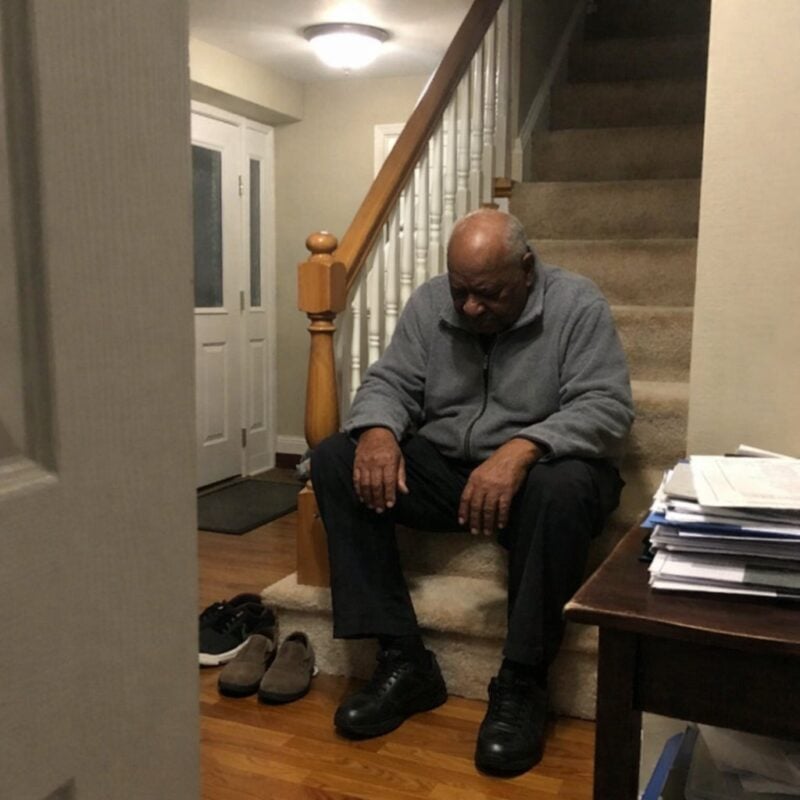
I’ll be direct with you: the published cost figures for stairlifts are all over the place, and that’s true of the most recent guides available. Understanding why is more useful than picking a number and hoping it holds.
For a straight stairlift installed, 2026 industry guides put the range anywhere from $2,000 to $8,500, with other sources narrowing it to $3,200–$4,500 or $3,500–$7,500, and one source citing an average around $7,050. Those ranges are not errors — they reflect genuine variation in rail length, local labor costs, electrical work required, and the specific unit selected.
For a curved stairlift installed, most guides start at $10,000 and run to $20,000, with some sources citing $12,000–$20,000 for a single bend or landing and others showing a range starting at $7,500 and going up from there. Curved units cost more because the rail is custom-fabricated for your specific staircase — measured, manufactured, and fitted to the exact geometry of your turns and landings. There is no off-the-shelf curved rail.
Rental is an option worth knowing about, but it applies almost exclusively to straight units. Published monthly rental rates range from $100–$250 to $300–$500 depending on the source and the company. Expect additional charges: a deposit of $500–$1,000, installation of $400–$700, and removal of $300–$600. Most companies require a minimum three-month commitment.
Here is the only cost figure I can give you with real precision: the AmeriGlide Rave 2, one of the few stairlifts available for direct online purchase, is listed on AmeriGlide’s own site at $2,249.00 plus $225.00 shipping. That’s a single straight-rail unit with a 350 lb capacity. It is a useful anchor for the lower end of the market, but it does not include professional installation.
The reason none of the published ranges give you a number you can actually use is that rail length, staircase configuration, doorway clearances, and your home’s electrical situation determine what you’ll pay — and none of that is visible from a web page. A written, in-home quote is the only price that’s real. Any company that quotes you a firm number by phone, before measuring your staircase, is quoting a figure they’ll revise later.
Which Type Fits Your Stairs
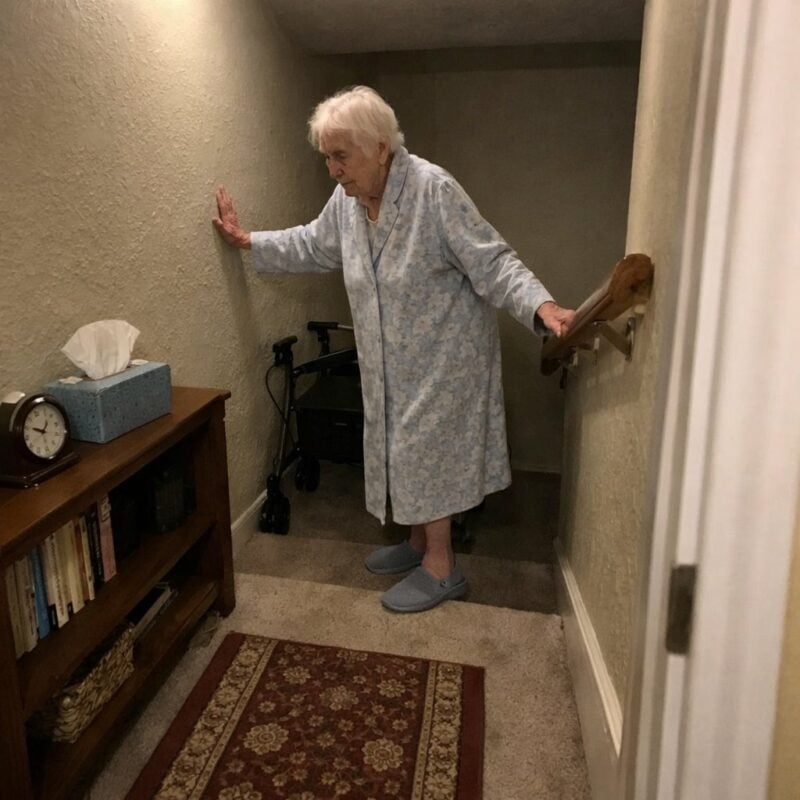
Before you call a single company, one observation will tell you which category you’re shopping in.
Walk your staircase from the bottom landing to the top. Does it run in a single, uninterrupted straight line — no turns, no curves, no intermediate landing? Write that answer down. It is the most important variable in this entire decision.
Straight stairlifts fit a staircase that runs in a single direction without interruption. The rail is a standard product cut to length. Lead time is typically days to one week. The market for straight units includes both dealer-installed and direct-to-consumer options, and a used or refurbished straight unit can sometimes be sourced through a reputable dealer — because straight rails are standardized enough to be reconditioned and trimmed to fit.
Curved stairlifts are required the moment your staircase has a turn, a bend, or an intermediate landing. Not preferred — required. There is no modification or accessory that makes a straight unit work on a staircase with a landing. The rail for a curved unit is custom-fabricated from measurements taken in your home, sent to the manufacturer, produced, and then installed. That process typically adds two to six weeks to the timeline. If there’s a discharge from a hospital or rehab facility in the picture, that lead time is part of your discharge planning — not something to figure out after you’re home.
Outdoor stairlifts are built for exterior staircases — front steps, deck stairs, garage entries. The key differences from an indoor unit are weather-resistant materials, sealed rail mechanisms, and UV-resistant upholstery. If outdoor stairs are your access point to the home, this category is worth exploring with any of the dealers listed below.
Standing or perch stairlifts offer an alternative for riders who have difficulty bending at the hip or knee enough to use a seated unit. Rather than a full seat, the rider leans against a padded support with a partial bend in the knees. These units require that the rider be able to bear weight through their legs and maintain balance throughout the ride — which makes them unsuitable for some users. If this category applies to your situation, involve a physical or occupational therapist before purchasing. That is not a formality; it’s how you confirm the product type is appropriate for the rider’s current condition. A clinician can assess those capacities in a way a stairlift salesperson cannot.
One practical measurement to do yourself before any company comes out: use a metal tape measure to find the clear width of your staircase at its narrowest point. Measure in at least two places and use the smaller number. Bring that figure to every vendor conversation. It will immediately rule out options that won’t fit and give every company a concrete starting point.
If the staircase itself is part of a broader concern about safety in your home, the Stair Safety Guide for Seniors covers the full picture — railings, lighting, surface treatments, and more — that a stairlift alone doesn’t address.
Choosing a Company
Stairlifts are sold through three types of companies, and the type matters as much as the brand. Here’s how to think about each.
Manufacturers with Dealer Networks
These companies build the equipment but sell it through local authorized dealers. You deal with a local crew, not the factory. Dealer quality can vary significantly within a single brand — two dealers carrying the same manufacturer’s product can deliver very different installation and service experiences. When you contact any of these manufacturers, you’ll be directed to a dealer locator, not a shopping cart.
Bruno is a veteran-founded, family-owned company headquartered in Oconomowoc, Wisconsin. It builds its stairlifts in the US and is the only US stairlift manufacturer with ISO 9001 certification. Bruno sells exclusively through authorized local dealers.
Harmar is headquartered in Sarasota, Florida, and makes straight and curved stairlifts as part of a broader home-access product line. It sells through a dealer network it calls LiftSquad; the company states its dealers complete ongoing factory training, carry insurance, and pass annual background checks.
Savaria owns the Handicare stairlift line, which includes straight and curved models. Savaria uses both an authorized dealer network and its own direct stores in the US and Canada.
Access BDD manufactures stairlifts and sells exclusively through a dealer network. The company states it selects and trains its dealers for installation proficiency.
Direct-to-Consumer Companies
These companies sell, install, and service the unit themselves. One phone number owns the whole job. The practical advantage is simplicity — you’re not coordinating between a manufacturer and a separate dealer. The trade-off is that you’re choosing from one company’s product line, and the sales conversation is also the site survey.
Acorn Stairlifts operates its US business out of Orlando, Florida, builds its units in UK factories, and uses its own employees rather than subcontractors for installation. Its model line covers straight staircases, curved staircases, and outdoor configurations. Acorn advertises installation within days for straight-rail configurations.
AmeriGlide manufactures stairlifts and related equipment, sells direct, and offers nationwide installation. It is also the one company on this list whose product is available on Amazon — which makes it the relevant name if you’re considering the online purchase route covered later in this guide.
Multi-Brand Installers
These companies carry several manufacturers’ products and install all of them. Their recommendations will reflect what they stock locally. The practical reason to seek them out is service response time — a company with local technicians who know your unit may respond faster when something needs attention.
101 Mobility has locations across the US and carries straight, curved, and outdoor stairlifts. It references Bruno, Savaria, and Harmar among its manufacturers.
Arrow Lift is a family-owned company that has operated since 1985, with 17 locations across Minnesota, Wisconsin, Iowa, Ohio, Pennsylvania, and California. It does its own design, construction, and installation and covers the range from stairlifts through custom home elevators. It is regional, not national.
A note on how to use this list: call two or three companies from different categories, get competing in-home quotes, and pay attention to how the site survey conversation goes. A company that quotes you a price over the phone before measuring your staircase is telling you something about how they operate.
Managing the Installation
The installation process has a structure, and understanding it in advance protects you from surprises — including cost surprises.
The site survey comes first. A technician comes to your home, measures the staircase, and assesses the specifics that determine what you’ll actually pay and what will actually fit. A thorough site survey should check: stair width at the narrowest point, stair pitch, the condition of the treads (they’re the mounting surface), headroom at the top of the staircase, whether doorways at the top and bottom of the stairs will clear the folded footrest, and the location of the nearest electrical outlet. The outlet question matters — most stairlifts plug into a standard 110V outlet, but if there isn’t one within reach of the rail, an electrician needs to run one before installation day.
The written quote should itemize the unit, the rail (length for a straight unit, fabrication for a curved one), installation labor, any electrical work, and what happens when the unit is eventually removed. Read the removal terms before you sign. Some companies include removal in the purchase; others charge a separate fee. If you’re considering a rental, removal is typically included, but confirm it in writing.
Electrical work is usually handled by the installer or a subcontractor they coordinate. If the quote does not include electrical work and your staircase doesn’t have an outlet in the right location, ask specifically who handles that and how the cost is calculated. Don’t assume it’s included.
Timeline: For a straight-rail unit on a confirmed straight staircase, installation typically happens within days to one week of the survey and contract signing. For a curved or custom unit, the fabrication process adds two to six weeks after the measurements are taken. If the person who needs the lift is recovering from a surgery or is being discharged from a facility, that timeline gap needs a concrete interim plan — see the Hacks section below.
Before the installation crew arrives: clear the staircase completely. Remove any runner or carpet if the company has asked you to (some installers handle this themselves; confirm in advance). Make sure there’s a clear path from the front door to the base of the stairs. If a pet is likely to be underfoot, have a plan for them.
After installation, before the crew leaves: confirm in writing — or at minimum confirm verbally and document it yourself — what the service response time is if the unit stops working, how you reach them for service, and whether the warranty is on the unit only or on the installation labor as well. These are easier questions to answer before the technician packs up than they are at eight in the morning when the lift won’t move.
Learning to Use It Safely
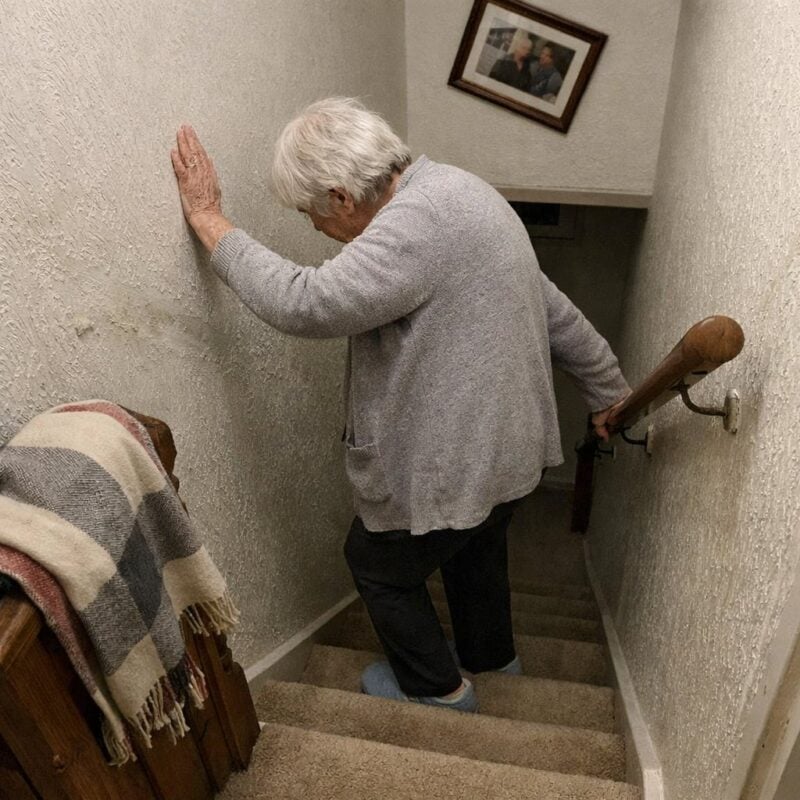
The installation handover is the most important fifteen minutes of the stairlift experience, and it’s often rushed. Here’s what to insist on and what to practice before the technician leaves.
Who should be present for the handover demonstration: the person who will use the lift regularly, and at least one other household member or family caregiver if at all possible. The reason is straightforward — the manual lowering procedure and the obstruction sensor test are things a second person may need to perform, and watching a demonstration once is not the same as knowing how to do it.
The seatbelt: use it every ride, without exception. This sounds obvious, but riders often skip it for short trips or when they feel stable. The situations where a person falls from a stairlift are exactly the situations where they felt stable enough to skip the belt.
The swivel seat: at the top of the staircase, the correct sequence is to ride to the top, swivel the seat to face away from the stairs, then stand. Attempting to stand while still facing the stairs is how people lose their footing at the top. Make sure the demonstration includes this sequence, practiced at actual operating speed, not just explained.
The footrest: the footrest must be down and the rider’s feet must be on it throughout the ride. The footrest contains an obstruction sensor — if it contacts something during travel, the unit stops. This is a safety feature, not a malfunction. The same sensors are in the rail itself. A unit that stops mid-run has detected something; the correct response is to look for the obstruction, remove it, and restart.
Charging: most modern stairlifts are battery-powered and charge at the parking position at the top or bottom of the rail. Parking the lift off the charger — leaving it mid-rail or at the wrong end — will eventually drain the battery. A battery alarm or sluggish movement is usually a sign the unit hasn’t been parked correctly. Ask the technician where the charging contacts are and how to confirm the unit is charging.
Manual lowering in a power cut: there is a manual override procedure for every stairlift. It is typically a hand crank or a manual release, described in the manual and demonstrated during handover. The technician should show this before leaving. The person most likely to need it is not the rider — it’s whoever else is in the house when the power goes out and the lift is occupied. This is the specific skill the second household member needs to know.
The walk at the top and bottom of the stairs: most stairlift-related falls happen not on the lift but during the transfer off it — stepping onto a landing and losing balance, or backing away from the seat and misjudging the edge. Before the technician leaves, have the rider make two or three complete trips, including the transfer at both ends, with the technician watching. If the walking route at the top of the stairs is tight, or the landing at the bottom is slippery, address that before the lift is used independently. The 15 No-Cost Fall Prevention Hacks Every Senior Should Know includes landing and threshold hazards that are easy to miss.
Buying One Online: The DIY Route
A small number of stairlifts are available for purchase online and — depending on the product — potentially self-installation. This route suits a specific kind of person: someone with genuine DIY competence, a straightforward straight staircase, comfort reading a technical manual, and a clear understanding that they own the installation, the warranty conversation, and any future service call. It does not suit most buyers, and there’s no shame in that. For those it does suit, here are the two products available online with an honest account of both.
AmeriGlide Rave 2 Stair Lift

One thing you need to confirm before purchasing: the Amazon listing presents this as a DIY self-install stairlift. AmeriGlide’s own product page does not explicitly state that self-installation is permitted — it describes the design as making installation easier, and the company offers professional installation as an option on the same unit. At least one third-party review site states outright that AmeriGlide stairlifts are not self-installable. The company’s published materials do not settle the question either way. An installation manual and installation video are publicly available, so the job is documented — but documented is not the same as authorized. Before purchasing from Amazon, contact AmeriGlide directly to confirm whether self-installation is permitted and what it does to the warranty. Getting that wrong could void your coverage or put you in a situation you shouldn’t be in.
Universal Lifts Universal Stair Lift
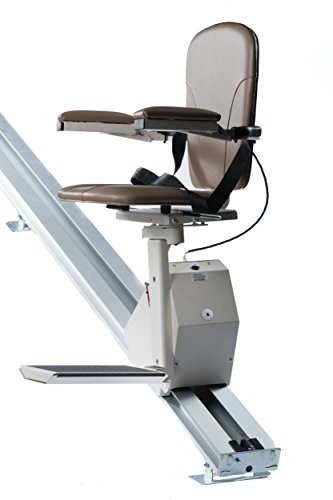
A note on accessories: the stairlift section of Amazon is dominated by protective covers and replacement charging units for models already installed. If you own an outdoor unit, a vented weatherproof cover is worth having — it extends the life of components that would otherwise be exposed to the elements year-round. If a charger fails, replacing it directly is significantly cheaper than a service call. But these are items for an existing owner, not part of shopping for a stairlift. Don’t let an accessory search substitute for the actual purchasing decision.
Frequently Asked Questions
Does Medicare cover stairlifts?
Medicare does not cover stairlifts. They are classified as home modifications rather than durable medical equipment, which places them outside standard Medicare coverage. Some Medicaid waiver programs cover stairlifts in specific circumstances, and eligibility varies significantly by state. VA benefits may cover stairlifts for eligible veterans — contact your regional VA office directly to confirm. Long-term care insurance policies vary widely; review the policy language or call the insurer before assuming the full cost is out-of-pocket. State-level home modification assistance programs also exist in some areas and are worth investigating through your local Area Agency on Aging.
How long does stairlift installation take?
For a straight-rail unit on a confirmed straight staircase, the process from measurement to installation typically takes a few days to one week in most markets. For a curved or custom-rail unit, the staircase must be measured by a technician, those measurements are sent to the manufacturer for fabrication, and installation is scheduled after the rail is produced — typically adding two to six weeks to the timeline. If a hospitalization or post-surgical discharge is involved, that lead time is part of the discharge planning conversation, not an afterthought. The interim plan — a first-floor sleeping arrangement, temporary home health support — needs to be in place before the stairlift is ordered.
Can a stairlift work on a staircase with a landing?
A staircase with an intermediate landing requires a curved or custom-rail unit. The rail is fabricated to navigate the specific geometry, including the change in direction at the landing. A straight-rail unit cannot handle a landing regardless of how the landing is configured. There is no modification or accessory that makes a straight unit work on a staircase with a turn or landing.
Is a used or refurbished stairlift worth buying?
For straight-rail configurations only — and only when sourced through a reputable dealer who has reconditioned the unit and offers a warranty on the result. Straight rails are standardized in length and can be trimmed to fit different staircases, which makes the used market legitimate for this type. Before committing to any refurbished unit, ask three questions: Has the motor been serviced and what is its current condition? Have the safety sensors been tested and recertified? What does the warranty cover and for how long? A dealer who cannot answer all three specifically is not a dealer whose unit is worth buying. Curved rails are fabricated for a specific staircase and have essentially no resale value or transferability — a private-sale curved unit is not worth evaluating.
What weight capacity do I need?
Standard stairlift models are typically rated to 250 to 300 pounds. Bariatric models are available with capacities up to 400 to 600 pounds depending on the product line, and use wider rail and heavier mounting hardware. Match the unit’s rated capacity to the rider’s actual weight — not an estimated or rounded figure. Operating a stairlift at or above its rated capacity affects both the safety of the ride and the validity of the warranty. If the rider’s weight falls near the upper end of a standard unit’s rated range, confirm that specification in writing with the vendor.
When is a stairlift not the right answer?
When the staircase is curved and the timeline does not allow for the fabrication lead time. When the rider cannot safely transfer onto or off the seat without assistance and no caregiver will reliably be present at each transfer. When the home has multiple accessibility barriers — narrow doorways, an inaccessible bathroom, unsafe flooring — that make the stairlift a partial solution rather than a meaningful one. In that last situation, a broader home accessibility assessment is the right starting point, not a single product purchase. A stairlift that solves the staircase while leaving other hazards unaddressed may not produce the safety outcome you’re planning for. The 7 Home Modifications That Make Wheelchair Living Actually Work covers the broader home access picture if a stairlift is only part of what needs to change.
Hacks and Practical Advice
Start with one observation before calling anyone.
Walk your staircase from the bottom landing to the top and ask one question: does it run in a single, uninterrupted straight line with no turns, no curves, and no intermediate landing? Write down your answer. That single observation determines whether you’re shopping in the straight-rail market or the custom-fabricated curved-rail market. Every other decision — cost, brand, model — flows from that first answer.
Measure the stairwell width yourself.
Get a metal tape measure and measure the clear width of the staircase at its narrowest point — not at the top or bottom where walls sometimes flare slightly. Take the measurement in at least two places and use the smaller number. Bring that number to every vendor conversation. It will immediately eliminate options that don’t fit and give you a concrete starting point for the ones that do.
The refurbished unit conversation to have.
If a dealer offers a refurbished straight-rail unit, ask three specific questions: Has the motor been serviced and what is its current condition? Have the safety sensors been tested and recertified? What does the warranty cover and for how long? A dealer who cannot answer all three specifically is not a dealer whose unit is worth buying at any price.
The annual safety check most owners skip.
Once a year, test the obstruction sensors on your stairlift. Place a light object on the footrest and activate the unit. The unit should stop. If it does not stop, the sensor needs service before the unit is used again. This takes thirty seconds and it matters — it’s the safety check that most owners never perform after the installation technician leaves.
The interim plan question.
If the timeline for a curved-rail unit doesn’t match the timeline of the need, the right question is not “how do we speed up the stairlift.” It’s “what is the plan for the weeks between now and installation?” A first-floor sleeping arrangement, temporary home health visits, or a short-term rental of a hospital-grade commode can bridge that gap safely. If you’re not sure whether a bedroom can realistically move downstairs, The Staircase Conversation: How to Know When It’s Time to Move a Bedroom Downstairs walks through exactly that decision.
When to bring in a clinician.
If the standing or perch stairlift category applies — either because of hip or knee flexion limitations or a narrow stairwell — involve a physical or occupational therapist before finalizing the purchase. A perch unit requires the rider to bear weight through their legs and maintain balance during the ride. A clinician can assess whether those capacities are present and confirm that the product type is appropriate for the rider’s current condition. This is not a formality.
Think about the whole staircase, not just the lift.
A stairlift improves your access to the stairs; it doesn’t make the stairs safer in every other way. If you’re worried about what happens when someone visits who doesn’t use the lift, or what the stairs look like when the power is out, those are real questions. The Stair Safety Guide for Seniors addresses the full safety picture — railings, lighting, surface grip, and landing hazards — that a stairlift doesn’t replace.
The decision to install a stairlift is rarely just about the stairs. It’s about staying in the home you’ve built your life in, on your terms, for as long as possible. That’s worth taking seriously — which means getting in-home quotes from more than one company, reading the written proposal carefully, insisting on a thorough handover, and not skipping the annual sensor check once the lift is in.
If you’re still weighing whether a stairlift is the right solution or whether other home changes need to happen alongside it, Why ‘Aging in Place’ Is Actually Harder Than Moving is worth reading before you commit to anything.
For more guidance on making a home work for the long term — stairlifts, fall prevention, mobility aids, and the harder conversations that go with all of it — you can subscribe to the Graying With Grace newsletter at https://lp.grayingwithgrace.com/newsletter-sign-up-post. No pressure, no spam — just practical advice when you need it.
Stairlift Shopping Guide: What to Check Before You Buy
Download this printable stairlift shopping checklist to avoid costly mistakes and ensure you choose the right unit for your staircase—before you spend a dime or commit to installation.