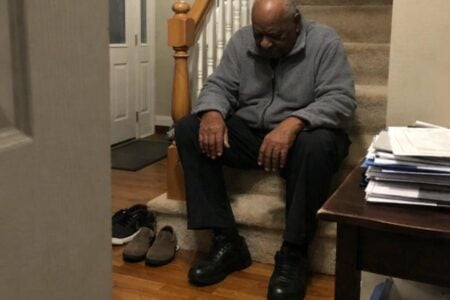
A flashlight plan fails for one simple reason. When the power goes out, you have to find the flashlight in the dark.
Automatic emergency lights remove that step. They switch on by themselves.
This guide helps you choose the right type first, then the product.
Automatic Emergency Light Shopping Checklist
Download this printable checklist and know exactly which emergency lights will actually work in a power outage—no more guessing about brightness, battery life, or whether they’ll turn on when you need them.
What to Check Before You Buy
In my 20 years of working with older adults, the same few details separate a light that helps from one that sits in a drawer. Take this checklist to any product page.
- Brightness (lumens): For a path from bed to bathroom, a plug-in unit in the roughly 20 to 100 lumen range is usually enough to see floor edges and doorways. A lantern for a larger room or stairs benefits from more. Lumens vary by mode, so check the emergency-mode figure, not the maximum printed on the box.
- Runtime on battery: Check hours in emergency mode. Plug-in units typically run a few hours, and longer is better. Ask: "How long will this stay lit if the power is out all night?"
- Activation: The unit should switch on by itself when power fails, with no button or switch. It should return to charging when power comes back. The specs should name the sensor or power-loss trigger.
- Charging and battery type: Rechargeable internal battery or replaceable batteries? Look for a charge indicator light.
- Outlet and size: Check whether the body blocks the second outlet and whether it fits behind furniture or in a tight hallway.
- Beam direction: A downward or wide wash lights the floor, which is what matters for stepping. A narrow spotlight does not.
- Hands-free design: For headlamps, check strap adjustability, weight, and a large one-touch button. For lanterns, look for a handle or hook rather than a flat base.
- Switch size: Large, textured buttons are easier with limited grip strength.
- Test button: A test button or self-test light lets you check the unit without cutting power.
- Battery replacement: Many rechargeable units need new batteries every few years. That is a hidden cost.
One caution. Emergency lights help you see and move safely. They are not a medical alert system, so if falls worry you, see my review of the NOMO Smart Care system.
Next comes the placement exercise in the final section. Do that before you buy.
Ready to discover more innovative strategies for healthy, comfortable aging? Subscribe to our newsletter for expert-tested tips and product recommendations designed specifically for older adults.
Plug-In Automatic Emergency Lights: Light With Zero Effort
These lights switch on the moment power fails, so no one has to find a flashlight in the dark. They fit bedrooms, hallways, and stairs for older adults who need light with zero effort.
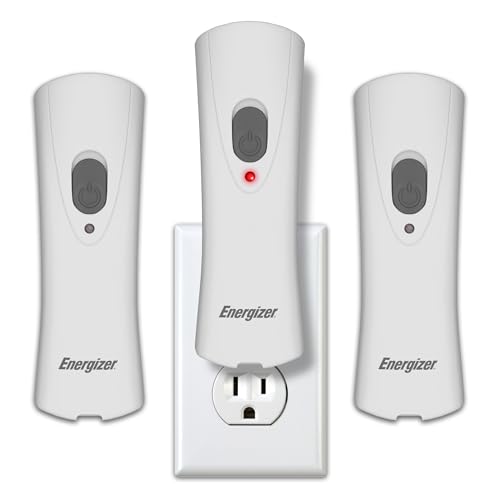

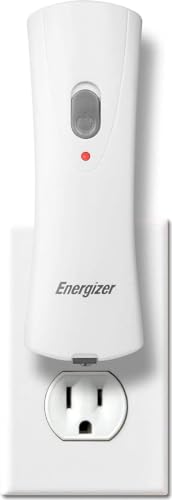


These lights stay in a wall outlet, charge an internal battery, and switch on the moment power drops. They are emergency lights that turn on automatically, with nothing for you to remember.
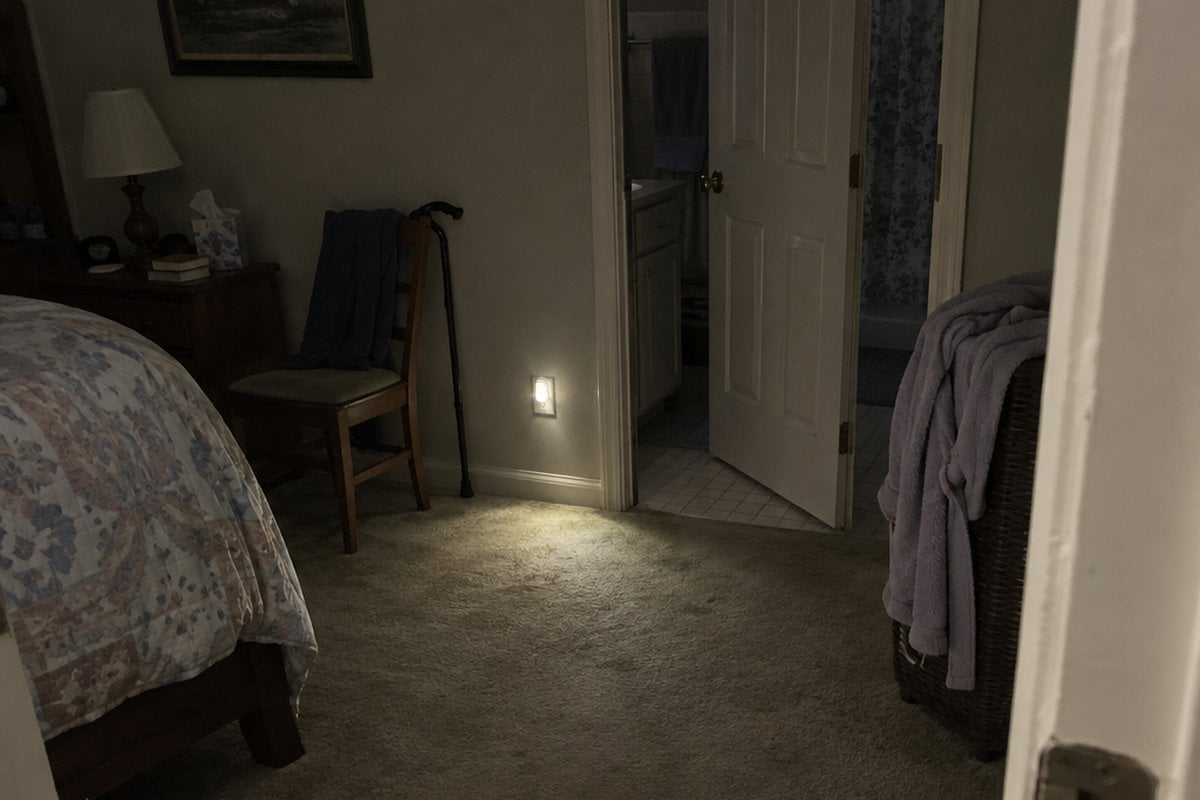
They suit bedrooms, the path from bed to bathroom, hallways, and the top and bottom of stairs. They are especially right if you live or sleep alone, or use both hands for a cane, rail, or doorframe.
They are the wrong choice where there is no nearby outlet, or as the only plan for a large home.
The key limitation: a plug-in light only covers the outlets where you install it. A unit in the living room does nothing for a dark hallway.
Compared with lanterns and headlamps, plug-ins ask nothing of you but stay fixed in place. Count the outlets along your nighttime route and plan one unit per key spot. My night-light placement guide shows where to put them.
Energizer Auto-On LED Flashlights Rechargeable (3-Pack)
This set is built around a plug-in flashlight that charges in the outlet and comes on when power fails. Three units cover a bedroom, a hallway, and a bathroom route in one purchase.
The catch is that these are flashlight-style bodies, so check how much of the outlet each one covers. Confirm the emergency-mode runtime on the listing before counting on it for a long outage.
GE 3-in-1 LED Power Failure Nightlight
This unit is built as an everyday night light that also works as a power failure light and flashlight. That suits the bathroom or hallway, where a soft glow helps every night.
The catch is that a light you leave glowing nightly may bother light sleepers. Check the brightness and runtime figures too, since a night-light design may not match a dedicated emergency unit.
Amerelle LED Emergency Lights
The listing describes a triple-function power failure light, which makes it a flexible choice for a hallway or bedroom outlet.
The catch is the same one to check on any plug-in: the body size, and whether it leaves the second outlet usable. Look for the battery replacement details so you know the long-term cost.
Battery Lanterns and Headlamps: Portable and Hands-Free Light
Portable lights give you illumination wherever you need to move, and headlamps keep both hands free for a cane or rail. They work best paired with plug-in lights and kept in one fixed, easy-to-reach spot.
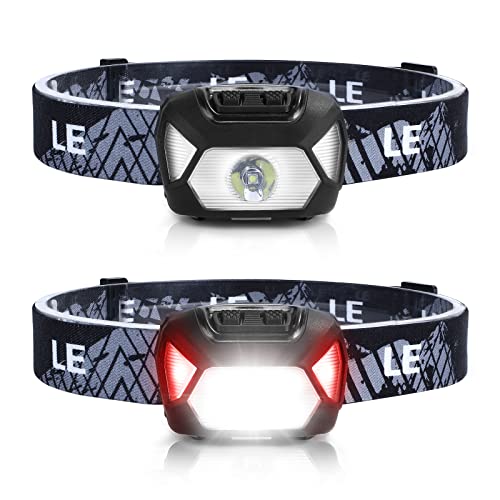


Lanterns sit on a surface or hang. Headlamps strap on and point wherever you look.
They suit moving through rooms without plug-in coverage, reaching a breaker box or garage, or stepping outside. A hands free headlamp suits anyone who uses a cane or braces on a rail, because both hands stay free. A lantern lights a whole kitchen or table.
They are the wrong choice if you can't reliably keep batteries fresh or remember where the light is stored. They are also wrong as the only plan for someone living alone who might not reach them in the dark.
The key limitation: the light is only as good as the habit behind it.
Compared with plug-ins, these are more flexible but not automatic. Pair the two: plug-ins for the night route, plus a headlamp or lantern in one fixed spot.
Foxelli Headlamp Battery Powered
This headlamp is listed at 3.2 ounces with a 45-hour runtime and an IPX5 water rating. Light weight matters if you wear it while steadying yourself with a cane.
The catch is that it runs on replaceable batteries, so you need spares on hand. Check the button size, since small buttons are hard for arthritic fingers. If you want a rechargeable option, see my SKYFIRE rechargeable headlamp review.
GearLight Camping Lantern (2-Pack)
This lantern comes as a pair, with a magnetic base. Put one in the kitchen and one in the bedroom, or keep one near the breaker box.
The catch is that it is a camping lantern, so it won't switch on when the power fails. Someone has to reach it, which is why a fixed storage spot matters.
Lepro Headlamp Battery Powered (2-Pack)
This is a waterproof, battery-powered headlamp sold as a two-pack. That makes it an affordable way to keep one by the bed and one near the garage door.
The catch is that battery-powered headlamps can drain on a shelf, and the design may feel front-heavy. Check the strap fit and button size before relying on it.
Subscribe to our newsletter for more tips: Join here
Frequently Asked Questions
Do plug-in emergency lights need to stay plugged in? Yes. They charge while plugged in, and that stored charge is what runs them when power fails.
How long do plug-in emergency lights last on battery? Typically a few hours in emergency mode. Check each listing for its figure, and replace batteries every few years if the manufacturer says so.
How often should I charge an emergency lantern? Check it on a set schedule, such as when you change smoke alarm batteries. Follow the manufacturer's guidance for your model.
How bright should an emergency light be? For a bedroom-to-bathroom path, roughly 20 to 100 lumens in emergency mode is usually enough. Stairs and larger rooms benefit from more.
Hacks and Advice
- Do the walkthrough first: Walk your nighttime route and mark every dark spot before you buy anything.
- Light the bed-to-bathroom route: Most nighttime trips take it. See my bedroom changes that prevent nighttime falls and the bathroom danger zones.
- Test every unit twice a year: Use the test button, or unplug it briefly to confirm it switches on.
- Check the date yearly: Note when batteries were installed and replace them on the manufacturer's schedule.
- Keep a headlamp in one fixed spot: Same place every time, within reach of the bed.
Automatic Emergency Light Shopping Checklist
Download this printable checklist and know exactly which emergency lights will actually work in a power outage—no more guessing about brightness, battery life, or whether they’ll turn on when you need them.
Your Next Step
Flashlights fail because they depend on the person. Plug-in lights remove that step, and hands-free lights give you mobility. Most homes do best with both.
Try my Home Safety and Independent Living Assessment. Walk through every room where you or your parent travels at night. Mark each spot where darkness would stop safe movement, and use that list as your placement guide before spending a dollar. Caregivers can pair it with my 5 home safety products every family caregiver should have.
Which room would you light first? Share it in the comments, and tag someone who lives alone.