
![Keep older woman walking lit bedroom pathway night lights[1]](https://www.grayingwithgrace.com/wp-content/uploads/2026/05/KEEP-older_woman_walking_lit_bedroom_pathway_night_lights1-e1779139524852.jpg)
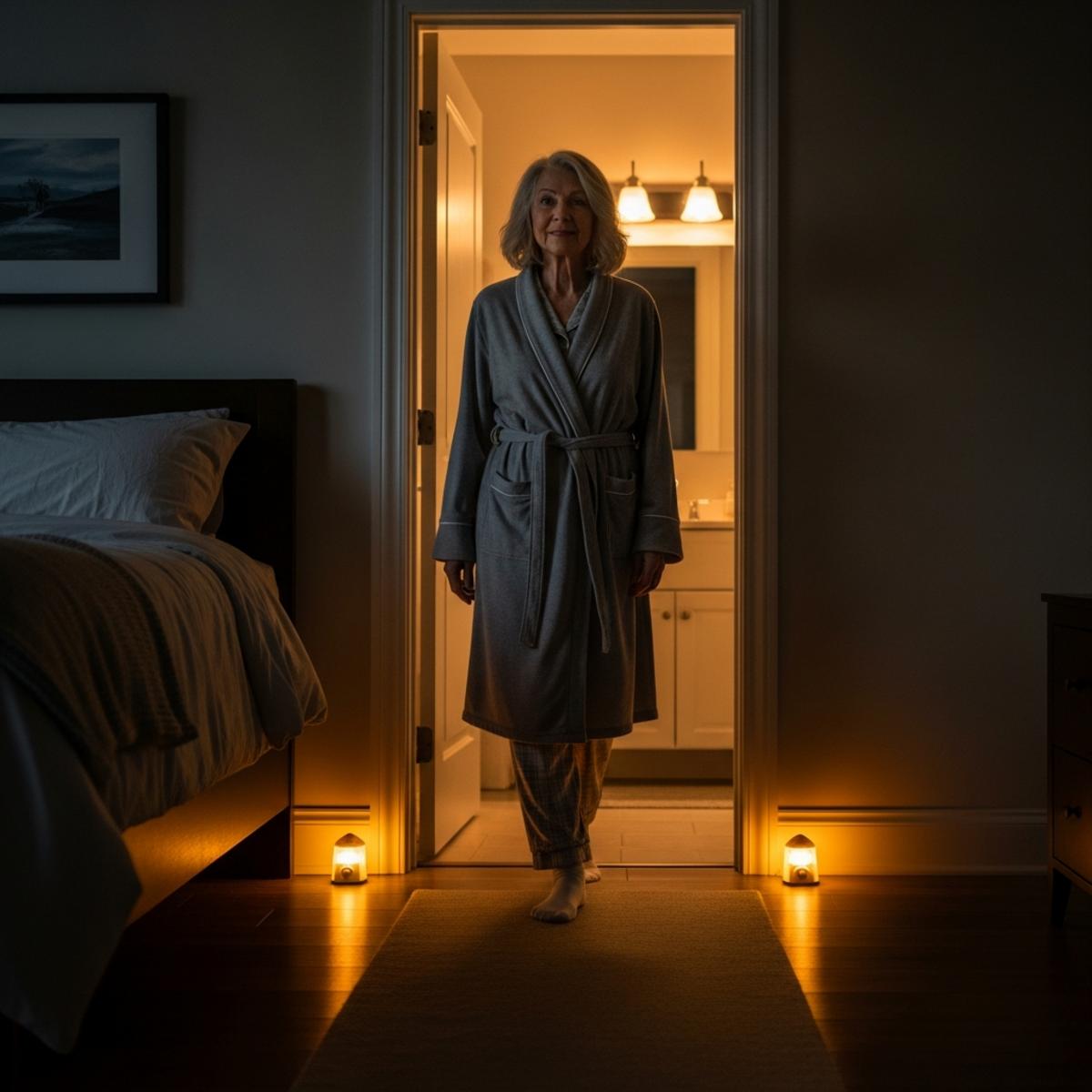
It’s 2 AM. The bedroom is dark, your body is stiff from sleep, and you need to get to the bathroom. You’ve made this trip hundreds of times — but tonight, that familiar path is the most dangerous place in your home.
Most people focus their fall-prevention efforts on the bathroom, the staircase, or the front porch. Almost nobody thinks about the bedroom at night. That’s exactly why this is where most falls actually happen.
Here’s the good news: four targeted, affordable changes can dramatically reduce your nighttime fall risk. The total investment is under $75, and most of these can be put in place today.

Why the Bedroom at Night Is the Real Fall Danger Zone
When you wake from deep sleep, your body isn’t ready to move safely — not right away.
Your muscles are stiff. Your blood pressure takes a moment to adjust as you shift from lying down to standing. Your balance system is temporarily lagging behind. And you’re navigating all of this in the dark, often in a hurry.
This combination — groggy, stiff, rushing, in the dark — creates the conditions for a fall that has nothing to do with frailty or declining ability. It’s simply physics working against anyone who hasn’t prepared their environment.
The window between midnight and early morning is when the majority of bedroom falls happen. What happens to a senior’s body and brain when their home isn’t safe explains clearly how small environmental friction points create outsized risks over time — and why the bedroom deserves as much attention as any other room.
Understanding this risk isn’t frightening. It’s empowering. Once you know when and why falls happen, you can prevent them with simple, targeted changes.
Here are the four changes that work together to address every element of the nighttime fall equation.
Change #1 — Light the Path Before Your Feet Hit the Floor
The single most effective thing you can do is eliminate darkness from the path between your bed and bathroom — before you ever stand up.
Turning on an overhead light sounds reasonable until you actually try it at 2 AM. It’s jarring. It wakes you up completely. And honestly, most people don’t bother.
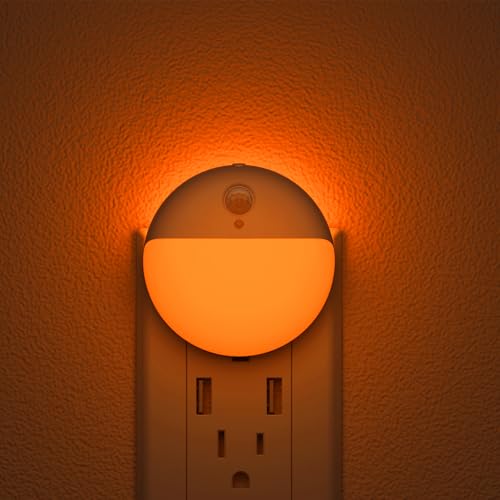
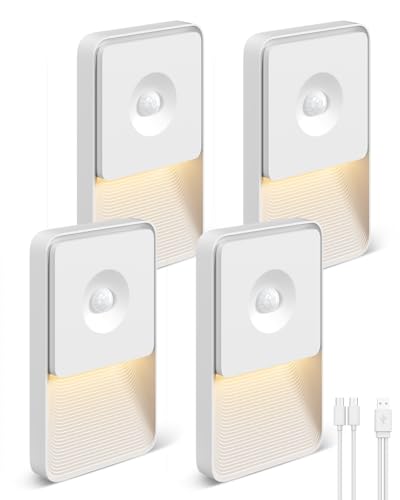
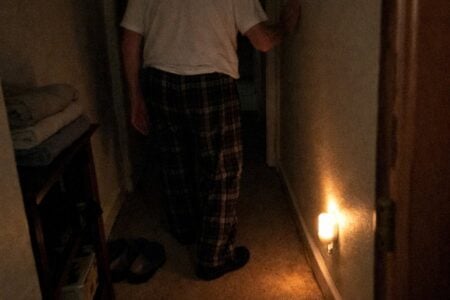
The solution is a plug-in motion-sensor night light — and the key is placement.


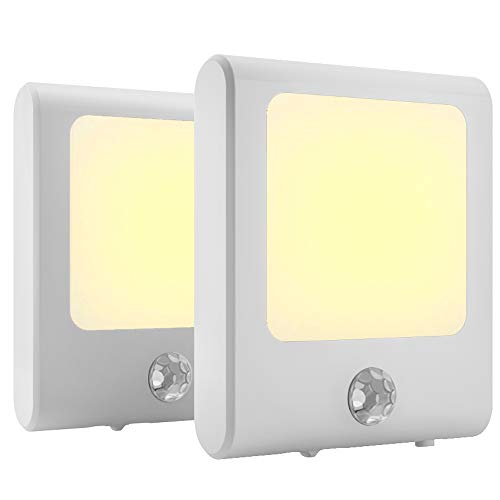


Where to Put Them
- Near the bed at floor level — so the path is lit the moment you shift in bed
- In the hallway or at the bathroom doorway — so the route stays illuminated all the way through
What to Look For
- Automatic activation (no switches to fumble with)
- Warm, dim light that doesn’t fully wake you
- Auto shut-off after use
- Simple plug-in installation — no tools, no electrical work
Quality options are widely available for $10–$15 each, often sold in multipacks. For under $20, you can light the entire path from bed to bathroom.
Waking up to soft light that has already illuminated your path before your feet touch the floor is a completely different experience than stepping blindly into the dark. This one change alone addresses one of the biggest contributors to nighttime falls.

Change #2 — Give Yourself Something Solid to Hold When You Rise

The moment of standing up from bed is one of the highest-risk moments of the night.
When you go from lying down to standing, your blood pressure needs a moment to catch up. Your balance system resets. If you stand too quickly on a soft surface in the dark, that brief adjustment window is exactly when a fall can happen.
Having something solid to grip during that transition changes everything.


Want more expert tips on making your home safer and staying independent longer? Subscribe to the Graying With Grace newsletter for trusted, practical advice delivered directly to you every week.
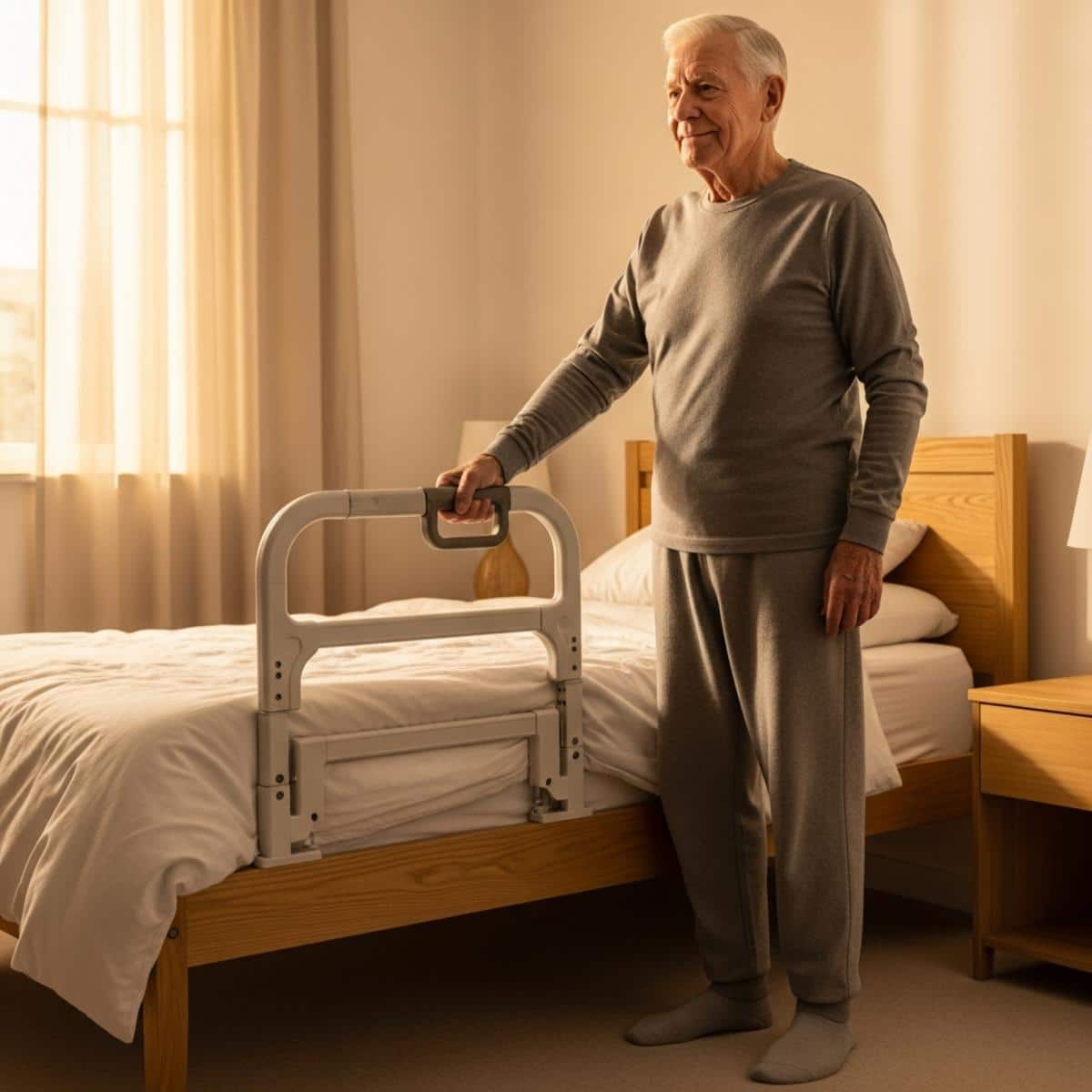
Bed Handles vs. Bed Rails — What’s the Difference?
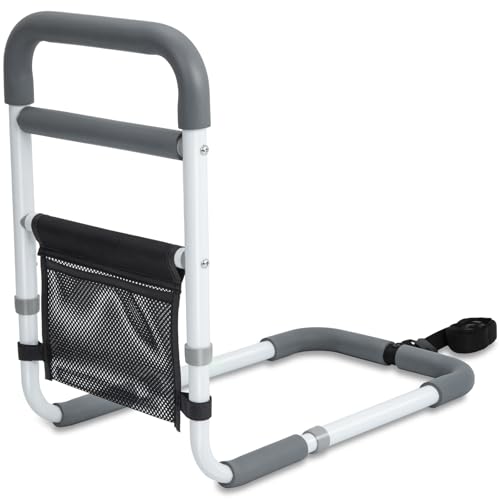
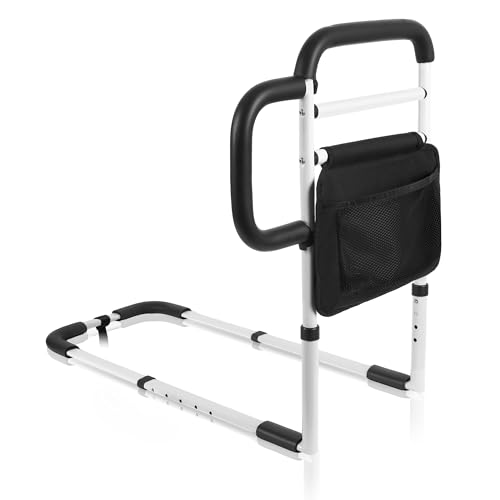
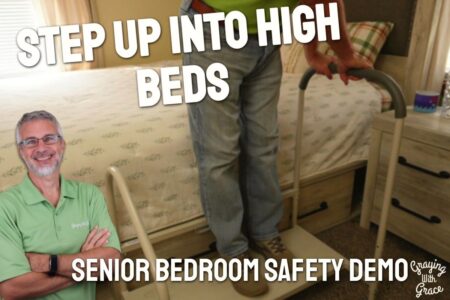
Bed handles (also called bed assist rails or grab handles) are specifically designed for the rising motion. They slide between the mattress and box spring or bed frame — no installation required — and provide a firm grip point right where you need it.
Bed rails offer a larger surface area and also help with repositioning in bed. Both are useful; the right choice depends on your specific needs.
What to Look For
- Solid, no-wobble construction
- Weight capacity appropriate for your body
- Tool-free installation
- Compatibility with your mattress type (foam mattresses may require specific models)
Quality bed handles typically run $25–$45. The first things to do after a senior falls is a resource worth bookmarking — but the better goal is preventing that fall from happening in the first place.
Using a bed handle is the same logic as using a handrail on a staircase. Smart people use the supports available to them.
Change #3 — Put Non-Slip Socks Where You’ll Actually Use Them

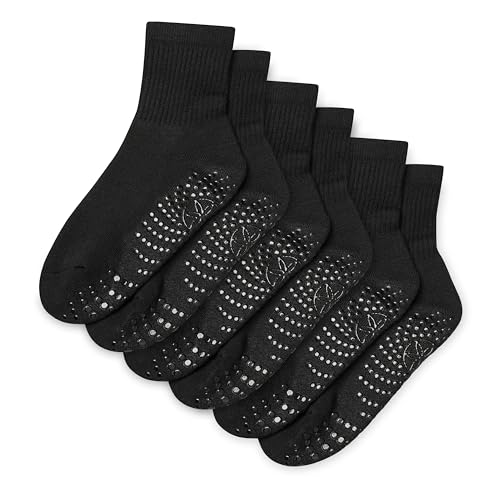
Non-slip socks are one of the most effective and affordable fall-prevention tools available. The problem isn’t that people don’t own them — it’s that they’re never within reach when needed at 2 AM.
Smooth floors and bare or socked feet create a dangerous sliding risk when stepping out of bed onto hardwood, tile, or laminate. This is especially true when you’re moving quickly in the dark.





The Behavioral Fix
Keep a pair of non-slip socks on the nightstand — not in a drawer, not in the closet — where they’re visible and within arm’s reach the moment you wake up.
This one small repositioning habit is the entire solution. The socks don’t work sitting in a drawer.
What to Look For
- Full-coverage grip on the entire sole (not just heel or toe)
- Comfortable fit that slips on easily without bending down awkwardly
- Washable, durable materials
- Multipacks for rotation and washing convenience
Non-slip grip socks are widely available and typically cost $10–$15 for a multipack. The cost is minimal. The habit shift — socks on the nightstand, not in the drawer — is everything.
Change #4 — Reorganize Your Nightstand So Everything Is Within Arm’s Reach
This change costs nothing. It takes thirty seconds each evening. It may be the highest-impact, zero-cost adjustment on this entire list.
Reaching, leaning, and stretching in the dark for items on your nightstand are underestimated fall risks. When you stretch beyond a comfortable reach on a soft mattress surface, your center of gravity shifts — and that’s when accidents happen.
The Arm’s-Reach Rule
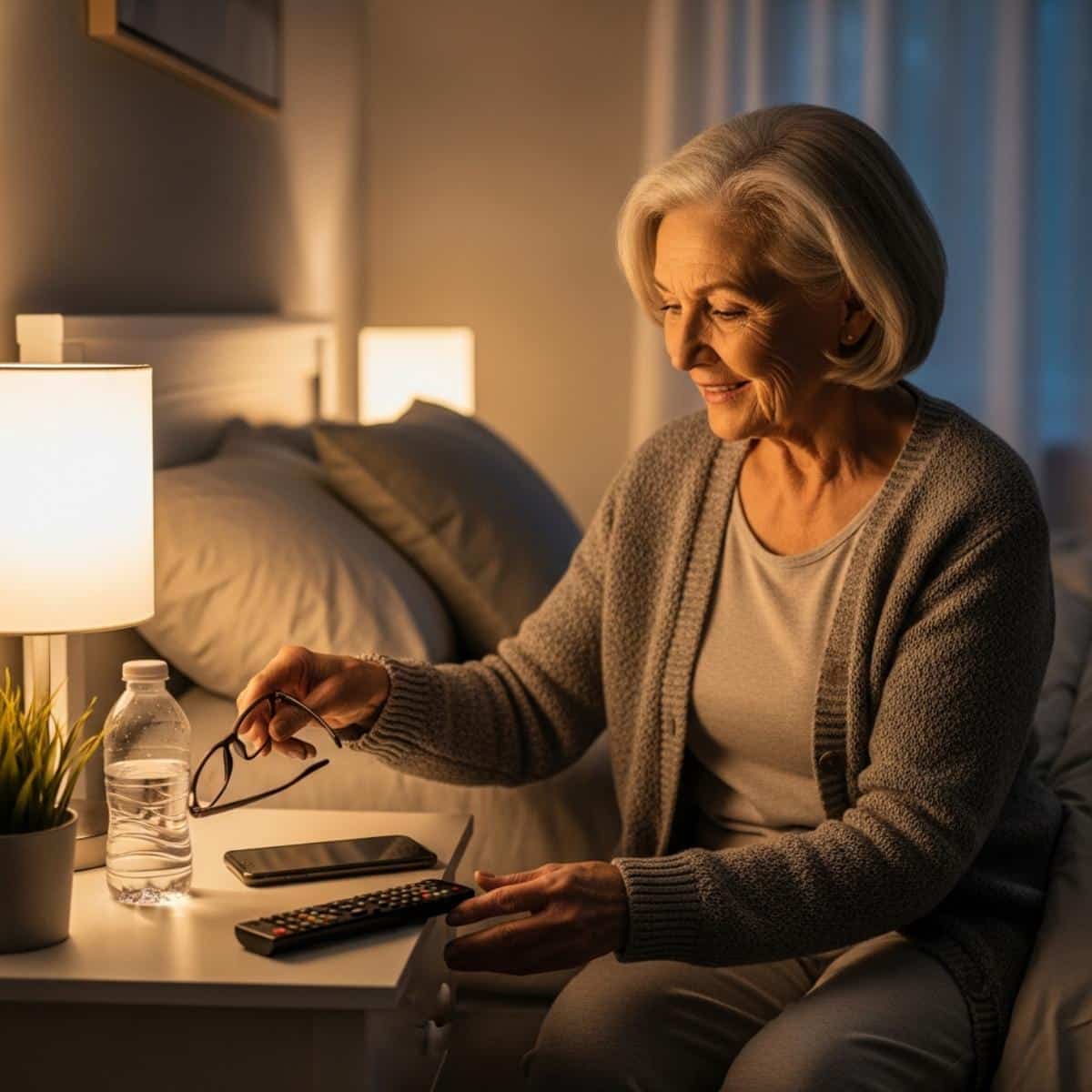
Every night before sleep, make sure these four items are within comfortable arm’s reach — no leaning required:
- Your phone — for communication and emergencies
- Your glasses — so you can see clearly before you stand
- A small water bottle — so you’re not tempted to get up for water before you’re fully awake
- Your TV remote — if nighttime TV is part of your routine
A Note for Caregivers
If you’re supporting a loved one with memory concerns or dementia-related nighttime wandering, a bed exit alarm placed at the bedside adds an important layer of protection. These devices alert caregivers the moment a loved one rises, during the highest-risk nighttime window. They typically run $20–$30 and require no professional installation.
For families navigating more complex care situations, what senior care centers actually do and the questions that reveal if one is worth it provides a clear-eyed look at when additional support becomes necessary.
The nightstand reorganization is a daily thirty-second habit. Build it into your bedtime routine the same way you’d set an alarm or brush your teeth.
Your Four-Change Nighttime Safety Plan (Under $75 Total)
Here’s the complete picture — four changes, one straightforward investment:
| Change | What You Need | Approximate Cost |
|---|---|---|
| Light the path | Plug-in motion-sensor night lights | $10–$20 |
| Support your rise | Bed handle or assist rail | $25–$45 |
| Non-slip footing | Grip socks on the nightstand | $10–$15 |
| Arm’s-reach nightstand | Reorganize what you already own | $0 |
Total investment: well under $75. Most of it can be in place today.
These four changes work together — not in isolation. Light eliminates darkness. The bed handle supports the transition from lying to standing. Grip socks protect the first steps on a slippery floor. An organized nightstand removes the reaching and leaning that can throw off balance before you’ve even fully woken up.
Understanding how an unsafe home affects a senior’s brain and body is the “why” behind every one of these changes. Each element addresses a specific, preventable risk.
For those who want to go further, a complete guide on what to do after a senior falls covers the immediate steps and the home modifications worth making in the 72 hours after an incident — including a fall-prevention checklist that overlaps significantly with what’s covered here.
And if you’re a caregiver supporting a parent or loved one from a distance, how family connection protects senior health is a meaningful reminder that staying in close contact is its own form of safety monitoring.
Take One Step Today
You don’t need to implement all four changes this afternoon.
Pick one. The easiest starting point for most people is the motion-sensor night light — order one tonight, plug it in when it arrives, and the single most common nighttime fall risk is already reduced.
Smart preparation isn’t about fear. It’s about freedom. It’s about staying in your home, on your terms, without unnecessary risk standing between you and the bathroom at 2 AM.
Which change are you starting with? Share in the comments below — your answer might be exactly what someone else needs to hear today.





![Older woman glow holder nighttime[1]](https://www.grayingwithgrace.com/wp-content/uploads/2026/02/older_woman_glow_holder_nighttime1-e1770642193342-450x300.jpg)


