
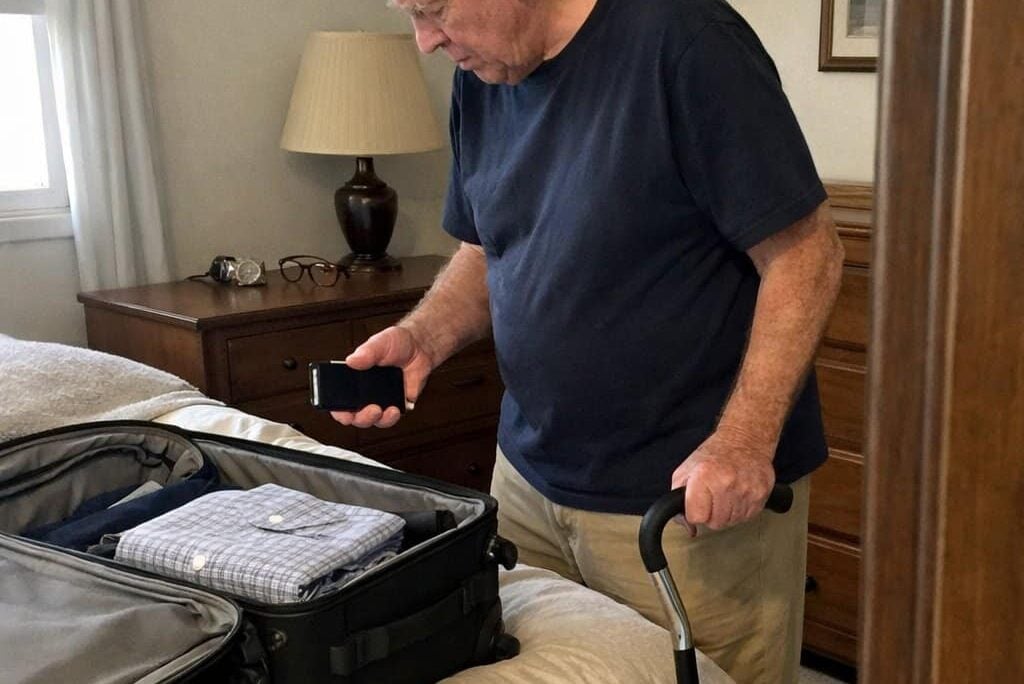
You’re packing the night before a flight. Everything is going smoothly until you pick up your power bank and hold it in your hand, genuinely unsure: does this go in the carry-on, the checked bag, or is it even allowed at all?
You know there are rules. You just don’t know exactly what they are — and you’d really rather not find out at the security checkpoint.
Here’s the thing: TSA and FAA battery rules are genuinely confusing. They’re scattered across multiple agency websites, written in regulatory language, and inconsistently explained in most travel guides. This isn’t a gap unique to any one traveler. Even frequent flyers get this wrong.
This article gives you one clear reference that covers everything that must go in the carry-on — batteries, medications, and a few other essentials — so packing the night before a trip feels confident rather than uncertain. Let’s start with the rule that surprises most travelers and anchors everything else.

Flight Packing Checklist for Batteries and Medications
Download this free flight packing checklist and pack your medications and batteries with complete confidence—no more worrying about TSA rules, security delays, or losing your essential items to a checked bag.
The One Airline Rule Most Travelers Get Backwards
Lithium Batteries Are Banned From Checked Bags
This is not a preference or a soft suggestion. It is an FAA safety requirement: lithium batteries — including the power bank in your bag — are prohibited in checked luggage. They must fly with you in the cabin.
The reason is straightforward. Lithium batteries carry a risk of thermal runaway — a rapid, self-sustaining heat buildup that can lead to fire. In a checked bag in the cargo hold, crew members can’t access the bag or respond to a problem. In the cabin, they can.
What the Rule Covers
The prohibition applies to:
- Portable power banks
- Spare phone or camera batteries
- Spare laptop batteries not installed in the device
- Any loose or external lithium cell
Devices with batteries already installed — your phone in your pocket, your laptop in your bag — are allowed in either checked or carry-on luggage. It’s the loose, external batteries that must stay with you in the cabin.
Why This Catches Travelers Off Guard
The instinct makes sense: pack the heavier or bulkier items in checked baggage to save carry-on space. For most things, that logic works. For lithium batteries, it runs exactly backwards.
Packing your power bank in your carry-on isn’t just the rule — it’s actually better for you. It’s accessible during the flight exactly when you need it. The carry-on is the only legal home for that battery, and it’s also the most useful one.
The rule to remember: If it has a lithium battery and it’s not installed in a device, it flies with you in the cabin.

How to Know If Your Power Bank Is TSA-Compliant Before You Get to the Airport


Watt-Hours, Not Milliamp-Hours, Is the Number That Matters
Not all power banks are treated equally. The FAA uses watt-hours (Wh) as the compliance benchmark — not the mAh rating printed on most consumer packaging. Most travelers have no idea how to read that number or where to find it, which is exactly why the rules feel murky.
Here’s the number that matters for a portable power bank flight:
- Under 100Wh: Allowed without airline approval. Bring as many as you reasonably need.
- 100Wh to 160Wh: Allowed with airline approval. Contact your carrier before you fly.
- Above 160Wh: Prohibited on passenger aircraft, full stop.
How to Find the Watt-Hour Rating
Look for “Wh” printed directly on the battery label. Some manufacturers list it clearly; others don’t include it at all and only show mAh and voltage.
If your battery only shows mAh and voltage, you can calculate the watt-hour rating yourself in under a minute:
(mAh ÷ 1,000) × Voltage = Wh
For example, a 20,000mAh battery at 3.7V works out to 74Wh — well under the 100Wh threshold, no approval needed.
Why 77Wh Is the Detail That Makes Compliance Concrete
A power bank rated at 77Wh sits comfortably under the 100Wh limit with no airline approval required, no gray area, and no conversation to have at security. When you’re evaluating any power bank for travel, 77Wh is the kind of specific, labeled rating that tells you immediately you’re in the clear.
A compact travel power bank with a clearly labeled 77Wh rating does exactly what most packing guides skip over: it makes the compliance number checkable rather than abstract. Look for that figure printed on the label before you pack it.


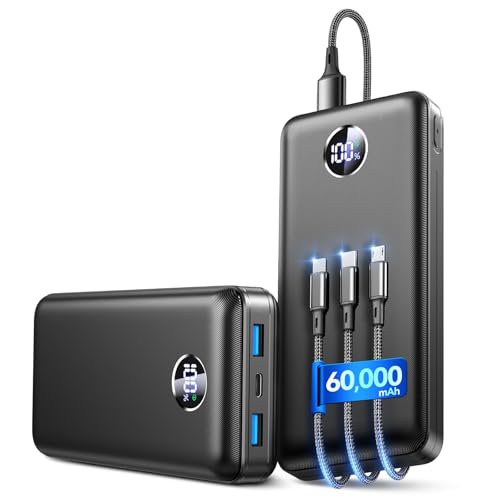


Action step: Pull out your current power bank and find the Wh rating on the label. If it only shows mAh and voltage, use the formula above. You’ll know within 60 seconds whether you’re under the limit — and you’ll never have to guess at the airport again.
Why Your Power Bank Belongs in the Seat Pocket, Not the Overhead Bin
On-Plane Storage Is About Access, Not Bureaucracy
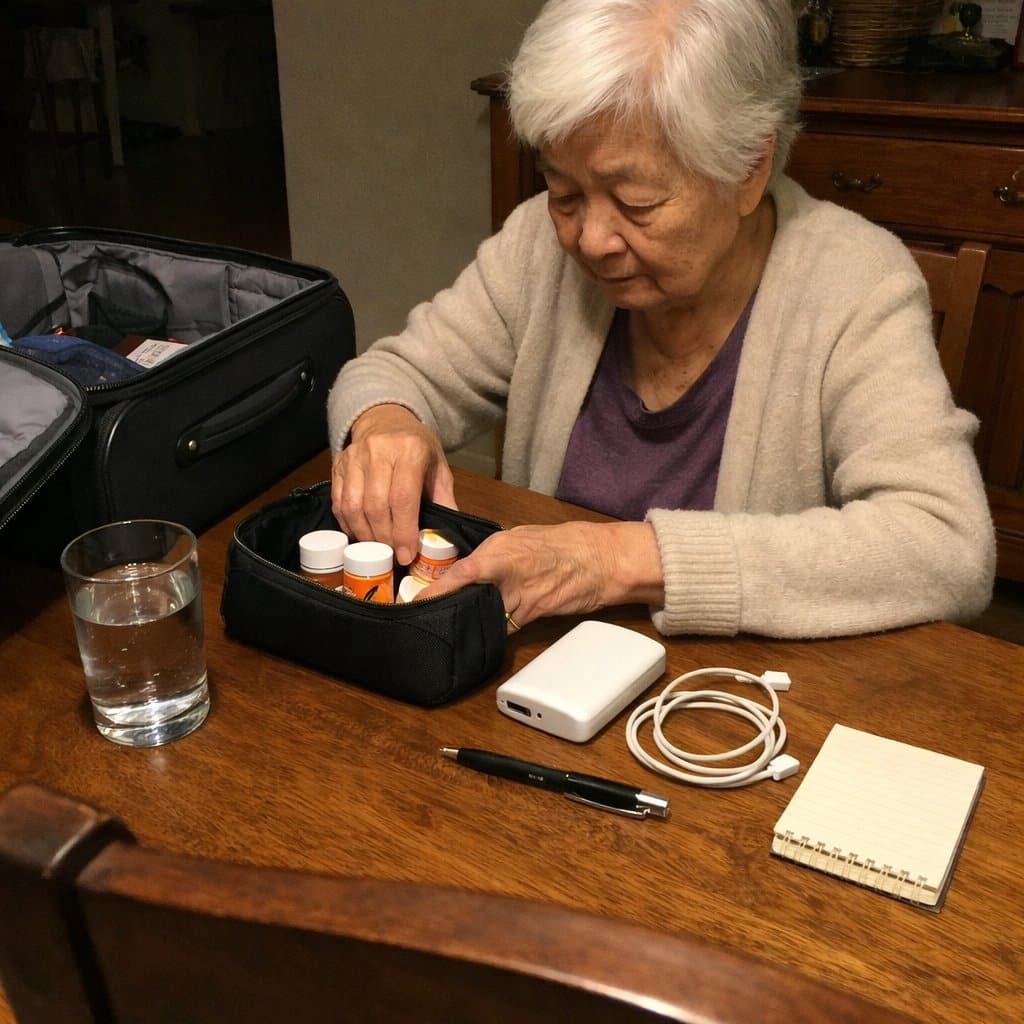
Once you’re on the plane, most airlines recommend keeping your power bank accessible — in the seat pocket or under the seat in front of you — rather than stowed in the overhead bin. The reason is the same logic that applies to fire extinguishers: if something needs attention fast, you want it within reach.
If a battery begins to overheat, crew members need to be able to reach it quickly. Getting to an overhead bin in an emergency is slower and harder than reaching under a seat. That’s the entire reasoning — and once you understand it, storing the battery under the seat feels like common sense rather than a rule someone invented.
It’s Also Just More Convenient
Keeping your power bank in your personal item or seat pocket means it’s accessible throughout the flight without overhead bin trips. You can charge your phone, your tablet, or your e-reader mid-flight without disturbing anyone.
A few practical notes for in-flight charging:
- Don’t charge a device and leave it completely unattended
- Keep your charging cable accessible rather than buried at the bottom of your bag
- On longer flights when charging ports are scarce, a power bank is genuinely one of the most useful things in your carry-on
I always tuck my power bank into my personal item under the seat rather than the overhead bag — not because a flight attendant reminded me to, but because I understand why the guidance exists. It also just makes the battery easier to use.
Subscribe to our newsletter for more tips on traveling confidently and staying connected at every age: Join here
Medications on a Flight: What Belongs in Your Carry-On and What You’ll Want on Hand



Medications and Batteries Follow the Same Core Logic
Anything you genuinely need access to — or can’t afford to lose — does not go in checked baggage. That applies to lithium batteries, and it applies equally to prescription medications. Checked luggage gets delayed, misrouted, and occasionally lost. Your medications cannot go with it.
Keep your medications in the carry-on. Every time. That’s the rule that matters most, and everything else is detail.
What TSA Actually Allows at Security
TSA accommodates travelers with prescription medications — the process is more straightforward than most people expect:
- Medically necessary liquids (including liquid medications and insulin) are allowed in quantities exceeding the standard 3.4oz limit. Declare them separately at the security checkpoint.
- Medications should stay in their original labeled containers when possible. A printed prescription or pharmacist label helps if a TSA officer has questions.
- For controlled substances, carrying a copy of the prescription is good practice even when not technically required for domestic travel.
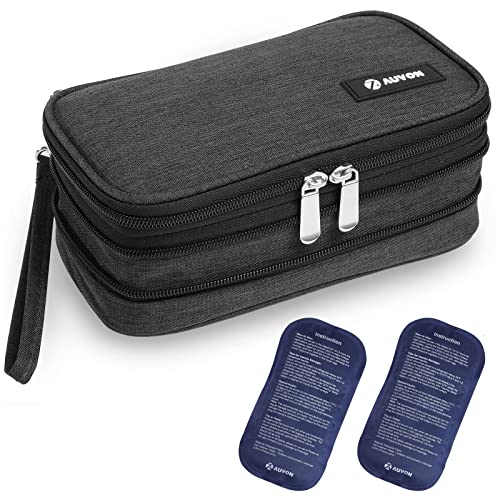
- Temperature-sensitive medications — insulin, certain biologics — can travel with insulated cases or ice packs. Declare these at security and TSA will accommodate them.
Keeping Medications Organized in the Carry-On
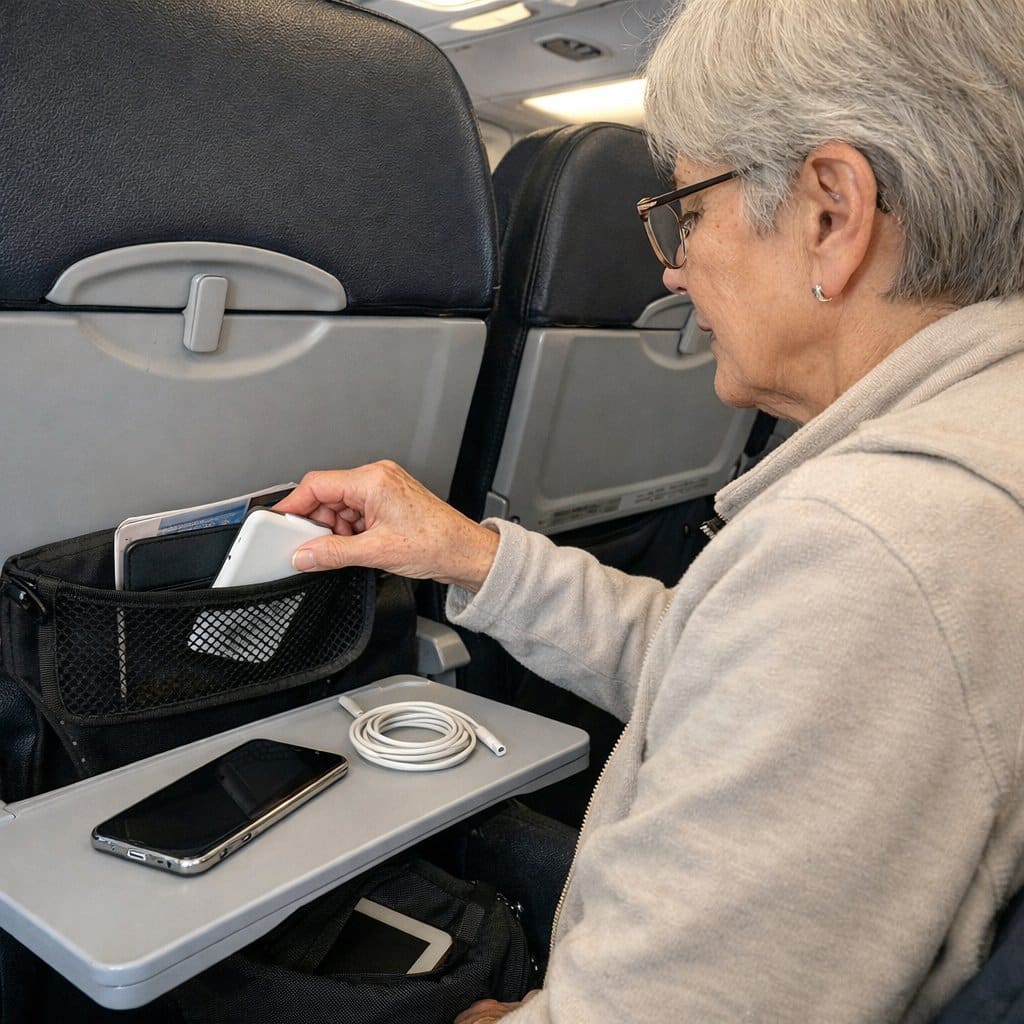
If you take multiple daily prescriptions, digging through a carry-on bag mid-flight to find the right medication is genuinely frustrating. A compact travel pill organizer keeps daily medications sorted by day, labeled, and easy to locate in seconds — no rummaging required.


Action step: Before your next flight, make a simple three-part medications checklist: what you need access to mid-flight, what requires temperature management, and what documentation to carry. Set it up once, save it to your phone, and it travels with you on every trip after that.
For more on planning travel around specific health needs, that guide covers accessible destination planning in detail.
Your Flight Packing Checklist: What Always Goes in the Carry-On



One Mental Category, Automatic Decisions
Power banks and medications aren’t the only items that belong in the carry-on. Once you apply the same underlying logic to everything — anything with a lithium battery, anything you need access to, anything you can’t replace if a bag is lost — the packing decisions stop feeling uncertain.
Here’s the complete carry-on list organized by category:
Batteries and Electronics
- Portable power banks (required by FAA — not optional)
- Spare camera batteries, spare phone batteries
- Spare hearing aid batteries in quantity (installed batteries in the device are fine anywhere)
- Laptop, tablet, phone, and e-reader (built-in batteries installed — allowed anywhere, but most useful in the cabin)
Medical Supplies and Medications
- All prescription medications, including controlled substances
- Medical devices with batteries (CPAP machines, portable nebulizers)
- Insulin and temperature-sensitive medications with cooling supplies
- Any assistive medical equipment you need during the flight
Documents and Valuables
- Passport and travel documents
- Jewelry and irreplaceable personal items
- Anything you would need within the first 24 hours if your checked bag were delayed
If you travel with a fitness tracker or medical alert watch, those stay with you in the cabin as well — both for convenience and because they contain lithium batteries.
Staying Organized at Security and During the Flight
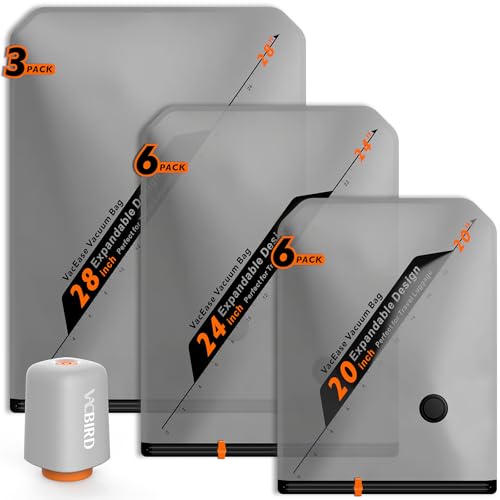
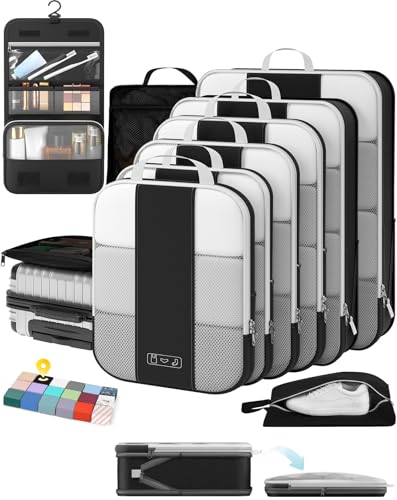
The moment TSA asks you to remove electronics from your bag is not the moment you want to discover your laptop is buried under three layers of clothing. Packing cubes designed for carry-on use keep electronics and cables in a dedicated, accessible layer — you can pull the electronics cube out at security in one motion and drop it back in just as quickly.




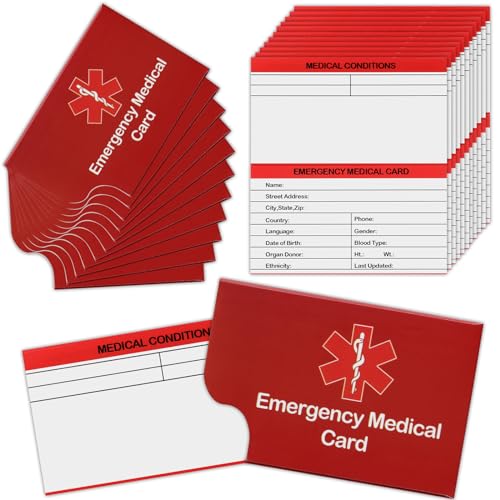
For travelers who take multiple prescriptions, a medical ID wallet card that lists medications, dosages, and emergency contacts in one place is worth adding to the carry-on as well. It’s a compact reference that’s useful at security, at a pharmacy abroad, or in any situation where you need to communicate your medications quickly.




For more practical travel organization ideas, this guide on choosing carry-on luggage for seniors covers what features to look for when the bag itself matters as much as what goes in it.
If you travel with a parent or loved one and want to think through technology for staying connected along the way, this overview of the best smartphones for seniors is a practical starting point.
Action step: Start a standing carry-on packing list on your phone — not a one-time document, but a living list you update after each trip. Add anything you wished you’d had in the cabin, remove anything you never touched. A five-minute setup after each trip prevents a 30-minute scramble the night before the next one.
Flight Packing Checklist for Batteries and Medications
Download this free flight packing checklist and pack your medications and batteries with complete confidence—no more worrying about TSA rules, security delays, or losing your essential items to a checked bag.
Pack Once, Board With Confidence
The core principle behind every decision in this article is the same: anything with a lithium battery and anything you genuinely need stays in the carry-on. The rules aren’t arbitrary — they exist for safety reasons that make complete sense once explained, and following them is straightforward once you know the specific numbers.
You don’t need to memorize a regulatory document. You need three numbers and one rule:
- 77Wh — a clearly compliant power bank rating with no questions at security
- 100Wh — the limit below which no airline approval is needed
- 160Wh — the absolute ceiling, above which the battery cannot fly
- The rule: batteries fly with you in the cabin
With those four things, you can evaluate any power bank you own or consider buying, walk through security without second-guessing your bag, and board knowing your phone will still have a charge when you land.
Take one minute this week — not the night before your next trip — and check your current power bank’s label. Find the Wh rating, or calculate it from the mAh and voltage if that’s all that’s printed. Then you’ll know exactly where you stand before you ever need to know.
What did you find when you checked your power bank? Or do you have a question that came up while reading? Drop it in the comments — your question is probably one someone else is sitting with too.
If you’re planning travel and want to think through the full picture, this guide on air travel tips for senior citizens covers everything from security lines to requesting assistance, and this overview of safety tips for seniors traveling alone is worth a read before any solo trip.

![Older woman wheelchair riverside walkway[3]](https://www.grayingwithgrace.com/wp-content/uploads/2026/06/older_woman_wheelchair_riverside_walkway3-e1780477605210-450x300.jpg)



![Senior couple slow dance living room[1]](https://www.grayingwithgrace.com/wp-content/uploads/2025/12/senior_couple_slow_dance_living_room1-e1767117766207-450x300.jpg)


