Most families shop power stations by price or brand. One number matters more: watt-hours.
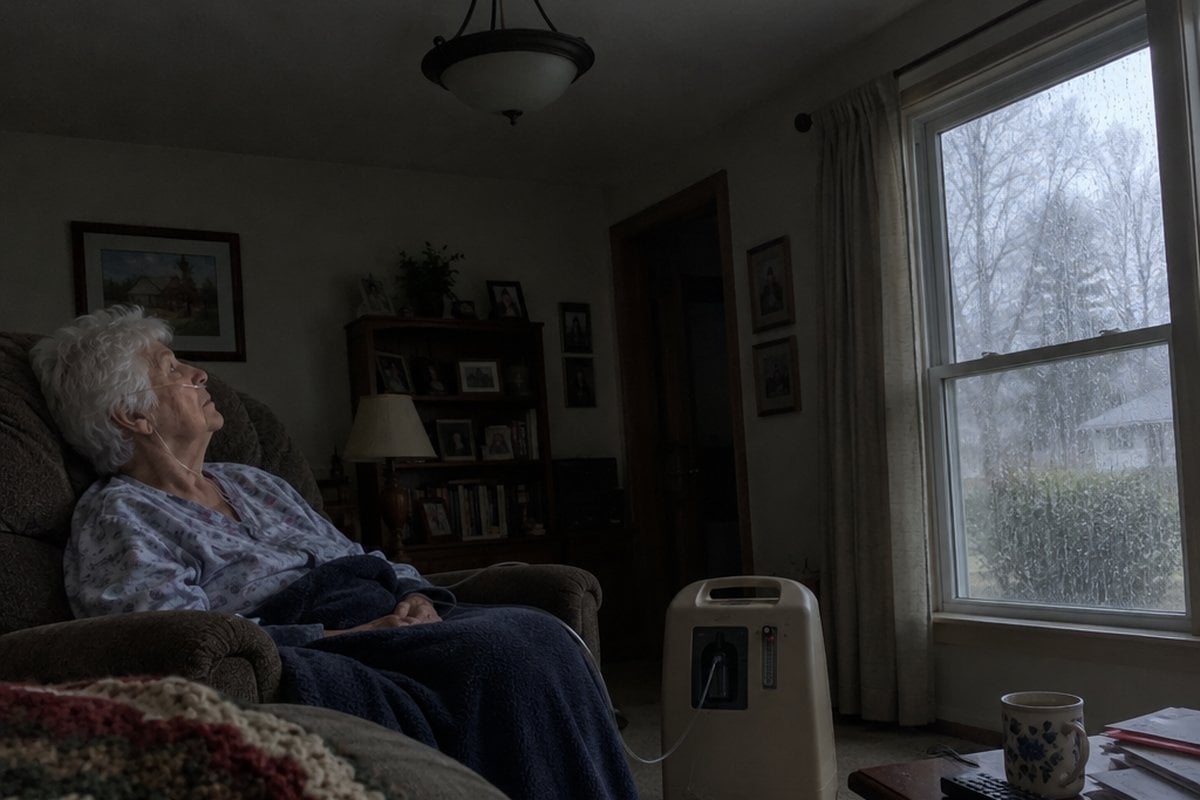
A station that runs a laptop all night may be drained within the hour by an oxygen concentrator. This guide shows you how to find your number, and which of two types of portable power stations for medical equipment fits your home.
Medical Backup Power Buying Checklist
Download this practical checklist and never buy the wrong backup power system again—compare any power station or CPAP battery against your actual device needs in minutes, without confusion or guesswork.
What to Look For
Here are the checks that rule options in or out when choosing portable power stations for medical equipment. Every figure below is an example. Use the label on your own device.
- Watts vs. watt-hours: Watts is how fast a device draws power. Watt-hours is how much energy the battery stores. Runtime in hours is roughly watt-hours divided by watts.
- Where to find your wattage: Look at the label on the back or bottom of the device, the manual, or the power adapter. Look for "W," or multiply volts by amps.
- A worked example (illustration only): A device drawing 50 watts for 8 hours needs about 400 watt-hours. Inverters lose some energy, so add a 20 to 30 percent buffer. That brings the need to roughly 480 to 520 watt-hours.
- Oxygen vs. CPAP: Home oxygen concentrators commonly draw in the range of a couple hundred watts. Many CPAPs draw a small fraction of that, and a heated humidifier raises it noticeably. Ask your supplier for your concentrator's exact draw.
- Pure sine wave output: This is the safer match for sensitive medical electronics. Look for those exact words on the spec sheet.
- Continuous vs. surge rating: The station's continuous watt rating must exceed your device's running watts, with headroom for startup surge.
- Weight: Full-size stations commonly run from roughly 10 to 40-plus pounds. Ask who will lift it and how often, then check the listed weight.
- Recharge time and pass-through: Check how long a wall outlet takes to refill it, and whether it can charge while powering a device. A switchover delay can matter for a continuous-use device, so check that spec too.
- Safety and storage: Keep it in a dry, ventilated space away from heat and oxygen leaks. Never run a generator or fuel-burning source indoors.
Medicare and insurance rules for backup batteries vary, so ask your supplier or plan rather than assume. Please also confirm your backup plan with your medical equipment supplier before relying on any battery for a life-sustaining device.
Ready to discover more innovative strategies for healthy, comfortable aging? Subscribe to our newsletter for expert-tested tips and product recommendations designed specifically for older adults.
Portable Power Stations
These full-size rechargeable batteries keep stationary home equipment like oxygen concentrators, powered beds and CPAPs running through an outage. They solve the need for flexible, higher-capacity backup power sized in watt-hours.


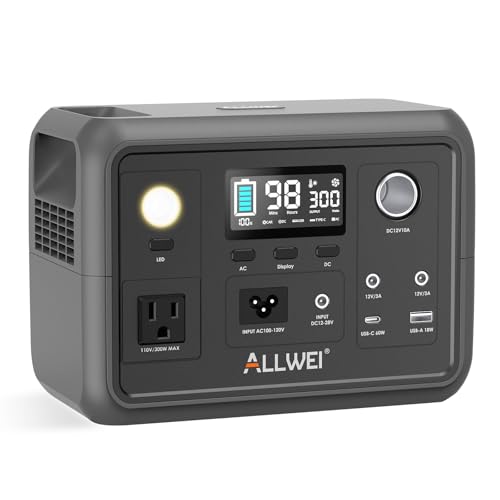

A portable power station is a rechargeable battery with built-in AC outlets and an inverter, sized in watt-hours. It suits stationary equipment in one place: a home oxygen concentrator, a powered adjustable bed, or a CPAP used at home. One unit can cover more than one device, as long as the total watts stay under its continuous rating.
Capacity has to match the load. Picture a station rated at 300 watt-hours (an example). It could run a 50-watt load for several hours, but a 200-watt concentrator for only about an hour. That is the laptop-versus-concentrator gap from the top.
It is the wrong choice for travel or carrying around the house, because weight is the problem. A unit too heavy to lift will not get used. It is also overkill if CPAP is your only concern.
Powered beds only need power briefly to change position. The real concern is leaving the bed in a safe, flat or preferred position when power fails. Check your bed manual for a manual lowering option or built-in battery backup. A hands-free light like this motion-sensor headlamp also helps in a dark bedroom during an outage.
Oxygen users: a concentrator should always have a non-powered backup, such as portable oxygen cylinders from your supplier. That is a conversation for your supplier, not a reason to skip the backup.
Jackery Explorer 1000 v2
This one lists 1,070 watt-hours and 1,500 watts of output. It suits a household that wants a concentrator or a bed plus a few small devices on one unit.
Using the example formula, a 200-watt concentrator might get roughly five hours before buffer, so it may not cover a full night. Confirm pure sine wave on the spec sheet and check the listed weight.
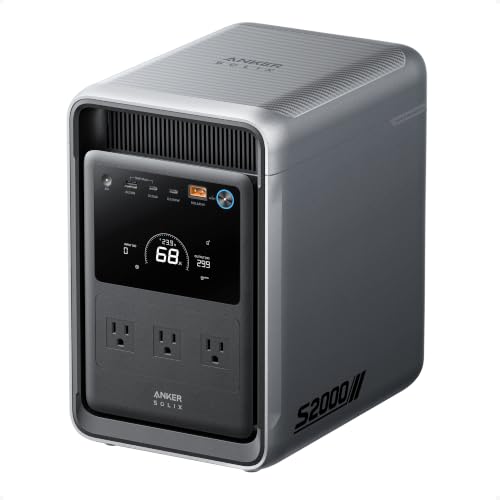
Anker SOLIX S2000
At 2,010 watt-hours and 1,500 watts, this is the large-capacity choice. It suits someone who needs a full night for a higher-draw device, with room for a bed or CPAP too.
The catch is size. More capacity usually means more weight, so check the listed weight and decide where it will sit permanently.
BLUETTI Elite 30 V2
This is a smaller, 288 watt-hour station with 600 watts of output. It suits a CPAP, a powered bed, or phone charging in a home where weight matters.
It is too small for an oxygen concentrator overnight. Check the spec sheet for pure sine wave and recharge time.
CPAP and Medical Battery Backups
These lighter, purpose-built batteries are sized for a CPAP’s overnight run at home or on the road. They solve the need for simple, portable backup power without a heavy power station.


This is a purpose-built battery sized for CPAP machines, designed for one overnight run. It is usually much lighter than a full-size station. That makes it a good fit for outages at home, travel, camping, and small nightstands or closets.
It is the wrong choice if you need to power an oxygen concentrator, a powered bed, or several devices. It is also not built for multi-day outages. For those, a plan for emergency backup care matters more than any single battery.
Here is how to choose a CPAP battery backup:
- Match your model: Check the manufacturer's compatible-battery list and the cable type (DC vs. AC). Confirm compatibility with your CPAP maker or supplier.
- Consider the humidifier: Heat raises draw sharply. Ask your supplier or prescriber whether turning the heated humidifier off during an outage is fine for your therapy.
- Check airline rules: Lithium battery rules vary. Look at the battery's watt-hour rating and your airline's policy, and this packing guide explains the carry-on basics.
EASYLONGER ES960
At 297.6 watt-hours, this is the larger option here. It suits a CPAP user who wants the best chance of a full night, even with some extra load.
The limit is CPAP-class loads only. Check that your machine and humidifier are supported before buying.
Battery Power Solutions Freedom CPAP Battery
This 160 watt-hour battery sits in the middle. It suits someone who wants lighter weight for travel and a night without the humidifier.
Capacity is lower, so runtime will drop quickly if heat is running. Check the connector for your specific machine.
Medistrom Pilot-24 Lite
This is the smallest here, at 95 watt-hours, and it ships with an S9 cable for 24V machines. It suits someone with that machine who wants the lightest carry.
It is the least compatible: other CPAP models may not work. Its short runtime also makes the humidifier a real concern, so do the watt-hour math first.
Subscribe to our newsletter for more tips: Join here
Frequently Asked Questions
How do I calculate the watt-hours I need for an oxygen concentrator overnight? Multiply the label's watts by the hours you need, then add 20 to 30 percent. Ask your supplier for the exact draw.
Does a power station need a pure sine wave inverter for medical equipment? Pure sine wave is the safer match for sensitive medical electronics. Look for those words on the spec sheet.
Will Medicare cover a backup battery for oxygen or CPAP? Coverage varies. Ask your supplier or plan directly.
Can I use one power station for my CPAP and my powered bed? Often yes, if their combined watts stay under the station's continuous rating. Add up the labels first.
Hacks and Advice
- Write down your watt number today: Find the label and tape the number inside a cabinet door or on the cord.
- Charge before the storm: Top off the battery when a storm watch is announced, not when the lights go out. A charged power bank keeps your phone ready for calls.
- Check the charge monthly: Set a recurring reminder, because batteries slowly lose charge in storage.
- Call your supplier before you shop: Ask what backup they recommend, how long a cylinder lasts, and about a priority-restoration form. Register with your utility as a medical-needs customer too.
- Keep a printed plan near the device: List supplier numbers, steps to switch power, and who to call. A wallet medical ID card and a wireless call button that needs no WiFi round it out.
Once a year: Run the device on battery for a short, supervised check while someone else is home and your supplier's backup is within reach. You are checking that the cables and battery still work.
Medical Backup Power Buying Checklist
Download this practical checklist and never buy the wrong backup power system again—compare any power station or CPAP battery against your actual device needs in minutes, without confusion or guesswork.
Your First Step Takes Five Minutes
The number that matters is watt-hours. A power station suits stationary equipment at home, and a CPAP battery suits a lighter, one-night need. With portable power stations for medical equipment, a plan beats a scramble.
Start tonight. Pull out your primary medical device, find the watt rating on the label or in the manual, and write it down. That single number is all you need to start comparing accurately.
When you are ready for the next step, ask about my Home Safety and Independent Living Assessment.
Which device are you planning around? Share it in the comments, and send this to a family member who would want a plan too.