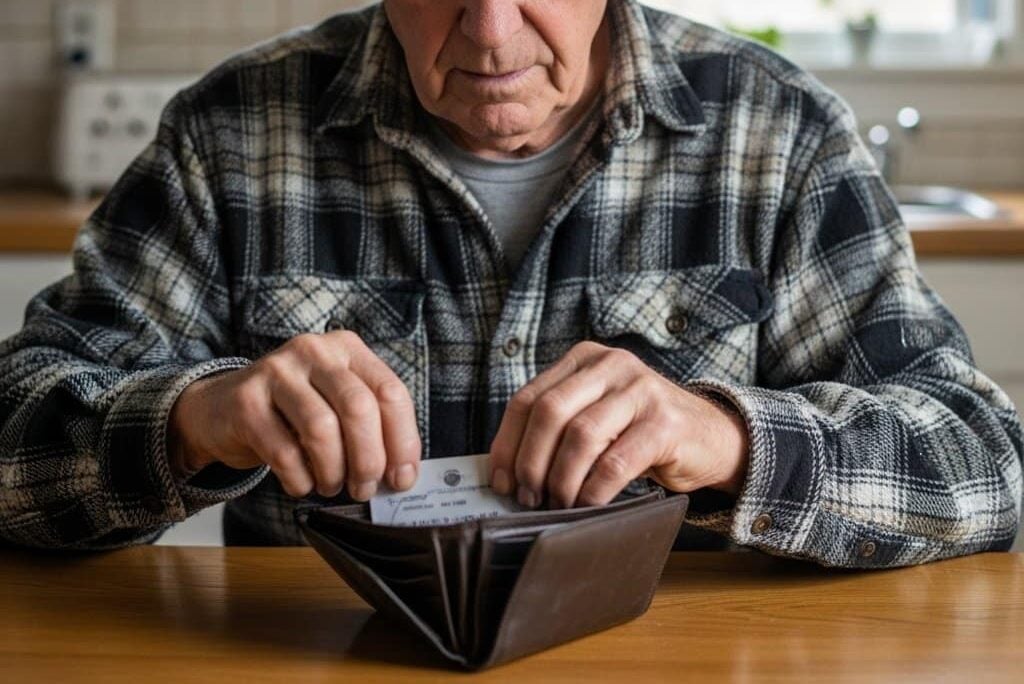
Imagine a first responder arriving at a parking lot where an older woman has been found disoriented and confused. She can’t recall her doctor’s name. She’s not sure what medications she takes. No one nearby knows who to call.
Those first few minutes — while responders scramble for information — are the ones that matter most. And for a lot of families, this scenario isn’t hypothetical. It’s the quiet worry that lives in the back of every adult child’s mind.
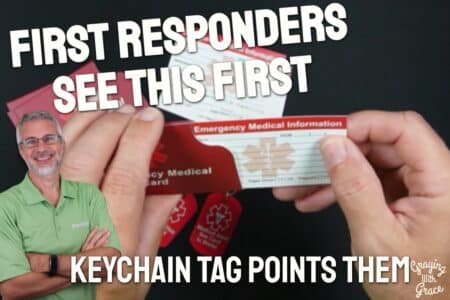
If you’d like to see what responders look for, I put together emergency medical information for seniors so it’s easy to find when you can’t speak for yourself.
Here’s the good news: there’s one small, inexpensive step that can change everything in those first critical minutes. It fits right in a wallet. And you can set it up today.
That step is an emergency medical ID wallet card — and it may be the most thoughtful, practical gift you ever give your parent.

The Senior Emergency Wallet Card Checklist: Everything Your Parent Needs in One Place
Create a wallet-sized emergency medical card with all your parent’s critical health information in under an hour—so first responders have exactly what they need to provide the right care, fast.
Why the First Few Minutes of a Medical Emergency Matter Most
When a senior is unresponsive, disoriented, or unable to communicate clearly, emergency responders have to make fast decisions — often with very little information.
They’re looking for answers to urgent questions: What medications is this person on? Do they have known allergies? Do they have a heart condition, diabetes, or dementia? Who do we call right now?
The Information Gap Can Cost Precious Time
Without clear answers, responders have to delay treatment while they track down records or wait for someone to arrive on scene. For seniors managing multiple prescriptions or complex health conditions, that gap can have real consequences.
Seniors with memory loss or dementia are especially vulnerable. They may appear calm and coherent while being completely unable to accurately report what they take or who their doctor is. That disconnect is more common than most families realize — and it’s exactly where a wallet card closes the gap.
The Wallet Is the First Place Responders Look
Here’s something worth knowing: trained emergency personnel are taught to check a patient’s wallet for identification and medical information. It’s often the very first step.
That means a well-prepared wallet card doesn’t require any technology, any app, or any special training. It just needs to exist — and be up to date.
You don’t have to build a complicated system. You just have to make sure the right information is in the right place.

What to Put on an Emergency Wallet Card for Your Parent

The best emergency cards aren’t paragraphs of text. They’re clean, scannable, and organized so that someone under pressure can read them in seconds.
Here’s what belongs on a complete emergency medical ID card for seniors:
Essential Information Checklist
- Full legal name and date of birth
- Primary emergency contact — name and phone number
- Backup emergency contact — a second person in case the first is unreachable
- Current medications with dosages — especially blood thinners, insulin, heart medications, and seizure medications
- Known allergies — drug allergies in particular should be prominently listed
- Key diagnoses relevant to emergency care (diabetes, heart condition, dementia, COPD)
- Primary care physician — name and direct phone number
- Blood type (if known)
- Advance directive or DNR status — or a note indicating where that document is located
Format Matters as Much as Content
Avoid dense blocks of text. Use clear labels and short entries. A card that takes 30 seconds to read is far more useful than one that requires interpretation.
Pre-formatted emergency medical ID wallet cards for seniors take the guesswork out of layout — with designated fields for medications, contacts, and conditions already built in, so nothing important gets left off.


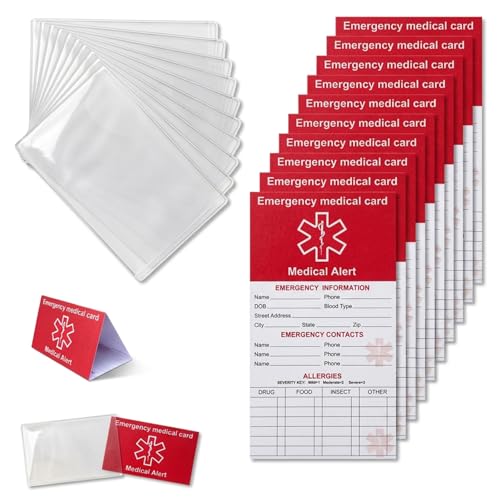
Many families choose personalized medical ID wallet cards as a thoughtful, practical gift — slim enough to fit in any wallet without adding bulk.
This isn’t paperwork. It’s a gift of peace of mind — for your parent and for yourself.
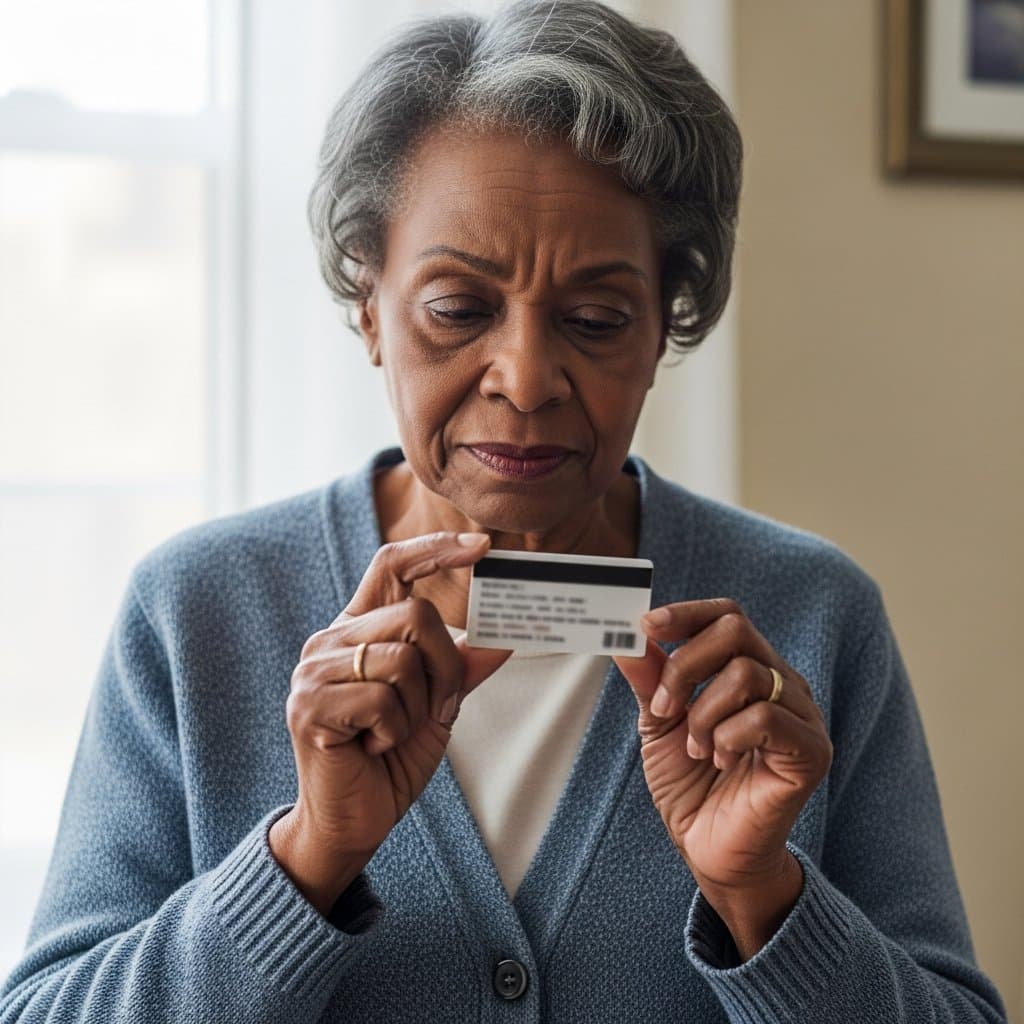
Memory Loss, Dementia, and Why a Wallet Card Becomes Even More Essential
For seniors with cognitive decline, the wallet card doesn’t just supplement their memory. In an emergency, it can replace critical information they can no longer reliably share themselves.
When “Looks Fine” Isn’t the Whole Picture
A senior with early-stage dementia may be found wandering and appear relatively calm and communicative. But when asked what medications they take or who their doctor is, they may give inaccurate or incomplete answers — and not realize they’re doing so.
This is one of the most important things I’ve learned from working with families over the years: a senior’s ability to appear okay and their ability to accurately report medical information in a crisis are two very different things.
A wallet card bridges that gap instantly. Paramedics get the right information in under 30 seconds — without waiting for a family member to be reached or a hospital to pull old records.
Add a Simple Note for Cognitive Conditions
If your parent has a dementia diagnosis or significant memory difficulties, consider including a brief line on the card:
“I have memory difficulties. Please contact my daughter [Name] at [Number] immediately.”
That single sentence helps responders calibrate their approach — and ensures your parent is treated with the dignity and patience they deserve.
Preparing this card isn’t about focusing on decline. It’s about protecting your parent’s dignity and making sure they get the right care, fast.
Ready to discover more practical strategies for keeping aging parents safe and supported? Subscribe to our newsletter for more tips: Join here
Medical Alert Bracelet vs. Wallet Card — Does Your Parent Need Both?


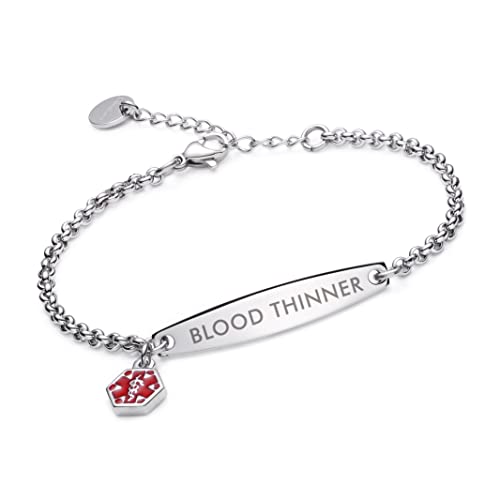
This is one of the most common questions I hear from adult children who are thinking through their parent’s safety setup. And the honest answer is: these two tools serve different purposes, and they work best together.
What Each One Does
A medical alert bracelet is designed to signal. It tells first responders — at a glance — that this person has a condition requiring special attention. It typically lists one or two key facts: a primary diagnosis, a critical allergy, or a note to check for more information.
A wallet card is designed to inform. It holds the full picture: every medication, every contact, every diagnosis detail that a responder actually needs to make decisions.
A bracelet alone often can’t convey enough detail for complex medical situations. And a wallet card alone might be missed if a senior is separated from their bag or wearing unfamiliar clothing.
The Layered Approach
Think of it this way: the bracelet flags the emergency and signals responders to look further. The wallet card provides everything they find when they do.
You don’t have to choose one or the other. But if you’re starting from scratch today, the wallet card is the easiest first step — and it works well on its own while you consider adding a bracelet. If you’re exploring wearable safety options too, medical alert watches with fall detection are worth looking at as a complement to the wallet card system.
Emergency wallet cards with medication list sections are widely available as standalone products, and slim wallet safety cards for senior emergency information are designed to sit discreetly alongside a regular ID without adding bulk.


How to Set This Up Today — Even If Your Parent Lives Far Away





I want to be direct about this: setting up an emergency wallet card for your parent is a one-hour project with lasting impact. Distance doesn’t have to be a barrier.
Step-by-Step Setup Guide
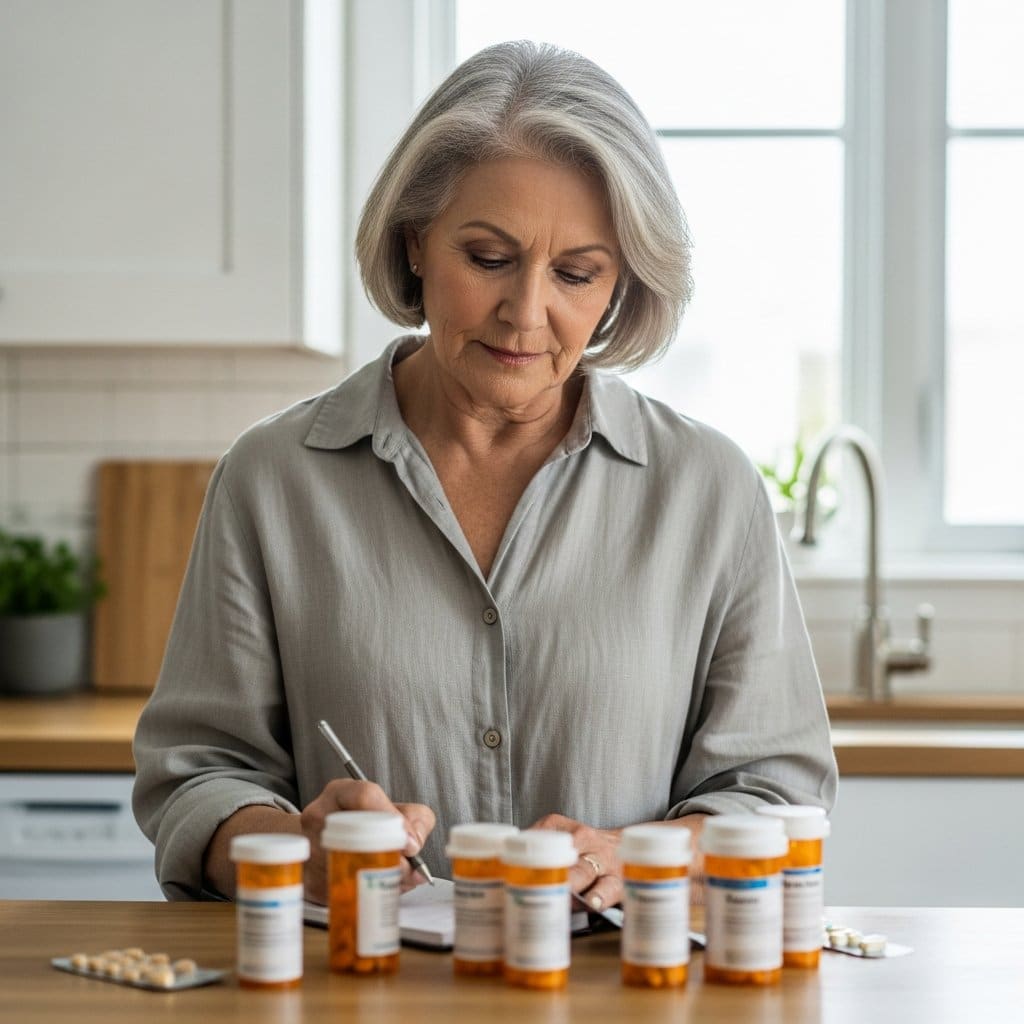
- Gather the medication list. Call your parent, check a recent prescription bag, or contact their pharmacy. You need drug names, dosages, and frequency.
- Collect emergency contacts. Confirm phone numbers for at least two people — yourself and one backup.
- Confirm allergies. Check with your parent or their physician if you’re unsure.
- Note key diagnoses. Think about what a responder would need to know: heart condition, diabetes, dementia, pacemaker, blood thinner use.
- Order or print the card. Top wallet safety cards for elderly parents are available as both printable templates and professionally printed, laminated cards — with the best emergency medical ID wallet cards for seniors offering personalization options to match your parent’s specific needs.


For Long-Distance Caregivers
If you’re not nearby, you have options. Order a personalized card online and ship it directly to your parent. Or email a fillable template to a local sibling, neighbor, or home health aide to print and laminate.
You might also reach out to your parent’s in-home care provider — professional caregivers are often the best people to help introduce and explain the card in a natural, non-alarming way.
How to Introduce It to Your Parent
Frame this as a gift — because that’s exactly what it is.
Try something like: “Mom, I put together a little card with your important information on it. I’d feel a lot better knowing it’s in your wallet, just in case.”
That framing is honest, warm, and doesn’t make the card feel like a statement about decline. Most parents respond well when they understand it’s coming from love, not fear.
Keep It Current
Set a reminder to review and update the card once a year — tying it to your parent’s annual wellness visit makes it easy to remember. Any time a medication changes or a new provider is added, update the card.
Also consider keeping a digital backup of the same information saved in your phone contacts. If you ever need to communicate your parent’s medical history quickly — from a waiting room, for example — having it at your fingertips matters.
For more on keeping aging parents safe at home, the ultimate fall prevention checklist is a great companion resource. And if your parent is managing medications independently, automatic pill dispensers are another practical tool worth considering alongside the wallet card. For families exploring broader safety strategies, products for elderly people living alone covers a range of simple solutions worth knowing about.

The Senior Emergency Wallet Card Checklist: Everything Your Parent Needs in One Place
Create a wallet-sized emergency medical card with all your parent’s critical health information in under an hour—so first responders have exactly what they need to provide the right care, fast.
A Simple Act That Carries Real Weight
Emergency preparedness doesn’t have to be complicated. A single, well-filled wallet card places the right information exactly where first responders will look — and it can be set up today.
You’re not being anxious or overprotective. You’re being thoughtful. This card is a tangible act of love that gives your parent a layer of safety they carry with them everywhere — without any extra effort on their part.
This week, take one action: gather your parent’s medication list and order or print a card. It takes less time than a phone call and could matter more than almost anything else on your caregiving to-do list.
If this was helpful, share it with a sibling, a friend, or anyone else who’s quietly been carrying that same background worry. Sometimes the most caring thing we can do is pass along the thing that finally makes us feel prepared.
Does your parent already carry emergency information in their wallet? Share what’s worked for your family in the comments — your experience might help someone else take that first step.