
![Intergenerational decorating christmas tree[1]](https://www.grayingwithgrace.com/wp-content/uploads/2025/12/intergenerational_decorating_christmas_tree1-e1765209997425.jpg)
It’s Christmas morning. You’re surrounded by family, laughter, and the smell of fresh coffee.
Now imagine being 82 years old, sitting alone in a nursing home room, watching the hallway stay empty while other residents’ families arrive with gifts and hugs.
For millions of seniors, this isn’t imagination—it’s reality.
Research shows that nearly 43% of seniors report feeling lonely on a regular basis, and the holidays amplify these feelings dramatically. While families gather and celebrate, countless older adults face the season in isolation, many without a single visitor or phone call.
But here’s the beautiful truth—you have the power to change that reality for someone. Adopting a senior for Christmas isn’t just about gifts; it’s about dignity, connection, and showing someone they matter.
In this guide, you’ll discover structured programs you can join today, creative DIY options for any budget, and ways to create connections that last beyond December.
Whether you have $20 or $200, two hours or twenty, there’s a meaningful way for you to make this Christmas unforgettable for a senior who needs to know they’re not forgotten.

Why Senior Adoption Matters More Than You Think
Many nursing home residents live their final years without regular visits. Their children may have passed away before them. Family members might live across the country, unable to make frequent trips. Some seniors have outlived their entire generation of friends and relatives.
The isolation cuts deepest during the holidays.
While you’re planning holiday meals and shopping for loved ones, seniors on fixed incomes are making impossible choices. Should they buy their medications or a small gift for the grandchild they rarely see? Can they afford both heating costs and a holiday meal?
Most can only cover necessities—housing, food, basic toiletries. Wish list items simply aren’t possible.
This financial reality combines with emotional isolation to create a perfect storm of holiday despair. Studies from the National Institute on Aging show that prolonged loneliness in older adults increases the risk of depression, cognitive decline, and even early mortality.
But adopting a senior isn’t about pity or charity. It’s about recognizing the value and dignity of every person, regardless of age. It’s about connection—which benefits both the giver and receiver.
When you adopt a senior, you’re not just giving gifts. You’re giving hope, purpose, and the powerful message: “You matter. You’re not forgotten.”

Two Proven Programs You Can Join Today
If you’re ready to make a difference but unsure where to start, these established programs make it remarkably simple.
Adopt-A-Senior Organization
This national program ensures seniors receive gifts not just at Christmas, but throughout the entire year.
For a $50 donation, you adopt one senior for 12 months. They’ll receive birthday gifts and multiple holiday gifts, carefully selected to bring joy and meet practical needs.
Here’s what makes this program special: You can include a personalized card with a sweet message attached to the gifts. That handwritten note often means more than the gift itself. It’s tangible proof that someone, somewhere, is thinking about them.
The organization specifically helps seniors in nursing homes who don’t receive regular visits from family. Your donation directly combats the depression and isolation these individuals face daily.
To get started, visit the Adopt-A-Senior website in early November. Most programs fill their slots by early December, so don’t wait until the last minute.
Be a Santa to a Senior
This program offers a more hands-on approach with immediate, visible impact.
Here’s how it works: You visit a participating location (often community centers, churches, or retail stores) and select an ornament from a Christmas tree. That ornament contains a specific senior’s wishlist—their actual requests written in their own words.
You purchase the requested items, drop them in a designated donation box, and the program handles the rest. Items are wrapped and personally delivered to the senior who requested them.
The beauty of this program? It’s anonymous if you prefer, but you’re fulfilling someone’s specific wishes. One senior might request warm socks and a large-print book. Another might ask for chocolate, a cozy blanket, and playing cards.
These aren’t luxury requests—they’re simple comforts that bring dignity and joy to someone who can’t afford them independently.
Many programs also accept group participation. Consider organizing a Be a Santa effort with your workplace, church group, or neighborhood association. Some organizations even allow you to adopt multiple seniors if you have the capacity.
Ready to discover more innovative strategies for healthy, comfortable aging? Subscribe to our newsletter for expert-tested tips and product recommendations designed specifically for older adults.
Create Your Own Senior Christmas Magic (No Program Required)
Maybe structured programs don’t fit your schedule or budget. The good news? You can create meaningful impact independently.
Care Packages That Show You Care
Start by assembling a thoughtful care package. Here are items that seniors consistently appreciate:
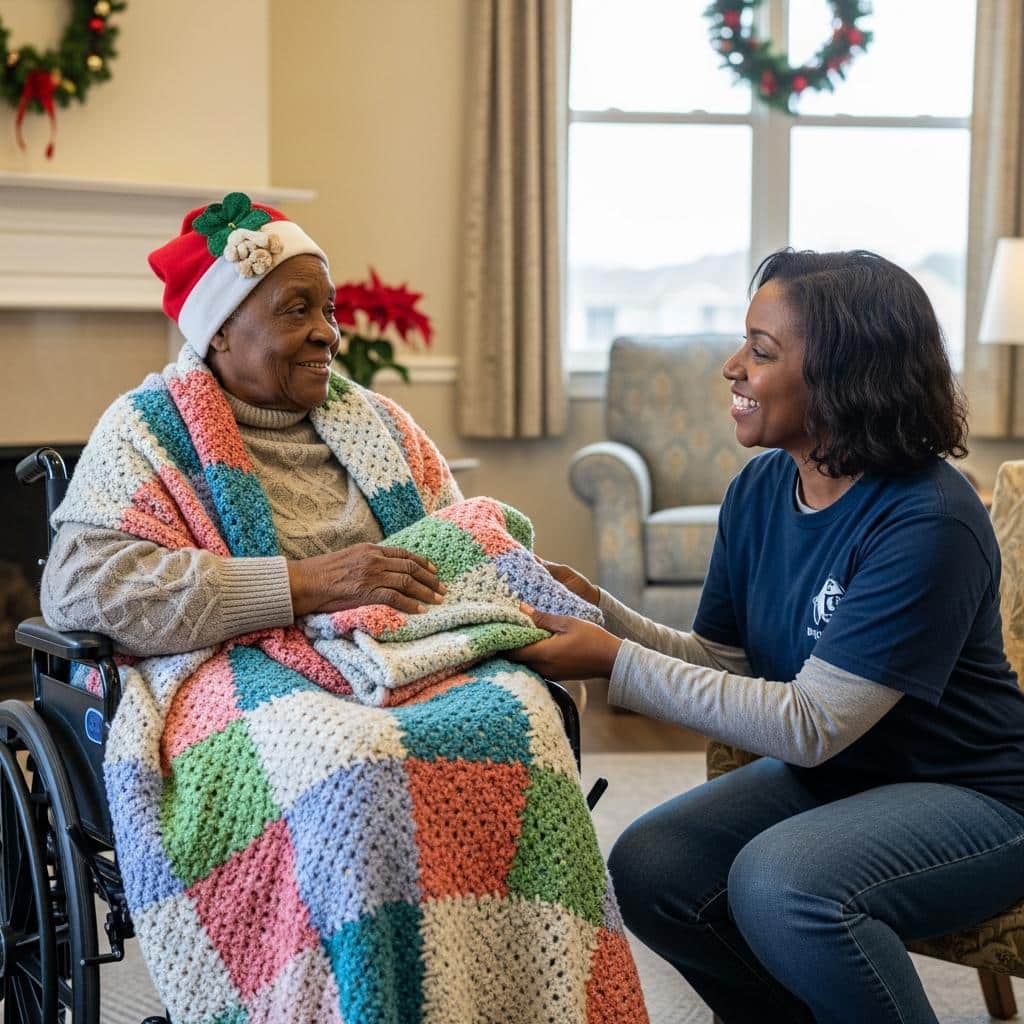
Practical comfort items: Warm scarves, cozy blankets, thick socks (consider non-slip socks for safety)
Small indulgences: Bags of quality chocolate, nice hand lotion, favorite candies
Entertainment and engagement: Large-print books, puzzle books, crossword collections, playing cards
Personal choice items: Gift cards to pharmacies or grocery stores (even $10 makes a difference)
Present your items in a basket or decorative box, wrapped with festive gift wrap. The presentation matters—it shows effort and care.
Budget breakdown for maximum impact:
- $0-$10: Write heartfelt letters, create handmade cards, organize a virtual caroling group
- $10-$25: Assemble a modest care package with 3-4 thoughtful items
- $25-$50: Create a comprehensive comfort package with both practical and indulgence items
- $50+: Consider combining material gifts with ongoing companionship commitment
The Personal Touch: Baked Treats
If you enjoy baking, homemade treats carry special meaning. Consider these favorites:
- Apple or pumpkin pie (holiday classics)
- Strawberry cheesecake
- Chocolate chip or gingerbread cookies
Important considerations: Before bringing baked goods to a facility, check with staff about dietary restrictions. Many seniors manage diabetes or have specific food allergies. Some facilities have policies about outside food due to health regulations.
Consider labeling ingredients clearly and offering sugar-free alternatives when possible.
Finding the Right Facility
Contact local nursing homes, assisted living facilities, or senior centers in your area. Explain you’d like to brighten a resident’s holiday and ask about their gift-giving policies.
Many facilities maintain lists of residents who don’t receive regular visitors. The staff can guide you toward seniors who would most benefit from your kindness.
Some facilities host holiday events where you can meet residents and distribute gifts personally, creating that crucial human connection. For more ideas on supporting seniors during the Christmas season, there are numerous ways to make the holidays brighter.
Why Your Time Matters More Than Your Money
Material gifts bring temporary joy. Your presence creates lasting impact.
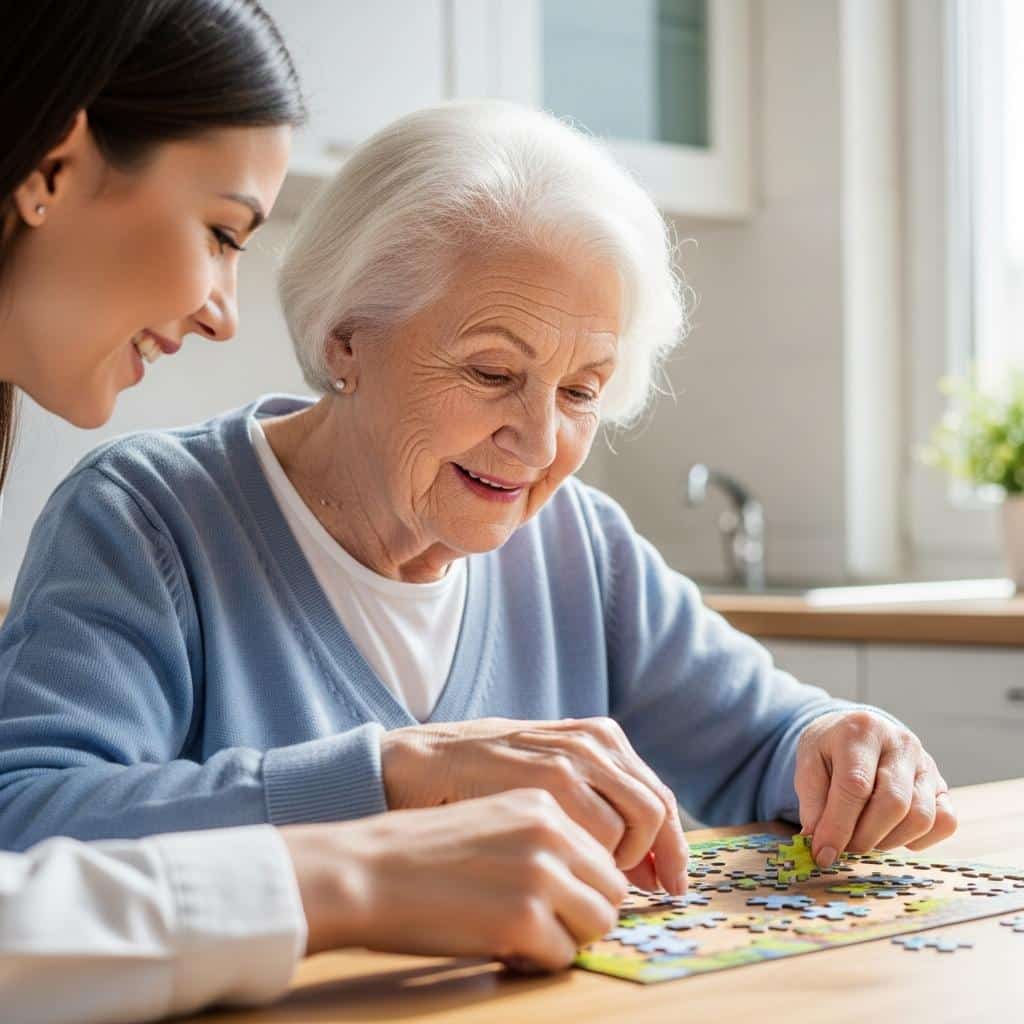
Companionship volunteering might be the most valuable gift you can offer. Simply being there—having conversations, engaging in activities, or sitting together quietly—reduces loneliness and significantly improves mental health outcomes.
Studies show that regular social interaction can lower seniors’ risk of depression by up to 70%. Your time literally improves health outcomes.
Getting Started as a Visitor
Contact local facilities about their volunteer visitor programs. Most require:
- Basic background check (standard procedure to protect residents)
- Brief orientation session (usually 1-2 hours)
- Commitment to regular visits (consistency matters more than frequency)
Current visitor policies vary by facility. Some have resumed pre-pandemic protocols, while others maintain modified procedures. Call ahead to understand requirements.
If you’re interested in broader volunteer opportunities, senior volunteering programs offer meaningful ways to enrich both your life and the lives of others.
Making Visits Meaningful
You don’t need special skills—just genuine interest in another person’s life. Here are conversation starters and activities that work beautifully:
Ask about their past: “What was your first job?” or “Where did you grow up?” Most seniors have fascinating life stories.
Engage with simple activities: Play cards, work on puzzles together, read aloud from magazines or books they enjoy.
Look at photos: Many seniors love sharing family photos and stories behind them.
Just listen: Sometimes the greatest gift is someone who truly listens without rushing to the next thing.
Setting Healthy Boundaries
Build genuine connections while maintaining appropriate volunteer relationships. You’re not replacing family or taking on caregiving duties—you’re offering friendship and companionship.
If you can’t visit in person, explore virtual companionship programs. Organizations like Papa and Amintro connect volunteers with isolated seniors for video calls and virtual activities. Apps designed to help seniors make new friends can also facilitate meaningful connections from anywhere.
Teaching the Next Generation About Connection and Compassion
Making senior adoption a family tradition creates ripples of positive impact across generations.
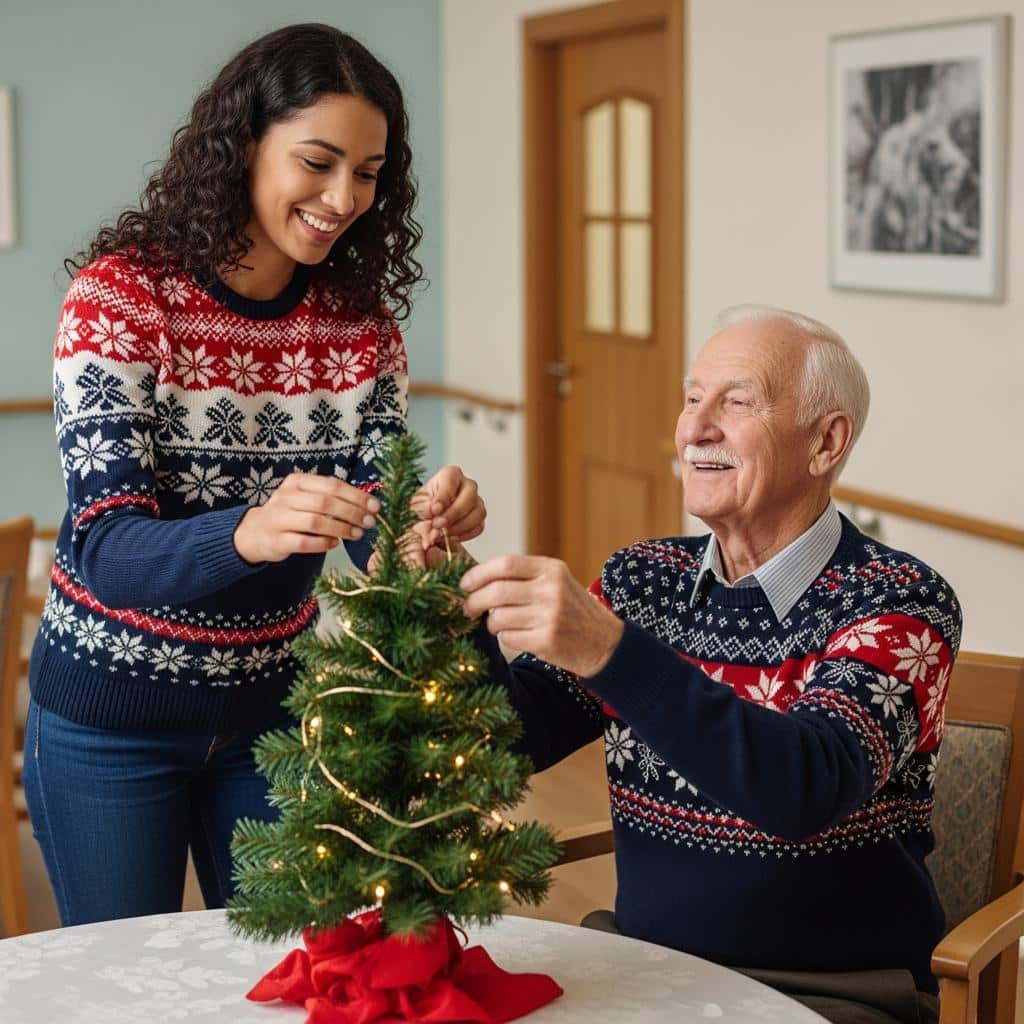
Children and teenagers benefit enormously from intergenerational connections. Research shows that young people who volunteer with seniors demonstrate increased empathy, better communication skills, and deeper understanding of life’s full arc.
Age-Appropriate Participation Ideas
Young children (5-10 years): Make holiday cards with drawings, create simple crafts as gifts, sing carols (if facility permits group visits)
Preteens (11-14 years): Help assemble care packages, write longer letters, participate in supervised visits to read aloud or play games
Teenagers (15+): Volunteer independently as companions, teach basic technology skills, organize peer groups for larger impact projects
Many facilities have specific intergenerational programs that pair young volunteers with senior mentors. These structured relationships often blossom into meaningful friendships that benefit both parties profoundly.
Make it an annual tradition. Each December, let your children help select items for care packages or accompany you on visits. Discuss what they learned and how it felt to bring joy to someone else.
You’re not just helping seniors—you’re raising compassionate, empathetic humans who understand that everyone deserves dignity and connection.
The Truth About Senior Loneliness (It Doesn’t End on December 26th)
Here’s something most people don’t consider: Senior isolation is a year-round crisis that happens to spike during holidays.
According to the AARP, approximately 17% of older adults are socially isolated, meaning they have minimal contact with others. Another 43% report feeling lonely regularly.
January, ironically, can be even harder than December. After brief holiday attention, many seniors return to months of silence. Birthday in March? Probably celebrated alone. Valentine’s Day? Another reminder of loss.
One-time holiday efforts help, but sustained engagement transforms lives.
Consider these ongoing connection approaches:
Monthly check-ins: Send a card on the 15th of every month. Just knowing someone remembers them matters.
Birthday remembrance: Many senior programs track birthdays. A card or small gift on their actual birthday—not just Christmas—shows genuine care.
Regular phone calls: A 10-minute call every other week creates meaningful rhythm and relationship.
Seasonal visits: Visit during “forgotten” seasons—spring, summer, early fall—when volunteers are scarce.
Small, consistent gestures create more impact than grand one-time efforts. You don’t need to solve all loneliness—just show one person they matter, repeatedly. In fact, helping seniors recover after the holiday rush with continued support can prevent the post-holiday emotional crash many experience.
Ready to discover more innovative strategies for healthy, comfortable aging? Subscribe to our newsletter for expert-tested tips and product recommendations designed specifically for older adults.
Your Next Step Starts This Week
Adopting a senior for Christmas is about dignity, connection, and showing someone they matter in a world that often forgets them.
You don’t need to do everything. Start with one senior, one visit, one care package.
Here’s your action timeline:
This week: Research Adopt-A-Senior and Be a Santa to a Senior programs in your area. Contact local nursing homes about their gift and visitor policies.
By November 30th: Register for formal programs (they fill quickly) or identify 2-3 facilities where you’ll deliver DIY care packages.
First two weeks of December: Complete your first visit, assemble your care package, or finalize your program participation.
Christmas week: Deliver gifts or visit your adopted senior in person if possible.
Imagine the smile on a senior’s face when they realize someone remembered them. Picture the moment they open a card with your handwritten message. Envision the conversation that reminds them their stories matter, their life has value.
This Christmas, you have the chance to be someone’s answered prayer—the person who reminded them they’re not forgotten.
And in the process, you might find your own holiday season feels a little more meaningful too.
Have you adopted a senior before, or are you inspired to start this year? Share your experience or plans in the comments below—your story might inspire someone else to take that first step.
![Senior woman with walker holiday grocery[1]](https://www.grayingwithgrace.com/wp-content/uploads/2025/12/senior_woman_with_walker_holiday_grocery1-e1765212886497-450x300.jpg)
![Older woman cane son holiday lights fence[1]](https://www.grayingwithgrace.com/wp-content/uploads/2025/12/older_woman_cane_son_holiday_lights_fence1-e1765212664422-450x300.jpg)
![Older couple admiring small tree evening[1]](https://www.grayingwithgrace.com/wp-content/uploads/2025/12/older_couple_admiring_small_tree_evening1-e1765211659662-450x300.jpg)
![Senior man using medication reminder app holiday armchair[1]](https://www.grayingwithgrace.com/wp-content/uploads/2025/12/senior_man_using_medication_reminder_app_holiday_armchair1-e1765210746636-450x300.jpg)
![Senior couple using hand wipes holiday gathering[1]](https://www.grayingwithgrace.com/wp-content/uploads/2025/12/senior_couple_using_hand_wipes_holiday_gathering1-e1765209665965-450x300.jpg)
![Older man window sunrise reflection[1]](https://www.grayingwithgrace.com/wp-content/uploads/2025/12/older_man_window_sunrise_reflection1-e1764617279787-450x300.jpg)
![Older woman napping cat recliner[1]](https://www.grayingwithgrace.com/wp-content/uploads/2025/12/older_woman_napping_cat_recliner1-e1764616957416-450x300.jpg)
![Elderly woman lighting candle solstice[1]](https://www.grayingwithgrace.com/wp-content/uploads/2025/12/elderly_woman_lighting_candle_solstice1-e1764616673551-450x300.jpg)


