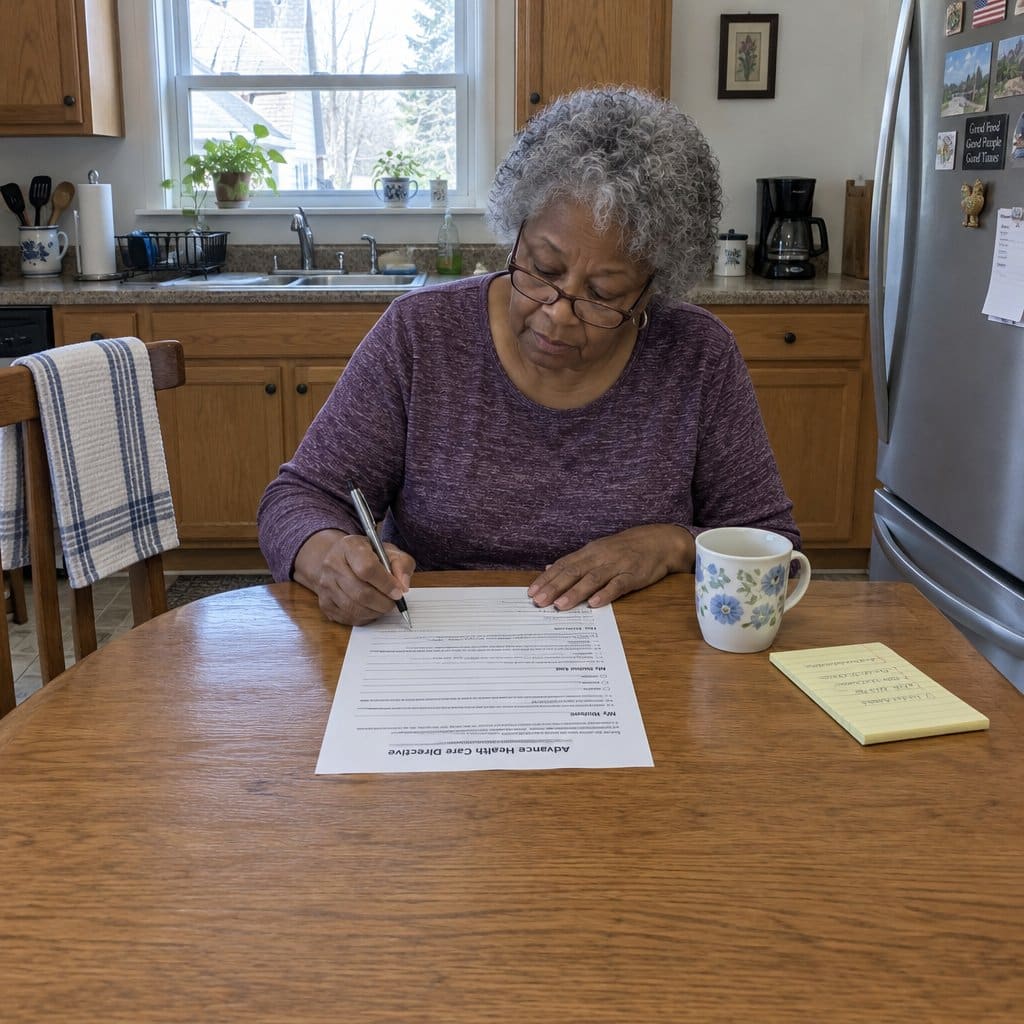
Picture a hospital hallway. A doctor turns to a family and asks, “What would she want?” and everyone looks at each other.
That moment of guessing can stay with people for years. The fix is paperwork, and advance directive forms are often free.
Names like living will, proxy, DNR and POLST are enough to make anyone close the tab. You’re in the right place, and I’ll define each one as we go.
Most people mix up two of these forms, and the mix-up matters.
A quick note before we start: I’m not an attorney, and this article is here to give you basic education, not legal advice. Rules vary by state, so check yours.
Advance Directive Forms Cheat Sheet
Download our free Advance Directive Forms Cheat Sheet to stop the confusion about which document does what—so you can protect your medical wishes and ensure the right person speaks for you when it matters most.
The Two Forms at the Heart of It: Living Will and Health Care Proxy
An advance directive is the umbrella term. It means written instructions about your medical care and the person who speaks for you if you can’t speak for yourself.
Two documents do most of the work. Here’s what I want a family to know about each.
Your Living Will: What You Want
A living will is a written statement of your wishes about treatments, such as life support, if you can’t communicate. Should you have one? I’d say yes, because it’s a way to keep your choices yours.
Your Health Care Proxy: Who Speaks for You
A health care power of attorney names a person to make medical decisions for you if you can’t. You’ll also hear it called a health care proxy, and the person you name is your agent.
Why both? A living will can’t cover every situation, so your agent fills the gaps.
What happens if you don’t have an advance directive? Families and doctors have to guess. In some situations, state rules decide who speaks for you, and it may not be the person you would have picked.
How to Choose a Health Care Proxy
Who can be your health care agent depends partly on your state, so check its rules. Beyond that, look for these qualities:
- Trust: Someone who knows you and respects you.
- Calm: Someone who can think clearly in a stressful room.
- Loyalty to your wishes: Someone who will follow them even if they disagree.
- Reachability: Someone who can be found by phone, ideally living nearby or able to travel.
I’d also name a backup, in case your first choice can’t serve.
This isn’t about expecting the worst. It’s about making sure your voice is still in the room.
Your first step: Think of one person you would trust with this role.

DNR and POLST: Medical Orders, Not Just Wishes


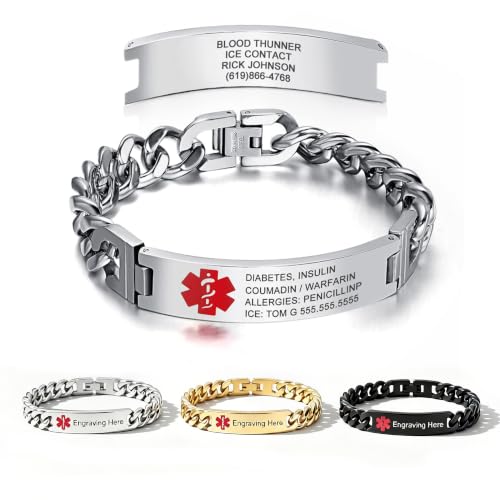


A medical ID tells responders about allergies, conditions and who to call, but engraving “DNR” on a store-bought tag is not an order. In most states, EMS follows only the signed state DNR or POLST form, or the state’s own approved DNR bracelet, so keep that paperwork where they can find it.
💡 Did you know? A living will and a DNR sound like cousins, but only one of them is signed by a doctor. Can you guess which?
(Keep reading, the answer is next. 👇)
The Simple Difference
A DNR (do not resuscitate) is a medical order about CPR if your heart stops. A doctor signs it.
A POLST is a signed medical order that turns your wishes into instructions medical teams can follow right away. Its name and availability vary by state, and it is generally for people with a serious illness or advanced frailty.
So here’s the mix-up from the start of this article. A living will is your written wishes. A DNR or POLST is an order from a doctor.
Who Needs Them
DNR and POLST are usually for people with a serious illness or those nearing the end of life. If you’re healthy, I’d start with the living will and proxy.
Knowing the difference isn’t legal expertise. It’s just knowing which form does which job.
Your first step: At your next visit, ask your doctor, “Is a POLST or DNR something we should talk about?”

Where to Get the Forms Free (and Whether You Need a Lawyer)
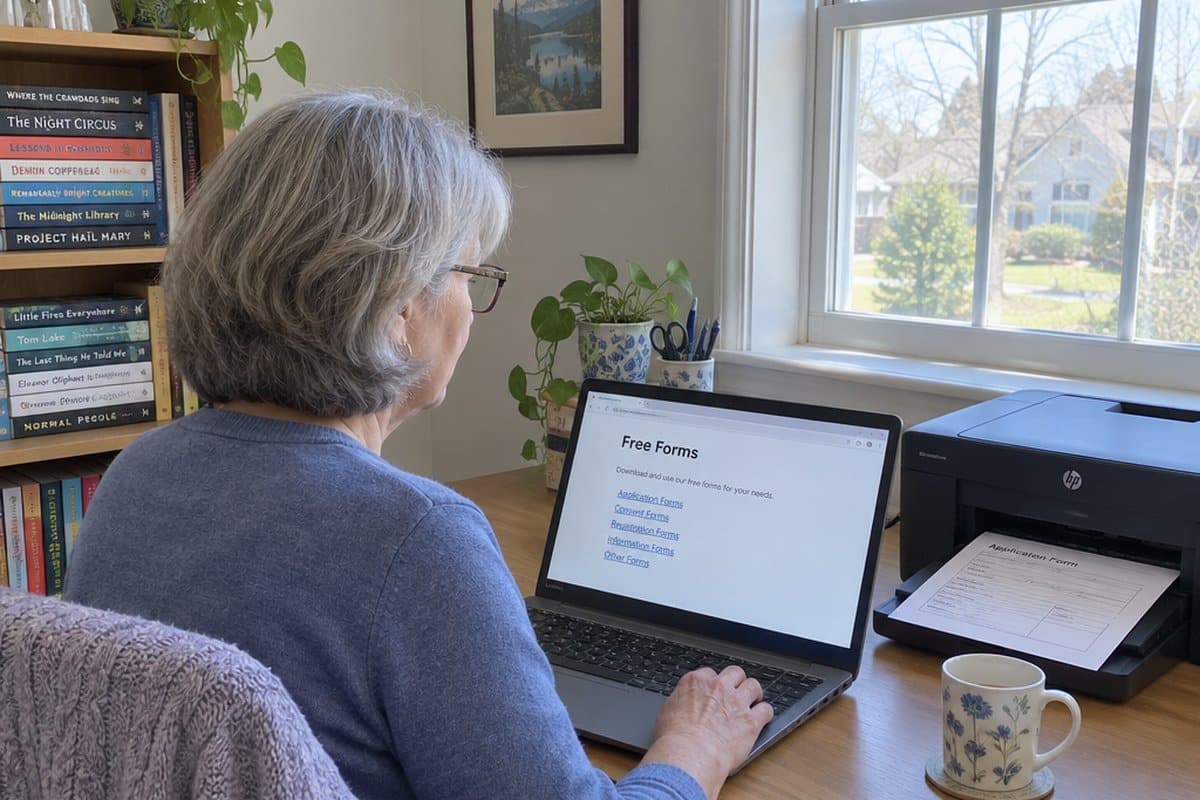
You don’t need to spend money to start. These forms are easier to fill out than most people expect.
Free Advance Directive Forms to Start With
- Your state’s own form: Look on your state attorney general, health department or bar association website. Your state’s official form is the place to start.
- AARP’s state-by-state forms: A handy way to find the right version for where you live.
- Five Wishes: A plain-language form that many people use. Check the official site for current cost and whether your state accepts it.
Fees and rules change, so check the official sources rather than trusting any number you see in an article.
How to Fill Out an Advance Directive
Read the whole form first. Then fill it in with your agent in mind, and ask your doctor about anything medical you don’t understand.
Do I Need a Lawyer or a Notary?
Witness and notary rules vary by state, so follow the instructions on your state’s form. Many people complete these without a lawyer.
I’m a Certified Senior Advisor, not an attorney. If your situation is complicated (a blended family, significant assets or unusual wishes), that’s a good question for an elder law attorney.
If You Move to Another State
Many states honor out-of-state forms, but not all do. Check your new state’s rules, and consider completing that state’s form after you move.
This is paperwork, not a legal ordeal.
Your first step: Pick one source and download the form this week.

Who Gets a Copy and Where the Original Lives


A form no one can find can’t speak for you.
Who Should Get a Copy
Give copies to these people:
- Your agent and your backup agent
- Your doctor (ask them to add it to your chart)
- Your hospital, if you use one regularly
- A family member or two
Where to Keep the Original
Choose somewhere safe but easy to reach. A safe deposit box that no one can open in an emergency isn’t the answer.
A labeled folder at home works for many families, as long as your agent knows where it is. Some people also keep a note on the fridge or in a wallet saying an advance directive exists and where to find it.
Some states also have registries, so check yours.
Your End of Life Planning Checklist
- Sign it: Follow your state’s witness or notary instructions.
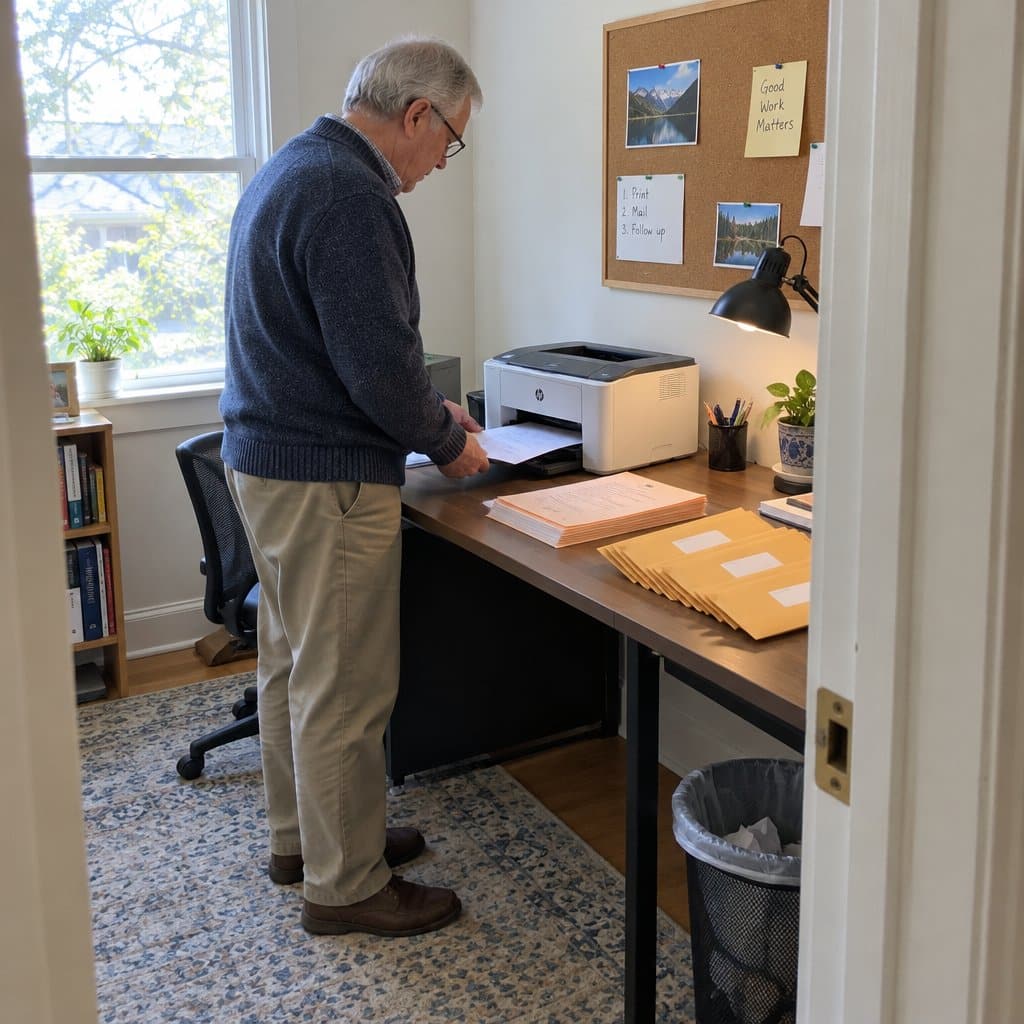
- Copy it: Send copies to the people above.
- Tell people: Say out loud where the original is.
- Store it: Keep it somewhere safe and reachable.
Telling people where it is turns a form into a plan. If you’d like one place to gather your wishes and contacts, an end-of-life planner can help, though it isn’t a legally binding document.
Starting the Conversation and Keeping It Current
The paperwork is the easy part. The talk matters most.
Simple Ways to Begin
Start small. Here are a few openers you can use:
- “I filled out some forms and I want you to know where they are.”
- “I’d like you to know what matters to me.”
- If you’re a son or daughter: “I want to make sure we do what you’d want.”
A family tradition of sharing stories can make the topic feel natural. Here’s how to start an elder wisdom tradition.
If your children already check in a lot, this guide to setting the tone for check-ins may help you open up the subject gently.
For deeper help, read The Conversation Nobody Wants to Have.
When to Update Your Advance Directive
How often should you review it? I’d say every few years as a regular habit, and sooner after any of these:
- A new diagnosis
- A move (if it’s a parent moving to assisted living, this 9-question checklist can help families decide)
- A death or major family change, including the death or change of your agent
You can change your mind and update your forms at any time.
Talking now is a kindness your family will remember.
Your first step: Pick one person and one time this month to start the conversation.

Advance Directive Forms Cheat Sheet
Download our free Advance Directive Forms Cheat Sheet to stop the confusion about which document does what—so you can protect your medical wishes and ensure the right person speaks for you when it matters most.
One Small Step This Week
Here it is in plain terms. A living will holds your wishes, and a proxy is your voice. DNR and POLST are doctor-signed orders for when they fit, and copies belong in the right hands.
Advance directive forms are often free, and filling them out is one of the kindest things you can do for your children. It also keeps your choices yours.
This is general information. Rules vary by state and change, so check your state’s official source, and talk with an attorney or your doctor about your own situation.
This week, download one form or name one agent.
Have you started your advance directive, or talked with your family about it? What helped you get going? Share in the comments, and tag someone who might need this nudge.