You’ve found something you love, maybe woodworking, photography, or watercolors, and lately doing it alone feels a little incomplete. This guide to how active retirees build connections through hobby communities shows you where to look and how to join without overthinking it.
If you don’t have a hobby yet, you’ll find ideas sorted by type, gentle low-impact hobbies to share with a group, and a simple process for choosing one that fits you. We also cover how to try a hobby small before you spend much.
Why Community Transforms Your Hobby Experience
There’s a fundamental difference between mastering a hobby alone and learning alongside others who share your passion.
When you’re part of a community, you gain accountability that keeps you showing up. You stay motivated when someone else is excited about the same breakthrough you just had.
You accelerate your learning by watching others work through the same challenges you’re facing.
The Social Connection You Didn’t Know You Needed
Here’s what many active retirees discover: the hobby itself is wonderful, but the friendships that form around it become just as valuable.
Communities provide structure to your week. They give you people to look forward to seeing. They create natural opportunities for conversation that extend beyond the activity itself.
This matters more than you might think. The transition from work to retirement often involves losing daily social connections. Hobby communities help rebuild that social identity around something you genuinely care about.
Learning Accelerates in Groups
Photography groups motivate members to shoot more regularly and try new techniques. In fact, many retirees are discovering that photography as a hobby offers both mental stimulation and natural opportunities for social connection.
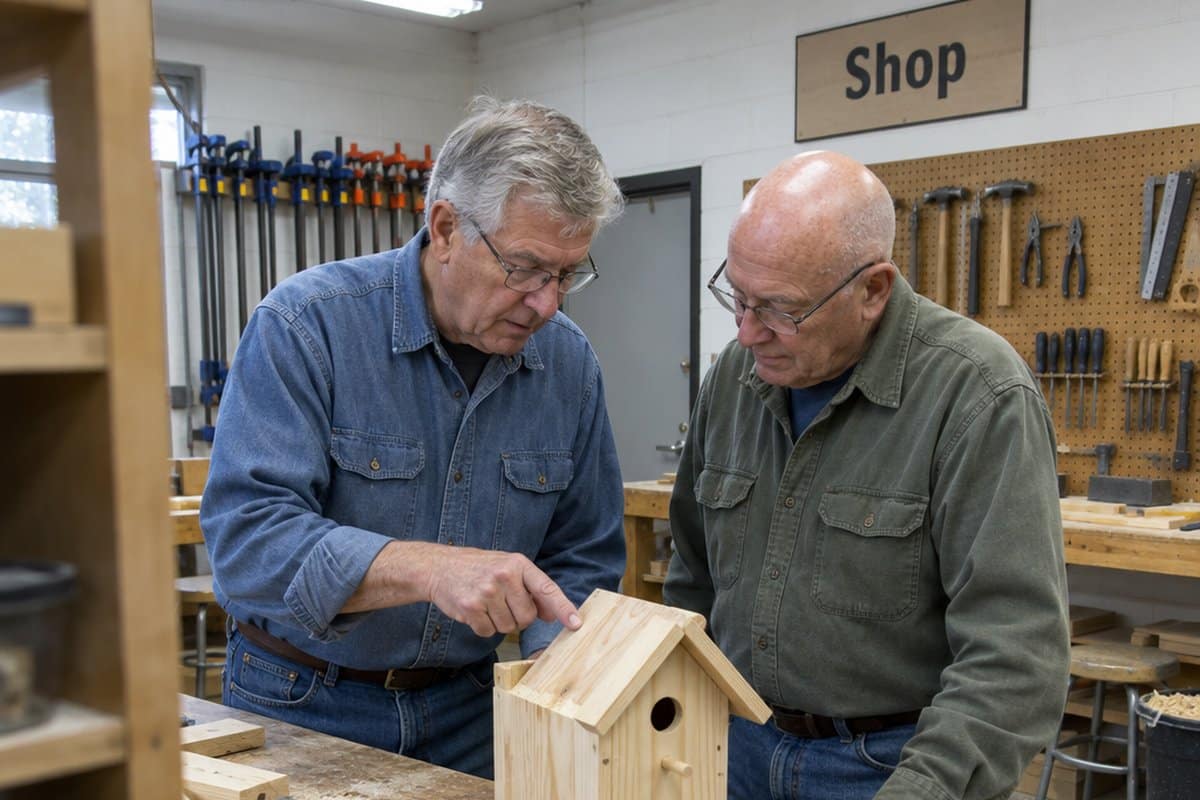
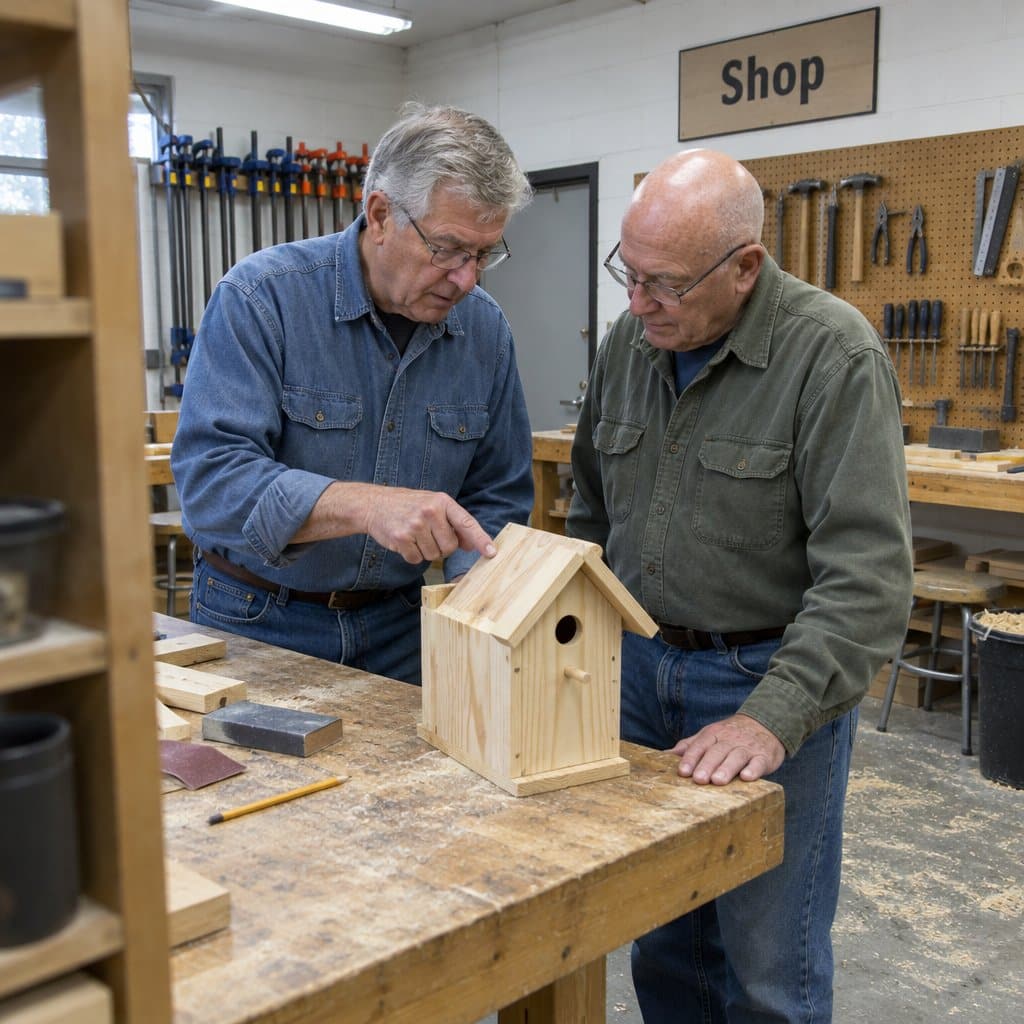
Woodworking clubs provide access to expensive equipment and decades of combined expertise. Garden clubs create both learning opportunities and social events that keep you engaged year-round.
The ripple effect is real: your hobby community may lead to friendships that extend into other areas of life. This matters for your brain health too, since regular social interactions through hobby groups provide cognitive benefits that go far beyond the activity itself.
A Simple Process for Discovering a Hobby
If you have spent weeks scrolling through hobby ideas without trying any, you are not doing anything wrong. Too many choices can leave anyone stuck, so a short process helps more than waiting for the perfect hobby to show up.
Start with four questions, and take about 10 minutes with a notebook. What makes you lose track of time? What did you love doing as a child, before practical things took over? What skills from your work have you never used for fun? What do you read or watch for the pure interest of it? Write down whatever comes to mind.
Next, try something small before you spend real money. Spend a week with free videos, library books and blogs about the hobby. Then test it for little. Use your smartphone for photography, take a community center intro class before buying woodworking tools, or start a few seed packets in pots you already own. For an instrument, rent for a month or two. Many music stores apply rental fees toward a purchase.
If one try does not suit you, that tells you something and is not a failure. Some people test five activities before one clicks. For a taste of why it can be worth the wait, see the retirement hobby that has many people feeling younger.
You can also combine two interests. List two or three things you enjoy, then ask what happens if you put them together. Photography and hiking become nature photography walks. Woodworking and teaching become beginner workshops. Gardening and art become botanical drawing. Reading and community become a book club.
Here is a rough timeline. In days 1 to 7, answer the four questions and make a shortlist of two or three ideas. In days 8 to 30, run your first small experiment and attend one meetup or class. In days 31 to 60, go deeper if it clicked, or move to the next idea if it did not. In days 61 to 90, see what is sticking and make it part of your routine, the way you would an appointment.
If nothing clicks, revisit the questions and ask friends what they see you light up about. One trade-off: this takes some patience, since it can run three months before a clear favorite shows up.

Your Community Roadmap: Where to Look
Let’s talk about specific places where hobby communities actually exist. You have more options than you might realize, and you can start with whatever feels most comfortable for you.
Digital Communities: Lower Commitment, Try from Home
Not ready to show up somewhere in person?
Online communities let you observe, participate at your own pace, and get a feel for the group before committing to anything.
Meetup.com: Your Local Connection Hub
This platform specializes in helping people find local groups that meet in person around shared interests.
Search by your hobby plus your location. Browse upcoming events. RSVP when something looks interesting. Most events cost $5 to $15, though joining the platform itself is free.
The beauty of Meetup is that groups typically welcome newcomers and ages are mixed. You’re not walking into something unknown. You can read descriptions, see photos from past meetups, and know what to expect.
Facebook Groups: Find Your Niche
You probably already use Facebook, which makes this one of the easiest starting points.
Search for “[Your Hobby] + [Your City]” or “[Your Hobby] + retirees.” You’ll find both local groups that meet in person and online communities where people share work, ask questions, and offer encouragement.
The advantage here is familiarity. You already know how Facebook works. You can observe posts for weeks before commenting if you want to. There’s zero pressure to participate until you’re ready.
Reddit Communities: Deep Expertise Awaits
If you’re comfortable with technology and want access to passionate, knowledgeable communities, Reddit hosts forums (called “subreddits”) for nearly every hobby imaginable.
Yes, the interface looks different from other social media at first. But the community norms are clear, people are generally welcoming to newcomers who follow basic etiquette, and the depth of knowledge available is remarkable.
This platform is entirely free and particularly strong for niche interests that might not have large local communities.
Ready to discover more ideas for healthy, comfortable living? Subscribe to our newsletter for tips and product recommendations.
Try Before You Buy: Starting a Hobby Small
Before you join a group, it helps to know the hobby suits you. You can find that out without buying much of anything.
Spend a week on free research first. Videos, library books and blogs cost nothing. Watch beginners show their learning process, and read about common mistakes.
Then test the hobby with a small purchase. For photography, your smartphone works, or you can borrow a camera from your library, since many library systems loan camera equipment for two weeks. If the camera bug bites, here is a look at the retirement hobby that has many people feeling younger.
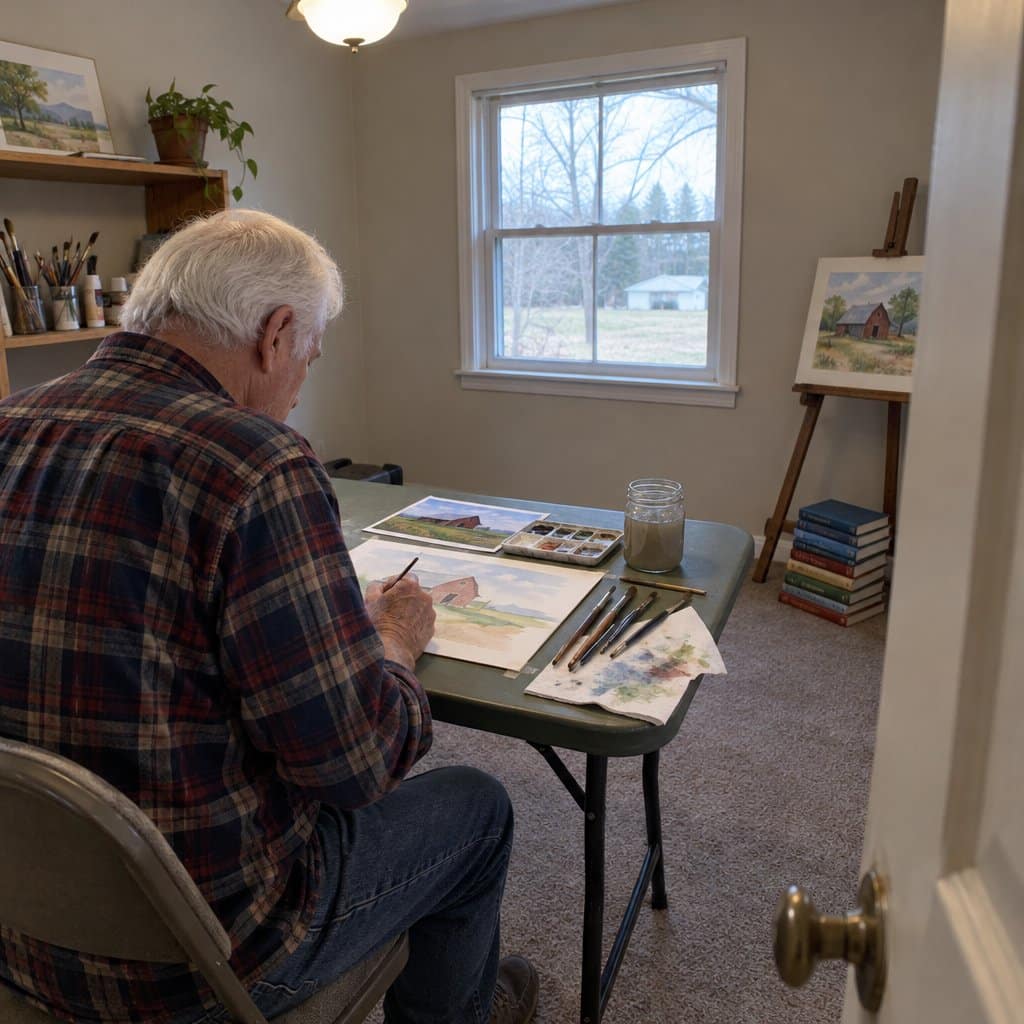
Painting can begin with dollar store supplies, and you can buy quality materials once you know you love watercolors. Gardening can begin with a few seed packets and pots you already own. Container gardening needs no yard work, and it shows you whether you enjoy the daily care.
For woodworking, take a community center intro class before you buy tools. Writing can start on a free platform or with a local writing group.
Hobbies can also grow out of time with family. Some simple activities with grandchildren turn into a favorite pastime once you find a shared interest.
If a hobby does not stick, you have lost very little, and you have learned something. One trade-off: borrowing, renting and starting with basic supplies means your first tries may feel rougher than they would with better gear.
Choosing the Hobby That Fits You
Before you pick a group, pick a hobby that suits you. A few plain questions can narrow it down.
What do you enjoy? Some people like being outdoors, and others like a quiet table at home. Outdoor hobbies get you fresh air and activity, while indoor ones like writing or reading need very little to begin.
What do you need from it? If you want company, look at hobbies built around people, like book clubs or walking groups. If you want something solitary, writing can become social when you join a writing group.
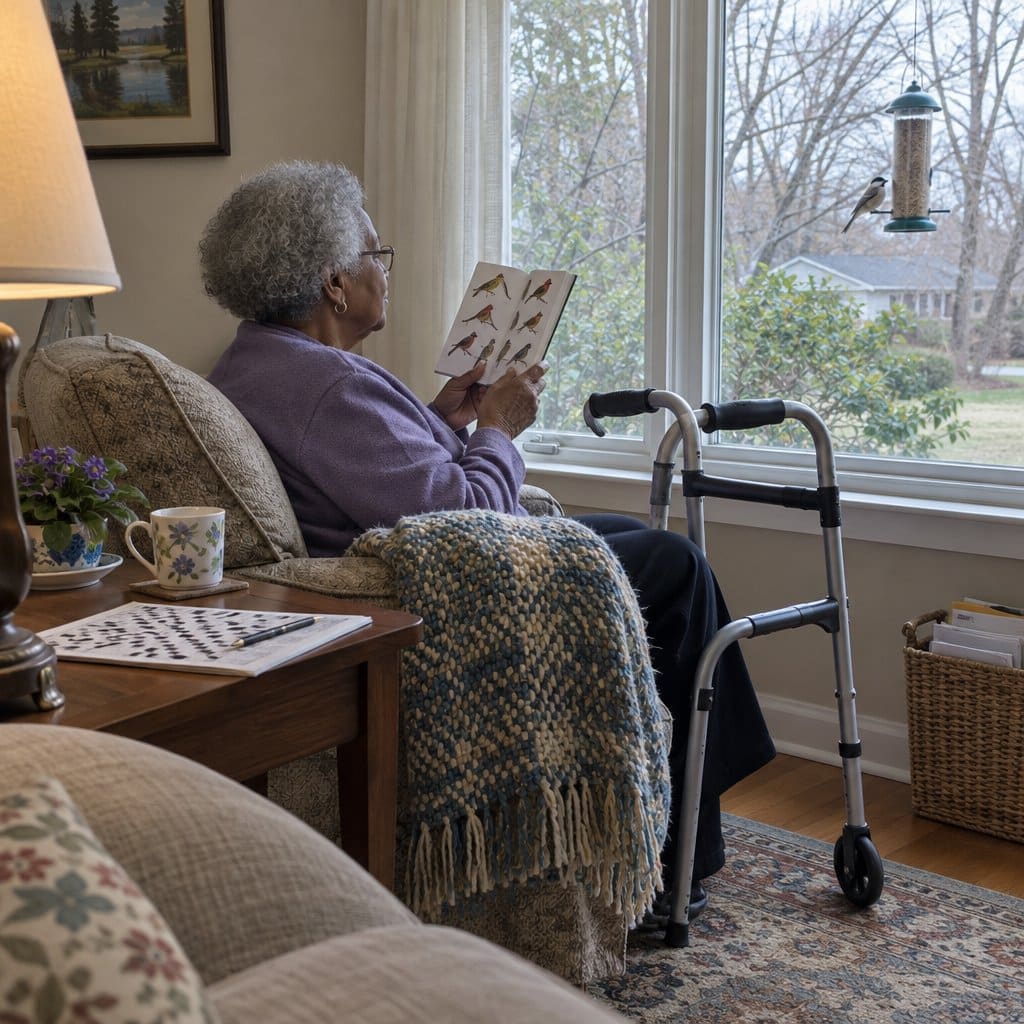
What does your body allow? Hiking or a nature walk works best on trails that suit your fitness level and ability. If mobility is a concern, you can watch birds from a chair by a window.
What will it take to get started? Some hobbies, like photography, which gets you moving and gives your mind something to work on, can begin with a phone. Cycling needs a bike and a senior-friendly bike helmet.
Check with your doctor or therapist before you start anything physical. A hobby should feel good to do, so ask what is safe for you.
One trade-off: the hobby that sounds best may need the most equipment or know-how. Starting with an easy one gives you a group to join sooner.
Gentle, Low-Impact Hobbies to Share With a Group
If arthritis makes some hobbies a poor fit, plenty of gentler ones still put you around people. Here are the ones to look at first.
Birdwatching can be done from your favorite chair at a window. Local birdwatching clubs are an easy way to meet other birders when you feel like getting out.
Walking groups are a low-impact way to stay active while you talk with others. Call local gyms or YMCAs to find one, or gather a few friends and start your own.
Cycling is also low-impact, and you ride at your own pace and intensity. Cycling keeps you active without overworking your body. Three-wheeled bikes are another option if you want better stability.
Herbs can be grown in pots indoors, so there is no big garden to tend. All you need is seeds and some leisure time. If you want to start, here is a guide to a simple herb garden.
Photography with a smartphone gets you moving and gives your mind something to chew on. Here is more on how photography enriches your life, and a camera club is a good place to share your pictures.
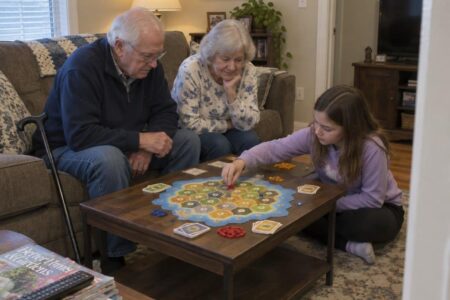
Board games are easy to enjoy at a table with friends. Many popular board games come in online versions too, and online gaming sites add a social side.
One trade-off: cycling still means buying a bike and a helmet, so it costs you some setup before you can ride with a group.
Hobby Ideas by Type: Where to Start If You Don't Have One Yet
Not sure which hobby to bring to a group? Here are ideas sorted by what you may be after, with a first step for each.
Unusual: Geocaching uses a free app and a phone to hunt for hidden containers in parks and forests. Star gazing needs a dark spot away from lights, and maybe binoculars. Rock balancing means stacking stones into sculptures, and it works your hands and your patience. Herbalism can start with seeds and a pot indoors or a garden outside. Foraging comes with a warning: identify every plant correctly, because some are poisonous.
Easy to start: Birdwatching needs binoculars and a bird guide, and you can do it from a favorite chair at a window. Knitting, crocheting, writing and reading need very little to begin. Writing starts with pen and paper, and reading starts at your library.
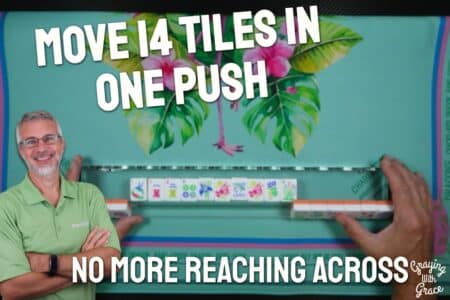
Social: Volunteering, walking groups, book clubs, bingo, dancing and art classes all put you around people. For board games, try local meetups. Line dancing is also a good one to bring a friend along to.
If you want more on how hobbies lead to friendship, there is a whole article on it.
Outdoor: Hiking and nature walks need good shoes and a trail that suits your fitness level. Bring water, snacks, sun protection and a way to call for help. Cycling is low-impact and lets you set your own pace, and dancing and cycling both help with balance. Fishing, bird feeding, metal detecting and astronomy are other outdoor choices. For fishing, wear a life jacket and carry a way to call for help.
Creative: Nature photography can be as simple or as involved as you like, and a smartphone camera is enough to begin. Beading, poetry, candle making, woodburning and woodworking are other options. Woodburning calls for safety precautions to prevent burns.
One trade-off: woodworking needs saws, planes, chisels and other tools, so it is harder to get into than most hobbies here. Starting with something lighter first is a fair plan.
Traditional In-Person Communities Still Thrive
Digital options are convenient, but there’s something irreplaceable about meeting people face-to-face who share your passion.
Community Centers Lead the Way
Your local parks and recreation department, community colleges, and public libraries typically offer hobby classes and clubs.
These programs are structured, affordable (usually $15 to $50 per session), and explicitly beginner-friendly. You walk in on day one with a built-in mini-community, since everyone else is also learning.
Check your city’s recreation catalog or community college continuing education courses. Many of these programs are designed for adults.
Local Clubs Are Waiting for You
Photography clubs, garden clubs, woodworking guilds, and similar organizations exist in most cities. Many have been operating for decades.
Google “[Your Hobby] Club [Your City]” to find them. Most offer a “try it free” first meeting policy, so you can experience the group before paying anything.
After the trial, membership dues typically run $10 to $30 monthly. What you get is regular meetings, organized events, and instant access to people who’ve been practicing your hobby for years.
Hobby Retailers Know Everyone
Walk into your local yarn shop, art supply store, or camera shop and ask the staff: “Where do the serious hobbyists hang out?”
Store employees know who the community gatekeepers are. They know which clubs are active and welcoming. They often host beginner workshops that naturally lead to connections with other learners.
If you feel hesitant about approaching strangers or asking for guidance feels uncomfortable, remember that hobby shop staff genuinely love connecting enthusiasts with communities. It’s part of what makes their work rewarding.
This approach works particularly well for craft-based hobbies where specialized retailers serve as informal community hubs.
Libraries Surprise Everyone
Many libraries now host hobby groups and classes at little or no cost.
Check your library’s event calendar for book clubs, crafting circles, technology workshops, and discussion groups. Libraries typically offer accessible, low-pressure places to meet people.
Quick Decision Guide
Not sure where to start? Here’s how to match your preference to the best option:
“I prefer meeting in person” → Start with Meetup plus local clubs
“I like low-pressure online connection” → Try Facebook Groups
“I’m tech-comfortable and want real-time discussion” → Explore Discord or Reddit
“I want structured learning with immediate community” → Check community center classes
Your First Meeting Survival Guide
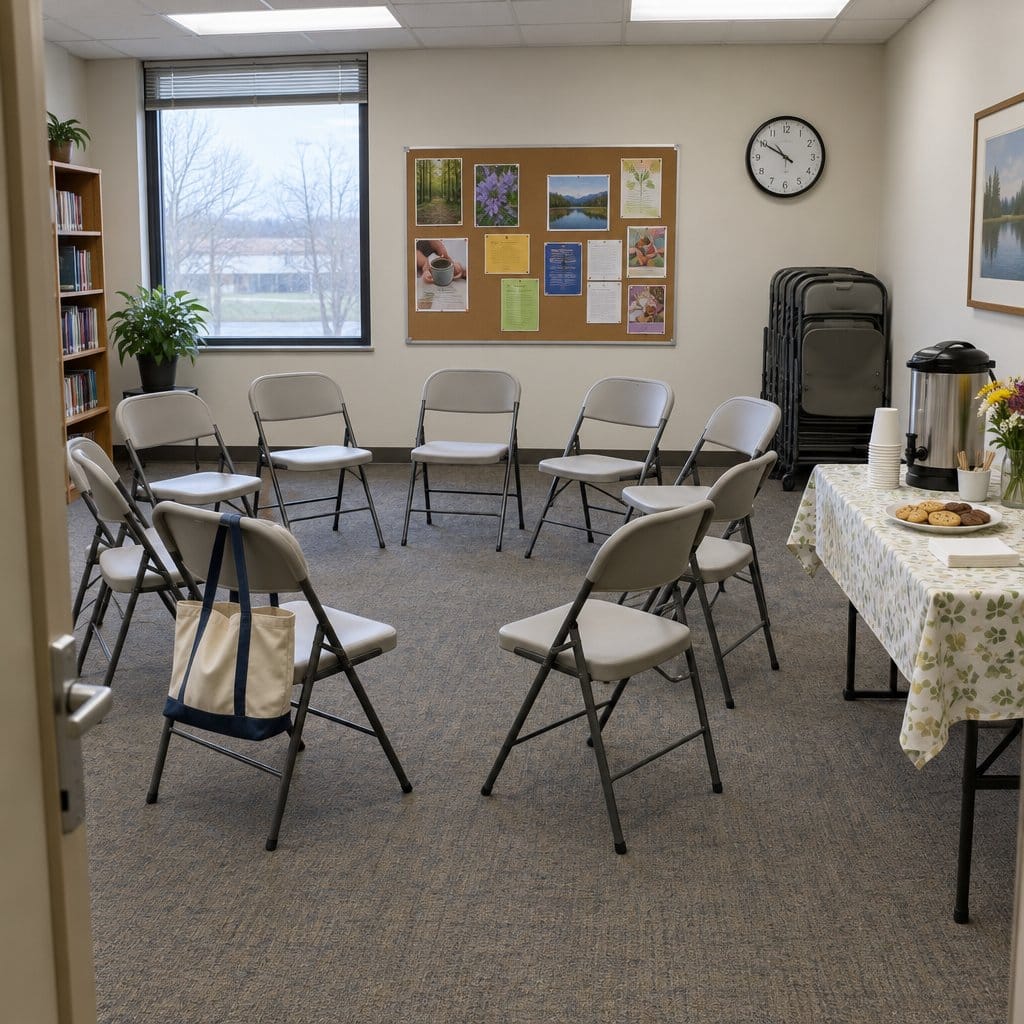
Let’s take the worry out of that first meeting. Everyone feels nervous walking into a new group, and that’s completely normal.
Before You Go or Join
Read the community guidelines or group description carefully. This tells you what to expect and how the group operates.
If it’s an online community, spend time observing posts before jumping in. Watch how people interact. Notice what kinds of questions get helpful responses.
For in-person meetings, prepare one sentence about yourself: “Hi, I’m [Name]. I’m new to [hobby] and excited to learn from people with more experience.”
Remind yourself that everyone was new once. The people who’ve been in the group for years remember what it felt like to walk in that first time.
During Your First Meeting or Post
For in-person meetings, arrive slightly early. This gives you time to chat with people one-on-one, which feels less overwhelming than facing a full group.
Online, start by liking or reacting to posts before writing your own comments. This helps you get comfortable with the community’s tone and style.
Use a simple introduction when you’re ready: “Hi, I’m [Name]. I’m new to [hobby] and excited to learn from this community. Looking forward to connecting with you all.”
Listen more than you talk at first. Ask questions. People genuinely love sharing what they know.
Specific Scripts That Work
“I’m just starting out with [hobby]. Any advice for a beginner?”
“This is my first time here. What should I know about how the group works?”
“That’s fascinating! How did you get into [specific technique or aspect]?”
These questions show genuine interest and give others an easy way to help you feel welcome. If you’d like more ways to start natural conversations that feel comfortable rather than forced, having a few go-to phrases in your back pocket makes those first interactions significantly easier.
Realistic Expectations Matter
First meetings are always a little awkward. That’s normal, not a sign you chose the wrong community.
You’re not committing to anything by showing up once. Real connection typically happens after two or three visits, not during the first.
Not every community will be the right fit, and that’s perfectly okay. You’re gathering information, not making a lifetime commitment.
The Three-Visit Rule Changes Everything
Here’s what you may notice: the benefits of community membership tend to kick in after repeated visits, not after a single one.
What Changes with Consistency
First visit: Everyone feels like an outsider. Even people who’ve been attending for years felt this way once.
Second visit: People start recognizing you. Conversations pick up where they left off.
Third visit: You begin to feel like you belong. Inside jokes make sense. You know where to sit and who to talk to.
After showing up consistently, you might notice some changes: better sleep, less anxiety, an increased sense of purpose, more social interactions outside the community, and more satisfaction with life.
The difference between “tried it once” and “felt part of something” is showing up more than once.
The Challenge
This is where most people give up, right before it starts to feel good.
Not every community will be perfect for you. You might realize after three visits that a group’s vibe doesn’t match what you’re looking for. That’s valuable information, not failure.
Ages vary. Some groups are intergenerational, others skew older or younger. You’re looking for a place where you feel comfortable being yourself.
Internal group dynamics matter. Some communities have been together so long that breaking in feels difficult. Others explicitly welcome and integrate newcomers. Pay attention to how you’re being received.
Looking for more ways to stay engaged and connected during retirement? Join our newsletter for practical tips on living with independence, purpose, and joy.
Your 30-Day Action Plan
Let’s make this concrete with a step-by-step plan that takes you from “thinking about it” to “part of a community” in one month.
Week 1: Research Phase
Choose your hobby or your top three interests if you’re still exploring.
Spend 30 minutes researching communities using the options I outlined earlier. Bookmark 3 to 5 that feel promising based on their descriptions, meeting times, and member reviews.
Read guidelines and descriptions without joining yet. You’re gathering information, not committing to anything.
Week 2: Observe
Join 2 or 3 online communities where you can observe without participating. Lurking is perfectly acceptable at this stage.
Spend 15 minutes daily reading posts and understanding the group dynamics. Ask yourself: “Do I feel welcomed here based on how people interact? Is this group active and engaged?”
Rule out any communities that feel off. Trust your instincts.
Week 3: Gentle Entry
Attend your first in-person meeting or post your first comment.
Use the scripts I provided if you need them. Stay for the whole event or conversation even if you feel awkward.
Notice who made you feel welcome. These are the people you’ll naturally gravitate toward in future meetings.
Week 4: Build Consistency
Show up again. This is where real community building starts: on attendance number two, not number one.
Make one small connection: exchange contact information, suggest coffee with someone you clicked with, or respond to someone else’s question or post.
Commit to weekly attendance, or posting 2 to 3 times per week for online communities.
Checkpoint Questions
After 30 days, ask yourself:
Do I feel like I belong here? Are there people I look forward to seeing or connecting with? Am I learning and growing?
If you answer yes to two out of three, deepen your commitment to this community. If you answer no to all three, try the next option on your list. The right fit absolutely matters.
Find Your People
Circle back to where we started: the difference between practicing a hobby alone versus with community.
The person who becomes your closest retirement friend might be at the next meetup you attend. The technique that finally makes your hobby click might come from someone who struggled with the same challenge last year.
Retirees who build community around their hobbies often find they enjoy life more. Not because the hobby itself changed, but because they found their people.
Many people are discovering that choosing communities based on shared interests rather than obligation creates deeper, more meaningful connections.
The awkwardness you’ll feel walking into that first meeting? Everyone in that room felt it once. You’re not alone in that nervousness.
What hobby community are you considering? What’s holding you back from taking that first step?
Your hobby just became something much better when you find your people. Now go find them.