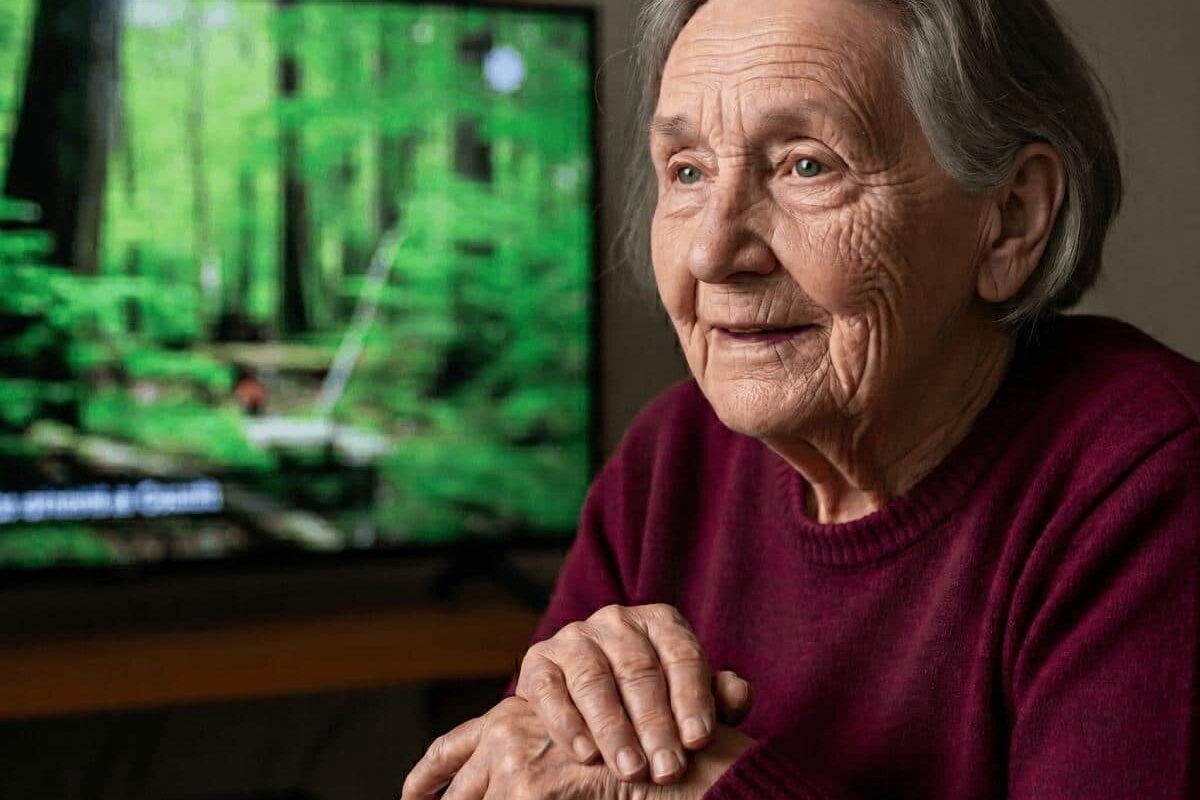
There are weeks when getting outside just doesn’t happen. A stretch of icy sidewalks. A recovery period that runs longer than expected. A season when the cold wins, or a living situation where outdoor access is genuinely limited.
If you’re recovering from a foot or ankle injury and want to get out sooner, a knee walker for getting outdoors without crutches can make fresh air possible again.
If you’ve felt the difference — a heaviness, a disconnection, a flatness that settles in after too many days without fresh air or green things — you’re not imagining it. Research is clear that nature connection contributes meaningfully to sleep quality, stress regulation, and mood. Missing it is a real loss.
The good news is this: the benefits don’t require a garden, a park, or even a good day outside. With a few deliberate changes, you can bring those benefits indoors — and the strategies are smarter and more varied than most people expect.
Let me walk you through exactly how to do it.
Indoor Nature Connection: Simple Ideas That Actually Work
Discover the five essential bank security settings that block the vast majority of fraud before it happens—no complicated steps or technical knowledge required.
What the Research Actually Shows About Nature and Your Health
The science here is more specific than most people realize.
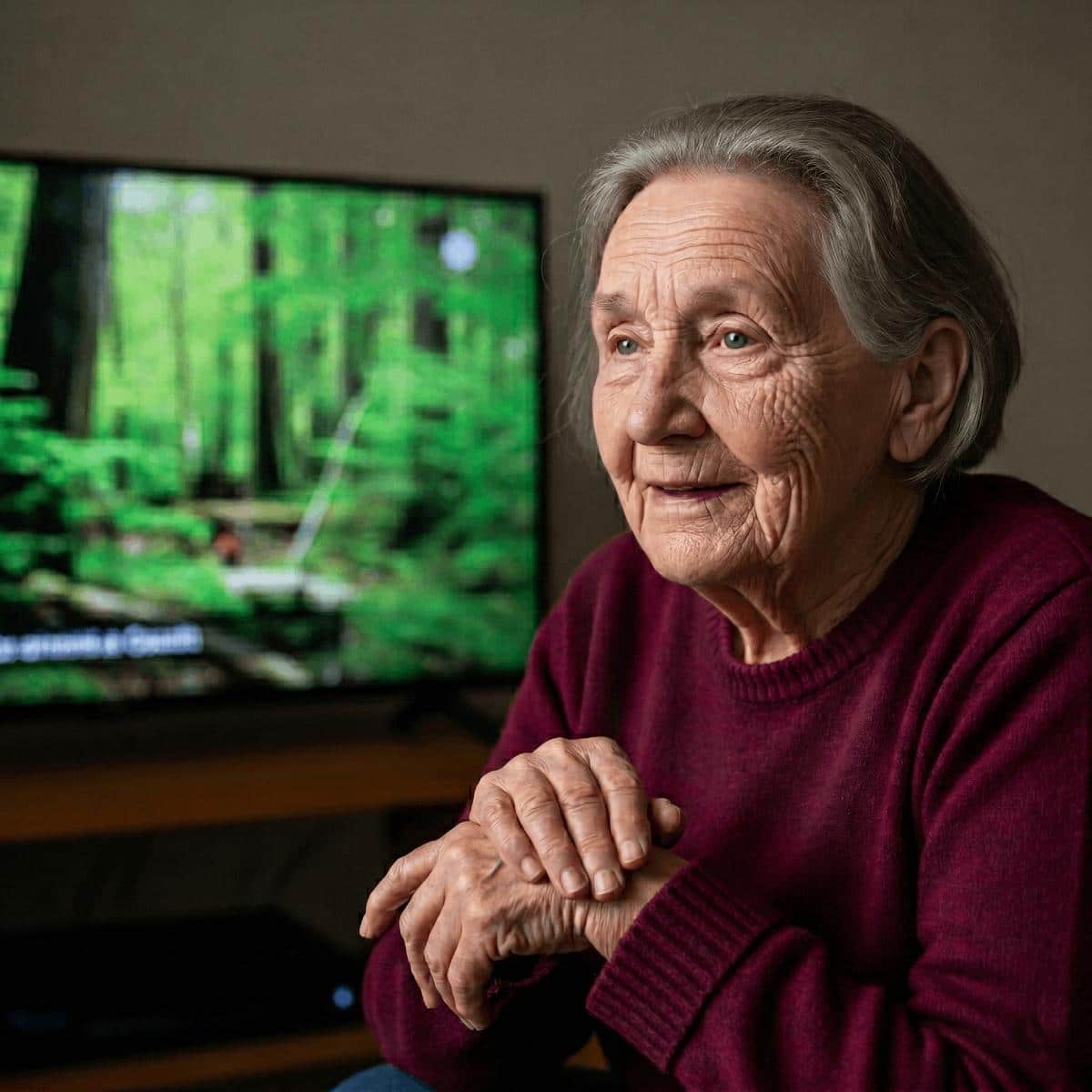
Studies in hospital and care settings have consistently found that patients and residents with windows facing trees or outdoor green spaces recover faster, sleep better, and report lower stress than those facing walls or interior corridors. These weren’t minor differences — they showed up in pain medication use, recovery timelines, and quality-of-life measures.
What makes this relevant indoors is the mechanism behind it: your brain and body respond to visual, auditory, and sensory cues from nature — not just to being physically outside. The same stress-reducing response triggered by a walk in the park can be activated, at least partially, by a window view with movement, by the sound of rain or birdsong, or by the presence of living plants nearby.
After 60, this matters even more. Stress hormone regulation, sleep quality, and cognitive engagement all become more sensitive to environmental inputs. That means the environment around you — inside your home or room — has more influence on how you feel than it did decades ago.
This isn’t about settling for less. It’s about being strategic.
Start With the Window — Your Most Powerful Nature Tool

Before you buy anything, look at where you spend most of your time sitting.
If your primary chair, reading spot, or morning seat faces a wall, a television, or an interior space — that’s the first thing to change. Repositioning your seating to face the best available window costs nothing and can shift your daily experience immediately.
Even a single tree, a patch of sky, or a small yard view counts. Movement matters most: wind in branches, birds passing, light changing through the day. Your brain registers all of it.
Morning light is particularly valuable. Natural light through a window — even filtered through glass — helps regulate your circadian rhythm, supports alertness, and sets the stage for better sleep that night. Positioning yourself near a window in the morning is one of the simplest things you can do for your overall wellbeing.
Once your seating faces a window, the next step is to make that window active.
Window bird feeders — specifically suction-cup models designed to attach directly to glass — turn a static view into a living display. You get movement, variety, and something genuinely worth watching throughout the day. Research on birdwatching in older adults has found reductions in anxiety and improvements in mood, in part because it provides purposeful, low-demand attention that quiets mental restlessness.


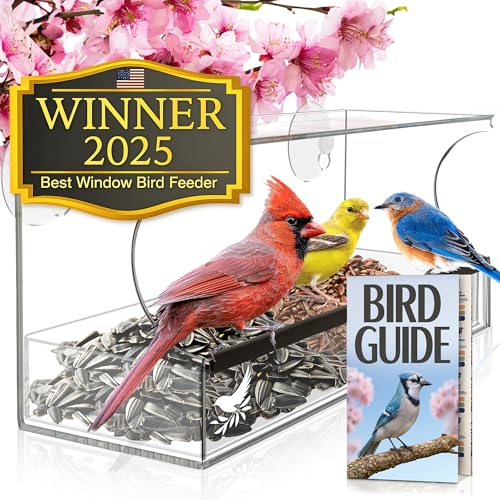
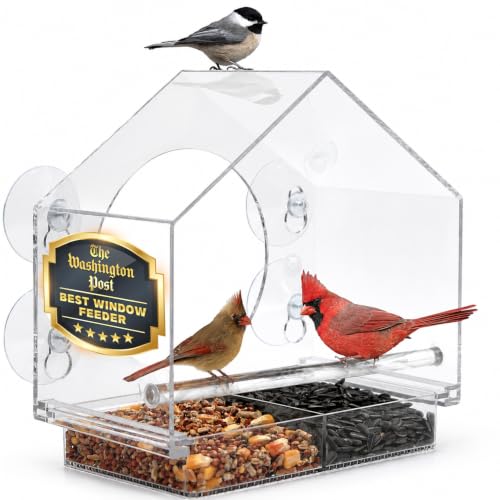

Think about the difference between a chair facing a blank wall and the same chair repositioned to face a window with a bird feeder attached. Same room. Meaningfully different daily life.
If you’re setting this up for a parent in an apartment or care facility, suction-cup feeders work on most window glass and require no outdoor access — you can refill them from inside with a simple reaching tool.

Bring Living Nature Inside With Plants and an Herb Garden
Indoor plants deliver measurable benefits — and I don’t mean that loosely.
Studies have found that the presence of living plants in indoor environments reduces stress markers, improves air quality, and supports a sense of nurturing responsibility that contributes to purpose and routine. For older adults managing feelings of isolation, the act of caring for something living has documented psychological benefits.
The best low-maintenance options for seniors include pothos, snake plants, peace lilies, and spider plants. These are forgiving, require minimal attention, and provide continuous green presence without expertise. A single plant near a window or on a side table is enough to start.


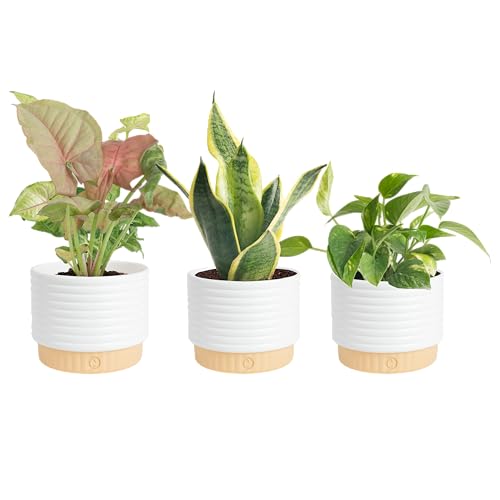
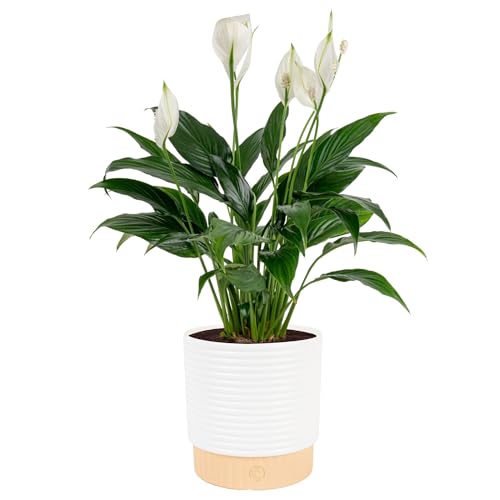
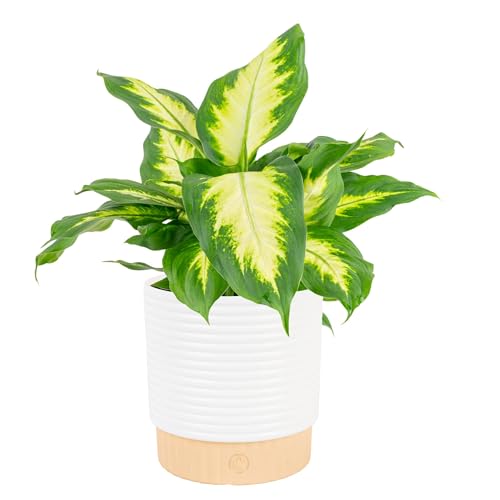

One important note: Some common houseplants are toxic if ingested. For seniors with dementia or cognitive changes, plant selection should be reviewed carefully — stick with known non-toxic varieties or keep plants out of easy reach.
Beyond basic plants, an indoor herb garden kit offers something richer: a full sensory experience. Countertop growing systems that require nothing more than water and light engage smell (fresh basil, mint, rosemary), touch (tending and harvesting), and taste — and they provide a gentle daily tending ritual that supports routine and a sense of contribution.


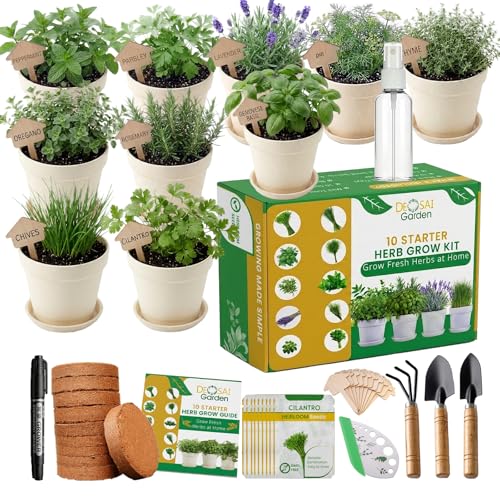
Picture a small kitchen windowsill with a compact herb kit. The scent of fresh herbs while making morning tea. Snipping rosemary for a meal. That’s a simple but genuinely enriching daily experience that didn’t exist before.
Start with one low-maintenance plant and one herb kit — not a full transformation. Small and consistent beats big and occasional.
Want more practical strategies for aging well at home? Subscribe to the Graying With Grace newsletter for expert-tested tips and ideas delivered directly to your inbox.
The Sound and Light of the Outdoors — Without Stepping Outside
Two of the most significant nature deficits in indoor environments are sound and light — and both have practical, research-supported solutions.
Nature Sounds
Studies consistently find that nature audio — birdsong, rain, flowing water, forest ambience — lowers cortisol, reduces perceived pain, and supports sleep onset. These aren’t subtle effects. In care settings, nature sound environments have shown calming results even for residents with moderate to advanced dementia, reducing agitation during difficult transition times like late afternoon.
A dedicated nature sound machine is worth considering over a phone or tablet for many older adults: simpler controls, better speaker quality, and no notifications or distractions. Running nature sounds as ambient background during the day, or specifically at bedtime, creates a consistent sensory signal that your nervous system recognizes as safe and restorative.


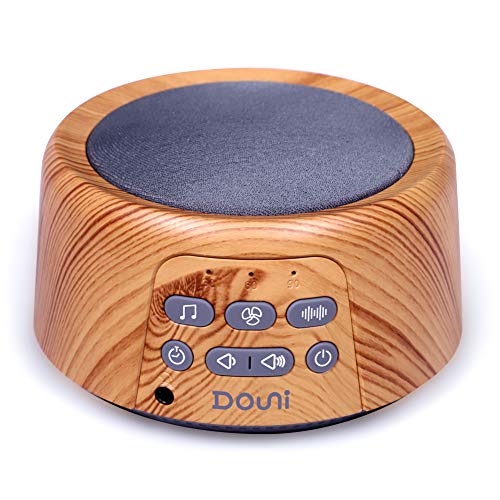


This connects directly to sleep challenges that many older adults face — creating a calm sound environment is one of the lower-effort changes with real sleep impact.
Full-Spectrum Light Therapy
Limited outdoor light exposure disrupts circadian rhythm, suppresses melatonin production, and contributes to seasonal mood changes and daytime fatigue — all concerns that intensify with age, in winter months, or in facility settings where outdoor time is limited.
Light therapy lamps that simulate natural daylight can meaningfully address this. Twenty to thirty minutes of morning exposure supports mood, alertness, and sleep quality in a way that indoor artificial lighting simply doesn’t.


Most people tolerate light therapy well, but seniors with certain eye conditions or those taking photosensitizing medications should check with their doctor before starting.
My suggested morning routine: 20 minutes of light therapy while a nature sound machine plays softly. That pairing — light and sound — creates a simple, powerful daily nature simulation that takes no effort once it’s set up.
Sensory Nature Activities and Virtual Experiences

For seniors with significant mobility limitations or cognitive changes, two additional strategies extend nature connection in practical ways.
Tactile Nature Engagement
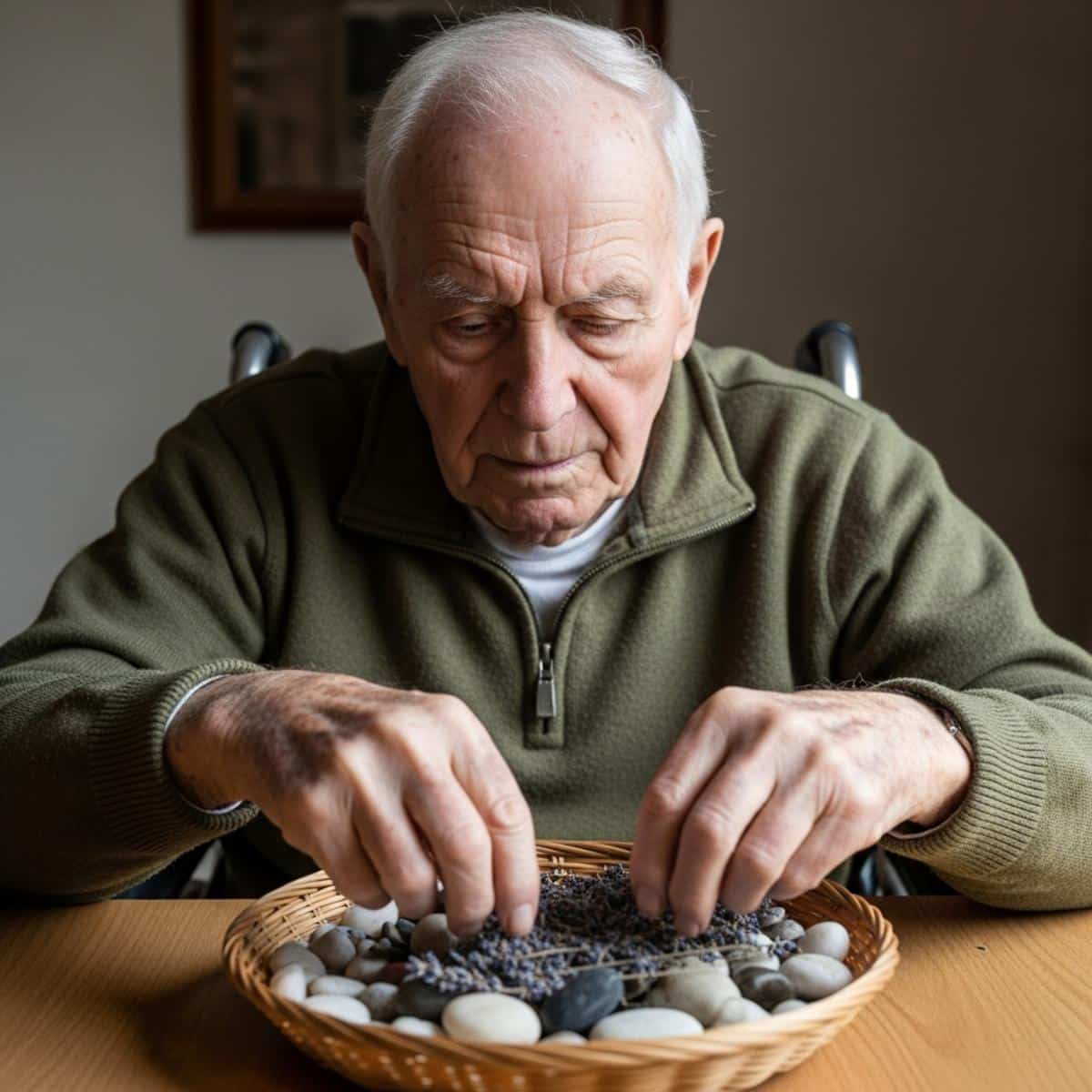
For someone who can’t engage actively with plants or bird feeders, natural materials in a small tactile tray or basket offer genuine sensory connection: smooth river stones, pinecones, dried lavender, shells, bark, dried flower petals.
If you can sit by a window, bird-watching as a hobby for seniors is another gentle way to feel close to nature.
These can be collected by family members at no cost and arranged as a sensory activity. For seniors with dementia, this approach is particularly valuable — meaningful sensory engagement reaches people who can no longer articulate what they need but respond visibly to touch, scent, and texture. The response to familiar natural materials is often immediate and calming.
Virtual Nature
While screens don’t replace physical nature, research does suggest that high-quality nature video activates some of the same stress-reduction responses as real outdoor exposure.
A few free resources worth bookmarking:
- BBC Earth and PBS Nature documentaries — available through streaming services most people already have
- Cornell Lab of Ornithology live bird feeder cams — free online, updated year-round with feeders across North America
- National Park Service virtual tours — free 360-degree experiences from parks across the country
These aren’t filler. They’re genuinely useful for days when other options aren’t available.
Bringing It Together: The Nature Corner
The most powerful version of everything in this article is a dedicated corner of a room — a chair facing a bird feeder window, a small plant on the sill, a sound machine on the side table, a bowl of smooth stones and dried lavender within reach.
Same four walls. Transformed daily experience. This kind of layered environment — visual, auditory, and tactile nature cues working together — is what research on combating senior isolation points to when it describes meaningful environmental enrichment.
Indoor Nature Connection: Simple Ideas That Actually Work
Discover the five essential bank security settings that block the vast majority of fraud before it happens—no complicated steps or technical knowledge required.
Start With One Thing Today
Nature connection isn’t a luxury. It’s a documented contributor to sleep, mood, stress regulation, and cognitive engagement — and none of the strategies in this article require a garden, a park, or even a good day outside.
You don’t need to do all of this at once. Pick the one strategy that resonates most — reposition a chair toward a window, order a window bird feeder, run a nature sound machine tonight at bedtime — and start there.
Whether you’re doing this for yourself or for someone you love, one small change can shift the daily experience in ways that genuinely matter. Staying connected to the natural world is one of the simplest, most affordable things you can do for long-term wellbeing.
What strategy are you going to try first? Share it in the comments — I’d love to hear what’s working for you or for a loved one.