

You’ve sat across the table from your loved one, coloring book open, crayons lined up neatly. They look through you—not at you. You smile, try again, and quietly wonder if you’re doing something wrong.
You’re not.
The coloring book wasn’t a failure of effort. It was simply the wrong key for that particular door.
And there are better keys—activities rooted in long-term memory, personal identity, and sensory experience that can unlock real moments of presence and recognition, even in moderate to advanced dementia.
Understanding why some activities fail is the first step toward finding the ones that actually work.
Dementia Activity Matching Guide: What Works and When
Get our free collection of 50+ conversation starters designed specifically for older adults and their loved ones—no forced small talk or awkward pauses required.
Why Coloring Books—and Activities Like Them—Often Miss the Mark
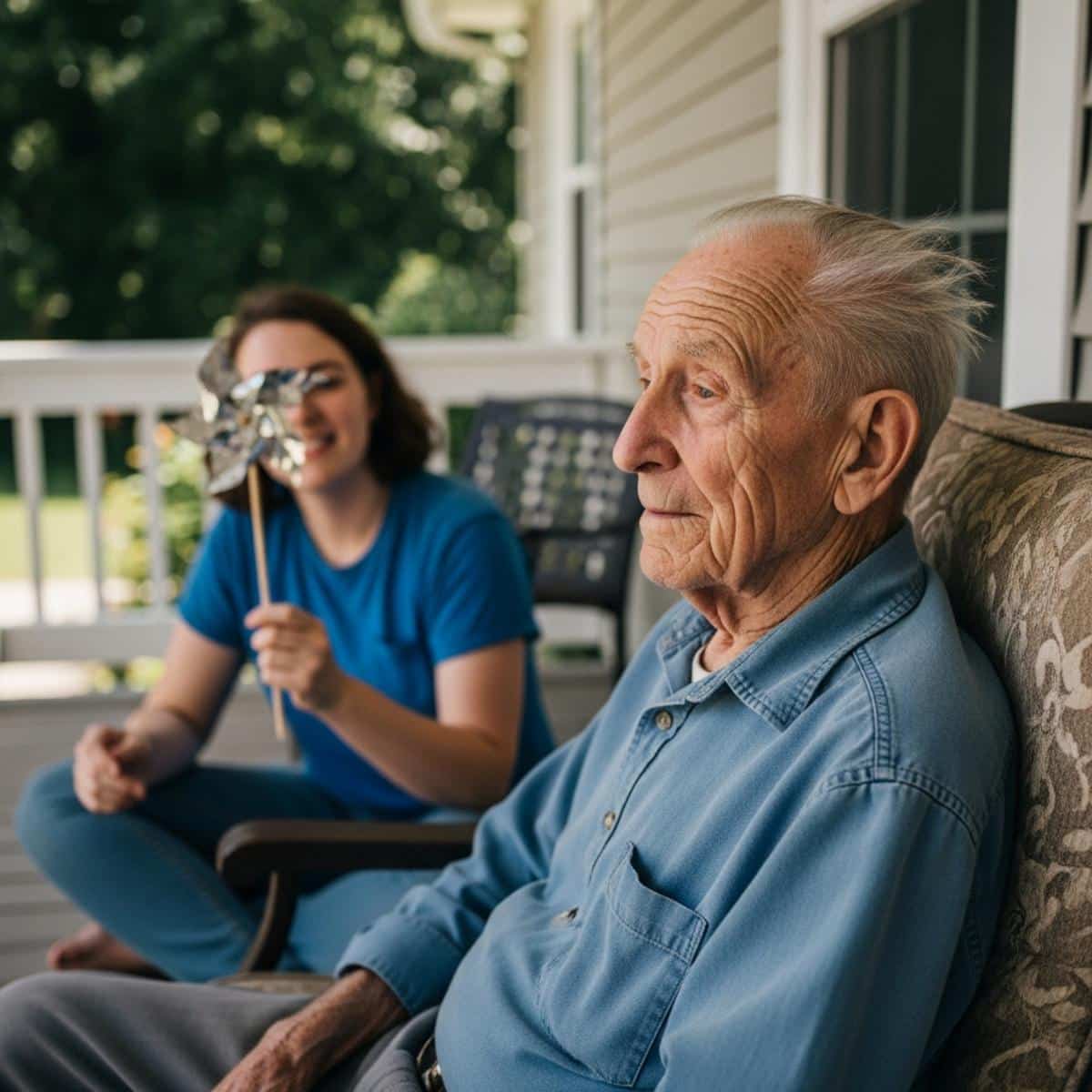
The most common dementia activity recommendations share a hidden flaw: they require present-moment cognitive engagement—following instructions, holding attention, learning steps.
Dementia progressively impairs exactly that kind of processing.
What it leaves more intact, especially in earlier and moderate stages, is long-term memory—the decades-deep reservoir of identity, skills, and lived experience.
When an activity demands more than the person’s current capacity allows, disengagement is the natural result. Caregivers call this feeling like failure. What it actually is: a mismatch between the activity’s design and the person’s current cognitive reality.
Think about the difference between a person who withdraws from a coloring sheet—and that same person lighting up when someone plays a song from their wedding year, or hands them a familiar household object they’ve held thousands of times before.
The goal isn’t finding activities they can complete. It’s finding experiences that don’t require completion to create connection.
The brain’s long-term memory system—the one holding a lifetime of identity, skills, and experience—stays accessible far longer than most caregivers realize.
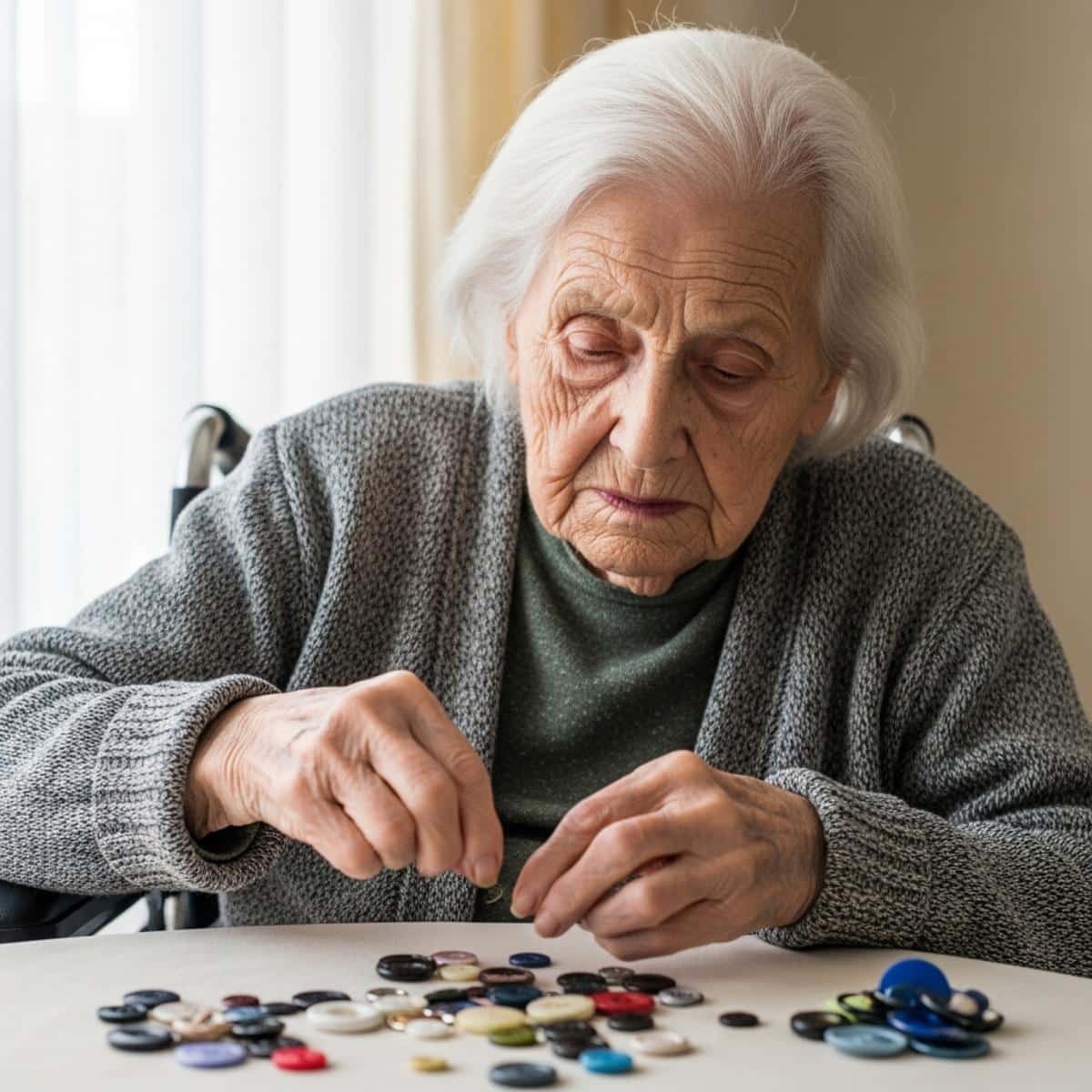
The Long-Term Memory Advantage: Start With Who They Were
Autobiographical memory and procedural memory—the kind that remembers how to fold a towel or set a table—remain more intact in dementia than short-term memory. That’s not a small window. That’s a doorway.
Life story activities rooted in personal history can reach people when present-moment activities cannot.
Here are specific approaches that work:
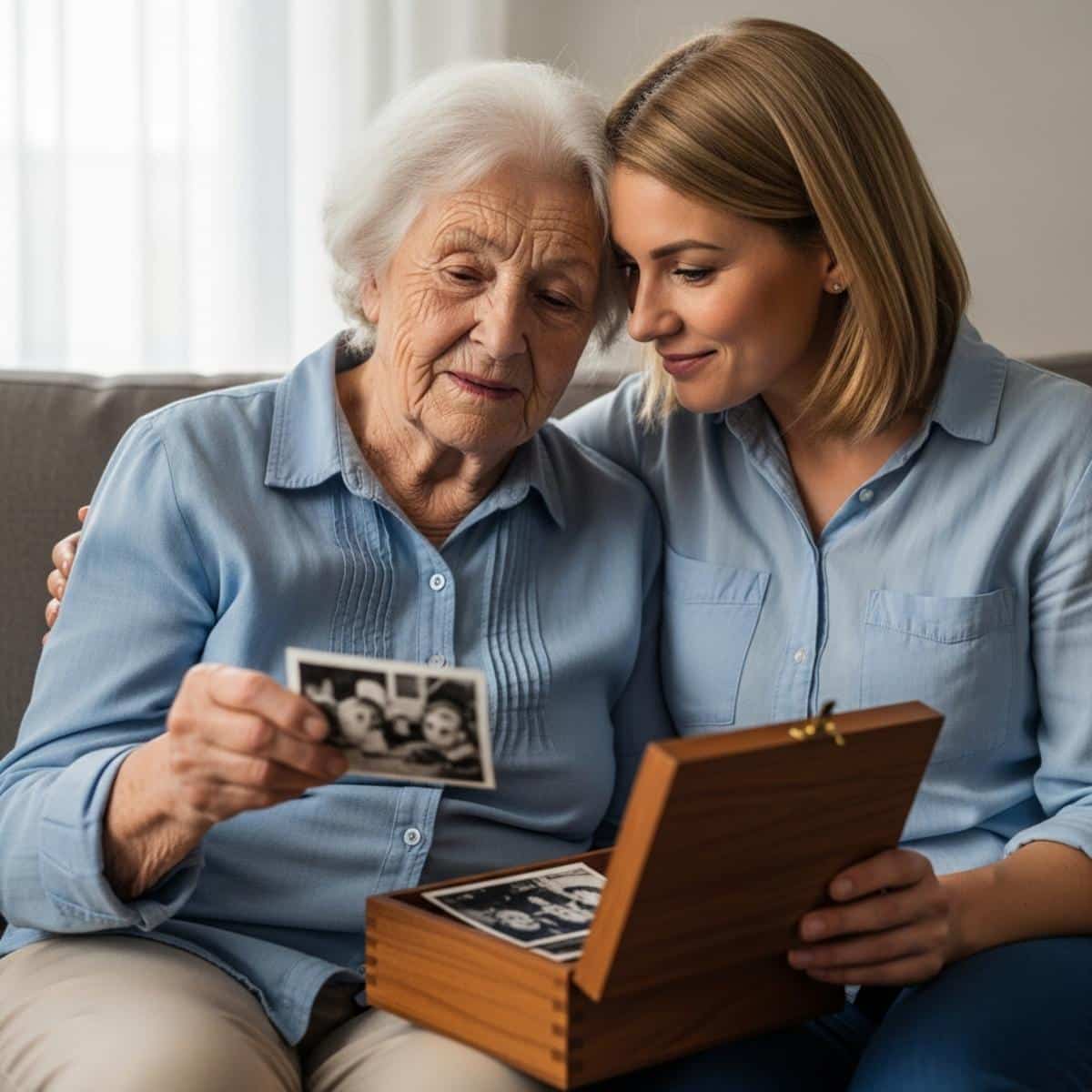
- Memory boxes: Fill a box with meaningful objects from their past—a carpenter’s measuring tape, a teacher’s grade book, a gardener’s seed packet. Let them handle familiar objects, not perform tasks.
- Guided photograph prompts: Instead of “Do you remember who this is?” (which creates pressure and potential failure), try “Tell me about this person.” Invite, don’t quiz.
- Role-based activities: Folding laundry, sorting objects by color or category, setting a table, organizing a drawer. These echo lifelong competencies through muscle memory and restore a quiet sense of purpose and dignity.
You’re not asking them to learn something new. You’re inviting them back into something they already know at a level deeper than words.
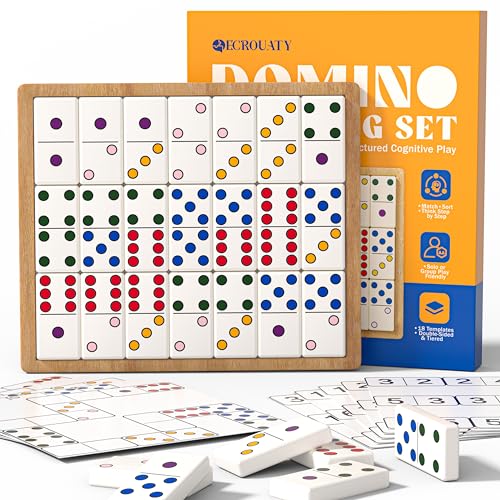


Families who use reminiscence tools like life story journals and organized photo prompts often find that having materials ready—rather than scrambling to find the right photo or object in the moment—makes consistency much easier. Tools like dedicated memory display systems can keep meaningful images visible throughout the day without requiring any action from your loved one.
For more on how structured reminiscing benefits both the person with dementia and the caregiver, the science behind reminiscence therapy explains why this approach works at a neurological level—and how even brief sessions produce measurable results.
Music Is the Deepest Access Point—Here’s Why It Works
Music from a person’s formative years—roughly ages 15 to 25—is stored differently in the brain. It’s connected to emotional memory and identity in ways that remain retrievable even when other memories have significantly faded.
This isn’t wishful thinking. It’s one of the most consistently documented observations in dementia care.
What you’re looking for when you play era-specific music:
- Spontaneous humming or singing along
- Rhythmic movement—tapping a foot, swaying
- A visible shift in expression—softening, brightening
- Brief unprompted words or memories surfacing
How to find the right music: Ask family members what they remember playing in the house. Look for era-specific playlists from the 1950s, 60s, or 70s depending on their age. Pay attention to what sparks a visible reaction—that’s your signal to return to that song, that artist, that era.
Music also works as a bridge before other activities. A person who is withdrawn and uncommunicative may become more accessible—calmer, more present—after five minutes of familiar music. Use it to open the door before you bring in the memory box or the photograph.


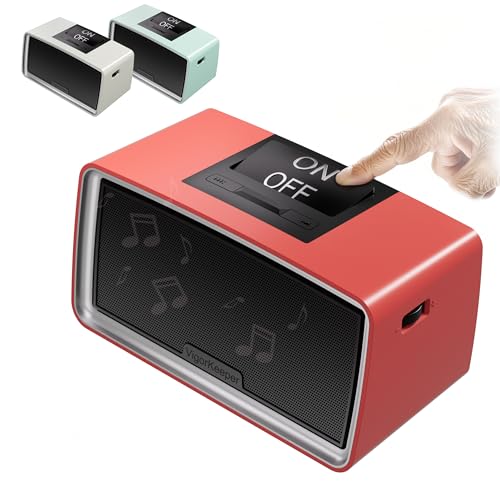


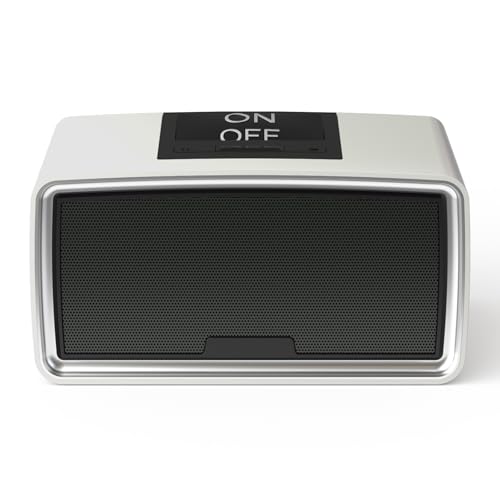

Many caregivers set up simple dedicated music players pre-loaded with era-specific playlists so their loved one can access familiar music without needing to navigate technology. Consistency matters more than variety here—the same beloved songs, reliably available, create comfort and predictability.
Ready to discover more compassionate strategies for dementia caregiving? Subscribe to our newsletter for expert-tested guidance and trusted product recommendations designed specifically for older adults and the people who care for them.
For caregivers managing the broader emotional weight of this role, understanding the health effects of isolation on your loved one reinforces why these moments of connection—however brief—are genuinely protective, not just comforting.
Sensory Engagement: Reaching the Person Through Touch, Scent, and Familiar Experience
When language and recent memory fail, the senses remain.
Sensory memory is deeply tied to emotional memory. A familiar smell, a recognizable texture, a taste from childhood—these can trigger recognition and calm when words no longer can.
Sensory activities grounded in personal history:
- For someone who gardened: Handling soil, holding seed packets, touching plant leaves, smelling fresh herbs
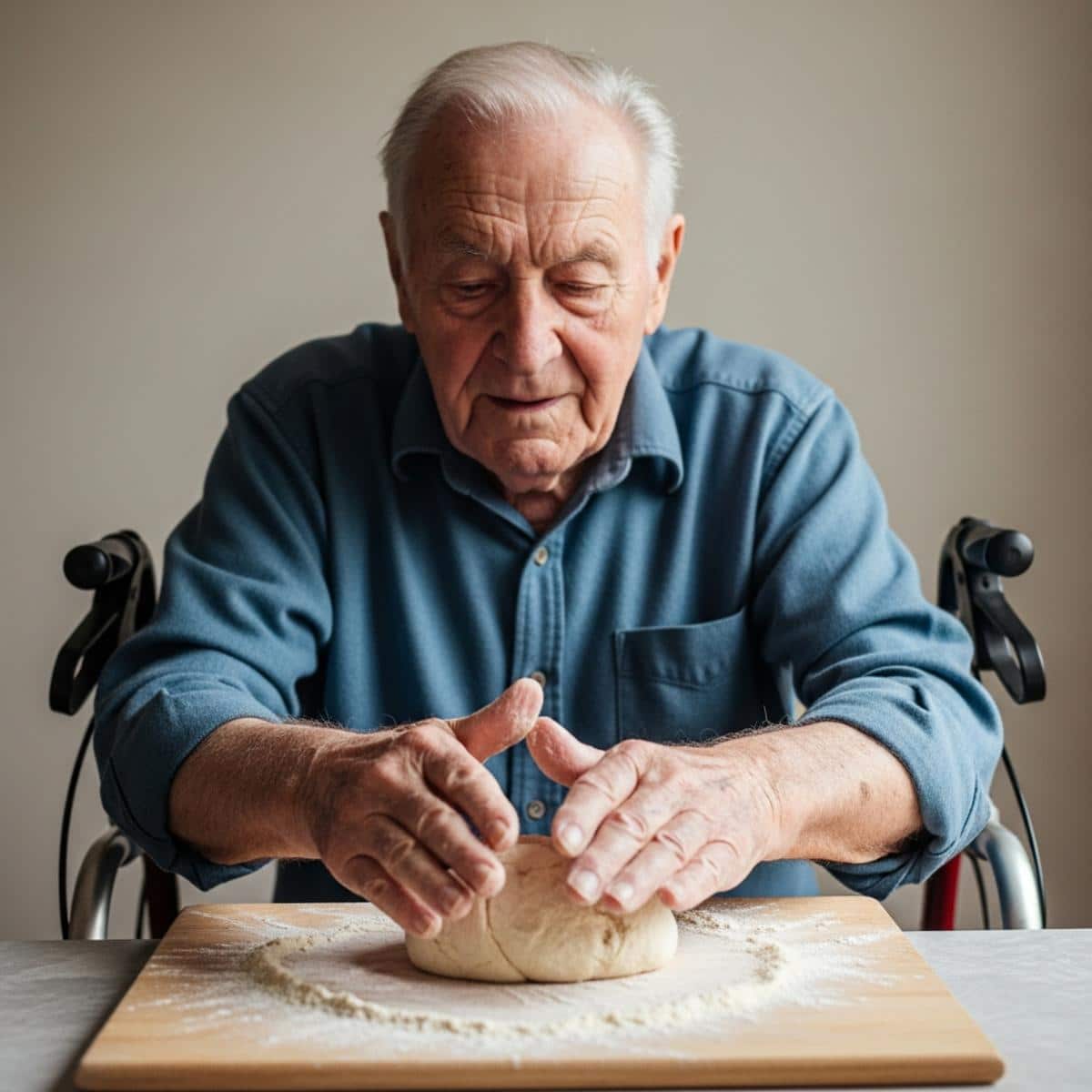
- For someone who cooked: Kneading dough, smelling cinnamon or vanilla, holding wooden spoons or familiar kitchen tools
- For someone who sewed or crafted: Feeling different fabric textures, sorting buttons by size or color, holding familiar tools
- Scent as a mood shifter: A specific soap they’ve used for decades, a baking smell, a familiar cologne or perfume—these can reduce agitation and shift the emotional tone of a visit before a single word is spoken
Intergenerational connection belongs here too. The uncomplicated, sensory-rich presence of young children—sitting close, laughing, playing with simple objects—often works beautifully in ways that structured adult activities do not. There’s no pressure, no right answer, no task to complete.

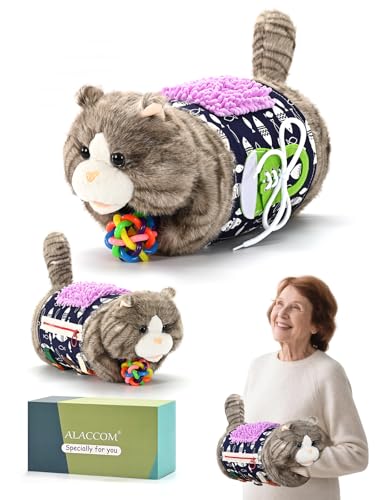


Sensory activity kits designed for dementia care—which typically include textured objects, familiar household items, and scent-based elements—give caregivers ready-to-use options without needing to assemble materials from scratch each visit. Having them prepared in advance removes one more barrier on a hard day.
If you’re also thinking about how the physical environment supports or undermines your loved one’s sense of safety and calm, what an unsafe home does to a senior’s brain and body is worth reading alongside these activity strategies.
Dementia Activity Matching Guide: What Works and When
Get our free collection of 50+ conversation starters designed specifically for older adults and their loved ones—no forced small talk or awkward pauses required.

The Mindset Shift That Changes Everything: Measuring Moments, Not Milestones
This is the piece most caregiving guides skip—and it may be the most important one.
The pressure to complete an activity creates stress for both of you. It sets an invisible standard that the interaction rarely meets. And when it doesn’t meet that standard, caregivers go home feeling like they failed.
What genuine engagement actually looks like in dementia care:
- A change in facial expression
- A softened posture
- Brief eye contact that feels like recognition
- A hummed melody
- A hand reaching out
- A single word, spoken clearly
Those are not small things. Those are everything.
Caregiver guilt in this context often comes from comparing to an unrealistic picture of what ‘good activity time’ should look like—a full conversation, a completed craft, sustained engagement for thirty minutes. That picture doesn’t match the reality of dementia, and measuring yourself against it will only exhaust you.
Showing up consistently for small moments matters more than engineering a perfect interaction. Two minutes of hand-holding while a familiar song plays is a success. A brief smile when you hand them a photograph is a success.
If you’re carrying the weight of caregiver fatigue on top of grief, you already know how depleting this role can be. Reframing what success looks like isn’t lowering the bar—it’s placing the bar where it actually belongs.
You are not failing when the coloring book goes untouched. You are succeeding every time you create a moment where the person you love feels known.
The Person Is Still There
The person shaped by decades of life, love, work, and memory is still present. They simply need a different kind of invitation to come forward.
You don’t need a degree in memory care to reach them. You already hold the most powerful tool available: knowledge of who that person has always been.
A carpenter’s hands still know how to grip. A teacher still responds to being asked a question. A gardener still leans toward green growing things.
Start there.
Choose one activity from this article this week—just one. Try it. Notice what happens, even if what happens is small. Then share it in the comments below, because your experience may be exactly what another caregiver needs to hear today.
And if you’re looking for more support in the memory care and dementia caregiving space, understanding when a loved one may need specialized memory care can help you plan ahead with clarity rather than in crisis.



![Bubble word search dementia activity 1200 x 800 px[1]](https://www.grayingwithgrace.com/wp-content/uploads/2025/01/bubble-word-search-dementia-activity-1200-x-800-px1-450x300.jpg)


