

There’s a particular kind of quiet that settles in around mid-afternoon.
The coffee’s gone cold. The phone hasn’t rung. You’re fine — but you’re also aware of a low-level ache that doesn’t quite have a name.
That’s the kind of loneliness most people never mention. Not dramatic. Not a crisis. Just a background hum that becomes so familiar you stop noticing it — until you realize it’s been there for weeks.
Here’s what research shows: that quiet, undramatic loneliness carries real health consequences. The chronic kind has been compared to smoking 15 cigarettes a day in terms of its impact on longevity. Not because it feels catastrophic — but because it compounds, quietly, over time.
The good news?
The fix doesn’t require joining a club, overhauling your schedule, or making anyone feel like a burden. It requires less than 10 intentional minutes a day. And what makes this approach different is its focus on the quality of small connection moments — not the quantity of social obligations.
Why Small Moments of Connection Work Better Than You’d Expect

Most people assume that more time with others equals less loneliness. That’s not quite how it works.
The size of a social interaction isn’t what determines its impact. What matters is whether you feel seen and valued during it.
A five-minute conversation where someone feels genuinely heard can outperform two hours of passive togetherness — sitting in the same room, watching TV, existing in parallel without really connecting.
Your brain registers intentional connection differently from incidental contact. A brief exchange where someone asks a real question, listens to the answer, and responds with care activates a sense of belonging that background presence simply doesn’t replicate.
Older adults often underestimate the impact they have on others during these brief exchanges. A phone call that feels small to you can be the brightest part of someone else’s day.
You don’t need more time with people. You need more intentional moments with people. Those are not the same thing — and one of them is completely within reach today.
Research into reminiscence and meaningful conversation consistently shows that brief, emotionally present exchanges do more for wellbeing than longer interactions that stay on the surface.
The Micro-Connection Method: 3 Daily Actions That Take 10 Minutes Total

Three specific micro-habits, each taking just a few minutes, can meaningfully reduce the daily experience of loneliness when practiced consistently.
This isn’t a social calendar. It’s a 10-minute daily ritual that signals to your brain — and to the people in your life — that connection is a priority.
Action 1: The Morning Message (2–3 Minutes)
Send one text, voice message, or handwritten note to someone you’re thinking about.
It doesn’t need to be long. It just needs to be genuine — a memory, a question, something that says ‘I thought of you today.’
The act of sending matters as much as receiving a response. You’re not waiting for connection to come to you. You’re initiating it.
Personalized greeting card subscription services make this even easier — curated, ready-to-send cards arrive monthly so the ‘I want to reach out but don’t know what to say’ barrier disappears entirely.







Action 2: The Meaningful Check-In (5 Minutes)
One brief but intentional conversation per day — not small talk, but one real question.
‘What’s been the best part of your week?’ or ‘Tell me something that made you smile lately.’
Depth, not duration, is what registers in the brain as genuine connection. Five focused minutes beats thirty distracted ones every time.
Action 3: The Anticipation Builder (2–3 Minutes)
Create something to look forward to in your correspondence.
A letter you’re writing over several days. A card you’re preparing to send. A photo you’re gathering to share.
Anticipation itself has measurable mood-lifting effects. Having something to look forward to — even something small — changes how the whole day feels.
When the technical side of reaching out feels like the obstacle, simplified tablet setups designed for seniors (like the Amazon Echo Show) make video calls as easy as saying someone’s name. Lowering friction to nearly zero makes following through on these micro-habits much more likely.



This isn’t about filling a schedule. It’s about feeding a real need — consistently and without drama.
The Connection Anchor Technique: Attaching Connection to What You Already Do

The most effective habits are the ones attached to existing routines. Connection habits are no different.
This is sometimes called ‘habit stacking’ — pairing a new micro-habit with an existing daily anchor so you never have to remember to do it separately.
Simple Connection Anchors That Work
- Write one card while morning coffee brews
- Send a voice message during a TV commercial break
- Make a 5-minute call as part of a daily walk
- Text someone a photo from your day right after lunch
The predictability of an anchor routine also creates something valuable: a sense of purpose and rhythm. Days with structure feel different from days that drift.
Consider the difference between someone who intends to call family ‘when I have time’ and rarely does — versus someone who has made a standing 5-minute call part of their morning coffee ritual and never misses it. Same desire. Completely different outcome. Not because of discipline, but because of structure.
You’re not adding something to your day. You’re enriching something that’s already there.
For video calls as a connection anchor, devices like the Amazon Echo Show or GrandPad tablets make it possible to connect with a single tap — no navigating complex interfaces, no forgotten passwords. That kind of frictionless access makes the habit stick.
Staying socially connected has documented benefits for cognitive health — including reduced dementia risk and lower stress-driven inflammation. The micro-habits here aren’t just emotionally meaningful. They’re physically protective.
Want more practical strategies for living fully and independently? Subscribe to our newsletter for expert-tested ideas and trusted recommendations designed specifically for older adults and the people who care about them.
The Pen-Pal Approach: Why Correspondence Creates Connection That Lasts

Receiving something physical in the mail triggers a different emotional response than a text or email. It takes effort to send. It takes time to arrive. And when it does, it communicates: you were worth this.
A simple, ongoing correspondence — even with someone you see regularly — creates anticipation, purpose, and a felt sense of being thought of between visits or calls.
Why Letter Writing Works on Multiple Levels
- It gives you something to look forward to (their reply)
- It gives them something to look forward to (your letter)
- The act of writing engages memory, reflection, and creativity
- It creates a thread of connection that persists between in-person interactions
Think about the difference between a quick text exchange that ends in minutes versus a letter exchange where each reply is anticipated, savored, and responded to thoughtfully. Both involve words. Only one registers as lasting connection.
This approach works particularly well for older adults who find the pace of digital communication overstimulating or impersonal — but it works for anyone who wants connection that feels intentional rather than incidental.
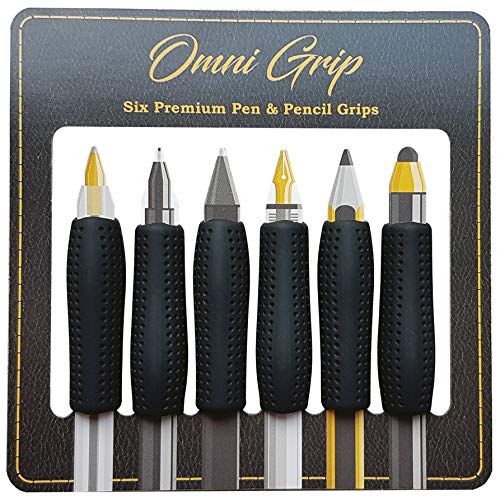
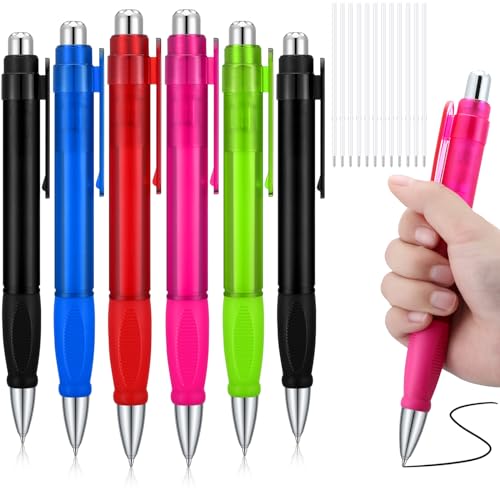
Correspondence isn’t old-fashioned. It’s one of the most psychologically rich forms of connection available — and it requires nothing more than a pen, some paper, and 10 minutes.
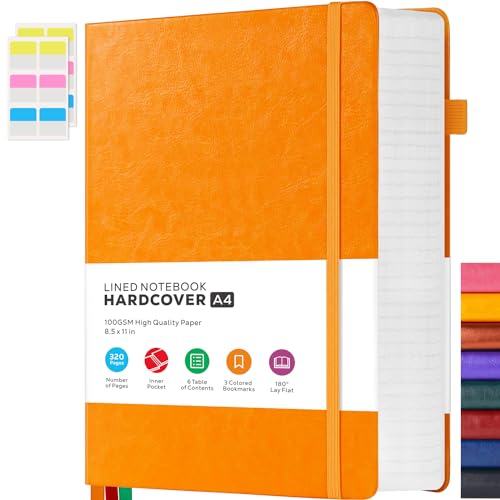


Purposeful engagement like letter writing and creative correspondence is also linked to measurable benefits in cognitive reserve and long-term brain health — which makes it a meaningful activity on more than one level.
For Caregivers: The 3-2-1 Rule for Reducing a Loved One’s Isolation

If you can’t be physically present as often as you’d like, this simple weekly structure can make a significant difference — without requiring extra hours in your day.
The 3-2-1 Rule
3 brief messages throughout the week:
A text, a voice message, a funny memory, a simple question. ‘Thinking of you today.’ ‘Saw this and thought of you.’ These don’t need to be long. They need to be consistent.
2 intentional check-in calls of 5–10 minutes:
Not logistics calls (‘Did you take your medication?’). Real conversations focused on one meaningful topic — a memory, a question about their life, something they’re looking forward to.
1 something to look forward to each week:
A card in the mail. A scheduled video call. A small surprise delivery. Something that creates anticipation — because anticipation itself is protective against the flatness that loneliness creates.
Why Consistency Beats Grand Gestures
A predictable small connection every few days outperforms an occasional long visit in reducing daily loneliness. It’s not about intensity. It’s about felt presence — the sense that someone is thinking of you regularly, not just when circumstances allow.
Professional caregivers can introduce this framework to the families they work with as a low-effort, high-impact strategy. Supporting aging parents who are isolated becomes more manageable when there’s a simple structure in place — not just good intentions.
For the video call component, setting up a dedicated device for your loved one — one that auto-connects to your face when they tap one button — removes every technical barrier. Cognitive decline and isolation often accelerate together, which makes early, consistent connection habits especially important.
You don’t need to be there every day to make your loved one feel consistently connected. You just need a simple structure and 10 minutes spread across the week.
Start Today — Just Pick One
The loneliness fix nobody talks about isn’t complicated. It’s quiet, consistent, and completely within reach.
Three small daily actions. A habit anchor that fits what you already do. A letter in the mail. Ten intentional minutes.
Whether you’re an older adult navigating quiet afternoons, or a caregiver navigating guilt and distance — connection doesn’t require perfect circumstances. It requires small, consistent choices.
Here’s what I’d encourage you to do: pick just one strategy from this article and try it today. Not this week. Today.
Send the morning message. Write the first line of a letter. Text one person something genuine.
Addressing loneliness proactively — before it becomes entrenched — is one of the most protective things you can do for your long-term wellbeing. And it starts with a single intentional moment.
Which approach are you going to try first? Share it in the comments — your answer might be exactly what someone else needed to read today.




![Feat older man standing at window quiet melancholy[1]](https://www.grayingwithgrace.com/wp-content/uploads/2026/05/FEAT-older_man_standing_at_window_quiet_melancholy1-e1779546240849-450x300.jpg)
![Keep older woman tea family photos kitchen[1]](https://www.grayingwithgrace.com/wp-content/uploads/2026/05/KEEP-older_woman_tea_family_photos_kitchen1-e1778623664732-450x300.jpg)

![Older woman receiving meal dignity[1]](https://www.grayingwithgrace.com/wp-content/uploads/2026/02/older_woman_receiving_meal_dignity1-e1771334664816-450x300.jpg)


