

The phone rings on a Tuesday afternoon in July. Your mother is home alone while the rest of the family is on vacation. The voice on the other end sounds exactly like her grandson — panicked, tearful, asking her not to tell anyone and to wire money immediately because he’s been in an accident abroad.
She almost does it. Because she loves him. Because the voice sounds right. Because the urgency feels real.
That’s exactly what summer scams targeting seniors are engineered to do.
Summer doesn’t just bring heat and vacation — it brings a predictable spike in elder financial fraud. Routines shift. Families travel. Contact patterns change. And the people running these schemes know all of it.
This article gives you three specific scam profiles — the grandparent impersonation scam, vacation rental fraud, and sweepstakes prize calls — and one concrete tool: a 60-second phone script that anyone can use before acting on a suspicious call. No tech expertise required. No complicated systems. Just a reliable response that buys time and removes urgency.
The Summer Scam Defense Kit: Your 60-Second Phone Script, Family Code Word Setup Guide, and Red Flag Quick-Reference
Download your free Summer Scam Defense Kit with three ready-to-use tools—a printable phone script, family code word setup guide, and red flag reference card—so you can protect yourself and loved ones from the most common summer scams without fear, tech skills, or accusations.
The Summer Scam Season Is Real — And It’s Already Starting
Why Summer Creates a Different Risk Landscape
Summer disrupts the protective rhythms that typically keep older adults safer throughout the year.
When family members are traveling, contact becomes less frequent and less predictable. Neighbors are away. The social check-ins that happen naturally during the rest of the year go quiet for weeks at a time.
Scammers don’t stumble into this window by accident. They monitor public social media posts about family vacations, track changes in routine, and time their calls deliberately.
Why These Three Scams Peak June Through August
The grandparent impersonation scam, vacation rental fraud, and prize sweepstakes calls all share one thing in common: they require urgency to work.
Summer provides the perfect cover. An older adult at home while family is traveling is more likely to act alone under pressure — and less likely to reach someone for a quick reality check.
This isn’t about older adults being less sharp in summer. It’s about bad actors being more calculated and more informed. Knowing that levels the playing field.

Scam #1: The Grandparent Scam Has Gotten Smarter
How It Works Now — And Why It’s More Convincing Than Ever
The classic version of this scam involves a caller pretending to be a grandchild in distress — stranded, arrested, or injured — and urgently requesting money before other family members find out.
That version still exists. But it has evolved significantly.
Scammers now use AI voice-cloning technology to replicate a grandchild’s actual voice using short clips pulled from social media videos. The result is a call that doesn’t just claim to be your grandson. It sounds like him — the speech patterns, the hesitations, the way he says “Grandma.”
This works on smart, alert people because it’s designed to.
The Emotional Mechanics Behind the Scam
This scam doesn’t exploit gullibility. It exploits love.
The instinct to protect a grandchild in danger is one of the most powerful emotional drives there is. When that instinct is activated, the brain’s threat-response system kicks in — and the first casualty is the pause that would normally trigger verification.
The “keep it secret from the rest of the family” instruction is the single most reliable red flag in any urgent money request. Legitimate emergencies don’t come with confidentiality clauses.
A Scenario That Makes It Concrete
Imagine a grandmother receiving a call that sounds exactly like her grandson — complete with his familiar way of trailing off mid-sentence — telling her he was in a minor car accident while traveling and needs bail money before his parents find out. She’s two clicks away from wiring funds before she calls her daughter just to check.
Her daughter answers immediately. Her grandson is fine.
The grandmother isn’t naive. She’s loving. Recognizing the mechanics removes the shame and installs the pause.
The Single Most Effective Countermeasure
Hang up. Call back on a number you already have stored in your contacts.
Never call back on a number the caller provides — that line goes straight back to the scammer.
One question defuses the pressure instantly: “Let me call you back on the number I already have for you.” A real grandchild will understand. A scammer cannot comply.
The Family Code Word — Your First Line of Defense
This is the moment to introduce something worth setting up before the summer gets any busier: a family code word.
A pre-agreed word — simple, memorable, not publicly associated with your family — that any real family member in distress will know and can provide immediately. Scammers won’t have it.
The 60-Second Phone Script section later in this article covers exactly how to set it up.
A Note on Call-Blocking Tools
One of the most practical ways to reduce the volume of fraudulent contact reaching an older adult is a call-blocking device designed for landlines or cell phones that screens and automatically blocks known scam numbers.


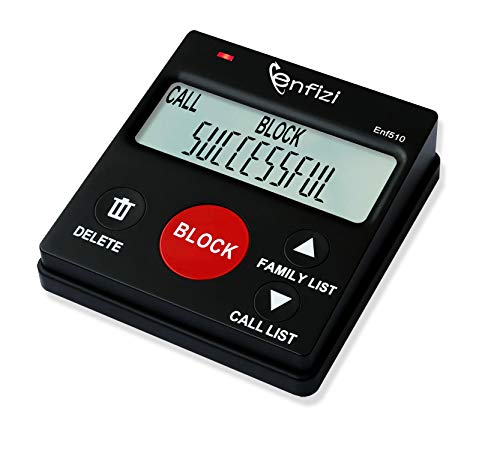


These don’t eliminate all risk, but they reduce the number of attempts that make it through — and fewer attempts means fewer moments of pressure to navigate.
Helping with home safety and monitoring in this way is one of the most concrete things a caregiver can do. For more on creating a safer home environment, this fall prevention checklist offers a useful parallel framework for thinking through risk by room and routine.

Scam #2: Vacation Rental Fraud Targets the Travelers in Your Family
How the Scam Is Structured
Fraudulent vacation rental listings are built by professionals. They clone legitimate listings from major platforms, build convincing standalone booking sites, and collect payment — then disappear before the traveler arrives.
The listings pass visual inspection. The photos are real (stolen from legitimate properties). The pricing is appealing but not absurdly low. The communication is prompt and friendly.
The tell is always in the payment request.
The Red Flags That Signal a Fraudulent Listing
- Payment requested outside the official platform (wire transfer, gift cards, or Zelle)
- Pressure to act quickly because “several other families are interested”
- Refusal to conduct a live video walkthrough of the property before booking
- Price that seems unusually strong for a high-demand location or peak-summer date
Want more trusted tools for protecting the people you love? Subscribe to our newsletter for expert-tested advice on senior safety, financial resilience, and caregiving strategies — delivered directly to your inbox.
Three Things to Verify Before Sending Any Money
- Pay only through the official platform’s secure system — If a host insists on off-platform payment, walk away.
- Verify the address independently — Search the address on Google Maps and cross-reference the listing photos against Street View.
- Request a live video call with the host — A legitimate host will accommodate a brief walkthrough. A scammer won’t.
A Note on Limiting Financial Exposure
If an older adult is managing their own travel bookings, a prepaid card used specifically for travel transactions can cap the amount of money accessible if something goes wrong.





Some families use a dedicated prepaid card as a travel spending tool rather than linking a primary bank account directly to online booking platforms — a simple structural change that limits exposure without limiting independence.
For older adults who value managing their own affairs — and most do — this approach respects that independence while reducing risk. For more on mobility and independence in travel, this guide to vacations for seniors with limited mobility covers planning considerations worth knowing.

Scam #3: Prize and Sweepstakes Calls That Sound Completely Legitimate
How These Calls Are Engineered
Fraudulent prize calls are carefully scripted to mimic the tone and language of legitimate sweepstakes notifications. They’re warm, professional, and specific — often referencing a real company name or a real contest that actually exists.
The scam activates once the caller requests a “processing fee,” “taxes,” or “shipping costs” to release the prize. Real sweepstakes never work this way. Legitimate prizes do not require payment to claim.
Language Patterns That Signal a Fraudulent Call
These phrases are almost always a signal worth pausing on:
- “You’ve been specially selected.”
- “This offer expires today — we need your answer now.”
- “Keep this confidential until we process your winnings.”
- “We just need a small fee to release the funds.”
The urgency and secrecy combination is manufactured. It’s designed to override the instinct to check with someone else before acting.
Why the Time Pressure Is the Trap — Not Your Judgment
Legitimate prizes don’t expire in ten minutes. Real sweepstakes don’t penalize you for taking time to verify.
Any call that punishes you for pausing is a call worth ending.
If there’s any doubt: hang up, search the company name plus the word “scam” or “complaint,” and never call back on the number the caller provided.
One Sentence That Ends the Call Cleanly
“I don’t make financial decisions on unverified calls. Please send the information in writing to my address and I’ll follow up.”
That’s it. No confrontation required. No accusation needed. The call ends, the pressure dissolves, and no information has been shared.
The Summer Scam Defense Kit: Your 60-Second Phone Script, Family Code Word Setup Guide, and Red Flag Quick-Reference
Download your free Summer Scam Defense Kit with three ready-to-use tools—a printable phone script, family code word setup guide, and red flag reference card—so you can protect yourself and loved ones from the most common summer scams without fear, tech skills, or accusations.
The 60-Second Phone Script That Works on All Three
The Core Principle Behind the Script
You don’t need to identify which scam type you’re facing to respond effectively. The most powerful move in any high-pressure phone situation is the same regardless of the specific scheme: buy time, refuse to act, verify independently.
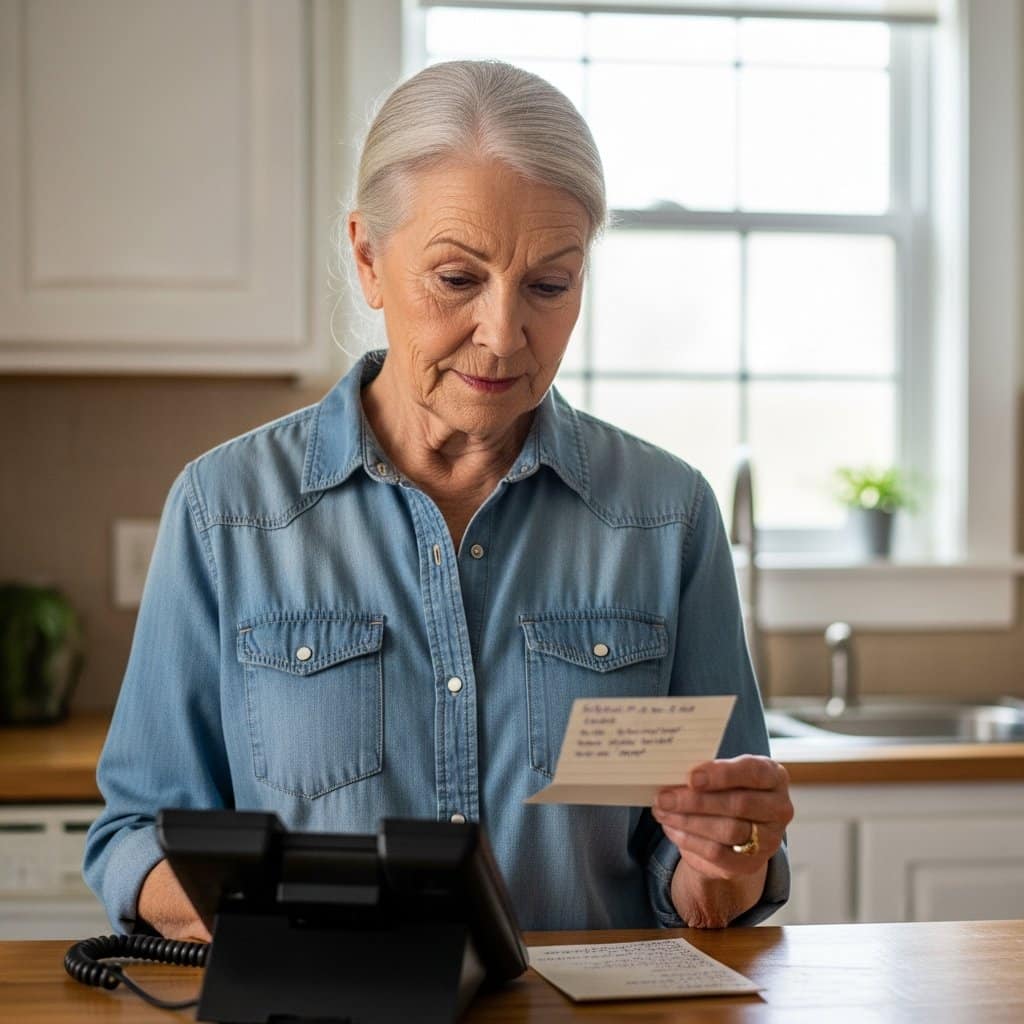
The script below does exactly that. It can be printed on an index card and kept near the phone. It can be saved as a note in a phone’s contacts. It can be recorded as a voice memo for easy replay.
The Full Script — Word for Word
“Thank you for calling. I don’t make financial decisions or share personal information on unexpected calls. If this is important, please send the information in writing or give me a number I can verify independently. I’ll follow up once I’ve had a chance to check. Goodbye.”
That’s it. Under a minute. No diagnosis of the scam required. No accusation. No emotional confrontation.
Why This Script Works Across All Three Scam Types
- It removes urgency — the caller can no longer pressure an immediate decision.
- It creates distance — the older adult is no longer on the defensive; they’ve gracefully exited.
- It requires no accusation — there’s no need to call someone a scammer in the moment.
- It protects dignity — the senior is clearly in control of the interaction.
How to Set Up the Family Code Word
The family code word is the simplest scam prevention tool available. It requires no technology, no cost, and about five minutes to set up.
Here’s how to do it:
- Choose the word together during a calm, low-stress moment — not in response to a recent scare. Pick something simple and memorable that isn’t publicly connected to your family (not a pet’s name that appears on social media).
- Write it somewhere accessible — a note in a physical address book, a saved contact in the phone labeled “Family Safety Code.”
- Practice it once so it feels natural. Say to your parent: “If anyone ever calls saying they’re me and they’re in trouble, ask them for our code word. If they don’t have it, hang up.”
- Update it annually — or any time you suspect it may have been overheard or shared.
Any real family member in distress will know the code word immediately. Scammers will not.
Keeping the Script Accessible
Print the script on an index card and place it next to the primary phone in the home. This matters most for landline phones that older adults typically keep in a fixed location — the card can live right beside the handset, visible at a glance when a call comes in.
For older adults managing more complex routines or any memory concerns, automatic pill dispensers offer a useful comparison model: the best safety tools are the ones that require no active decision-making in the moment of use. The script works the same way.
A Note on Identity Protection After Potential Exposure
If there’s any reason to believe a parent has already shared personal or financial information in response to a suspicious call, identity theft protection services that monitor for unusual account activity, dark web exposure, and fraudulent credit applications can provide an important layer of early detection.
Some services offer senior-specific plans with caregiver access features, which allow an adult child to receive alerts without requiring the senior to manage monitoring tools independently.
For families thinking through broader remote monitoring strategies, this guide to monitoring elderly parents remotely outlines technology options that support safety while respecting independence — a balance worth getting right.

Your Parent Already Has What They Need — Give Them the Right Tools
The three scams covered here — grandparent impersonation, vacation rental fraud, and prize sweepstakes calls — aren’t signs that an older adult is losing their sharpness.
They’re signs that criminals have become more sophisticated. The protection isn’t more suspicion. It’s one reliable script, one family code word, and the habit of never acting on urgency alone.
You don’t need to become your parent’s financial guardian to keep them safe. You need to give them the right tools and the confidence to use them.
Share this article with your parent or drop it in your family group chat today — before the next call comes. And if you’ve already set up a family code word or have a scam call story worth sharing, leave it in the comments. Your experience might be exactly what another family needs to hear.
For more on helping older adults live safely and independently at home, this guide to products for elderly people living alone covers 16 practical tools worth knowing about — including several that directly support communication safety and daily independence.


![Keep feat elderly woman walker family living room conversation[1]](https://www.grayingwithgrace.com/wp-content/uploads/2026/05/KEEP-FEAT-elderly_woman_walker_family_living_room_conversation1-e1779544485375-450x300.jpg)

![Keep older woman video call tablet kitchen warm smile[1]](https://www.grayingwithgrace.com/wp-content/uploads/2026/05/KEEP-older_woman_video_call_tablet_kitchen_warm_smile1-e1778624028172-450x300.jpg)
![Keep older couple computer woman cane protective[1]](https://www.grayingwithgrace.com/wp-content/uploads/2026/05/KEEP-older_couple_computer_woman_cane_protective1-e1778616055742-450x300.jpg)
![Group of seniors sharing simple grocery saving tips[1]](https://www.grayingwithgrace.com/wp-content/uploads/2026/01/group_of_seniors_sharing_simple_grocery_saving_tips1-e1769521429158-450x300.jpg)
![Elderly man with cane looking up recurring charge[1]](https://www.grayingwithgrace.com/wp-content/uploads/2026/01/elderly_man_with_cane_looking_up_recurring_charge1-e1769520115610-450x300.jpg)


