
![Keep older woman morning hand stretching bed[1]](https://www.grayingwithgrace.com/wp-content/uploads/2026/05/keep-older_woman_morning_hand_stretching_bed1-e1778601697164.jpg)
You wake up and reach for the alarm clock. Your wrist aches. Your fingers feel stiff and swollen.
You sit on the edge of the bed and flex your hands a few times. They’re tight. Almost like they’ve been clenched all night.
You head to the kitchen to make coffee, but gripping the kettle hurts. Turning the lid on the pill bottle takes two hands instead of one.
Twenty minutes later, your hands start to loosen up. The stiffness fades. You can finally button your shirt without fumbling.
If this sounds familiar, you’re not imagining it. And you’re definitely not alone.
The problem isn’t happening in the morning. It’s happening while you sleep. And there’s a specific solution most people don’t know about: a nighttime wrist brace designed to manage arthritis inflammation at its source.

Why Your Hands Hurt Most in the Morning (And It’s Not What You Think)
Most people assume morning stiffness is just “how arthritis works.” But the real issue is what happens during the eight hours you’re asleep.
Your body’s inflammatory response actually peaks during rest. When you’re awake and moving, circulation keeps blood flowing to your joints. That movement naturally reduces inflammation buildup.
But during sleep? Everything slows down. Blood flow decreases. Your wrists and hands stay in flexed or bent positions for hours without moving.
That immobility creates a perfect environment for inflammation to settle into your joints. The longer your wrists stay bent, the stiffer they become.
Think about it this way: two people with similar arthritis go to bed. One sleeps with their wrists flexed under their pillow. The other uses a brace that keeps their wrists in a neutral position.
The first person wakes up with hands that take 30 minutes to “warm up.” The second person wakes up with minimal stiffness and can start their day without waiting for their hands to cooperate.
The difference? Strategic support during the highest-risk hours.
Morning stiffness isn’t random. It’s a direct result of what happens—or doesn’t happen—during the night.
If your hands feel worst when you wake up and gradually improve as you move around, nighttime intervention is the solution you need.



What Makes a Sleep Wrist Brace Different From a Regular One
Not all wrist braces are designed for sleeping. Using the wrong type can leave you uncomfortable, ineffective, or both.
Rigid post-injury braces are built to immobilize your wrist completely. They’re stiff, bulky, and meant for recovery from sprains or fractures.
Sleep-specific wrist braces work differently. The goal isn’t immobilization—it’s neutral positioning.
A good sleep brace keeps your wrist from flexing into pain-triggering positions without restricting all movement. It’s firm enough to maintain alignment but soft enough to wear comfortably all night.
Key features include:
• Soft liner materials that won’t irritate your skin during extended wear
• Breathable fabric that prevents night sweats and discomfort
• Adjustable compression so you can customize the fit
• Low-profile design that works for side sleepers who rest their hands under their face or pillow
Imagine trying to sleep in a rigid daytime brace. It digs into your arm. It forces your wrist into an unnaturally stiff position. You wake up multiple times to readjust it.
Now imagine a properly designed sleep brace. It gently supports your wrist in a natural handshake position. The soft lining feels comfortable against your skin. You forget you’re wearing it.
The right tool for nighttime is fundamentally different from daytime support. Using a sleep-specific design isn’t “going easy”—it’s strategic targeting of the problem at its source.
When you’re evaluating options, look for features designed specifically for overnight wear. Not just any wrist support will do.

The 4 Features That Matter Most in a Sleep Wrist Brace
Knowing what to look for ensures you choose a brace that actually works and that you’ll wear consistently.
Feature #1: Neutral Wrist Positioning
The splint should keep your wrist in natural alignment, preventing painful flexion. Think of the position your hand takes when you shake someone’s hand—that’s neutral.
The splint needs to be firm enough to maintain this position throughout the night, but not so rigid that it feels like you’re wearing a cast.
Feature #2: Soft, Breathable Materials
Cotton or moisture-wicking liners prevent night sweats and skin irritation. Avoid stiff, scratchy materials that will wake you up or leave marks on your skin.
The outer layer should allow air circulation. Your hands naturally warm up during sleep. If the brace traps heat, you’ll wake up sweaty and uncomfortable.
Feature #3: Adjustable Compression
Velcro or strap systems let you customize the fit. You should be able to adjust it if your hands swell slightly during the night.
The compression should provide support without cutting off circulation. If you wake up with numbness or tingling, the brace is too tight.
The straps should be easy enough to adjust even if your hands are stiff when you’re putting it on.
Feature #4: Low-Profile Design
The brace should be slim enough not to interfere with your sleep position. It needs to work for side sleepers who rest their hands under their pillow or face.
Bulky braces create pressure points when you lie on your hand. A low-profile design distributes pressure evenly and doesn’t force you to change how you sleep.
Imagine putting on a brace for the first time. It feels secure but not restrictive. The soft lining cushions your wrist. The slim profile doesn’t get in the way when you roll over.
That’s what you’re looking for.
These four features make the difference between a brace you wear once and one that becomes part of your nightly routine.
Use them as a checklist when evaluating options.

How to Wear a Wrist Brace for Sleep (And the Mistakes That Make It Ineffective)
Proper fit and positioning determine whether the brace actually helps or just feels like another uncomfortable sleep disruption.
Correct Sizing
Measure your wrist circumference accurately with a soft tape measure. Wrap it around the widest part of your wrist, just below the base of your hand.
Too loose means no support. The brace will shift during the night and your wrist will flex anyway.
Too tight restricts circulation. You’ll wake up with numbness or tingling.
Use the “two-finger test” after putting on the brace. You should be able to slide two fingers between the strap and your skin. If you can’t, it’s too tight. If you can fit three or four fingers easily, it’s too loose.
Positioning
The splint should run along the palm side of your wrist, not the top. This is critical.
Your wrist should feel supported in a handshake position—neutral, not bent up or down.
Your fingers and thumb should move freely. The brace should only stabilize your wrist joint, not restrict your hand.
Common Mistakes
Wearing it too tight is the most common error. If you wake up with numbness, loosen it before trying again the next night.
Positioning the splint on top of your wrist instead of the palm side won’t provide the support you need.
Trying to sleep in a daytime injury brace that’s too rigid will leave you uncomfortable and frustrated.
Giving up after one uncomfortable night instead of allowing an adjustment period. Like any new nighttime routine, there’s a learning curve.
Looking for more strategies to manage arthritis and maintain independence? Subscribe to our newsletter for practical tips and expert-tested product recommendations delivered weekly.
Sleep Position Pairing
The brace works best with certain sleep positions.
Back sleeping with your arms at your sides is ideal. Your wrists stay neutral and supported.
Side sleeping works well too, as long as your supported hand isn’t tucked under your body weight.
Positions to modify: tucking your hands under your body creates pressure on the brace. Extreme wrist flexion under your pillow defeats the purpose of wearing the brace.
When you put on the brace for the first time, take a minute to adjust it properly. Make sure the splint is positioned along your palm. Tighten the straps until it feels secure but not restrictive. Test the two-finger rule.
Then lie down in your usual sleep position and notice how your wrist feels. It should feel supported and stable, not strained or compressed.
Give yourself three consistent nights before deciding if it’s working. Most people adapt within 2-3 nights and notice significant morning improvement within a week.
If you wake up with numbness, adjust the fit. Don’t give up after one night.

What to Pair With Your Wrist Brace for Maximum Relief
A nighttime wrist brace works best as part of a simple arthritis management approach, not in isolation.
After you remove the brace in the morning, do some gentle stretching. Flex and extend your wrists slowly. Make circles with your hands. This maintains the flexibility you gained overnight.
Keep your hands warm during the day with compression arthritis gloves. They provide gentle support while you’re active and help reduce daytime stiffness.


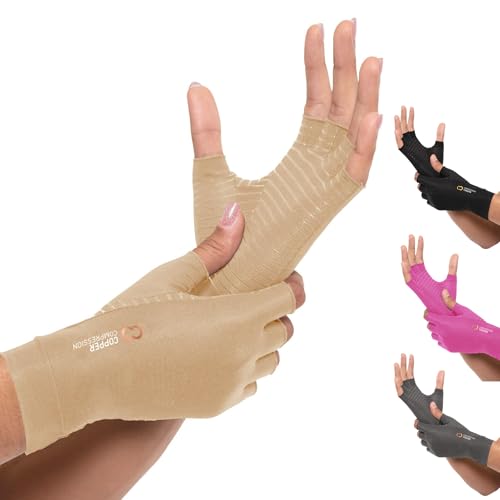
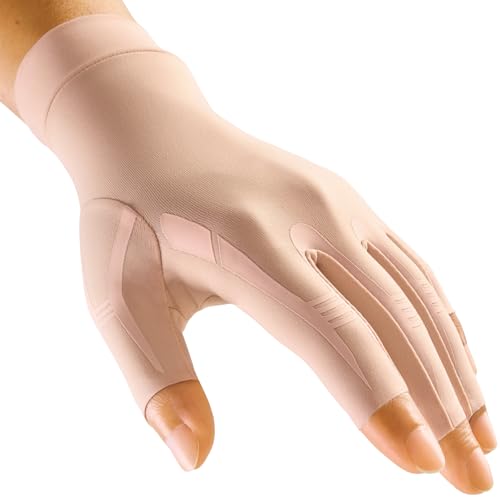

Use ergonomic tools for repetitive tasks. Jar openers, easy-grip utensils, and adaptive kitchen tools reduce the strain on your joints during daily activities.


Consider adding consistent low-impact hand exercises to your routine. Simple finger and wrist movements help maintain function and reduce stiffness over time.




If your morning stiffness persists beyond 30 minutes despite wearing the brace consistently for two weeks, consult your healthcare provider. They can assess whether you need additional support or treatment.
A simple morning routine builds on the progress you made overnight:
• Remove the brace when you wake up
• Do 2-3 minutes of gentle wrist stretches
• Apply warmth if needed with a heating pad or warm water
• Put on daytime compression gloves if you’ll be doing tasks that strain your hands
• Use adaptive tools throughout the day to reduce repetitive stress
The brace handles nighttime inflammation. Your daytime habits maintain and extend that relief.
Pair the nighttime brace with one simple daytime support strategy for best results.

Your Hands Deserve Support While They Rest
Morning hand stiffness isn’t something you just have to accept.
It’s a direct result of nighttime inflammation that can be managed with the right support.
A simple, affordable nighttime wrist brace addresses the problem at its source—during sleep—not just the symptoms in the morning.
This is proactive self-care. It’s strategic intervention during the hours when inflammation peaks. It’s supporting your body’s natural healing process instead of fighting against it.
Most people don’t know this option exists. They assume arthritis morning stiffness is inevitable. They suffer through painful mornings because they think there’s no alternative.
But you now know better.
Try a sleep-specific wrist brace for one week. Notice the difference in your morning routine. Pay attention to how quickly your hands become functional after you wake up.
Your hands work hard for you every day. They deserve support while they rest.
What nighttime arthritis strategies have worked for you? Share your experience in the comments below.

![Memorygram legacy book sample cover green[1]](https://www.grayingwithgrace.com/wp-content/uploads/2026/09/memorygram-legacy-book-sample-cover-green1-e1790074471145-450x300.jpg)





![Older man cane son garden together[1]](https://www.grayingwithgrace.com/wp-content/uploads/2026/05/older_man_cane_son_garden_together1-e1778601923976-450x300.jpg)


