
![Older man cane son garden together[1]](https://www.grayingwithgrace.com/wp-content/uploads/2026/05/older_man_cane_son_garden_together1-e1778601923976.jpg)
You arrive at your parent’s house to help with yard work. “I’ve got this,” they snap, clearly irritated. You leave confused and hurt—all you wanted was to help.
This scene plays out in countless families every week. You see your loved one struggling. You offer assistance. They push back or shut down. The relationship feels strained, and meanwhile, the problem you wanted to solve remains unaddressed.
Here’s what most people miss: the issue isn’t that you’re offering help. It’s how you’re framing the offer. Small language shifts can transform these conversations from potential conflicts into genuine collaborations.
The key is understanding what your loved one actually hears when you say certain phrases.

Why ‘Let Me Help You’ Backfires (And What Your Loved One Actually Hears)
When you say “Let me help you with that,” your parent hears: “You can’t manage this yourself anymore.”
After decades of competence and independence, accepting help feels like admitting decline. For many older adults, independence isn’t just practical—it’s deeply tied to identity and self-worth.
Understanding why seniors resist help starts with recognizing this connection. When someone has spent 50+ years solving their own problems, being positioned as “needing help” challenges their fundamental sense of who they are.
The resistance you encounter isn’t stubbornness. It’s self-preservation.
Consider what independence represents: capability, dignity, autonomy. Phrases like “You shouldn’t be doing that anymore” or “It’s not safe for you” communicate that these qualities are diminishing.
Before offering help, pause and consider what your exact words communicate about the person’s competence. That pause can change everything.

The Peer Positioning Approach: Asking for Advice Instead of Offering Assistance
The most powerful reframe is positioning yourself as someone who values their expertise rather than someone providing rescue.
Instead of: “I’m worried about you managing the yard work.”
Try: “I’m thinking about changing how I handle my own yard as I get older—what’s worked well for you?”
This approach validates decades of accumulated wisdom. It positions your loved one as consultant rather than recipient.
Your parent has solved countless problems over their lifetime. When you tap into that experience, you honor their competence while opening dialogue about solutions.
The authenticity requirement matters here. This only works if you genuinely value their input. Don’t fake interest in their perspective just to manipulate them toward your predetermined solution.
Instead of declaring what needs to happen, ask:
• “What do you think about…”
• “I could use your advice on…”
• “How did you handle this when…”
• “What’s your take on…”
These phrases acknowledge that they’re still the expert on their own life. And often, when positioned as advisor rather than patient, they’ll suggest the very solutions you were hoping to implement.

The Collaboration Invitation: ‘Together’ vs. ‘For You’
Language shifts from “I’ll do this for you” to “Would you want to tackle this together?” preserves agency while accomplishing the same supportive goals.
Partnership language maintains their role as active participant, not passive recipient. This matters even when you’ll do most of the physical work.
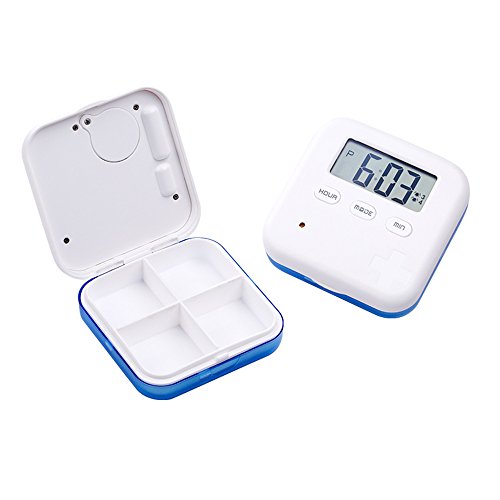
Instead of: “I’m going to organize your medications.”
Try: “I’ve been thinking about getting better organized with my own medications—want to figure out a system together?”




The word “together” is powerful. It implies:
• Shared challenge (not your problem alone)
• Joint decision-making (not imposed solutions)
• Mutual benefit (not one-way rescue)
• Ongoing partnership (not temporary fix)
When discussing safety modifications, the collaboration frame works especially well. Instead of announcing you’re installing grab bars because “it’s not safe,” explore options together as if you’re both preparing for a future where these modifications might be useful.




Ready to discover more innovative strategies for healthy, comfortable aging? Subscribe to our newsletter for expert-tested tips and product recommendations designed specifically for older adults.
You’re not managing their life—you’re partnering on shared challenges that affect many people as they age. When families make collaborative decisions about adaptive tools, both parties feel more invested in the outcome.

The Reciprocity Frame: Honoring Lifelong Giving
Acknowledging past help your loved one provided reframes current assistance as natural relationship reciprocity, not role reversal.
Instead of: “You need help now.”
Try: “Remember when you helped me through my divorce? I’d really value the chance to support you now.”
This positions current help within the context of a balanced, long-term relationship. It acknowledges their history of competence and contribution.
Be specific about past help:
• “You drove me to every practice for three years”
• “You co-signed my first apartment lease when no one else would”
• “You helped me navigate that terrible job situation”
• “You babysat every Tuesday for two years”
These specifics accomplish two things. First, they demonstrate that you genuinely remember and value their contributions. Second, they establish that accepting help is participating in the natural give-and-take of loving relationships, not admission of decline.
Accepting help isn’t weakness. It’s how relationships work over decades. Setting healthy boundaries while maintaining connection requires recognizing this reciprocity.

Critical Language Swaps That Preserve Dignity
Small word choices make enormous differences in how offers are received. Master these swaps:
Replace “help” with “support” or “company”
• Before: “Can I help you with grocery shopping?”
• After: “Want some company at the grocery store this week?”
Replace “Can you still…” with “Would you like to…” or “Are you interested in…”
• Before: “Can you still manage cooking dinner?”
• After: “Are you interested in trying that new recipe together?”
Replace “I’m worried about you” with “I’ve been thinking about…”
• Before: “I’m worried about you driving at night.”
• After: “I’ve been thinking about how challenging night driving has become—even for me. What’s your experience?”
Replace “It’s not safe for you to…” with “What if we tried…” or “I wonder if there’s an easier way…”
• Before: “It’s not safe for you to climb ladders anymore.”
• After: “I wonder if there’s an easier way to change those bulbs—maybe those extended pole tools?”
Replace “Let me do that” with “If you’d like, I’m available to…”
• Before: “Let me handle your bills from now on.”
• After: “If you’d like, I’m available to help set up automatic payments for some of these recurring bills.”
Competence-assuming language communicates respect. Choice-preserving language maintains autonomy.
These aren’t manipulation tactics. They’re authentic ways to offer support that honor both your concern and their independence.






When Language Alone Isn’t Enough
Sometimes the resistance you encounter runs deeper than phrasing. Your loved one may be:
• Grieving the loss of abilities they once had
• Fearing that accepting help is the beginning of losing all independence
• Protecting their dignity in the only way they know how
• Processing emotions about aging that have nothing to do with your specific offer
In these moments, the best approach is patience and presence. Don’t push. Don’t lecture about safety. Don’t make threats about “what will happen if…”
Instead, stay connected. Keep showing up. Let them know you’re available when they’re ready.
Sometimes the most supportive thing you can do is simply be present without an agenda. Creating regular connection rituals builds trust that makes future conversations easier.
When help becomes necessary rather than optional, your relationship foundation will matter more than your persuasive language.
The Dignity-Preserving Help Offer Scripts: Word-for-Word Language That Works
Master the exact phrases that let you offer meaningful support without triggering defensiveness—so your loved ones actually accept help while feeling respected and in control.
Moving Forward With Confidence
Offering help effectively isn’t about manipulation. It’s about authentic communication that honors both your concern and their autonomy.
These language shifts feel awkward at first. You’ll catch yourself mid-sentence, realizing you’ve slipped back into old patterns. That’s normal. Give yourself grace as you practice.
Start small. Choose one communication strategy to try in your next conversation:
• Ask for their advice on a related challenge you’re facing
• Use “together” language for one specific task
• Reference specific past help they’ve given you
• Make one critical language swap from the list above
Notice the difference in reception. Pay attention to how the conversation feels for both of you.
The relationship benefits are worth the initial effort. When your loved one feels respected and capable, they’re more likely to be honest about where they actually need support.
What language shift will you try first? Share your experience or a phrase that’s worked well for your family in the comments below.

![Memorygram legacy book sample cover green[1]](https://www.grayingwithgrace.com/wp-content/uploads/2026/09/memorygram-legacy-book-sample-cover-green1-e1790074471145-450x300.jpg)




![Older woman bathroom dizziness sink[1]](https://www.grayingwithgrace.com/wp-content/uploads/2026/02/older_woman_bathroom_dizziness_sink1-e1778602130355-450x300.jpg)
![Keep older woman morning hand stretching bed[1]](https://www.grayingwithgrace.com/wp-content/uploads/2026/05/keep-older_woman_morning_hand_stretching_bed1-e1778601697164-450x300.jpg)


