
![Older woman color temperature indicator[1]](https://www.grayingwithgrace.com/wp-content/uploads/2026/05/older_woman_color_temperature_indicator1-e1778601255981.jpg)
There’s nothing quite like stepping into a hot, steamy shower on a cold morning. That enveloping warmth, the way the steam opens your sinuses, how your muscles relax under the heat—it’s become more than just getting clean. It’s a daily comfort ritual.
But that luxurious steam you’re enjoying? It’s creating three hidden fall risks that most people never consider.
The temperature that feels so therapeutic is actually impairing your vision, affecting your balance, and creating slippery conditions—all at the same time. The good news: simple adjustments can maintain the comfort you love while dramatically improving your safety.
The Hidden Dangers of Steam and Heat
When your shower water reaches above 110°F, the steam it creates does more than fog your mirror.
It obscures your vision inside the shower itself. You can’t clearly see soap residue on the floor, water puddles forming, or where the shower edge begins and ends. These aren’t minor visibility issues—they’re the difference between seeing a hazard and stepping right into it.
How Hot Water Affects Your Balance and Blood Pressure
Steam also creates a fine moisture layer on every surface, making already-smooth shower floors and tubs even more slippery. And when you step out of that hot, humid environment into cooler bathroom air, the sudden temperature change is disorienting.
Your brain needs a moment to adjust, but your body is already in motion. That split-second lag is when falls happen.
Think about walking into a restaurant from bright sunlight—that moment when your eyes haven’t adjusted yet. Steam creates a similar disorientation, except you’re standing on a wet, slippery surface.
That luxurious steam isn’t just moisture. It’s creating an environment where your senses can’t function optimally to keep you safe.
The Blood Pressure Effect You Don’t Feel Until It’s Too Late
The heat exposure from hot showers causes physiological changes that directly compromise your stability.
Hot water makes your blood vessels dilate, which can lower your blood pressure suddenly. This drop causes dizziness, lightheadedness, or that feeling like you might faint. Your heart rate increases as your body tries to compensate, working harder to regulate itself in that enclosed, humid environment.
These changes are intensified in the shower because you’re surrounded by heat with limited air circulation. It’s not just warm—it’s sustained heat exposure your body has to manage continuously.
Compare it to standing up too quickly from a chair. Both involve blood pressure changes that affect balance. But in the shower, that effect continues for your entire bathing time, not just a brief moment.
Your body diverts resources to temperature regulation, pulling them away from the balance and coordination you need to stay steady on a wet surface. Many older adults find themselves preventing falls in unexpected places by addressing environmental factors they never considered dangerous.
Warning signs include feeling sweaty beyond normal shower moisture, vision changes like spots or dimming, unsteadiness when you weren’t moving quickly, or a rapid heartbeat that feels uncomfortable.
If you’ve experienced any of these during or right after showering, your water temperature is likely too high.
The Safe Temperature Range That Maintains Comfort
Water between 100-105°F provides warmth and comfort without creating dangerous steam or physiological stress.
This range still feels genuinely warm and soothing. You’re not switching to cold showers or barely-warm water. But it doesn’t generate the excessive steam that obscures vision and makes surfaces treacherous.
If you’re accustomed to much hotter temperatures, adjust gradually. Reduce your temperature by 2-3 degrees each week. Within a month, you’ll reach the safe range without shocking your system.
The difference in bathroom conditions is dramatic. After a 115°F shower, your mirror is completely fogged, walls are dripping, and you can barely see across the bathroom. After a 105°F shower, there’s some moisture but visibility remains clear. You can see the floor, the shower edge, and any potential hazards.
Many people find they actually prefer this temperature once they adjust. The comfort comes from consistent warmth, not extreme heat. And you keep the safety benefits permanently. Just as adjusting your thermostat settings can improve both safety and comfort, shower temperature adjustments work similarly.
Ready to discover more innovative strategies for home safety and comfortable aging? Subscribe to our newsletter for expert-tested tips and product recommendations designed specifically for older adults.
Start by testing your current temperature awareness. Turn your shower to your normal setting and let it run for 30 seconds. Hold your hand under the stream. Does it feel almost uncomfortably hot initially? That’s a sign you’re above the safe range.
Experiment with reducing the temperature just slightly. You might be surprised how little difference you notice in comfort, but how much difference it makes in steam production.
Practical Solutions for Safer Shower Temperature
Multiple affordable options exist to control and monitor shower temperature, from simple awareness to permanent installations.
Start with awareness by adjusting your mixer valve or single-handle faucet until you find a comfortable setting in the 100-105°F range. Make a mental note of where that handle position is, or even mark it with a piece of waterproof tape.
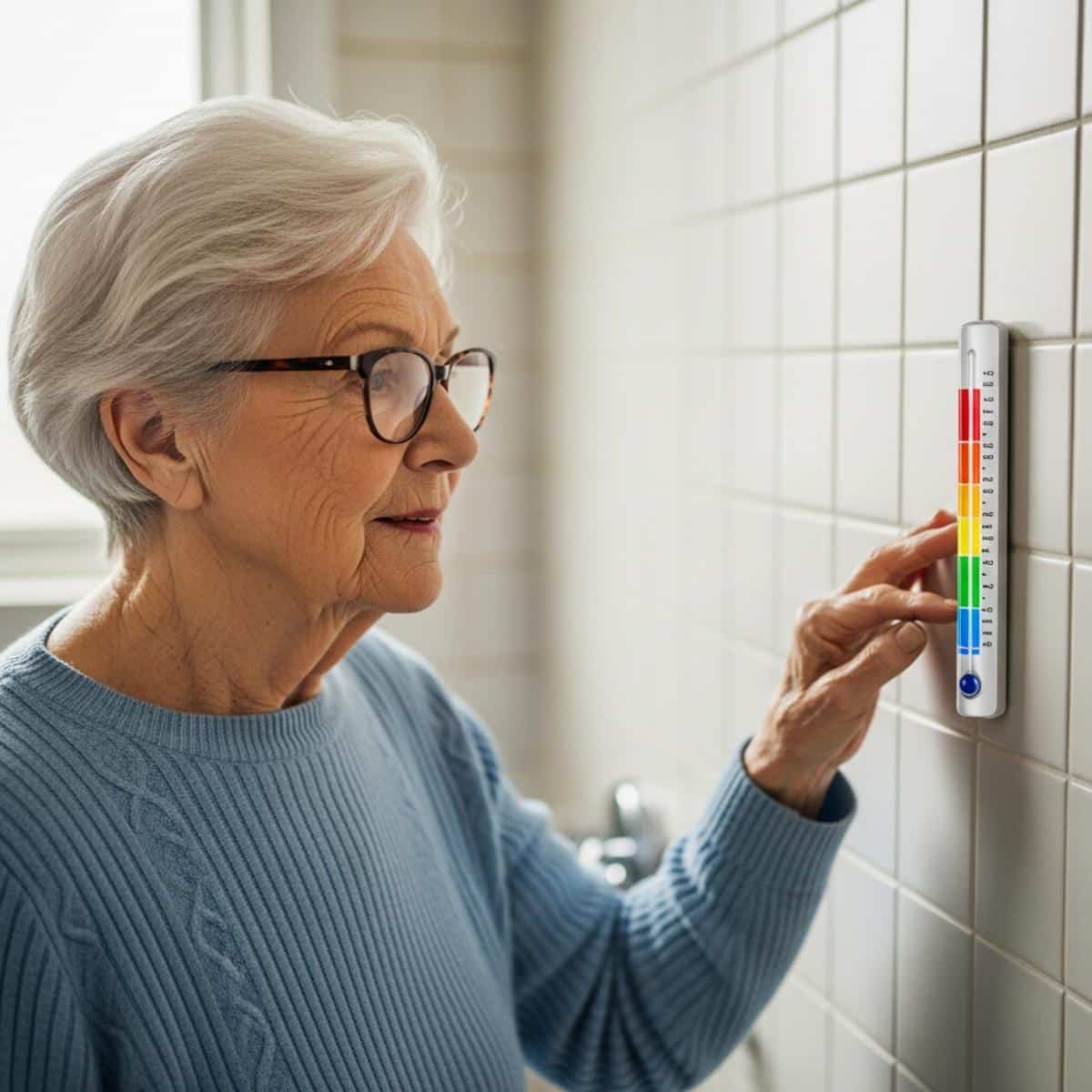
Shower thermometers take the guesswork out completely. Adhesive digital displays stick to your shower wall and show real-time temperature. You glance at it and know you’re in the safe range every single time. These cost $10-25 and install in seconds with no tools required.

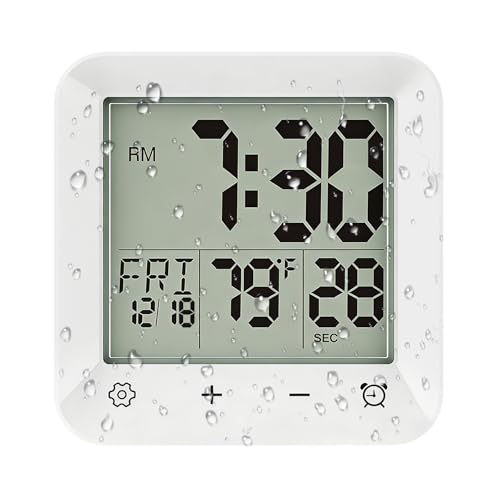


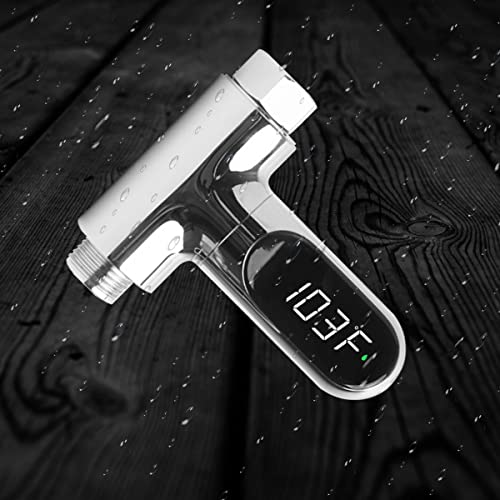

Color-changing indicators provide visual cues when water is too hot. These small devices change color—often from blue to red—when temperature exceeds your preset limit. They’re particularly helpful for anyone with vision challenges who might struggle to read digital numbers.
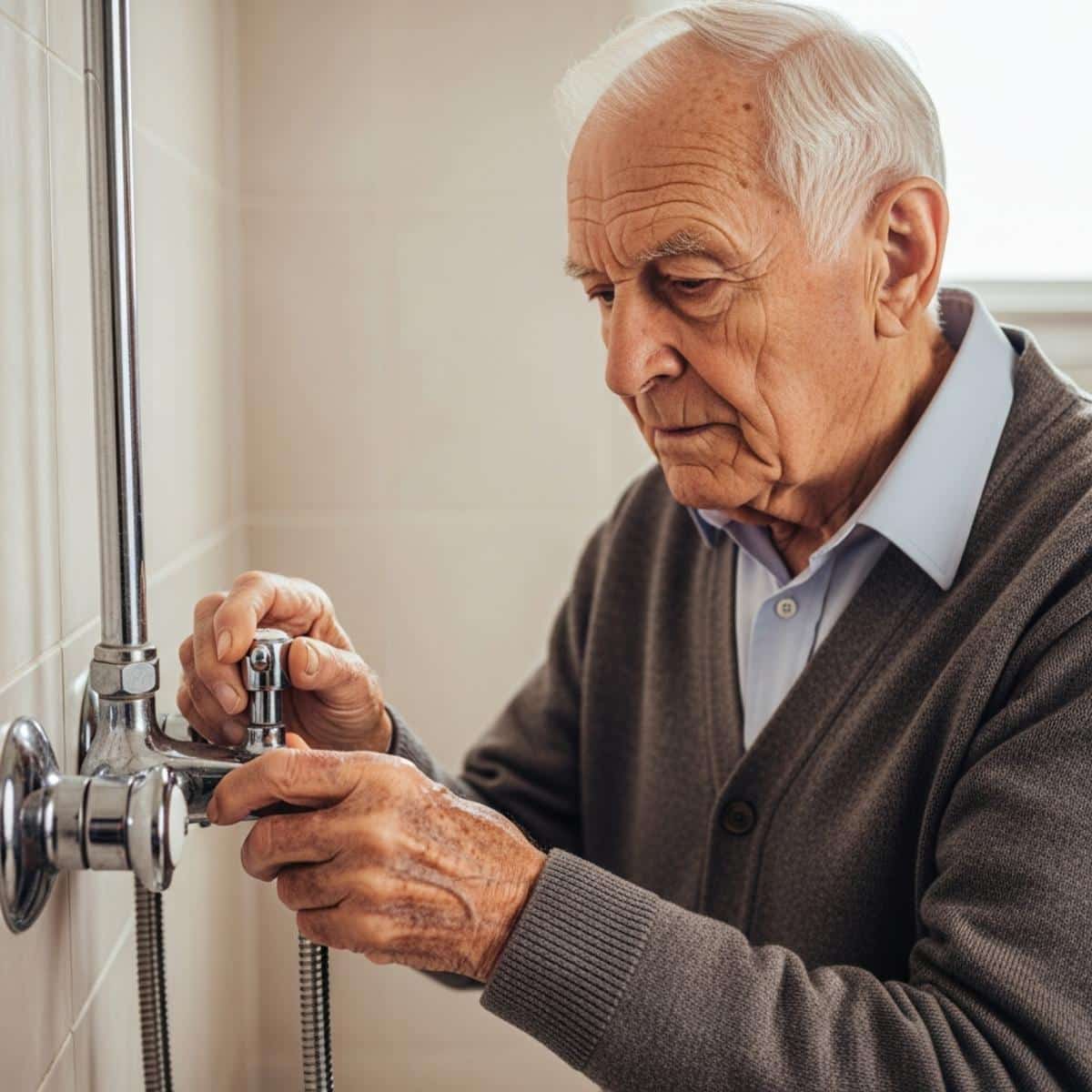
For a permanent solution, anti-scald valves preset your maximum temperature so water can never exceed your chosen limit, regardless of how far you turn the hot water handle. You maintain complete control within the safe range, but the valve prevents accidentally scalding water. Many seniors find that making small home modifications creates significant safety improvements without major expense.
Thermostatic mixing valves maintain consistent temperature regardless of pressure changes elsewhere in your home. If someone flushes a toilet or runs the washing machine, your shower temperature doesn’t suddenly spike. These provide the most consistent experience and are ideal if your home has older plumbing with pressure fluctuations.
Costs range from $50 for basic DIY installations to $200 for professional plumber installation of thermostatic valves. Renters should focus on removable solutions like thermometers or color indicators. Homeowners might consider the permanent peace of mind that installed valves provide.
Compare someone who guesses at temperature daily—sometimes too hot, sometimes comfortable, never really sure—versus someone who glances at a thermometer and knows they’re at 103°F every time. That certainty eliminates worry and maintains safety automatically.
These aren’t expensive renovations. They’re small investments that provide daily safety benefits for years.

Additional Strategies for Safer Showering Beyond Temperature
Temperature control works best when combined with other simple safety measures that address the complete shower environment.
Turn on your bathroom exhaust fan 5 minutes before you shower. This creates air circulation that helps dissipate steam as it forms, rather than letting it accumulate. Keep it running throughout your shower and for 10 minutes afterward.
Leave your bathroom door slightly cracked during showering if privacy allows. The small gap provides air exchange that dramatically reduces steam buildup, even with safe water temperatures. You maintain humidity for comfort without creating visibility-impairing fog.
Air movement makes an enormous difference. Compare a bathroom with closed door, no fan, and maximum steam versus one with fan running and door cracked slightly. Even at the same water temperature, visibility remains dramatically clearer with proper ventilation. Much like organizing your nightstand for safety, creating a complete safety system requires multiple small adjustments working together.
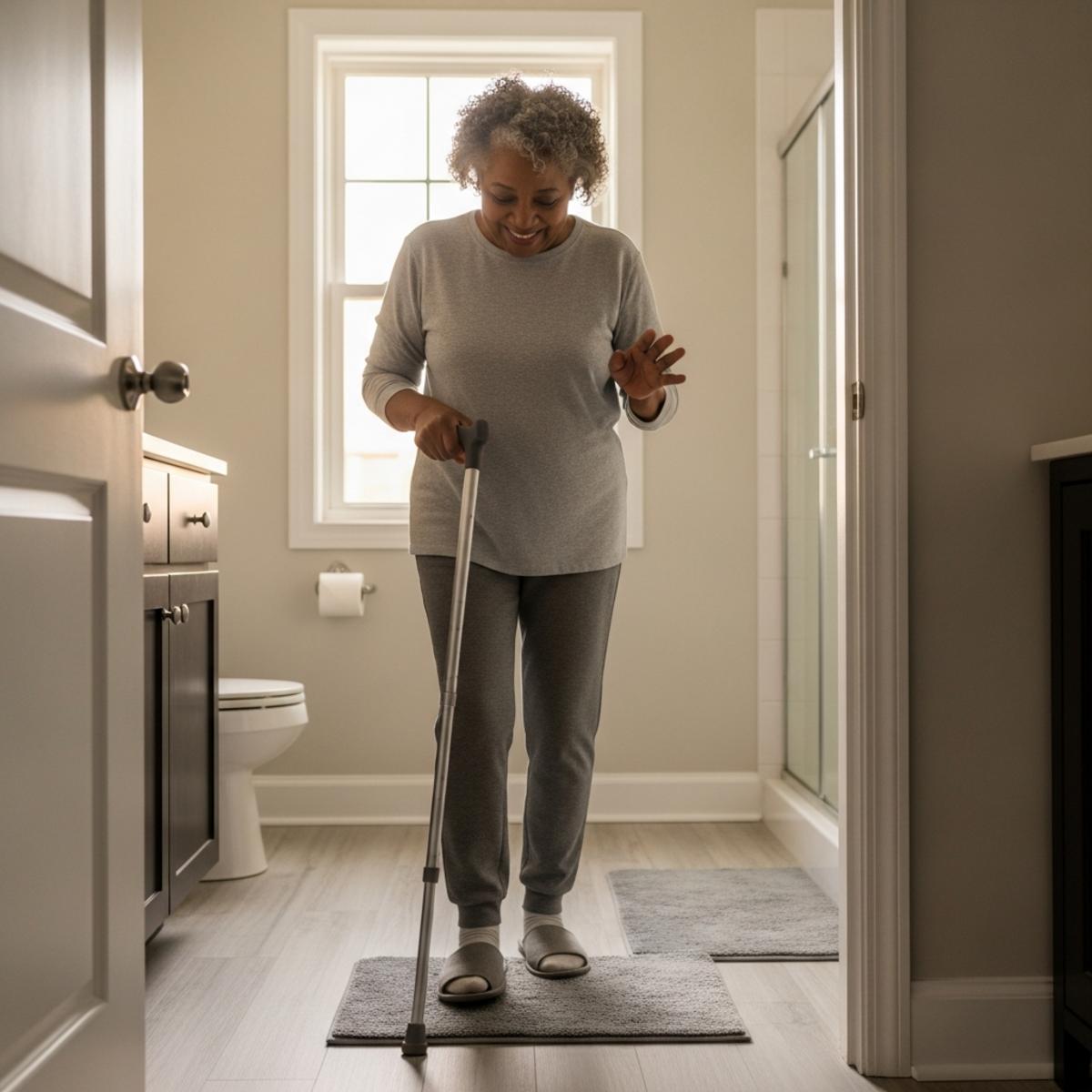
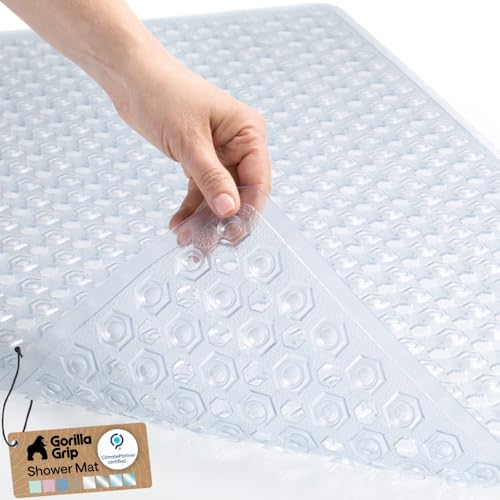
Place non-slip mats both inside and outside your shower or tub. The inside mat prevents slipping on wet surfaces during bathing. The outside mat catches drips and provides stable footing when you step out—particularly important during that temperature transition moment when you’re most vulnerable to dizziness.


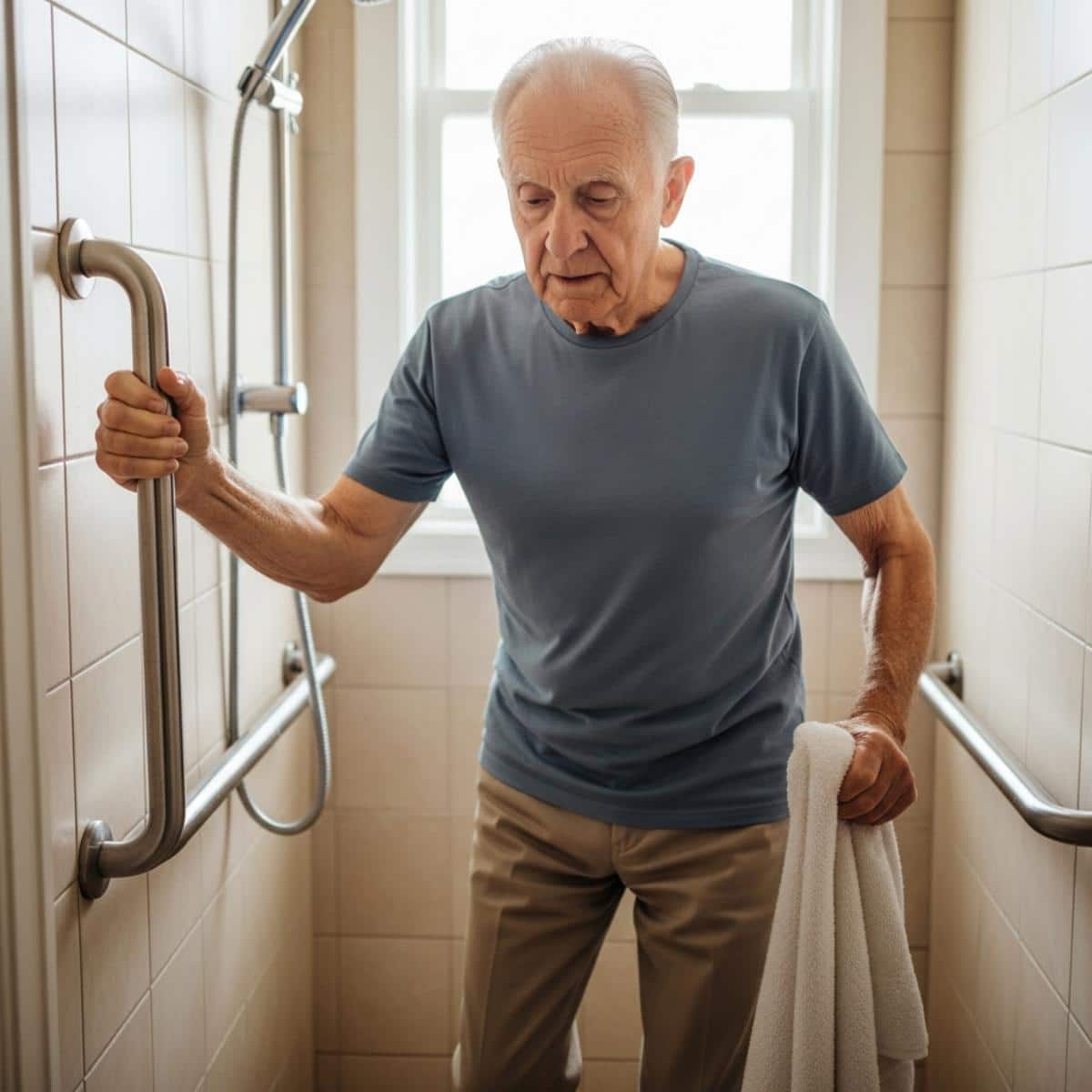
Grab bars provide stability during temperature transitions and at any moment you feel unsteady. Mount them on the wall where you enter and exit, not just inside the shower. That outside bar helps you steady yourself if you experience dizziness when stepping into cooler air.


Shower chairs allow you to sit during bathing if you feel unsteady at any temperature. There’s no requirement to stand during showering, and preventing falls often means adapting activities rather than avoiding them entirely. If balance concerns exist regardless of temperature adjustments, a stable seat removes risk completely.
Creating a safer shower environment isn’t about one single change. It’s about combining several small adjustments that work together—temperature control plus ventilation plus stable surfaces plus support where needed.
Making the Change This Week
The temperature you’ve always enjoyed may be creating hidden risks, but simple adjustments maintain comfort while dramatically improving safety.
You don’t have to choose between comfort and safety. The right temperature range provides both. Your shower can still be the relaxing ritual you look forward to—just a bit cooler and significantly safer.
Check your shower temperature this week. If you don’t have a thermometer, use hand awareness and notice if your water feels almost too hot initially. That’s your signal to adjust down a few degrees.
If you decide to add a thermometer or other temperature control device, choose based on your situation. Renters benefit from removable options. Homeowners might invest in permanent installations for lasting peace of mind.
Small changes create significant safety improvements. Your morning shower doesn’t have to be a fall risk. With the right temperature and a few environmental adjustments, it can be exactly what it should be—a safe, comfortable start to your day.
Have you noticed feeling dizzy or unsteady during or after hot showers? What temperature adjustments have you tried? Share your experience in the comments below.


![Older woman bathroom dizziness sink[1]](https://www.grayingwithgrace.com/wp-content/uploads/2026/02/older_woman_bathroom_dizziness_sink1-e1778602130355-450x300.jpg)
![Older man cane son garden together[1]](https://www.grayingwithgrace.com/wp-content/uploads/2026/05/older_man_cane_son_garden_together1-e1778601923976-450x300.jpg)
![Keep older woman morning hand stretching bed[1]](https://www.grayingwithgrace.com/wp-content/uploads/2026/05/keep-older_woman_morning_hand_stretching_bed1-e1778601697164-450x300.jpg)
![Older woman thoughtful boundary setting 1[1]](https://www.grayingwithgrace.com/wp-content/uploads/2026/05/older_woman_thoughtful_boundary_setting-11-e1778601175525-450x300.jpg)


