
![Older woman bathroom dizziness sink[1]](https://www.grayingwithgrace.com/wp-content/uploads/2026/02/older_woman_bathroom_dizziness_sink1-e1778602130355.jpg)
You step out of your morning shower and suddenly feel lightheaded. You grip the towel bar for a second, waiting for the room to stop spinning. “Just getting older,” you tell yourself.
But what if I told you the problem isn’t your balance—it’s your timing?
Most people never think twice about when they shower. It’s just part of the routine. But there’s a hidden connection between your body’s natural blood pressure patterns and shower fall risk that could change how you approach your daily hygiene—and dramatically improve your safety.

Your Blood Pressure Follows a Daily Pattern (And Morning Is the Riskiest Time)
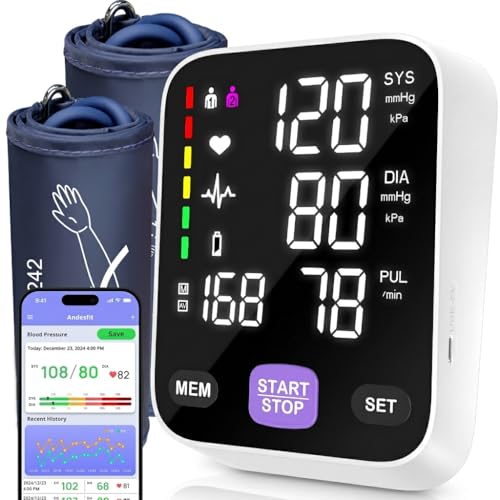
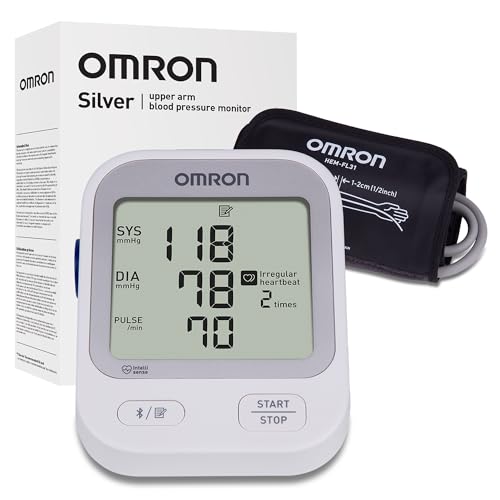
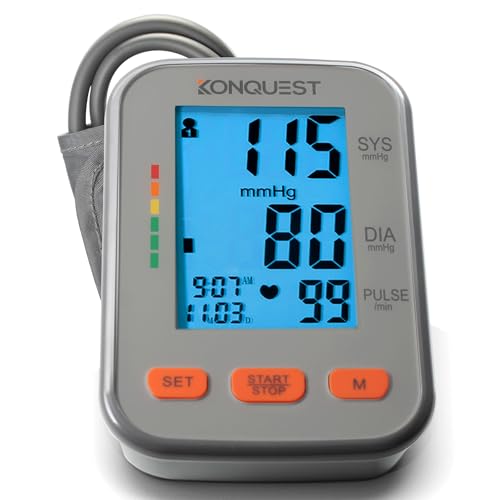
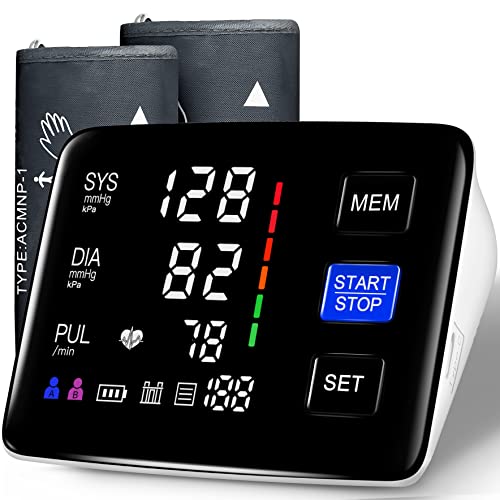
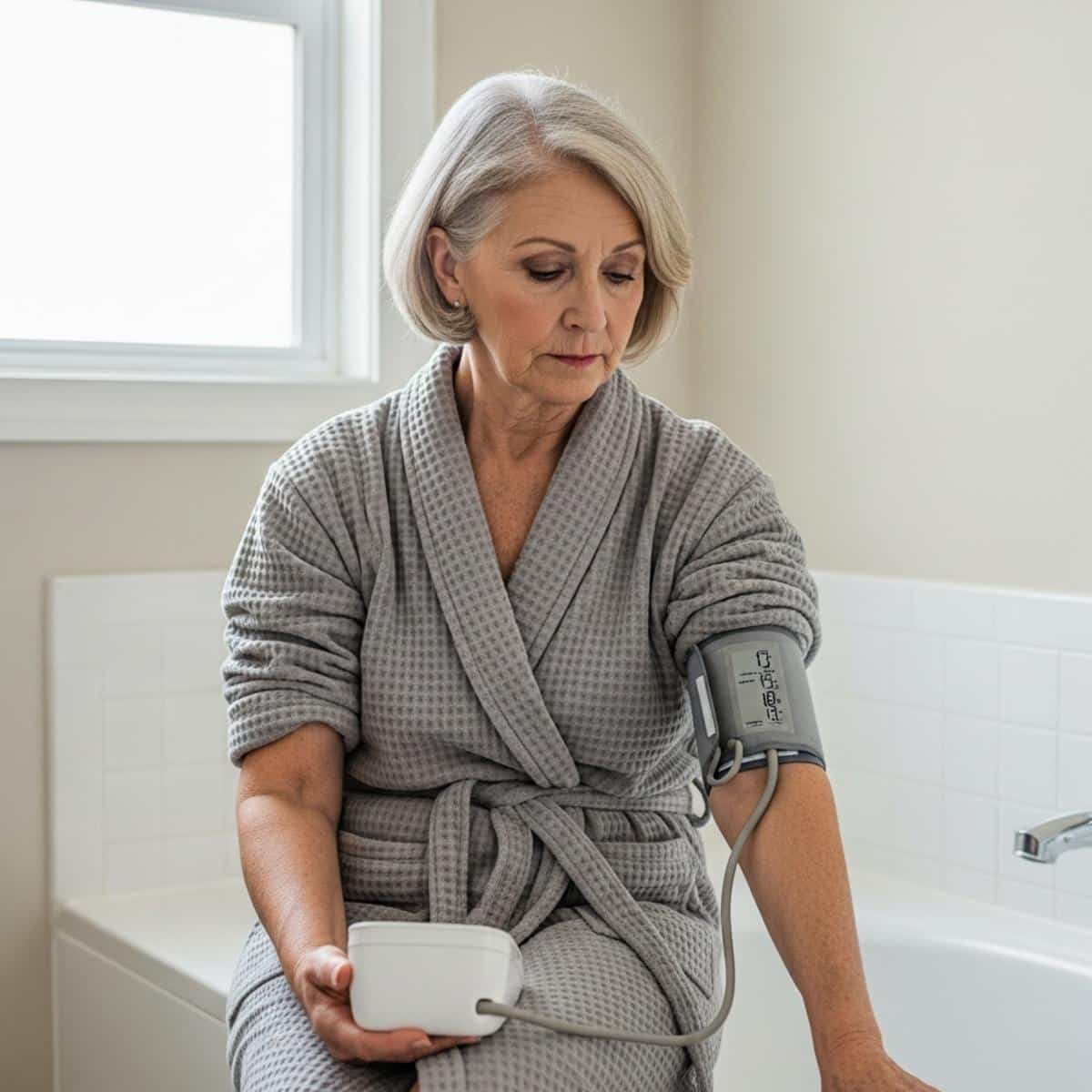
Your blood pressure isn’t constant throughout the day. It follows a predictable circadian rhythm that most people never learn about. If you want to track those swings yourself but checking your blood pressure at home gets hard with stiff hands, there are easier monitors to look at.
Between 4-6 AM, your blood pressure hits its lowest point of the entire 24-hour cycle. This is normal physiology—not a health problem.
As morning progresses, your BP gradually rises. By late morning (around 10-11 AM), it typically reaches a more stable plateau that continues through the afternoon.
This pattern matters tremendously for activities that involve standing and hot water exposure.
Think of your cardiovascular system like a car engine on a cold morning. It needs time to warm up and reach optimal operating level after hours of sleep.
When you shower at 7 AM, you’re asking your body to handle significant physical demands—standing upright, temperature changes, movement—when your blood pressure is still at or near its daily low point.
Understanding your body’s natural rhythms is the first step to timing activities for maximum safety.



Why Hot Water and Standing Create a Perfect Storm for Dizziness
Here’s where morning showers become particularly risky.
When you stand up after lying down, your body experiences what’s called orthostatic hypotension—a temporary drop in blood pressure as gravity pulls blood toward your legs.
Healthy circulation compensates for this quickly. But when your BP is already at its morning low, that compensation system has less margin for error.
Now add hot water to the equation.
Hot water causes vasodilation—your blood vessels expand and relax. This is why hot showers feel relaxing. But vasodilation also lowers blood pressure further.
So you have three factors working against you:
- Your BP is naturally at its daily low
- Standing up drops it even more
- Hot water drops it again
The result? Lightheadedness, dizziness, feeling faint, or needing to sit down suddenly.
If you’ve felt unsteady during morning showers but feel fine during afternoon or evening showers at the same water temperature, you weren’t imagining it. There’s a physiological reason.
Many people who experience balance problems while bathing don’t realize timing is a major factor.
Recognizing that shower timing isn’t just preference—it’s a safety consideration—can be transformative.



The Medication Factor That Magnifies Morning Risk
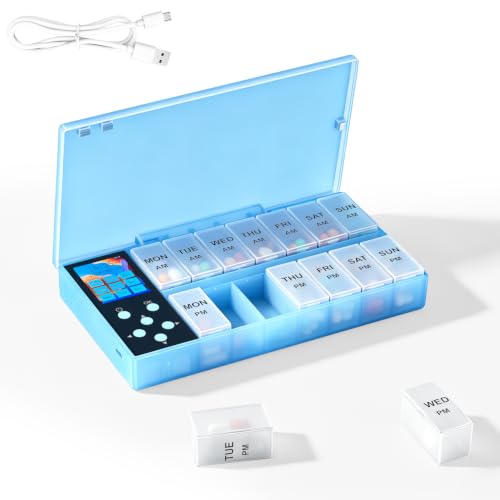
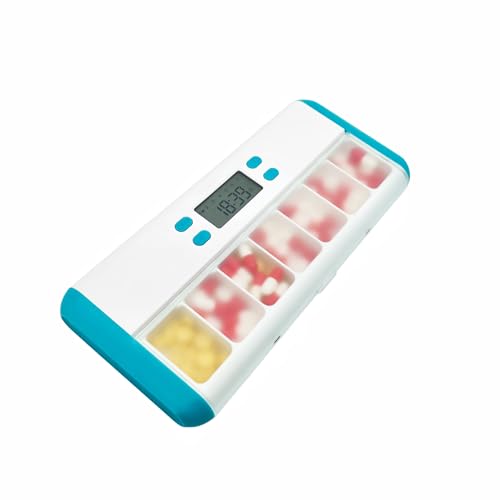
If you take blood pressure medications or diuretics (water pills), morning showers become even riskier.
Most people take these medications at breakfast or shortly after waking. These drugs are specifically designed to lower blood pressure or reduce fluid volume.
They don’t work instantly—they take 30-60 minutes to begin having significant effects. And that’s exactly when many people are showering.
So you’re combining:
- Naturally low morning blood pressure
- Orthostatic hypotension from standing
- Vasodilation from hot water
- Active blood pressure medication in your system
This quadruple effect dramatically increases dizziness and fall risk.
I’ve worked with older adults who struggled with morning dizziness for years, never connecting it to the timing of their shower relative to their medication schedule.
One simple change—showering before taking morning medications, or waiting 90+ minutes after taking them—can make a profound difference in how steady you feel.
Understanding when your medications are most active helps you plan safer shower timing.
Important: Never change when you take prescribed medications without consulting your doctor. But you can absolutely change when you shower.
Knowing how your medication schedule affects daily activities gives you more control over your safety.



The Safest Shower Times (And How to Transition Your Routine)
Ready to discover more innovative strategies for healthy, comfortable aging? Subscribe to our newsletter for expert-tested tips and product recommendations designed specifically for older adults.
The safest times to shower are when your blood pressure is most stable:
Late morning (after 10 AM): Your BP has had several hours to rise to normal daytime levels. Your body is fully “warmed up” from sleep.
Afternoon (1-4 PM): Blood pressure is typically at its most stable during these hours. This is the lowest-risk window for showering.
Evening (6-8 PM): Still safe, though BP begins its gradual decline toward nighttime lows. Evening showers have the added benefit of being relaxing before bed.
I know what you’re thinking: “I’ve showered at 7 AM for 50 years. I can’t just change that.”
You’re right—lifelong habits aren’t easy to shift. But gradual transition makes it manageable.
Here’s a practical approach:
Week 1-2: Shift your shower 30 minutes later. If you normally shower at 7 AM, try 7:30 AM.
Week 3-4: Shift another 30 minutes. Now you’re at 8 AM.
Week 5-6: Another 30-minute shift brings you to 8:30 AM.
Week 7-8: Final shift to 9 or 9:30 AM puts you in the safer late-morning window.
Adjust your other morning routines accordingly. Maybe you shower after breakfast instead of before. Or after your morning walk instead of before.
The key is treating this like any habit change—gradual, consistent, with a clear target in mind.
The safety benefit is worth the temporary disruption to your routine.
Many people find that making small adjustments to daily routines for safety actually improves their overall quality of life.

If You Must Shower Early—The Safety Protocol
Sometimes morning showers are non-negotiable. Work schedules, caregiving responsibilities, or morning medical appointments may require early bathing.
If that’s your situation, these precautions significantly reduce your risk:
Before standing: Sit on the edge of your bed for 2 full minutes after waking. This gives your cardiovascular system time to adjust to being upright.
Eat something first: Even just crackers or a small piece of fruit helps stabilize blood pressure. Don’t shower on a completely empty stomach.
Adjust water temperature: Use lukewarm water instead of hot. It should feel comfortably warm, not steamy. This minimizes vasodilation.
Time your medications: If possible, shower before taking BP medications. If you’ve already taken them, wait at least 90 minutes before showering.
Always use a shower chair: Eliminate the standing component entirely. This removes orthostatic hypotension from the equation.
Install grab bars: Have sturdy support when entering, exiting, and moving around the shower. These aren’t just helpful—they’re essential for early morning showers.
Never rush: Build in extra time so you’re not hurrying. Rushed movements increase fall risk.
Know your warning signs: If you feel dizzy, lightheaded, or faint, sit down immediately. Turn off the water if needed. Don’t try to “push through” these symptoms.
These safety measures work together. Using a shower chair plus grab bars plus lukewarm water creates multiple layers of protection.
I’ve seen countless situations where proper bathroom safety equipment prevented serious injuries.
Think of this protocol as your morning shower checklist. Each item addresses a specific risk factor.
When Morning Dizziness Signals Something More
Occasional mild lightheadedness when you first stand up is normal, especially in the morning.
But certain patterns warrant a conversation with your doctor:
Frequent episodes: If you feel dizzy during most morning showers, even with safety precautions in place.
Severe symptoms: Feeling like you’re about to pass out, vision going dark, or needing to sit/lie down immediately.
New or worsening: If morning dizziness is a recent development or has gotten worse over several weeks.
After medication changes: Any new dizziness following a dose adjustment or new prescription.
These could indicate that your blood pressure medications need adjustment, or that another medical issue needs attention.
Don’t dismiss persistent symptoms as “just part of aging.” They’re often correctable with proper medical attention.
Your doctor can check your blood pressure in different positions (lying, sitting, standing) to assess orthostatic changes. They may adjust medication timing or dosing to reduce morning lows.
Talking to your doctor about these symptoms is important for your overall safety and well-being.
The goal is finding the right balance—medications that control your blood pressure without causing problematic drops during routine activities.
Your Morning Routine, Reconsidered
Shower timing isn’t something most people think about. But understanding your body’s blood pressure patterns transforms it from a trivial preference into a meaningful safety decision.
The science is clear: early morning showers carry measurably higher fall risk due to the convergence of naturally low blood pressure, orthostatic changes, hot water effects, and often medication timing.
The solution is equally clear: shift your shower to late morning, afternoon, or evening when your blood pressure is stable. Or, if morning showers are necessary, implement the safety protocol consistently.
This is a zero-cost intervention. You don’t need to buy anything, install anything, or change your entire routine. Just timing.
Yet the safety benefit is substantial.
If you’ve experienced morning dizziness after showers, you now know why. If you haven’t, you now know how to prevent it.
Take a moment today to evaluate your current shower timing. Notice whether you’ve felt unsteady during morning showers. Consider whether a schedule adjustment might serve you better.
Sometimes the smallest changes create the most meaningful improvements in daily safety and confidence.
Have you noticed differences in how you feel during morning versus evening showers? What time do you typically bathe? Share your experiences in the comments—your insights might help someone else make a safer choice.

![Memorygram legacy book sample cover green[1]](https://www.grayingwithgrace.com/wp-content/uploads/2026/09/memorygram-legacy-book-sample-cover-green1-e1790074471145-450x300.jpg)



![Older man cane son garden together[1]](https://www.grayingwithgrace.com/wp-content/uploads/2026/05/older_man_cane_son_garden_together1-e1778601923976-450x300.jpg)
![Keep older woman morning hand stretching bed[1]](https://www.grayingwithgrace.com/wp-content/uploads/2026/05/keep-older_woman_morning_hand_stretching_bed1-e1778601697164-450x300.jpg)


