

It’s 7 PM and you can barely keep your eyes open. So you head to bed early — only to find yourself wide awake at 3 AM, staring at the ceiling with nowhere to be for hours.
You’ve tried melatonin. Maybe your doctor mentioned a sleep aid. Nothing has truly fixed it. And every morning, you wonder what’s wrong with you.
Here’s what I want you to know: there’s probably nothing wrong with you. What you’re experiencing has a specific biological explanation — and once you understand it, the 7-day fix I’m going to walk you through makes complete sense.
This isn’t classic insomnia. It isn’t anxiety. And it almost certainly isn’t what your doctor diagnosed.

What’s Actually Happening to Your Sleep (And Why Your Doctor May Have Missed It)
Your body runs on an internal clock called the circadian rhythm. It controls when you feel sleepy, when you feel alert, and when your body releases melatonin to prepare for rest.
After 60, that internal clock naturally shifts forward by one to two hours. Sleep researchers call this a circadian phase advance — and it’s a documented biological change, not a character flaw, not a disorder, and not a sign of something serious.
What does it look like in real life?
- You feel genuinely exhausted at 7 or 8 PM instead of 10 PM
- You fall asleep early, then wake at 3 or 4 AM feeling done sleeping
- You lie awake frustrated, unable to get back to sleep
- By mid-morning, you feel groggy and behind
Because this pattern disrupts sleep and causes daytime fatigue, it often gets labeled as insomnia, depression, or generalized aging. The prescription that follows — a sleep aid — treats the symptom without touching the cause.
Worse, sleeping pills can actually compound the problem over time by disrupting the natural sleep architecture your body needs and creating dependency without resolving the underlying rhythm shift.
Here’s the reframe I want you to hold onto: this isn’t a disease. It’s a shift. And shifts can be reset.
Before we get into the fix, take a moment to notice whether your sleep problem matches this specific pattern — early evening fatigue and pre-dawn waking. If it does, everything that follows is built exactly for you. If you’re also noticing changes in your afternoon energy levels, that’s another signal your circadian rhythm may be off-track.

The #1 Tool Sleep Researchers Recommend (And It Costs Less Than a Copay)
Light is the primary signal your brain uses to set its internal clock. Every morning, when light hits your eyes, it sends a message to your brain: it’s time to be awake. That signal anchors your entire sleep-wake cycle for the next 24 hours.
Here’s the problem most older adults face without realizing it: they simply aren’t getting enough morning light.
Think about your typical morning. You wake up, make coffee, and stay inside. Windows filter out much of the light spectrum your brain needs. Cloudy mornings reduce it further. Over time, without a strong morning light cue, your circadian clock drifts — often forward, compounding the early wake-up problem.
The fix is straightforward:
- Get 20–30 minutes of bright light exposure within one hour of waking
- Natural sunlight is the most effective source — a short walk outside or sitting on a porch works well
- If sunlight isn’t reliable due to weather, limited mobility, or your schedule, a light therapy lamp (also called a bright light box or SAD lamp) can replicate the effect — look for one rated at 10,000 lux and use it within the first hour of waking
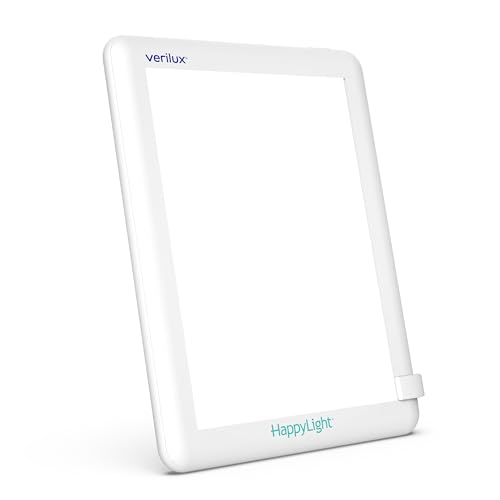


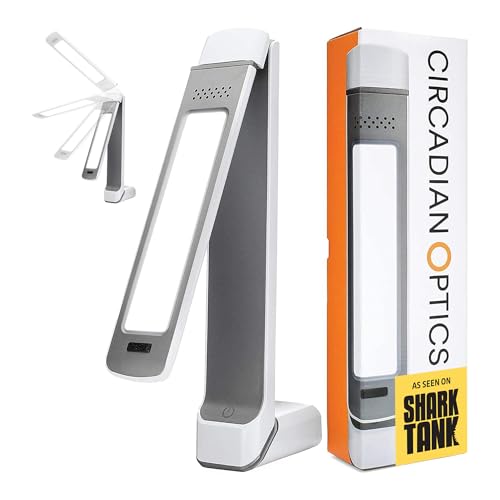


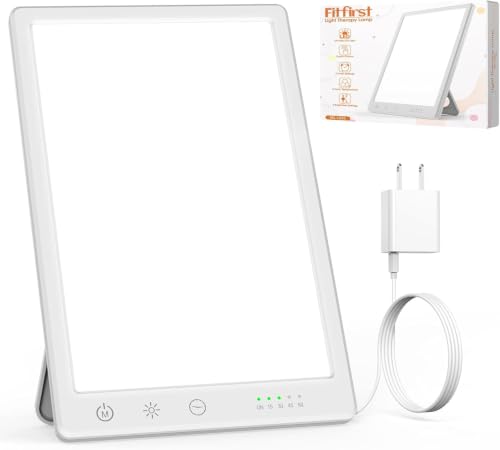
This isn’t a wellness trend. It’s the same approach sleep researchers use in clinical settings to treat circadian rhythm disorders — applied at home, at zero cost if you step outside.
Your action step: Tomorrow morning, get outside or sit in front of a bright window within an hour of waking. Even 15 minutes is a meaningful start.

Two Afternoon Habits That Are Quietly Destroying Your Night’s Sleep
What you do between 1 PM and 5 PM has a significant impact on how you sleep. Two habits in particular — both extremely common — make the circadian problem dramatically worse.
Habit #1: Afternoon Caffeine
Caffeine has a half-life of roughly five to seven hours — meaning half of a 3 PM cup of coffee is still active in your system at 8 or 9 PM.
For older adults, whose metabolism processes caffeine more slowly than it once did, that window extends even further. The afternoon coffee that feels harmless is quietly keeping your nervous system alert long after you want to wind down.
The adjustment: Move your caffeine cutoff to 1 PM or earlier and hold that line for the full seven days.
Habit #2: Long Afternoon Naps
Your body builds something called sleep pressure throughout the day — a biochemical drive toward rest that makes nighttime sleep possible and restorative. A 60 to 90-minute nap in the afternoon burns off a significant portion of that pressure.
By bedtime, your body doesn’t have enough sleep drive left to sustain a full night. You fall asleep, then wake at 3 AM — because your tank is genuinely empty.
A 20-minute nap before 2 PM is a different story. It refreshes without depleting your sleep pressure.
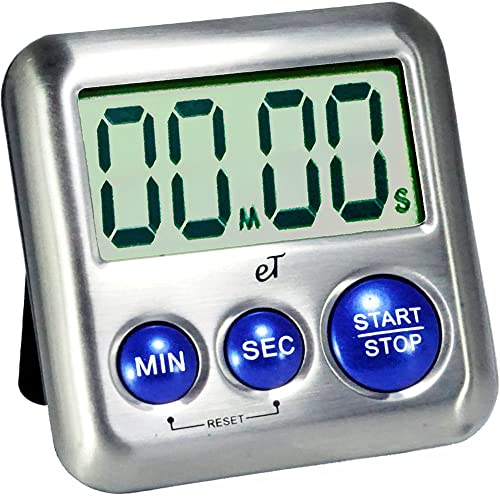
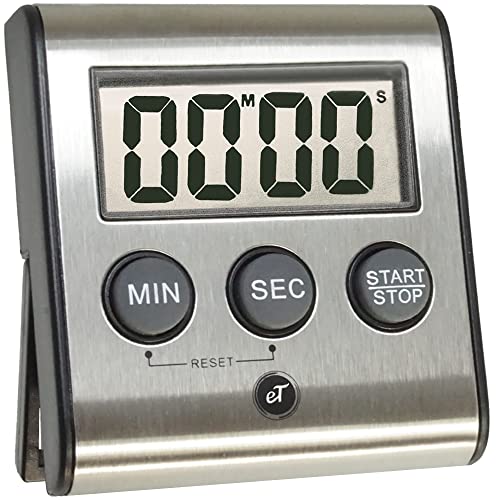
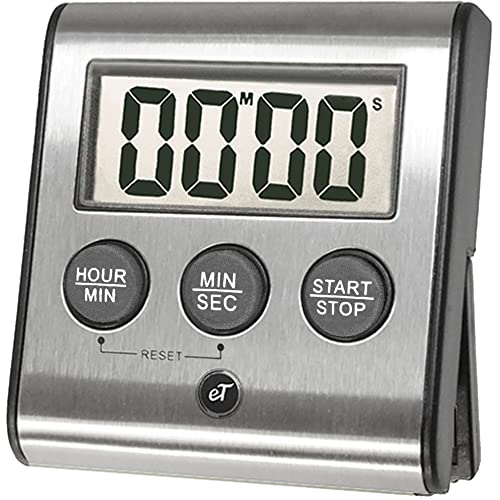
The adjustment: If you nap, set a timer for 20 minutes and finish before 2 PM. If you’re already dealing with the 3 AM pattern consistently, consider skipping naps entirely for the seven days of the reset.


Ready to discover more practical strategies for living well as you age? Subscribe to the Graying With Grace newsletter for expert-tested tips and trusted product recommendations designed specifically for older adults.
Both of these feel like they’re helping in the moment — and that’s exactly what makes them so easy to overlook. The connection between daily habits and overall wellbeing is something I’ve seen older adults underestimate repeatedly, and sleep is one of the clearest examples.

Why Your Evening Lights Are Keeping You Awake (And What to Do Instead)
Just as morning light tells your brain to wake up, evening light tells your brain to stay awake.
Bright overhead lighting and the blue-spectrum light from screens — phones, tablets, televisions — suppress melatonin production during the hours your body needs to start winding down. The result: even when you feel tired, your brain isn’t getting the chemical signal it needs to initiate sleep properly.
For someone whose circadian rhythm has already shifted forward, adding evening light exposure on top of it makes the 3 AM wake-up almost inevitable.
The Evening Dimming Protocol
- By 7–8 PM: Turn off overhead lights and switch to a single warm-toned lamp
- On screens: Enable night mode or reduce screen brightness significantly after 7 PM
- Optional tools: Amber-toned bulbs or smart bulbs set to dim automatically make this easier to sustain — blue-light filtering glasses worn during evening screen time are another simple, affordable option





Think of your home’s lighting environment as either working for your sleep or against it. The good news is that small, inexpensive changes shift this quickly.
Your action step: Tonight, turn off overhead lights by 8 PM and switch to one warm lamp. Notice whether your body begins winding down more naturally over the next few evenings.
This pairs directly with morning light to send clearer signals from both ends of the day — waking your clock up in the morning and allowing it to settle at night. For older adults who are also thinking about home environment and how it affects daily function, lighting is one of the highest-leverage changes you can make.

The 7-Day Plan to Reset Your Sleep Without a Single Pill
Trying to force an immediate schedule change rarely works. Your circadian rhythm responds to gradual, consistent signals — not overnight demands.
This plan layers in each behavioral change progressively so your body can follow without being overwhelmed.
Days 1–2: Anchor Your Morning
- Begin morning light exposure within one hour of waking (20–30 minutes outside or with a light therapy lamp)
- Establish your caffeine cutoff at 1 PM — no exceptions during the reset
- Keep your existing sleep and wake times for now; don’t force changes yet
Days 3–4: Add the Evening Protocol
- Begin dimming your home by 7–8 PM each night
- Enable night mode on all screens
- Cap any napping at 20 minutes and finish before 2 PM
- You may begin noticing that 7 PM exhaustion is slightly less intense — that’s the signal working
Days 5–6: Gently Shift Your Sleep Window
- If you’ve been going to bed at 7 or 8 PM due to exhaustion, push bedtime back by 15–30 minutes
- This gradual delay, combined with the light anchoring, begins moving your sleep window toward a more functional schedule
- If you wake at 3 AM, avoid checking your phone (screen light will reset your clock); try resting quietly in low light instead
Day 7: Evaluate
- Most people notice measurable improvement in sleep continuity and reduced pre-dawn waking by this point
- Keep a simple log on your phone or a notepad: note what time you fell asleep, whether you woke early, and how you felt in the morning
- Consistency across all seven days matters more than perfection on any single one
The value of balanced daily routines extends well beyond sleep — but sleep is often the foundation everything else rests on. When it improves, many older adults find their energy, mood, and confidence improve alongside it.
For those managing this alongside caregiving responsibilities, know that small structural changes can carry significant weight for overall wellbeing — for you and for the people you care for.
You Deserve a Real Answer — Not Just a Prescription
The exhausted-at-7-PM, awake-at-3-AM pattern is not classic insomnia. It is not a sign of serious illness. And it is not something that requires medication to fix.
It’s a circadian rhythm shift — a documented biological change — and the behavioral tools in this article address it at the source.
Understanding what’s actually happening is the first step toward changing it. Now you have a framework, a plan, and a seven-day timeline.
Start with one change today. Open the blinds when you wake up tomorrow. Skip the 4 PM coffee. Dim the lights at 8 PM tonight.
Then do it again the next day.
Seven days from now, your sleep story could look meaningfully different — and you’ll know, with real evidence, whether this approach works for you.
How long have you been dealing with this pattern? Which step are you starting with? Share in the comments — your experience might be exactly what someone else needs to read today.
![Older couple evening sofa weighted pad[1]](https://www.grayingwithgrace.com/wp-content/uploads/2025/07/older_couple_evening_sofa_weighted_pad1-e1753723820930-450x300.jpg)


